
Kitchen & Bath Remodel Hidden Costs: Identifying & Mitigating Unforeseen Expenses
Kitchen and bathroom remodels consistently rank among the most popular home improvement projects, promising enhanced functionality, aesthetic appeal, and increased property value. However, these ambitious transformations frequently come with a challenging caveat: unexpected costs. Despite meticulous planning, many homeowners find their budgets ballooning by 15% to 40% or more due to an array of unforeseen expenses that lie beneath the surface of initial estimates. This comprehensive report delves into the most commonly missed line items, from permit fees and demolition charges to the often-alarming discovery of structural damage or outdated systems, providing a critical guide for homeowners to navigate these financial pitfalls.
Understanding these hidden costs is paramount for a successful and stress-free renovation. Beyond the visible expenses like fixtures and finishes, the true cost of a remodel encompasses everything from hazardous material abatement and code compliance upgrades to the logistical challenges of temporary relocation and post-construction cleanup. By shedding light on these frequently overlooked aspects, this report aims to equip homeowners with the knowledge and strategies necessary to create more realistic budgets, allocate appropriate contingency funds, and maintain control over their project's financial trajectory, ultimately turning their renovation dreams into a tangible, budgeted reality rather than a costly nightmare.
Key Takeaways: Navigating Unexpected Remodel Costs
- Budget Overruns are the Norm: Expect 15-25% over budget for kitchens, 25-40% for baths; only 36% of homeowners stay within initial estimates.
- Allocate a Contingency Fund: Always set aside 10-20% of your total budget for unforeseen issues, especially for older homes.
- Mind the "Minor" Costs: Permits (1-2% of project value), demolition, debris removal, storage, and post-cleanup ($477 avg.) accumulate quickly.
- Beware of Structural Surprises: Prepare for potential costs like mold remediation (avg. $2,300), termite repair (avg. $3,000), or outdated plumbing/electrical (e.g., $375-$900/foot for pipe replacement).
- Code Compliance is Critical: Upgrading to current building codes (e.g., GFCI outlets, ventilation) often adds unplanned expenses, and unpermitted work can incur severe fines.
- Avoid Scope Creep: Mid-project changes can add 10-15% to costs and significantly delay timelines; clearly document and approve all changes.
- Invest in Detailed Planning: Thorough pre-construction assessments and itemized estimates help identify potential issues and budget accurately from the start.
1. Executive Summary
Home remodeling projects, particularly kitchen and bathroom renovations, often come with unexpected costs that can significantly inflate initial budgets. This executive summary provides an overview of why budget overruns are common, identifies the most frequently missed line items, details unforeseen structural and code-related issues, and explains the impact of project scope changes. It also offers key recommendations for homeowners to manage these financial risks effectively.
Budget Overruns: A Prevalent Issue in Home Remodeling
Budget overruns are not an exception but the standard in home remodeling. A 2020 survey revealed that only 36% of homeowners managed to stay within their remodeling budget, while 31% exceeded it, and just 3% finished under budget[1]. This indicates a widespread challenge in accurately forecasting renovation expenses.
The average kitchen renovation typically goes over budget by 15-25% due to unanticipated costs[2]. Bathroom remodels are even more prone to such increases, with many homeowners overspending by 25-40%[3]. These figures represent averages, meaning some projects face even larger differences.
Factors contributing to these overruns include unexpected price changes, increased project complexity once work begins, and owner-driven changes during construction[1]. Since mid-2025, home remodeling costs have risen 3.4% year-over-year, outpacing general inflation (2.7%)[4]. This trend is driven by ongoing supply chain issues and labor shortages, making budget planning harder than before.
Experts consistently recommend allocating a contingency fund of 10-20% of the total project budget for unexpected expenses[5]. For older homes, which are more likely to harbor hidden problems, a contingency closer to 20% is often advised[5].
Commonly Missed Line Items: Permits, Preparation, and Post-Project Expenses
Many seemingly minor costs are frequently overlooked by homeowners, but they accumulate to significant amounts. These include regulatory fees, demolition and debris removal, site preparation, and post-construction cleanup.
- Permit Fees: Permit fees typically range from 1-2% of the project value[6]. For example, a $300,000 renovation might incur $3,000 to $6,000 in permit fees alone[6]. Skipping permits is not a viable option; fines for unpermitted work can be severe, reaching $1,000 per day in some areas[7].
- Demolition and Debris Removal: The costs associated with tearing out old materials and disposing of construction debris can add 10-15% to a remodel's expenses[8]. This includes dumpster rentals, hauling fees, and landfill charges.
- Post-Construction Cleanup: After the main construction is done, a professional post-construction cleaning is often needed. This service averages around $477 in the U.S.[9], a small but often forgotten cost.
- Storage and Alternative Living: For extensive renovations, homeowners might need to rent storage units (ranging from $50 to $250 per month)[10] or temporarily relocate, incurring hotel or rental costs[11].
Beyond these, specific material costs also contribute to a budget's structure. Cabinets are usually the largest expense in a kitchen remodel, making up 30-35% of the total budget[12]. Labor costs generally account for 25-35% of overall remodeling expenses[13].
Unforeseen Structural Issues and Code Requirements
Significant budget challenges often arise from issues discovered only after demolition begins, or from requirements to bring older homes up to current building codes.
- Hidden Damage: It is common to find water damage, mold, or pest infestations when walls or floors are opened. Mold remediation averages about $2,300[14], and termite damage repairs can cost around $3,000 on average, with severe cases exceeding $15,000[15]. Addressing these problems is usually necessary for safety and the longevity of the remodel. Phoenix Home Remodeling has noted that older homes are particularly susceptible to such "structural surprises"[16].
- Outdated Systems: Older homes often have outdated plumbing or electrical systems that must be upgraded to meet current codes when remodeling. Replacing old cast-iron pipes, for example, can cost $375-$900 per linear foot[17]. Relocating major plumbing or gas lines could add $5,000 to $15,000 or more[18].
- Code Compliance: Ensuring a kitchen or bath meets current building codes can introduce unplanned expenses, such as adding GFCI outlets, improving ventilation, or upgrading electrical panels. If a remodel uncovers unsafe wiring or plumbing, local codes often mandate fixes that can add over 10% to the budget[19].
- Hazardous Materials: For homes built before the late 1970s, discovering asbestos or lead paint during demolition requires specialized and costly abatement procedures. Asbestos removal can range from a few hundred dollars to over $10,000 for extensive cases[73].
Scope Creep: Upgrades and Change Orders
Mid-project changes, often termed "scope creep," are a major cause of budget overruns and timeline delays. Such changes can increase project costs by 10-15% and extend timelines by about 30%[20].
- Owner-Driven Changes: Homeowners frequently decide to make additional upgrades "while they're at it" (e.g., opting for more expensive finishes or adding features not in the original plan). Even small changes accumulate quickly.
- Allowances vs. Selections: Contracts often include allowances for items like appliances or tiles. Homeowners frequently select more costly options than the allowance covers, leading to budget increases.
- Project Expansion: Remodeling one room can sometimes lead to expanding the project to adjacent areas, thereby increasing the total scope and cost.
Homeowner choices and mistakes can also be financially burdensome. A 2024 survey found that homeowners who encountered serious mistakes paid an average of $1,984 extra to fix their single costliest error[21].
Recommendations for Managing Hidden Costs
Proactive planning and risk mitigation are crucial for managing remodeling costs:
- Thorough Planning and Design: Invest ample time in the planning and design phase. Detailed designs and material specifications upfront minimize surprises. Professional remodelers, such as Phoenix Home Remodeling, conduct extensive pre-construction assessments to identify potential issues and budget for them at the start[22].
- Detailed, Itemized Estimates: Insist on a comprehensive, itemized estimate that clearly lists all costs, including permits, demolition, and finishing touches. This helps identify overlooked items and clarifies what is included versus excluded.
- Contingency Fund: Always include a contingency buffer of 10-20% of the project budget. This financial cushion is essential for addressing unforeseen issues without derailing the project.
- Plan for Worst-Case Scenarios: Consider potential problems (e.g., structural damage, outdated systems) and get preliminary estimates for their repair. Conduct pre-remodel inspections or tests for hazardous materials like asbestos or lead.
- Clear Communication with Contractor: Maintain open and transparent communication with your contractor. Ensure all change orders are documented and approved in writing, with clear cost implications, before work proceeds.
- Value Engineering and Flexibility: Be prepared to make trade-offs or adjustments if unexpected costs arise. Prioritize essential repairs over elective upgrades if the budget becomes strained.
- Select the Right Team: Choose experienced and reputable contractors. Firms that offer integrated design-build services, like Phoenix Home Remodeling, can often foresee problems earlier and ensure better alignment between design and budget[22].
Case Studies Illustrating Hidden Cost Impacts
Several examples demonstrate the impact of hidden costs:
- Cottage Renovation Triple Overrun (Michigan): A couple's $140,000 renovation estimate for a lakeside cottage ballooned to over $500,000 (3.5 times the original budget) and remained incomplete after years, due to structural issues, contractor delays, and numerous change orders[23].
- Asbestos Surprise (Sydney): A family demolishing an old house faced an unexpected $13,000 AUD bill for asbestos removal after it was discovered in the structure[24].
- New Home Build Accumulation: A homeowner experienced cumulative budget increases from small, individually justifiable changes such as a septic system redesign (+$1,600), a city-mandated firetruck turnaround driveway (+$3,500), and upgraded baseboard trim (+$1,000), which collectively pushed the project roughly 15% over budget[25].
- Proactive Planning Success (Phoenix): Phoenix Home Remodeling's design phase identified a load-bearing wall a client wanted to remove. By addressing this structural issue (at an added cost of $5,000) during planning, the client could adjust other selections to stay on budget, avoiding a costly mid-construction surprise[26].
These examples highlight that while hidden costs are common, diligent preparation, clear communication, and financial buffers can mitigate their impact. The next section will detail the specific types of costs homeowners commonly overlook, providing a deeper analysis of each item.
Summary Table of Key Hidden Costs and Impact
| Cost Category | Typical Impact / Examples | Average Cost / Percentage | Source |
|---|---|---|---|
| Budget Overrun, Kitchen Remodel | Average increase over initial budget | 15-25% | BV Contractors[2] |
| Budget Overrun, Bathroom Remodel | Average increase over initial budget | 25-40% | Jiffy Junk[3] |
| Contingency Recommendation | Buffer for unexpected expenses | 10-20% (higher for older homes) | Phoenix Home Remodeling[5] |
| Permit Fees | Regulatory costs for remodels | 1-2% of project value ($3-6k for $300k project) | ConstructionBids.ai[6] |
| Mold Remediation | Removal of unexpected mold growth | ~$2,300 | This Old House[14] |
| Termite Damage Repair | Repair of pest-related structural damage | ~$3,000 (serious cases over $15k) | Forbes Home[15] |
| Replacing Cast-Iron Pipes | Upgrade for outdated plumbing systems | $375-900 per linear foot | Angi[17] |
| Relocating Plumbing/Gas Lines | Infrastructure changes for layout modifications | $5,000-$15,000+ | Hammer & Home[18] |
| Scope Creep / Change Orders | Cost increase from mid-project changes | 10-15% (and 30% time extension) | HouseDigest[20] |
| Abatement, Asbestos | Removal of hazardous materials | Up to $10,000+ for extensive cases | Realestate.com.au[24] |
| Post-Construction Cleaning | Thorough cleanup after completion | ~$477 | HouseDigest[9] |
| Cabinetry, Kitchen | Largest single expense in kitchen remodels | 30-35% of total budget | Hammer & Home[12] |
Brief Transition to Next Section
This executive summary has established the prevalence and primary drivers of hidden costs in kitchen and bath remodels. The following sections will provide a deeper analysis of each budget category and specific line items that homeowners most frequently miss, offering practical insights and strategies to mitigate their financial impact.

2. Understanding Remodel Budget Overruns
Home renovation projects, particularly kitchen and bath remodels, often exceed their initial financial estimations. This trend is not new. It is deeply embedded in the nature of remodeling older structures and in the decision-making processes of homeowners. A 2020 survey revealed that only 36% of homeowners managed to stay within their remodeling budget. In contrast, 31% experienced budget overruns. A mere 3% completed their projects under budget[1]. This highlights that going over budget is a common part of home improvement projects. These overruns stem from various causes, ranging from simple underestimation of costs to unexpected structural problems and economic shifts.
The extent of these overruns can be substantial. For kitchen renovations, the average project goes over budget by 15-25% due to unforeseen costs[2]. Bathroom remodels are even more susceptible, with homeowners often overspending by 25-40%[3]. This section will examine the primary reasons why these projects typically exceed their planned budgets. It will cover underestimation, overlooked line items, the impact of economic factors, and other elements that contribute to the financial challenges of remodeling.
Why Remodels Often Go Over Budget (Prevalence and Causes)
Remodeling projects frequently exceed their budget. This is a common occurrence rather than an exception. The pervasive nature of budget overruns suggests systemic issues in how renovations are planned and executed.
Prevalence of Budget Overruns
- Most remodel projects exceed their financial plan. In one analysis of 2019 projects, less than 40% of homeowners stayed within budget, while nearly a third went over[1].
- Bankers and loan officers confirm this pattern. On a home build forum, a loan officer observed that almost all construction loans (99%) end up over budget, typically by 10-20% even for those who plan carefully[18]. This suggests that thorough planning alone may not prevent some level of overrun.
Underestimation of True Costs
A primary cause of budget overruns is the underestimation or omission of necessary line items. Homeowners often focus on major expenses like cabinets, fixtures, and appliances, forgetting smaller, less obvious costs. These can include permits, debris disposal, and minor finish work. A lender noted that everyone "seems to forget something," whether it is landscaping, additional concrete, or small upgrades. These extras add up and push budgets beyond the initial plan[18]. Many initial quotes are based on optimistic assumptions. These assumptions do not hold true once work begins[19].
Key Drivers of Budget Overruns
Homeowners and professionals identify several top causes for going over budget:
- Unexpected higher prices: Products or services often cost more than initially expected.
- Increased project complexity: Once walls or floors are opened, projects can become more complex than anticipated.
- Owner-driven changes: Homeowners often make changes or upgrades during construction[20][21].
Unknown site conditions and changing decisions account for most overruns. For example, if a contractor's bid assumes no major issues behind the drywall but later finds faulty wiring, that cost is added. If a homeowner decides during the project to choose a more expensive countertop, that choice pushes the spending above the budget.
"Hidden" Versus "Overlooked" Costs
It is important to distinguish between truly hidden problems and simply overlooked costs. Hidden problems are genuinely unpredictable issues revealed during demolition. Overlooked costs are those that could have been anticipated with better planning. Phoenix Home Remodeling notes that many extra costs come from what they call the "sequence problem." This happens when contractors provide a price before full planning is complete, relying on hopeful assumptions[19]. Each incorrect assumption, such as assuming existing plumbing is fine when it is not, turns into an unexpected cost for the homeowner.
Unrealistically low bids can also contribute to overruns. Some contractors might intentionally or unintentionally omit certain items from the quote to make it more attractive[22]. When these items become necessary, the budget grows. Incomplete planning and low bids often lead to projects exceeding their budget.
Global and Economic Factors
External economic factors also play a role. Rapid material price increases and rising labor costs have made it harder to stay within budget in recent years. For instance, in the first half of 2021, lumber prices surged over 200% year-over-year due to supply chain disruptions[23]. This shock added thousands to the cost of any project involving significant wood, such as framing or cabinetry. By 2025, remodeling costs were still rising about 3-4% annually, exceeding general inflation[24]. This means a budget estimate from a year ago might be too low today. During and after the pandemic, price volatility for key materials (lumber, steel, copper) and fixtures caused many budgets to fail, even with a consistent project scope. Experienced homeowners and contractors often include price escalation clauses or buffer funds to account for this volatility. Those who do not can be caught off guard by sudden cost increases during a remodel.
Impact on Homeowners: Time and Stress
Budget overruns are not just financial problems. They often lead to extended timelines and increased stress. Studies show that staying on budget correlates with better schedule management[25]. Conversely, unpredictable costs can cause work stoppages while clients arrange additional funding, leading to frustration. A 2024 Moneywise survey found that 56% of homeowners felt at some point that their renovation "will never be complete"[26]. This feeling is likely worsened by budget problems. Therefore, managing hidden costs is crucial also for financial reasons but also for keeping the project on track and maintaining the homeowner's peace of mind.
Frequently Missed Line Items: Permits, Prep Work, and Finishing Touches
Many homeowners overlook certain costs, considering them minor or assuming they are included in the overall quote. These frequently missed line items can add up significantly, leading to budget overruns.
Permit Fees and Inspections
Permits and required inspections are commonly missed budget items. Permit fees usually represent a relatively small percentage of the project cost, often 1-2%[27]. However, they are mandatory for many kitchen and bath remodels, especially those involving plumbing, electrical, or structural changes. Homeowners might assume these costs are negligible or automatically included. In reality, fees vary by city and project scope. For a $50,000 kitchen remodel, permits and plan reviews might cost around $750-$1,500 in many U.S. cities. For larger projects, like a $300,000 renovation, permit fees can range from $3,000-$6,000[28].
Skipping permits is not an option for a safe remodel or for future home sales. Doing so can result in large fines and forced construction stoppages. For example, in Houston, a plumbing permit costs around $100, but the fine for not having one can reach $1,000 per day[29]. The process of obtaining permits can also add costs due to delays waiting for inspections or making code-required fixes. Reputable contractors typically include permitting in their bids, but some may omit it to appear cheaper[30]. Homeowners should always confirm that their quote covers all required permits and inspections.
Demolition and Debris Removal
Removing old kitchen or bath components involves significant labor and disposal costs. Homeowners might assume demolition is included or free, but this is often not the case. Costs for dumpsters, haul-away services, and landfill fees can add hundreds or thousands of dollars. Renting a large dumpster for demolition debris can cost a few hundred dollars per week. If an entire kitchen and two bathrooms are gutted, multiple dumpsters might be needed. Professional remodelers, including Phoenix Home Remodeling, list debris removal as a standard line item. If it is not explicit in the contract, it can become a surprise add-on[31]. Demolition and waste hauling typically add about 10-15% to a remodel's costs, depending on project size[31]. DIY demolition can save money on labor but still requires budgeting for tool rentals, safety gear, and disposal fees.
Site Preparation and Protection
Protecting the rest of the home during a remodel is another often-missed cost. Materials like plastic sheeting, temporary walls, floor protection boards, and tape are necessary and have a cost. Building temporary walls or setting up special ventilation (e.g., negative pressure fans for dust control) requires extra labor. These measures prevent dust or damage to other parts of the house. They typically fall under "general conditions" or prep work in a contractor bid. Homeowners should ensure that protection measures are accounted for to prevent additional charges for repairing or cleaning unintended damage.
Delivery, Shipping, and Lead Times
Getting materials to the home can incur hidden fees. Large items like bathtubs, custom vanities, or stone slabs often have delivery surcharges. Specialty tiles from overseas or custom fixtures may involve significant shipping or import fees. About 7% of construction materials used in U.S. projects are imported[32], including many high-end finishes. Unpredictable shipping timelines can also lead to cost overruns. If a critical item is delayed, contractors may pause work or reschedule crews, potentially increasing labor costs. In some cases, expedite fees might be necessary. we recommend to budget a small cushion for logistics and order materials well in advance.
Post-Construction Cleanup
After demolition, disposing of scrap materials, packaging, and cleaning the newly renovated space is necessary. Many homeowners are surprised that standard contractor agreements often do not include a thorough final cleaning. Contractors typically perform a rough cleanup, but professional "white glove" cleaning to remove fine dust from surfaces, ducts, and windows is often a separate service. On average, post-construction cleaning services cost about $477 for a single kitchen or bath project[33]. Costs increase with multiple rooms. It is good practice to clarify who is responsible for final cleanup. Disposing of old appliances or fixtures may also incur a haul-away fee.
"Finishing" Expenses
In the excitement of budgeting for major items, smaller finish items are often overlooked. These include paint, trim, hardware, and various accessories. While individually small, their costs add up. For instance, budgeting for a vanity, sink, and faucet but forgetting the mirror, towel bars, and bathroom fan can add several hundred dollars. In a kitchen, the cabinet quote might not include decorative crown molding or toe-kick boards. Even basic hardware like pulls and knobs can cost $5-$15 each, totaling a few hundred dollars for a kitchen with many cabinets. High-quality grout, sealant, and backer-board for tile work are other material costs that homeowners may not anticipate[34][35]. A detailed, line-item estimate can help identify these missed items and prevent change orders later.
| Category | Example Cost/Description | Source |
|---|---|---|
| Permits & Inspections | 1-2% of project value; $1,000/day fine for unpermitted work (Houston) | ConstructionBids.ai[27], HouseDigest[29] |
| Demolition & Debris Removal | 10-15% of remodel costs; dumpster rental, haul-away fees | Phoenix Home Remodeling[31] |
| Post-Construction Cleaning | Average $477 in U.S. | HouseDigest[33] |
| Storage/Temporary Living | $50-$250/month for storage; hotel/rental costs | HouseDigest[10] |
| Finishing Touches | Paint, trim, hardware ($5-$15/item), accessories | Houzz[34] |
Unforeseen Structural Issues and Code Requirements
One of the most significant sources of budget overruns comes from hidden problems discovered once demolition begins. These issues, often impossible to detect beforehand, can require costly and mandatory repairs.
The House's Secrets Can Be Costly
When walls, floors, or ceilings are opened during a remodel, underlying issues like water damage, dry rot, mold, pest infestations, or structural deficiencies are often revealed. For example, a bathroom remodel might expose that a slow leak over time caused subfloor rot and mold within the framing. This damage must be repaired before new finishes are installed, adding costs for new plywood, possibly sistering joists, and mold remediation. Such discoveries can add several thousand dollars to a project. Mold removal during a remodel averages about $2,300 in the U.S.[7].
Termite damage is another major budget concern. Homeowners might not know their framing is compromised until demolition exposes damaged wood. Repairing termite-eaten wood and exterminating the colony can easily cost a few thousand dollars, with a national average of about $3,000[8]. While thorough planning can reduce these surprises, older homes are particularly prone to "structural surprises" that only demolition can reveal[36].
Outdated Wiring and Plumbing
Kitchen and bath remodels often necessitate upgrades to electrical or plumbing systems to meet current codes and safety standards. Older homes (pre-1970s) may have undersized or ungrounded wiring, or corroded iron or galvanized pipes. Building codes usually require bringing these systems up to date in the remodeled areas. A seemingly simple fixture replacement can turn into a partial rewire or replumb job. Upgrading a kitchen might require adding GFCI outlets and dedicated circuits for appliances, costing several hundred dollars per new circuit. Opening a bathroom wall to find old lead or steel pipes often requires replacing them with modern copper or PEX, which could add thousands in labor and materials. Replacing an old cast iron drain pipe can cost $5,000-$10,000, depending on length and accessibility[37][38]. These infrastructure costs often surprise homeowners who only budgeted for visible upgrades.
Structural Modifications and Surprises
Changes to layouts, such as removing or moving walls, can have significant structural implications that increase costs. A homeowner planning to remove a wall for an open kitchen might discover it is load-bearing, requiring a structural engineer and a costly support beam. Installing a load-bearing beam can add several thousand dollars in materials, labor, and design fees. Even without planned changes, contractors sometimes find existing structural problems like undersized beams, foundation cracks, or non-compliant past renovations that must be corrected for safety. One homeowner experienced an unexpected $8,000 beam installation for a supposedly non-structural wall that supported ceiling joists. Foundation issues, such as leveling an old floor or fixing a cracked foundation, can also consume a large part of the budget if not anticipated.
Hazardous Materials (Asbestos, Lead)
Older homes (generally built before the late 1970s) may contain hazardous materials like asbestos and lead paint. Disturbing these materials during a remodel requires special handling and remediation, leading to unexpected costs. Asbestos was used in flooring, pipe insulation, ceilings, and other components. If disturbed, licensed abatement is required. Costs vary but can range from a few hundred dollars for a small area to over $10,000 for extensive asbestos. An Australian family faced a $13,000 AUD asbestos removal bill during a knockdown-rebuild project[39][40]. Lead paint in older kitchens also requires proper mitigation, often involving EPA lead-safe procedures that add time and materials. Testing for these substances beforehand is recommended to avoid being blindsided.
Code Compliance and Mandated Upgrades
Remodeling often triggers updates to current building codes, even if existing systems were functional. Common examples include adding hard-wired smoke/CO detectors, installing ventilation fans in bathrooms that lacked them, upgrading drain pipes for new fixtures, or adding ground-fault and arc-fault circuit protection. Each of these carries a cost. An electrical panel upgrade might cost $300-$500 if the existing panel cannot handle new circuits. Local codes might also require tempering valves on bathroom supply lines to prevent scalding, costing about $100 per valve plus labor. If the initial budget is not thorough, these code-related items will appear as change orders. These additions, while individually small, can number in the dozens and significantly increase costs. Working with a knowledgeable, licensed contractor is important as they can often predict many requirements upfront. Phoenix Home Remodeling emphasizes comprehensive code and structural assessments during the design phase to proactively identify and price necessary upgrades, reducing mid-project surprises[41].
The Scope Creep Syndrome: Upgrades, Change Orders, and "While You're At It"
Scope creep is a common cause of budget overruns, often driven by homeowner decisions to expand or upgrade the project during construction. This phenomenon includes various forms of changes that accumulate to increase costs and extend timelines.
Owner-Driven Changes ("I Might As Well...")
During a remodel, homeowners are often tempted to make improvements beyond the initial plan. This "while you're at it" mentality leads to additions like replacing an old light fixture, upgrading all door hardware, or extending tile into an adjacent hallway. While these enhancements might seem sensible, each one adds to the cost. Homeowners often rationalize that small add-ons will not significantly impact the budget, but these changes quickly compound. Changing to a different tile or cabinet style mid-project or making any change order can increase the overall project cost by 10-15% and extend the timeline by about 30%[42]. The extra cost includes also new materials but also wasted labor (tearing out completed work), rescheduling inefficiencies, and potential expedite fees for new materials. For example, changing a shower tile after installation has begun might require removing partial work, purchasing new tile, and additional labor, easily adding thousands of dollars.
Allowances Versus Actual Selections
Scope creep can also occur through "allowances" in contracts. Homeowners may sign a contract with budget placeholders for items like appliances, tile, or fixtures before making final selections. Later, they often choose more expensive options than the allowance covers. For instance, a $5,000 allowance for kitchen appliances could be exceeded if the homeowner selects a high-end range and refrigerator totaling $8,000, creating an immediate $3,000 overrun. Similarly, a tile allowance of $5 per square foot might be easily surpassed if the chosen tile costs $12 per square foot. This is not a "surprise" cost in the traditional sense, but it is a common budget buster because people underestimate their own desire for upgrades. Remodeling professionals recommend setting realistic allowances or, ideally, finalizing all selections before construction begins. This prevents the shock of finding that desired finishes are well beyond the preliminary budget.
Upgrades for Quality or Aesthetics
Aside from allowances, homeowners often decide during the project to invest in better quality materials or additional features than initially planned. This might involve choosing quartz countertops over laminate or adding a shower niche. A Houzz study identified homeowners opting for more expensive products and finishes as one of the top three reasons for budget overages[43]. While understandable as opportunities to personalize and improve the space arise, each upgrade adds expense. A single high-end fixture or a better grade of cabinet wood can add a few hundred dollars; cumulative upgrades can add thousands. Differentiating between necessary hidden costs (repairs) and elective upgrades is crucial. Elective upgrades are within the homeowner's control, so managing these impulses or allocating a specific "upgrade fund" (e.g., 5% of the total budget) is advisable.
Scope Creep from Project Expansion
Remodeling one room sometimes leads to tackling adjacent areas, thereby expanding the project's scope. For example, a master bathroom remodel might prompt an update to the master bedroom's flooring to complement the new bath. A planned kitchen remodel might expand to include removing a wall to open up the living room, transforming a single-room renovation into a larger overhaul. Homeowners often do not factor in the cost of these additions because they are not in the original estimate. This "project creep" is common, with many people starting additional projects during or immediately after the first one. The problem is that budgets rarely anticipate this. Each added space or task requires its own budget. Without strict discipline or a clearly defined project scope, a $15,000 bathroom remodel can become a $50,000 interior renovation. Professionals advise defining the scope clearly at the outset and planning future phases separately.
"Little" Things That Aren't Little
Many budget overruns result from a series of small change orders rather than one large item. A homeowner shared a list of minor changes that collectively added thousands to their budget: redesigning a septic system (+$1,600), extra permit notes (+$150), small finish upgrades, additional tree removals, fixing a conduit issue (+$560), a city-mandated firetruck turnaround (+$3,500), extra gravel for a culvert (+$480), and upgrading baseboard trim (+$1,000)[44][45]. Individually, none of these changes exceeded $3,500, but their cumulative effect pushed the project approximately 15-20% over budget. This shows how numerous seemingly minor extras can accumulate. Homeowners should track all additions, even small ones. Building a contingency (around 10%) for discretionary changes or surprises and treating it as a finite fund can help impose discipline and prevent a “death by a thousand cuts” for the budget.
The Time-Cost Spiral
Scope changes also cost money but also time, which can indirectly increase costs. If homeowners are in temporary housing during a renovation, every extension of the schedule means more rent. If a contractor estimates an 8-week job that stretches to 12 weeks due to added work, labor costs and general conditions increase. Delays in receiving custom items can halt work for weeks, leading to extra re-mobilization fees or lost time. Contractors often warn clients that changes will delay the finish date. One report quantified this, stating that mid-stream changes typically lead to a 30% longer project duration[42]. An 8-week project could become over 10 weeks, meaning more costs for temporary living, takeout food, or pet boarding. Time is money in remodeling, so scope creep affects both. Experienced remodelers, like Phoenix Home Remodeling, emphasize a strong planning phase to finalize decisions before construction, minimizing mid-project changes and keeping both timelines and budgets on track[46].
| Type of Charge/Effect | Impact | Source |
|---|---|---|
| Increase in Project Cost from Changes | 10-15% increase | HouseDigest[42] |
| Increase in Project Duration from Changes | Approximately 30% longer | HouseDigest[42] |
| Cost of Homeowner Mistakes | Average $1,984 to fix single costliest error | Moneywise[11] |
| Specific Case: Firetruck Turnaround | +$3,500 | Houzz Forum[44] |
| Specific Case: Septic System Redesign | +$1,600 | Houzz Forum[44] |
Managing Hidden Costs: Planning, Buffers, and Best Practices
While some budget overruns are almost unavoidable, proactive measures can significantly reduce their impact. Strategic planning, clear communication, and financial buffers are essential for managing hidden costs in kitchen and bath remodels.
Thorough Planning and Design Upfront
The best strategy to avoid hidden costs is careful planning before any construction begins. This involves creating a detailed design, specifying all materials and finishes, and investigating existing conditions as much as possible. Contractors who invest time in a thorough planning phase help clients avoid many surprises. For example, Phoenix Home Remodeling conducts an extensive pre-construction assessment for each project. They check structural conditions, plumbing, and electrical systems before finalizing the construction quote[46]. By fully defining the scope and selecting materials early, the construction price is based on known factors rather than assumptions. This approach significantly reduces the frequency of change orders once work begins. Every hour spent planning can save many hours and dollars during construction. Homeowners should be cautious of contractors who rush to sign a contract with vague allowances or without a detailed site walkthrough.
Get Detailed, Itemized Estimates
An itemized estimate provides clarity on potential costs. Instead of a lump-sum bid like "Kitchen remodel - $50,000," a detailed estimate breaks down costs by category. These categories include demolition, framing, plumbing, electrical, cabinets, countertops, permits, and cleanup. This level of detail serves two purposes: first, it ensures nothing is missing. Homeowners can ask specific questions if an item is not listed. Second, it provides a baseline for unexpected work. If moving a drain was not in the original scope, the homeowner can reference other plumbing costs to estimate the additional expense. Industry experts advise homeowners to insist on clarity about what is not included in the contract. Some contracts explicitly list exclusions, which helps prepare for potential worst-case scenarios. A clear contract reduces truly "hidden" costs, transforming them into known risks that can be monitored.
Include a Contingency Line Item
A budget contingency is crucial. It is recommended to set aside 10-20% of the project budget as a contingency, with older homes leaning toward the higher end (15-20%) due to a greater likelihood of hidden problems[5]. For a $50,000 remodel, a $5,000-$7,500 contingency is advisable[5]. This fund should be kept separate and treated as untouchable except for unforeseen needs. If a design-build firm is involved, they might include a contingency allowance that requires client approval for use. It is important to differentiate between contingency for surprises (e.g., rot, code upgrades) and upgrades (e.g., nicer finishes). The contingency should primarily cover the former. Using it for optional changes removes the safety net for genuine surprises. A budget with a cushion better equips homeowners to handle rising costs. If the contingency is not used, it becomes savings or can be allocated to decor.
Plan for the Worst-Case Scenario (Within Reason)
While not every possible problem will occur, it is wise to consider "what if" scenarios during planning. What if opening bathroom walls reveals plumbing that needs replacement? What if the chosen countertop is out of stock? Professional remodelers often engage in scenario planning, sometimes performing exploratory demolition to check for issues like an uneven subfloor or a maxed-out breaker panel. Getting rough quotes for potential additional work helps homeowners understand the financial impact if unexpected repairs are needed. Home inspections or tests before remodeling (e.g., an electrician checking service panel capacity, asbestos testing for old flooring) are small investments that can turn hidden costs into known costs. These preliminary checks are inexpensive compared to the potential cost of addressing issues during the remodel.
Communication with Your Contractor is Key
Open communication with a contractor is essential. A good contractor will promptly inform homeowners of unexpected findings and their estimated cost impact. This allows for informed decision-making, such as exploring cheaper alternatives or offsetting costs by cutting other items. The contract should outline how change orders will be handled, ideally requiring written approval and agreed pricing before proceeding. Homeowners can set spending caps, requiring approval for any extras beyond a certain threshold. Regular project meetings or updates help in reviewing progress, budget status, and upcoming concerns. Phoenix Home Remodeling emphasizes client communication to ensure nothing is truly "hidden" in terms of cost awareness. While construction surprises are common, billing surprises should not be. Transparent communication ensures that even unexpected costs are understood and collaboratively managed.
Value Engineering and Flexibility
When hidden costs emerge, "value engineering" can help manage the budget by finding savings elsewhere. If a $5,000 appliance package was planned but $5,000 in structural repairs are needed, opting for a more modest $3,000 appliance package frees up $2,000 for the unplanned structural work. This trade-off requires prioritizing: structural integrity and code compliance are non-negotiable. Homeowners can then consider reducing spending on elective items like custom pantries or high-end tiles, or deferring them. Staging the project by completing the kitchen now and postponing a costly dining nook until later is another option. Flexibility is key to coping with surprise costs. Building some optional elements into the plan that can be cut if needed provides a safety net. For example, having a backup, more affordable backsplash option if budget constraints arise. This ensures that hidden costs do not derail the project, as a Plan B or C is already in place.
Selecting the Right Team
Choosing experienced and trustworthy professionals is critical for mitigating hidden costs. An experienced remodeler can anticipate common problems and proactively budget for them or warn homeowners. Such contractors are less likely to underbid to win a job, avoiding the low-bid/high-addendum trap. Checking references and reviews for mentions of "on budget" or "no surprise charges" can provide insight. Design-build firms, like Phoenix Home Remodeling, can streamline the process by integrating design and construction planning. This helps identify issues like permit requirements or structural needs during the design phase, not as an afterthought[47]. They often use software and checklists to ensure all line items are included in proposals. While no contractor can guarantee zero unforeseen costs, the right team minimizes unknowns and works with homeowners to address them, preventing significant budget drama. Diligence in hiring can prevent many budget problems. With careful planning, open communication, and appropriate contingencies, hidden costs can be managed effectively.
Notable Examples
Real-world examples illustrate the significant impact of budget overruns in remodeling projects, highlighting both pitfalls and best practices.
Cottage Renovation Triple Overrun (Michigan, 2020-2024)
A couple in Michigan purchased an old lakeside cottage in 2020, budgeting about $140,000 for a complete renovation with an expected completion in 2021[48]. However, the project faced numerous delays and surprises. The contractor encountered structural issues and consistently fell behind schedule. By late 2021, the project was far from complete. As of 2024, the couple had spent approximately $500,000, over 3.5 times their original budget, and the renovation was still unfinished[49]. Key factors contributing to this "renovation purgatory" included the contractor underestimating costs, supply chain delays for materials, and many change orders as problems emerged. This example shows how hidden costs and poor project management can turn a remodel into a multi-year financial burden. The lesson is to carefully vet contractors and include substantial buffers, especially for older homes with potential unseen issues.
Asbestos Surprise in Knockdown-Rebuild (Sydney, 2025)
A family in Australia embarked on a knockdown-rebuild project. Initial demolition quotes seemed straightforward, but a phone call revealed a significant hidden cost: the demolition crew discovered an unexpected amount of asbestos in the old structure[50]. The asbestos removal and abatement added an extra $13,000 AUD to the demolition costs[51]. The demolition contractor, despite 30 years of experience, stated he had "never seen this much asbestos" in a single house. The original demolition quote was around $35,000, but with asbestos and environmental precautions, the final invoice ballooned to about $48,000 (plus GST)[52]. This case highlights how hazardous materials can dramatically alter a budget overnight. The family had not accounted for asbestos, forcing them to find additional funds and accept delays. For homes built in the mid-20th century, an asbestos survey before demolition is critical. Testing for lead, asbestos, or other hazards can save tens of thousands in surprise remediation.
New Home Build - Every Little Thing Adds Up (USA, 2010s)
One homeowner documented how a new construction project gradually exceeded its budget due to a series of seemingly minor changes and requirements[53][54]. Although initially on a fixed budget, several extras arose during construction:
- County regulations required a septic system redesign (+$1,600) and additional permit paperwork (+$150)[53].
- Owners upgraded kitchen countertops (+$250 over allowance)[53].
- Contractors fixed an unforeseen issue by pulling new conduit for utilities (+$560)[53].
- The fire department mandated a firetruck turnaround driveway (+$3,500)[55].
- The city required adding more rocks over a drainage culvert (+$480)[56].
- Homeowners decided to upgrade baseboard trim (+$1,000)[57].
Each change, ranging from hundreds to thousands of dollars, seemed reasonable at the time. Collectively, they pushed the project approximately 15% over the initial budget. The owners recalled their banker's warning that almost everyone forgets some costs. This example underscores that even in new builds, unexpected costs can arise from regulatory requirements and small upgrades. A contingency fund and mental preparedness for budget adjustments are crucial.
Managing Surprises with Smart Planning (Phoenix, 2023)
Not all hidden cost stories are negative. Phoenix Home Remodeling demonstrated how proper planning can prevent major overruns. During a kitchen remodel design phase, their team discovered that an interior wall the homeowner wanted to remove was load-bearing. This early identification, rather than a mid-construction surprise, allowed them to engineer a solution - a support beam and post - and budget the $5,000 cost from the start. Because it was caught early, the homeowner made informed decisions, opting to proceed with wall removal and reducing elective upgrades to stay within budget. The project finished close to the original budget, with no mid-construction cost surprises, because the "hidden cost" was identified and accounted for upfront. This example highlights that choosing a contractor who prioritizes upfront investigation and transparency can transform potential hidden costs into planned expenses, leading to a smoother project and peace of mind for the client.
These examples underscore that budget overruns are a complex issue, influenced by various factors. Understanding these causes is the first step toward better planning and execution of future remodeling projects. The next section will explore into specific overlooked line items that frequently contribute to these overruns.

3. Unexpected Initial Expenses
Home remodeling projects often bring hidden initial expenses that homeowners frequently overlook in their budgeting. This oversight can lead to significant cost overruns and financial strain. While homeowners might focus on the visible aspects of a remodel, such as new cabinets or fixtures, there are many foundational and preparatory costs that accrue before and during the earliest stages of construction. These include necessary items like permit fees, demolition, debris removal, site preparation, and post-construction cleaning. Neglecting to account for these items can result in budgets exceeding initial estimates by a substantial margin. For instance, a 2020 survey revealed that only 36% of homeowners managed to stay within their remodeling budget, with 31% going over the planned amount. [1] The average kitchen renovation typically goes 15-25% over budget, while bathroom remodels frequently exceed budgets by 25-40%. [2] [3] Such figures underscore the importance of understanding and anticipating these initial expenses to prevent budget surprises.
The Prevalence and Reasons for Budget Overruns
Budget overruns are not a rare occurrence in home remodeling; they are a common pattern. A significant majority of projects exceed their original financial plans. Data from a 2019 study showed that only one-third of homeowners completed their projects within budget, while 31% spent more than they expected. [1] This trend suggests systemic challenges in how homeowners and even some contractors estimate renovation costs. Industry professionals, including lenders, have observed this pattern, with some noting that construction loans often exceed budget by 10-20% even for those who plan carefully. [18]
One major reason for these overruns is the underestimation or complete omission of various necessary line items. It is common for homeowners to budget for obvious expenses, such as appliances, flooring, and paint, while overlooking less visible but crucial costs. These include items like municipal permits, the disposal of old materials, and various minor finishing tasks. As one loan officer pointed out, many people "seem to forget something," whether it is landscaping work, additional concrete, or small upgrades. These forgotten items collectively increase the total project cost. [18] Many initial contractor quotes may also rely on optimistic assumptions that do not hold true once actual work begins. [19]
Key factors driving budget overshoots include higher-than-expected material and labor prices, unforeseen issues that increase project complexity once demolition reveals underlying problems, and changes made by homeowners during construction. [20] [21] For example, if a contractor's initial bid assumed no major problems behind a wall, but faulty wiring is discovered, the cost for repair is added to the bill. Similarly, a homeowner deciding to choose a more expensive countertop option mid-project will naturally increase the budget. [21]
It is helpful to differentiate between truly hidden problems and simply overlooked costs. Genuinely hidden issues are unpredictable problems revealed during demolition, such as undetected water damage. Overlooked costs are those that could have been anticipated with more thorough planning. For instance, Phoenix Home Remodeling points out that many additional costs arise from contractors providing a price before full planning is complete, relying instead on assumptions. [22] Each incorrect assumption, such as believing existing plumbing is sound when it is not, results in an unexpected cost for the homeowner. Furthermore, some contractors may submit low initial bids by intentionally or unintentionally omitting certain items to make their quote seem more attractive. [23] When these items become necessary, the budget expands. Inadequate planning and unrealistic initial bids are major contributors to projects exceeding their financial limits.
External economic factors also play a role. Inflation in material prices and increases in labor costs have made it difficult to stick to budgets. For example, lumber prices increased by over 200% year-over-year in the first half of 2021 due to supply chain disruptions. [24] This significant price hike added thousands of dollars to projects heavily reliant on wood, such as those involving framing or custom cabinetry. Even in 2025, remodeling costs continued to rise at a rate of approximately 3-4% annually, exceeding general inflation. [11] This means a budget estimate from a year ago might be insufficient today. The volatility in prices for key materials (like lumber, steel, and copper) during and after the pandemic period led to many budgets being exceeded even when the scope of work remained constant. Experienced homeowners and contractors now often incorporate price escalation clauses or buffer funds to manage this volatility, but those who do not can be caught unaware by sudden cost increases.
Budget overruns impact more than just finances; they also affect project timelines and increase stress. Studies show that successful budget adherence correlates with better schedule management. [25] Conversely, unpredictable costs can lead to work stoppages while homeowners arrange additional funding and can cause undue stress. A 2024 survey by Moneywise found that 56% of homeowners felt at some point that their renovation "will never be complete," a sentiment likely worsened by financial difficulties. [10] Therefore, managing these hidden costs is important also for financial stability but also for keeping the project on track and ensuring homeowner peace of mind.
Commonly Overlooked Initial Expenses
Several initial expenses are frequently left out of homeowner budgets, causing them to surface as unexpected costs. These items, although seemingly minor individually, can collectively add up to a considerable amount.
Permit Fees and Inspections
Permit fees and the costs associated with required inspections are among the most commonly missed budget items. While these fees often represent a relatively small percentage of the total project cost, typically 1-2% of the construction value, they are mandatory for many kitchen and bathroom remodels, especially those involving electrical, plumbing, or structural changes. [6] Homeowners might assume these costs are negligible or automatically included, but this is not always the case. Permit fees vary significantly based on location and the extent of the project. For example, permits and plan reviews for a $50,000 kitchen remodel might range from $750 to $1,500 in many U.S. cities. For a larger $300,000 renovation, permit fees could be between $3,000 and $6,000. [7]
Skipping permits is not a viable option for a safe and legal remodel. Doing so can lead to substantial fines; for instance, a plumbing permit in Houston might cost around $100, but the fine for not having one can be as high as $1,000 per day. [8] Unpermitted work can also cause problems when selling the home later. Beyond the fees, the permit process itself can add costs through delays while waiting for inspections or the need to bring parts of the project up to code as mandated by an inspector. This can result in additional labor and material expenses. Reputable contractors typically include permitting costs in their bids, but some less scrupulous ones might omit them to offer a lower initial price. Homeowners should always confirm that all required permits and inspections are covered in the contractor's quote. [28]
Demolition and Debris Removal
The process of tearing out an old kitchen or bathroom is a project in itself, involving significant labor and disposal costs. Homeowners often assume demolition is inherently part of a remodel and comes at no extra charge, which is a common misconception. Costs for dumpsters, haul-away services, and landfill fees can add hundreds or even thousands of dollars to the budget. Renting a large dumpster for demolition debris can cost several hundred dollars per week in urban areas. A full gut renovation of a kitchen and two bathrooms could easily require multiple 20-yard dumpsters. Professional remodelers, such as Phoenix Home Remodeling, consider debris removal a standard line item. If it is not expressly stated in the contract, it will likely become an unexpected additional cost. [29] The labor involved in tasks like removing old flooring or tearing down walls also needs to be budgeted. While homeowners performing DIY demolition might save on labor, they still need to account for their time, tool rentals, safety gear, and, most importantly, disposal fees.
Site Preparation and Protection
Protecting the rest of the home during a remodel is another frequently overlooked expense. Materials like plastic sheeting, temporary walls (zip walls), floor protection boards, and tape, while seemingly inexpensive, are necessary to prevent dust and damage to unaffected areas of the house. If specialized measures like negative pressure fans for dust control are required, they add both labor and material costs. These protective measures are crucial but may not be explicitly itemized in a simplified budget; they are usually found under "general conditions" or "prep work" in a contractor's bid. Homeowners must ensure that their budget accounts for floor protection, sealing off rooms, and initial cleanup, to avoid additional charges for repairing or cleaning unintended damage.
Delivery, Shipping, and Lead Times
The logistics of receiving materials for a remodel can introduce hidden fees. Large or heavy items, such as bathtubs, custom vanities, and stone slabs, often incur delivery surcharges. Importing specialty tiles or custom fixtures can result in considerable shipping or import fees, and potentially tariffs. Approximately 7% of construction materials used in U.S. projects are imported, a figure that includes many high-end finishes. [30] Unpredictable shipping schedules can also lead to cost overruns. If a critical item is delayed, contractors may have to pause work or reschedule crews, which can increase labor costs. In some cases, expedite fees might be necessary. we recommend to budget a small amount for logistics and to order materials well in advance to avoid these issues.
Post-Construction Cleanup
After demolition, there is a final phase of cleaning up scrap materials, packaging, and the newly renovated space. Many homeowners are surprised to learn that standard contractor agreements often do not include a thorough final cleaning. Contractors typically perform a rough cleanup, removing major debris, but a fine cleaning to remove dust from all surfaces, ducts, and windows is often a separate service. The average cost for professional post-construction cleaning in the U.S. is around $477 for a single kitchen or bathroom project. [9] For multiple renovated rooms, this cost will be higher. Clarifying who is responsible for final cleanup is important. Additionally, disposing of old appliances or fixtures might incur a haul-away fee, unless arrangements are made for reselling or donating them. For instance, a junk service might charge $50-$100 to pick up an old bathtub or refrigerator. These small, end-of-project charges can surprise homeowners who are already at their budget limits.
"Finishing" Expenses
In the excitement of selecting major items like tile, cabinetry, and countertops, it is easy to forget the smaller finishing items that complete a project. These include paint, trim, hardware, and various accessories. Individually, these costs may seem small, but they add up quickly. For example, budgeting for a vanity, sink, and faucet without including a mirror, towel bars, robe hooks, and a bathroom fan could add several hundred dollars. In a kitchen, the cabinet quote might not include decorative crown molding or toe-kick boards, which then become additional expenses. Even basic hardware like pulls and knobs can cost $5-$15 each, leading to several hundred dollars for a kitchen with 40 doors and drawers. High-quality grout, sealant, and backer-board for tile work can add a few hundred dollars that were not typically top-of-mind during tile selection. [31] [32] A remodel budget must include not just major items but also dozens of small necessities, and their costs should be planned for. A detailed, itemized estimate can help identify these often-missed items, preventing costly change orders later.
Unforeseen Structural Issues and Code Requirements
One of the most significant sources of unexpected expenses in home remodels comes from problems discovered once construction begins. These issues, often hidden from view, can dramatically increase the project scope and cost.
The House's Hidden Problems
When walls, floors, or ceilings are opened during demolition, remodelers frequently encounter underlying issues that were previously undetectable. Common problems include water damage, dry rot, mold growth, pest infestations, and structural weaknesses. For example, a bathroom remodel might reveal that a long-term, slow leak from a shower has rotted the subfloor and caused mold within the wall framing. This damage must be repaired before new finishes can be installed, adding extra costs for new plywood, potential structural reinforcement, and mold remediation. These repairs were not part of the original bid and can easily add several thousand dollars to the project. The average cost for mold removal in a remodel is about $2,300 in the U.S. [7]
Termite damage is another costly discovery. Homeowners often do not realize their home's framing is compromised until demolition uncovers crumbly wood. Repairing termite-damaged wood and eradicating the infestation can cost several thousand dollars, with an average of $3,000, though severe cases can exceed $10,000. [15] Phoenix Home Remodeling notes that while careful planning and inspections can reduce these surprises, older homes are particularly susceptible to "structural surprises" like deteriorated subfloors or outdated framing that are only revealed during demolition. [35]
Outdated Wiring and Plumbing
Remodeling kitchens and bathrooms often necessitates upgrades to electrical and plumbing systems, not just for modern convenience but to meet current building codes and safety standards. Many older homes, especially those built before the 1970s, may have undersized or ungrounded wiring and corroded plumbing, such as iron or galvanized pipes. When a remodel is undertaken, building codes typically require that these systems be brought up to current standards in the renovated areas.
This means a seemingly simple fixture replacement can escalate into a partial rewiring or replumbing job. For instance, a kitchen upgrade might require adding Ground Fault Circuit Interrupter (GFCI) outlets and dedicated circuits for new appliances. An electrician might charge several hundred dollars for each new circuit and outlet. If old lead or steel pipes are found when a bathroom wall is opened, replacing them with modern copper or PEX is often code-mandated and prudent, adding thousands in labor and materials. Replacing a single run of cast iron drain pipe, common in mid-century homes, can cost $5,000-$10,000 depending on length and accessibility. [16] [37] Homeowners who budget only for visible upgrades often do not anticipate the expense of replacing essential, hidden infrastructure.
Structural Modifications and Surprises
Remodels involving layout changes, such as removing or moving walls, can introduce significant structural costs. A common example is when a homeowner plans to remove a wall for an open-concept kitchen, only to discover it is load-bearing. This suddenly requires engaging a structural engineer and installing a hefty support beam. The cost of installing a load-bearing beam, including design fees, materials, and labor, can easily add several thousand dollars. Even without planned changes, contractors sometimes find existing structural problems, like undersized beams, foundation cracks, or non-compliant past renovations, which must be corrected for safety. These corrections can be expensive. One homeowner reported an unexpected $8,000 beam installation when a seemingly non-structural wall was found to support ceiling joists. Foundation issues, such as leveling an old floor or repairing a cracked foundation, can also consume a substantial portion of the budget if not anticipated.
Hazardous Materials (Asbestos, Lead)
Older homes, particularly those built before the late 1970s, may contain hazardous materials like asbestos and lead paint. Disturbing these materials during a remodel requires specialized handling and remediation, which adds an unexpected cost. Asbestos was used in various building materials, including pipe insulation, flooring, and ceilings. If asbestos is present and disturbed during renovation, licensed abatement is legally required. Costs for asbestos removal vary depending on the amount and location, ranging from a few hundred dollars for small areas to over $10,000 for extensive contamination. For example, one family preparing for a knockdown-rebuild project faced a surprise Australian $13,000 asbestos removal bill when a structure on their property was found to contain a significant amount of asbestos. [13] [14] The contractor noted he had "never seen this much asbestos" in 30 years, highlighting the unpredictability of such discoveries. Similarly, lead paint in an older kitchen requires proper mitigation. If old cabinets or windows with lead-based paint are removed, the crew may need to follow specialized lead-safe procedures, involving extra time, materials, and equipment like HEPA vacuums, all of which add to the cost. Hazardous materials can significantly impact a budget. Testing for these substances before demolition is an advisable step, allowing remediation costs to be factored into the budget or at least avoiding a complete surprise.
Code Compliance and Mandated Upgrades
Even if an old kitchen or bathroom was functional, a remodel may trigger requirements to update certain elements to comply with current building codes. Common mandated upgrades include installing hard-wired, interconnected smoke and carbon monoxide detectors, adding ventilation fans in bathrooms that previously lacked them, using larger drain pipes for new fixtures, or incorporating ground-fault and arc-fault circuit protection into electrical systems. Each of these requirements adds to the project cost. For example, an electrical panel upgrade of $300-$500 might be needed if the existing panel cannot support a new circuit for a high-wattage appliance. Local codes might also require tempering valves on bathroom supply lines to prevent scalding, costing around $100 per valve plus labor. While individual code-related items might not be expensive, their cumulative effect can be significant. If the initial budget or contractor estimate is not thorough, these will appear as change orders later. Many homeowners have reported that their "budget blew up due to all the little code requirements." This is why working with a knowledgeable, licensed contractor is beneficial; they can often predict many these requirements upfront. Companies like Phoenix Home Remodeling emphasize the value of conducting a comprehensive code and structural assessment during the design phase to identify and price necessary upgrades proactively, thereby reducing mid-project surprises related to code compliance. [17]
The Problem of Scope Creep
Scope creep, the expansion of a project's original defined parameters, is a significant contributor to budget overruns. It often originates with decisions made by the homeowner during the renovation process.
Homeowner-Driven Changes
The temptation to make improvements beyond the initial plan is strong during a remodel. Phrases like "while you're at it, let's also…" frequently preface additions such as replacing an old light fixture, upgrading hardware, or extending tile work. While these enhancements may seem logical, each one adds to the cost. Homeowners often underestimate the cumulative impact of small additions. Changing a tile or cabinet style mid-project or making any change order can increase the overall project cost by 10-15% and extend the timeline by about 30%. [14] This extra cost comes also from the new materials but also from wasted labor (e.g., removing already installed components) and scheduling inefficiencies. For example, deciding on different shower tile after the tiler has begun work might require tearing out partial work, purchasing new tile (possibly with rush shipping), and paying for the tiler's additional time, easily adding several thousand dollars.
Allowances Versus Actual Selections
Scope creep can also occur through the use of "allowances" in contracts. Homeowners may sign a contract with placeholder amounts for items like appliances, tiles, or fixtures, without having made final selections. When they later choose products, they often select more premium or expensive options than the allowance covered. For instance, a contract might have a $5,000 allowance for kitchen appliances, but the homeowner selects a high-end range and refrigerator totaling $8,000, creating an immediate $3,000 overrun. Similarly, an allowance for $5 per square foot for tile can be quickly exceeded if a chosen tile costs $12 per square foot. While this is a conscious decision, it acts as a hidden budget buster because people often underestimate their desire for upgrades. Remodeling professionals recommend setting realistic allowances or, ideally, finalizing all selections before construction begins. This prevents the shock of discovering that desired finishes are significantly more expensive than initially budgeted.
Upgrades for Quality or Aesthetics
Beyond allowances, homeowners frequently decide mid-project to invest in better quality materials or additional features than originally planned. A decision might be made to opt for quartz countertops instead of budgeted laminate, or to add a shower niche that was not initially in the plan. These choices increase costs significantly. A Houzz study indicated that one of the top three reasons for budget overages was homeowners choosing more expensive products or finishes. [42] While understandable, as a remodel provides opportunities to personalize a space, each upgrade comes at an expense. A single high-end fixture or better-grade cabinet wood can add hundreds of dollars, while cumulative upgrades can add thousands. It is important to distinguish between necessary hidden costs (like repairs) and elective upgrades, which are within the homeowner's control. Accounting for potential splurges in the budget, perhaps with a 5% "upgrade fund," can help manage these costs. If not used, it becomes savings; if used, it was planned.
Project Expansion
Sometimes, remodeling one room leads to addressing adjacent areas, expanding the project's scope. For example, a master bathroom remodel might prompt a decision to update the master bedroom's flooring to match, especially since crews are already on site. Or a kitchen remodel could evolve into taking down a wall to create an open-concept space with the living room, transforming a single-room renovation into a first-floor overhaul. Homeowners often do not factor in the cost of these additions because they are not part of the original estimate. Project creep is common; a 2022 survey found many homeowners start additional projects during or soon after the first one. However, budgets rarely anticipate this. Each added task or space requires its own budget. Without strict discipline or a clearly defined project scope, a $15,000 bathroom remodel could become a $50,000 interior transformation. Experts advise clearly defining the scope initially and resisting the urge to continuously broaden it. Future projects can always be planned for a later phase.
"Little" Things That Are Not Little
Budget overruns often result from numerous small change orders rather than one large expense. One homeowner described a dozen minor changes that collectively added thousands to their budget during a new construction project: redesigning a septic system (an additional $1,600), extra notes for permit plans ($150), small finish upgrades, additional tree removals, fixing an unexpected conduit issue ($560), a city-mandated firetruck turnaround in the driveway ($3,500), extra gravel for a culvert ($480), and upgrading baseboard trim ($1,000). [43] [44] While no single change exceeded $3,500, together they pushed the project approximately 15-20% over budget. This shows how easily numerous "small" extras can accumulate. Each suggestion from a contractor or requirement from the city seemed necessary at the time, but the total grew. Homeowners must track these small additions. Including a contingency (around 10%) for discretionary changes imposed by external factors or personal choices can help. Once this contingency is allocated, no more changes should be made unless other items are removed or additional funds are approved. This approach helps prevent budget erosion from many small expenditures.
The Time-Cost Spiral
Scope changes also cost money, but they also extend project timelines, which can indirectly increase costs. If a homeowner is living in temporary accommodation during a renovation, every delay means more rent payments. If a contractor's 8-week job extends to 12 weeks due to added work, it means more labor and general project expenses. For instance, a late order for a custom component might halt other work for 3-4 weeks, potentially incurring extra mobilization fees or lost time. Contractors often warn clients that changes will cause delays to discourage casual alterations. One report quantified this: mid-stream changes can lead to approximately a 30% longer project duration. [14] For an 8-week project, this could mean an additional two to three weeks. Living without a kitchen or bathroom for an extra month can lead to increased takeout food expenses, inconveniences, or additional costs for pet boarding. Time is money in remodeling, so scope creep creates financial and time pressures. This is why experienced remodelers like Phoenix Home Remodeling use a strong planning phase to make as many decisions as possible before construction begins, minimizing on-the-fly changes and keeping both timelines and budgets on track. [48] Finalizing design and product choices upfront reduces the need for mid-project changes.
Managing Hidden Costs: Planning, Buffers, and Best Practices
Mitigating unexpected initial expenses requires a proactive approach based on thorough planning, financial buffers, and effective communication. By adopting these strategies, homeowners can reduce the likelihood of budget overruns and ensure a smoother remodeling experience.
Thorough Planning and Design Upfront
The most effective strategy against hidden costs is careful planning before construction begins. This involves creating a detailed design, specifying all materials and finishes, and investigating existing conditions as much as possible. Contractors who dedicate time to a comprehensive planning phase can help clients avoid many surprises. For example, Phoenix Home Remodeling conducts an extensive pre-construction assessment for each project. This includes checking structural conditions, plumbing, and electrical systems before finalizing the construction quote. [49] By defining the scope and selecting materials early, the construction price is based on known factors rather than assumptions. This practice has been shown to significantly reduce change orders once work starts. Every hour spent in planning can save many hours and dollars during construction. This is like a preventative health check for a home: identifying issues like an uneven subfloor or a maxed-out breaker panel during the design phase allows for budgeting and planning, rather than encountering a costly surprise mid-renovation. Homeowners should be cautious of contractors who rush to sign contracts with vague allowances or without a detailed site walkthrough, as a "fast start" often hides significant unknowns.
Detailed, Itemized Estimates
An itemized estimate provides clarity on potential hidden costs. Instead of a lump-sum bid, a detailed estimate lists specific categories like demolition, framing, plumbing, electrical, cabinets, countertops, permits, and cleanup, each with an associated cost. This level of detail serves two main purposes:
- • Ensuring completeness: Homeowners can identify if items are missing from the estimate and ask for clarification, such as "Does this include flooring removal?" or "Does this cover repainting the trim?"
- • Baseline for unexpected work: If an unforeseen issue arises, such as the need to move a drain, the itemized list provides a reference for the cost of similar work, helping to gauge the additional expense.
Industry experts advise homeowners to insist on clarity regarding what is explicitly excluded from the contract. Some contracts clearly state exclusions, such as "does not include repair of hidden structural defects." Knowing these exclusions upfront helps homeowners prepare mentally and estimate potential worst-case costs. The more explicit the contract, the fewer truly "hidden" costs there will be; instead, there will be identifiable risks that can be monitored.
Contingency Line Item
Including a budget contingency is essential. It is best practice to set this money aside in a separate account to prevent unintentional spending. This contingency, typically 10-20% of the project budget (with 15-20% recommended for older homes prone to hidden problems), [5] should be reserved for genuinely unforeseen needs. If working with a design-build firm, they might include a contingency allowance in the project accounting, requiring client approval for its use. It is important to distinguish between contingency for surprises (unforeseen issues like rot or code upgrades) and upgrades (discretionary items like nicer finishes). The contingency should primarily cover surprises. If it is used for optional changes, the financial safety net for actual surprises is diminished. By building a cushion into the budget, homeowners are better equipped to handle unexpected costs. If the contingency is not used, it results in savings or can be allocated to decor for the remodel.
Planning for Worst-Case Scenarios
While over-worrying is not productive, anticipating potential difficulties is wise. Homeowners should ask "What if?" during planning. For example, "What if demolition reveals plumbing that needs replacing? Is there room in the budget?" or "What if the chosen countertop is out of stock? Is there an alternative?" Professional remodelers often conduct scenario planning, including exploratory demolition in small areas to check for issues, or obtaining rough quotes for potential additional work. Homeowners can adopt this mindset by identifying the riskiest parts of their project (e.g., potential load-bearing walls, long lead times for materials) and having backup plans. Preliminary home inspections or tests, such as an electrician checking the service panel capacity or testing old flooring for asbestos, can be cost-effective. The cost of these initial checks is small compared to the potential cost of unexpected discoveries during renovation, transforming a hidden cost into a known, planned expense.
Effective Communication with Contractors
Transparent communication with the contractor is key. A good contractor will promptly inform homeowners of unexpected discoveries and their potential cost implications. Homeowners should insist on immediate notification of any unforeseen issues, along with an estimated cost impact. This enables informed decision-making regarding the necessity of the work, potential alternatives, or offsetting cuts elsewhere in the budget. It is also crucial to establish in the contract how change orders will be handled, ideally in writing with agreed-upon pricing before work proceeds. If concerned about cost overruns, homeowners can set a cap, such as requiring approval for any extras exceeding a specified threshold (e.g., $2,000), to prevent an accumulation of small, unapproved charges. Regular project meetings or updates, perhaps weekly, can review progress, budget status, and upcoming concerns. Contractors, such as Phoenix Home Remodeling, prioritize client communication to ensure that homeowners are aware of all costs. While construction surprises may occur, billing surprises should not. Transparent communication ensures that even unexpected costs are understood and can be collaboratively addressed.
Value Engineering and Flexibility
When hidden costs emerge, "value engineering" can help manage the budget by finding savings elsewhere to offset unexpected expenses. For instance, if a homeowner budgeted $5,000 for high-end appliances but discovers a $5,000 structural repair is needed, they might opt for a $3,000 appliance package, reallocating $2,000 to the structural work. This requires prioritizing: structural integrity and code compliance are must-haves. If hidden costs fall into these categories, homeowners should consider more affordable solutions or deferring nice-to-have elements, such as custom pantry systems or expensive tiles. Another strategy is to stage the project, postponing less urgent work until funds are available. Homeowners who remain flexible and open to plan adjustments manage surprise costs more effectively. Having optional elements that can be eliminated if needed is a smart planning tactic. For example, identifying both a preferred pricey backsplash and a more affordable alternative allows for flexibility if the budget tightens due to unforeseen issues. This approach ensures that hidden costs do not halt the project, as there is always a Plan B or C to maintain financial stability.
Selecting the Right Team
Finally, mitigating hidden costs involves choosing experienced and trustworthy professionals. An experienced remodeler is more likely to anticipate common hidden problems and budget for them or warn clients upfront. Such contractors are less likely to underbid simply to secure a job, thus preventing the common "low-bid/high-addendum" trap. Checking references and reviews for mentions of projects staying "on budget" or having "no surprise charges" can provide valuable insight. Design-build firms, which handle both design and construction, can sometimes streamline the process and identify issues earlier. Phoenix Home Remodeling, for example, integrates design with construction planning, ensuring that permit requirements and structural needs are considered during the design phase rather than as an afterthought. They often use software and detailed checklists to ensure no line item is missed in proposals. While no contractor can guarantee zero unforeseen costs, the right team can significantly minimize unknowns and work cooperatively to address them. They also typically carry proper insurance and know how to manage issues without placing the entire burden of cost on the homeowner. Due diligence in contractor selection can prevent much budget-related stress. While remodeling projects inevitably have convolutions, careful planning, open communication, and appropriate contingencies can prevent hidden costs from derailing financial plans.
The identification and proactive management of these unexpected initial expenses are critical for successful kitchen and bath remodels. By adopting a comprehensive planning approach that accounts for permits, demolition, site preparation, and potential structural issues, homeowners can significantly reduce financial surprises and ensure their projects stay on track and within budget. This thoroughness during the initial stages sets the foundation for a smoother, more predictable renovation process.

4. Logistics and Supply Chain Costs
Home renovation projects, especially kitchen and bathroom remodels, involve coordinating a complex array of materials, products, and services. The movement of these items from their source to the construction site, along with their availability and cost stability, significantly impacts a project's budget and timeline. Homeowners often focus on the visible costs of fixtures, finishes, and labor, overlooking the less obvious expenses tied to logistics and the supply chain. These hidden costs can arise from delays, shipping fees, material price increases, and other factors that complicate the timely delivery and installation of necessary components.
Research indicates that budget overruns are common in remodeling projects. A 2020 survey revealed that only 36% of homeowners stayed within their remodeling budget, while 31% exceeded it [1]. For kitchen renovations, the average overrun is 15-25% [2], and for bathroom remodels, it can be even higher, ranging from 25-40% [3]. These overruns are often linked to unanticipated expenses, with logistics and supply chain issues playing a notable role. Remodeling costs have been trending upward, with a 3.4% year-over-year increase by mid-2025, surpassing general inflation at 2.7% [4]. This increase is often attributed to supply chain disruptions and labor shortages, making budget prediction more difficult.
This section examines the specific hidden costs related to the movement of goods, the time it takes to acquire them, and the financial impact of material price instability on kitchen and bathroom remodel budgets. Understanding these factors is vital for homeowners and contractors to plan more accurately and minimize unexpected financial burdens.
4.1. Delivery and Shipping Fees
The journey of materials and products from manufacturer to showroom, and then to the homeowner's property, involves various transportation and handling costs. These can add up, especially for large, heavy, or specialized items commonly used in kitchen and bathroom remodels. Often, these delivery and shipping fees are not clearly stated in initial project estimates or are buried in broader cost categories, leading to surprises for homeowners.
4.1.1. Surcharges for Large and Heavy Items
Many components of a kitchen or bathroom remodel are bulky. Items such as bathtubs, custom cabinets, large appliances, stone countertops, and significant quantities of tile require specialized handling and transportation. Suppliers and retailers frequently impose surcharges for delivering these items due to their weight, size, and the need for extra labor or equipment (like forklifts or multiple delivery personnel).
- Bathtubs and Shower Enclosures: A freestanding tub can weigh hundreds of pounds and often requires a two-person delivery team. Shipping companies may charge extra for "white glove" service, which includes bringing the item inside the home.
- Stone Slabs: Granite, quartz, or marble slabs for countertops are extremely heavy and fragile. Delivery involves flatbed trucks and specialized lifting equipment, resulting in significant transport costs. These are usually factored into the overall cost of the countertop but may not be itemized for the homeowner.
- Custom Cabinetry: Because custom cabinets are built to specific dimensions and often delivered fully assembled, they are large and require careful handling. Delivery costs for a full kitchen suite of custom cabinets can be substantial.
- Palletized Materials: Large orders of tile, flooring, or drywall are often delivered on pallets. While the material cost is clear, pallet delivery fees, especially to residential addresses, can be an unexpected addition.
4.1.2. Specialty and International Shipping
Homeowners often select unique or high-end finishes that may not be readily available from local suppliers. Ordering specialty tiles from overseas, custom-fabricated fixtures, or specific hardware from international producers can result in significant shipping and import fees [21]. These charges might include:
- Customs Duties and Tariffs: Imported materials may be subject to taxes and tariffs imposed by government agencies. These can be difficult to predict and can fluctuate, adding an element of financial uncertainty.
- Freight Forwarding Costs: For international orders, products often go through freight forwarders who manage the logistics across borders. Their services come with fees not typically part of the product's advertised price.
- Brokerage Fees: Customs brokers may be needed to facilitate the import process and ensure compliance with regulations, incurring additional fees.
An article detailed that about 7% of construction materials used in U.S. projects are imported [21]. While this percentage might seem small, it includes many high-end finishes homeowners choose for a unique look. The costs associated with importing these materials can add significantly to the budget.
4.1.3. Expedited Shipping Costs
Remodel projects are dynamic, and sometimes materials are needed urgently due to unforeseen circumstances, design changes, or previous delays. When standard shipping timelines are insufficient, expedited shipping becomes an option, but at a premium. This can happen if:
- A product is damaged during initial delivery and a replacement is needed quickly.
- A critical component was overlooked in the initial order.
- A contractor identifies a need for a specific material to avoid halting work and incurring labor downtime costs.
These expedited shipping fees can run into hundreds or even thousands of dollars, depending on the item and the speed required, adding an unplanned expense to the project's logistics budget.
4.2. Lead Times and Scheduling Impacts
The time it takes for materials to be ordered, produced, and delivered-known as lead time-can have a profound financial impact on a remodel. Extended or unpredictable lead times can cause project delays, leading to increased labor costs, potential penalties, and disruption to the homeowner's life. These "time-based costs" are often hidden because they don't appear as a direct invoice for a material, but rather as consequences of scheduling inefficiencies.
4.2.1. Project Delays and Increased Labor Costs
Modern remodels rely on a carefully orchestrated schedule, where different trades (plumbers, electricians, tilers, painters) work in sequence. If a critical material, such as custom cabinets or specific plumbing fixtures, is delayed, the entire schedule can be thrown off. This can result in several hidden costs:
- Idle Labor: Contractors must pay their crews, even if they cannot work on-site because materials have not arrived. This idle time directly translates into lost money.
- Rescheduling Fees: Subcontractors often have tight schedules. When a project is delayed, they may need to adjust other commitments. Rescheduling can result in additional fees or the need to bring in different, potentially more expensive, workers on short notice.
- Extended Overheads: For the general contractor, project delays mean extended rental periods for equipment, additional administrative time, and prolonged insurance coverage for the site. These overheads continuously accrue even when no progress is being made.
An article highlighted that if a critical item is delayed, contractors may have to pause work or reschedule crews, potentially adding to labor costs [21]. This underscores the financial sensitivity of lead times.
4.2.2. Storage and Temporary Living Costs
When a remodel extends beyond its planned duration, homeowners may incur additional costs related to temporary living arrangements and storage of belongings.
- Storage Unit Rentals: Large renovations often require homeowners to move furniture, appliances, and personal items into storage. Storage unit rentals can cost from $50 to $250 per month [9]. A major project can require 4-6 months of storage, totaling several hundred to over $1,000 [9].
- Temporary Housing: If a kitchen or bathroom remodel renders the home uninhabitable (e.g., during a complete gut renovation), homeowners might need to stay in a hotel or rental property. These costs can quickly accumulate, adding significantly to the overall project expense [9].
- Increased Living Expenses: Living without a kitchen often means relying on takeout and restaurant meals, which are generally more expensive than home-cooked food.
These are often forgotten line items in initial budgets. The research emphasizes the importance of factoring in these costs, especially for projects with longer timelines or potential for delays [9].
4.2.3. Material Availability and Substitutions
Unexpectedly long lead times or outright unavailability of specific materials can force homeowners to make substitutions. This can have financial implications:
- More Expensive Alternatives: The chosen alternative might be readily available but comes at a higher price point than the original selection.
- Design Compromises: If a preferred material is unavailable, homeowners might have to settle for a product that doesn't fully match their initial vision, affecting satisfaction.
- Redesign Costs: In some cases, a material change might require minor redesign work or adjustments to other components, adding to design fees or labor.
4.3. Material Price Volatility
The cost of construction materials is not static. Price volatility, driven by global economic conditions, supply and demand imbalances, and geopolitical events, can significantly impact the final cost of a remodel. Homeowners who develop a budget months in advance of construction may find that actual material costs have increased by the time orders are placed.
4.3.1. Impact of Economic Factors
Recent years have demonstrated the significant impact of external economic factors on material costs. For example, in Spring 2021, lumber prices soared by over 200% year-over-year due to increased demand and supply chain disruptions [12]. Such spikes can add thousands of dollars to projects reliant on wood components, like cabinetry and framing. Even more generally, home remodeling costs rose 3.4% year-over-year by mid-2025, outpacing general consumer inflation [4]. This persistent upward trend means that budget estimates from even a year prior might be insufficient.
Key materials susceptible to price volatility include:
- Lumber and Wood Products: Used in framing, subflooring, and cabinetry.
- Metals: Copper (for plumbing and electrical wiring), steel (for structural elements), and aluminum.
- Petroleum-based Products: Paints, sealants, and some flooring materials.
- Ceramics and Stone: Transport costs and global supply can affect pricing.
4.3.2. Budget Instability and Escalation Clauses
Unpredictable material costs introduce instability into project budgets. A fixed-price contract signed weeks or months before material procurement might absorb some of this risk by the contractor. However, many contracts, particularly in periods of high volatility, include price escalation clauses. These clauses allow the contractor to adjust the project price if material costs exceed a certain percentage from the initial estimate. While necessary for contractors to manage their risk, they transfer a portion of the price volatility risk back to the homeowner.
Homeowners often include "allowances" in their contracts for materials like tile, appliances, or fixtures that have not been selected yet. If material prices rise between the time the allowance is set and the actual purchase, the allowance may no longer cover the cost, forcing the homeowner to either pay the difference or select a less expensive product [43].
To put this into perspective, even minor increases across many items can accumulate. Consider a typical kitchen remodel where cabinets make up 30-35% of the budget [10]. A 10% increase in lumber and cabinet material costs could increase the total project cost by 3-3.5% just from that one category.
4.3.3. Mitigation Strategies for Price Volatility
To mitigate the impact of fluctuating material prices, several strategies can be employed:
- Early Procurement: Ordering and purchasing key materials early in the project lifecycle, even before construction begins, can lock in prices and prevent later increases. This requires capital upfront and secure storage for materials.
- Detailed Material Specifications: Clearly specifying materials down to the brand and model number in the contract helps ensure that prices are accurately estimated and eliminates ambiguity.
- Communication with Suppliers: Contractors who maintain strong relationships with suppliers can receive advance notice of price changes or supply issues, allowing for proactive adjustments.
- Contingency Budget: A financial contingency of 10-20% is widely recommended for all remodels, including a buffer for potential material price increases [5].
4.4. Planning and Management for Logistics and Supply Chain Costs
Effective management of logistics and supply chain variables is crucial to staying on budget and schedule. This involves careful planning, clear communication, and financial preparedness.
4.4.1. Detailed Planning and Material Selection
A thorough planning phase identifies potential logistical challenges before they become costly problems. This includes selecting all materials and finishes upfront, researching their availability and lead times, and understanding associated shipping costs. For example, Phoenix Home Remodeling implements a comprehensive pre-construction assessment. This process identifies potential structural issues, plumbing, and electrical requirements before finalizing construction quotes. By determining the scope and selecting materials early, the construction price relies on known factors instead of assumptions [63].
This approach allows for:
- Accurate Costing: Obtaining precise quotes for all materials, including delivery, minimizes surprises.
- Proactive Ordering: Items with long lead times can be ordered well in advance to avoid project delays.
- Contingency for Alternatives: Identifying acceptable alternative materials in case of unavailability helps maintain the project timeline and budget if the first choice falls through.
4.4.2. Itemized Estimates and Transparency
Homeowners should request detailed, itemized estimates from their contractors. A lump-sum bid can mask underlying costs related to logistics. An itemized estimate should break down expenses into categories like demolition, framing, plumbing, electrical, cabinets, countertops, permits, cleanup, and specifically, line items for material sourcing, delivery, and storage. This transparency allows homeowners to understand what each part of the budget covers [64]. If line items for logistics are missing, homeowners should ask for clarification. For example, asking "Does this include the cost of delivering these specific tiles?" can prevent a surprise invoice later.
4.4.3. Communication and Risk Management
Open and continuous communication between the homeowner and contractor is paramount. The contractor should inform the homeowner immediately if a material delay or price change is foreseen. This allows decisions to be made collaboratively. An experienced contractor anticipates potential supply chain issues and factors them into their project management. They might have a network of suppliers to source materials efficiently or suggest alternatives with shorter lead times.
A common strategy is to allocate a contingency fund, typically 10-20% of the total project budget, to address unforeseen costs, including those related to logistics and material price fluctuations [5]. This acts as a financial buffer, reducing the impact of such surprises. This buffer should be reserved for unforeseen necessities rather than elective upgrades to maintain financial security.
4.5. Real-World Implications
The direct impact of hidden logistics and supply chain costs can be seen in numerous remodel projects. For example, a couple in Michigan budgeted $140,000 for a cottage renovation in 2020. Due to structural issues found during demolition, contractor underestimations, and significant supply chain delays for materials, their project cost escalated to over $500,000 by 2024, more than 3.5 times the original budget [60]. This story illustrates how poorly managed or unforeseen logistics and supply chain issues can derail a project both financially and in terms of timeline.
In another instance, a family in Sydney faced an unexpected bill of $13,000 AUD for asbestos removal during a demolition. This hazardous material discovery significantly increased their demolition costs and caused delays [13]. While not strictly a delivery or lead time issue, it falls under unforeseen material-related costs that only became apparent during the project, altering the budget and timeline significantly.
These examples highlight that even with clear plans, projects can encounter unexpected material-related issues that demand financial and temporal flexibility. Rigorous upfront planning can mitigate some risks, but an element of unpredictability remains.
Conclusion
Logistics and supply chain costs represent a significant category of hidden expenses in kitchen and bathroom remodels. Delivery and shipping surcharges, the financial impact of lead times on labor and living arrangements, and the volatility of material prices can collectively add thousands of dollars to a project. Homeowners and contractors must recognize these often-overlooked line items and integrate strategies to manage them effectively. This includes detailed upfront planning, obtaining itemized estimates, building a sufficient contingency fund, and maintaining open communication. By proactively addressing these logistical and supply chain considerations, remodel projects can proceed more smoothly, reducing the likelihood of budget overruns and homeowner stress.
The next section will explore into the challenges of "Soft Costs and Professional Services," examining how expenses related to design, permits, and other professional fees can also become hidden budget challenges.

5. Key Material and Labor Cost Proportions
Home remodeling projects, particularly for kitchens and bathrooms, often exceed their initial budget. A significant reason for these overruns is a lack of understanding regarding how costs are distributed among different categories. Homeowners frequently focus on visible finishes and fixtures, overlooking critical line items such as cabinetry expenses and overall labor costs. Failing to account for the true proportions of these major expenditures can lead to substantial financial surprises. This section details the largest cost categories in kitchen and bath remodels, emphasizing cabinetry and labor, and provides data-backed insights into how these costs combine to form a remodel's total price. Understanding these proportions is crucial for accurate budget planning and for mitigating the risk of hidden costs that often lead to budget overshoots.
The Dominance of Materials: Cabinets as a Primary Expense
Among the many components of a kitchen remodel, cabinetry stands out as the single largest material expense. Data indicates that cabinets typically consume approximately 30-35% of the total kitchen remodel budget[6]. This proportion means that for a kitchen remodel costing $30,000, roughly $9,000 to $10,500 could be allocated solely to cabinets. This substantial allocation can often catch homeowners off guard, especially if their initial budgeting primarily focuses on major appliances or countertops, underestimating the significant cost of quality cabinetry.
The cost of cabinets is influenced by several factors, including material, construction quality, style, and customization levels. Stock cabinets are the most affordable option, followed by semi-custom, while fully custom cabinets represent the highest investment. Beyond the base cost of the physical units, there are additional considerations:
- Installation Labor: While included in the overall labor percentage, the effort required to precisely install kitchen cabinets is considerable and adds to the total cost associated with this category.
- Hardware: Cabinet pulls, knobs, and specialized storage solutions (e.g., lazy Susans, pull-out shelves) are distinct costs that can add up. High-quality hardware can significantly enhance both the function and appearance of cabinets but also increases the price.
- Finish and Customizations: Unique finishes, glazing, or intricate designs will elevate cabinet costs.
In the context of typical budget overruns, where kitchen renovations average 15-25% over budget, and bathroom remodels 25-40% over budget, overlooking the substantial cost of cabinetry is a common misstep[2][3]. Many homeowners might initially select cabinets based on aesthetic appeal without a full understanding of the financial commitment required. A detailed initial consultation and careful selection process are essential to align expectations with the budget.
While baths do not have the same scale of cabinetry needs as kitchens, vanities and built-in storage can still represent a significant material expense. The choice between a simple pedestal sink and a custom double vanity with storage can represent thousands of dollars in difference, affecting both material and installation costs.
Labor Costs: The Unseen Force in Remodeling Budgets
Labor typically accounts for a quarter to over a third of the total cost of a remodeling project. Specifically, labor costs represent approximately 25-35% of all remodeling expenses[8]. This includes the wages for various skilled tradespeople involved in the project, such as general contractors, plumbers, electricians, carpenters, tile setters, and painters. For example, a $20,000 bathroom remodel could include between $5,000 and $7,000 in labor charges.
The labor component often goes underestimated by homeowners because it lacks the tangible presence of materials like cabinets or countertops. Yet, it is the skilled execution of these professionals that brings a design vision to life and ensures the project meets safety and quality standards. Several factors influence labor costs:
- Scope and Complexity: More complex designs, custom features, or structural changes require more specialized labor and time.
- Location: Labor rates vary significantly by region and local market demand.
- Project Duration: Longer projects naturally incur higher labor costs. Delays due to material shortages or unexpected issues can extend timelines and increase labor expenses.
- Trade Coordination: Efficient project management by a general contractor helps coordinate trades, minimizing idle time and ensuring smooth progress.
The impact of underestimating labor costs can be severe. Homeowners attempting to cut costs by seeking cheaper labor or managing multiple subcontractors themselves often face quality issues, scheduling conflicts, and ultimately, higher costs due to rectifying mistakes or project delays. The price of an initial mistake or oversight in a renovation can be substantial, with homeowners reporting an average of $1,984 spent to fix the single costliest error[10].
Moreover, the hidden structural problems frequently discovered, such as mold remediation averaging $2,300[7] or termite damage repairs averaging $3,000[8], significantly drive up labor costs for highly specialized work. Relocating plumbing or electrical lines in kitchens can add $5,000 to $15,000 or more, reflecting the labor-intensive nature of such tasks[6]. The high price tag of replacing outdated cast-iron pipes, for example, which can cost $375-$900 per linear foot including labor, is a stark reminder of how deep labor-related issues can go[9].
Combination of Material and Labor: The Total Budget Picture
Understanding the interplay between material and labor costs is essential. While cabinets are a dominant material cost, their installation also requires significant labor. Similarly, a high-end countertop material attracts higher labor costs for precise cutting and installation. The table below illustrates typical cost breakdowns for kitchen and bath remodels, emphasizing the major categories.
| Cost Category | Kitchen Remodel (% of Budget) | Bath Remodel (% of Budget) | Notes on Costs |
|---|---|---|---|
| Cabinetry (materials & installation) | 30-35%[6] | 15-25% (for vanities, built-ins) | Largest material expense in kitchens; quality and customization drive cost. |
| Labor (overall) | 25-35%[8] | 25-35% | Skilled trades, project management, and specialized work. |
| Countertops | 10-15% | 5-10% | Material choice (laminate, quartz, granite, marble) significantly impacts cost. |
| Appliances | 10-15% | N/A | Functionality vs. high-end professional models. |
| Flooring | 5-10% | 5-10% | Tile, hardwood, engineered wood, etc. |
| Plumbing Fixtures | 2-5% | 8-15% | Sinks, faucets, toilets, showers, bathtubs. Higher proportion in baths. |
| Electrical, Lighting | 3-7% | 5-10% | New wiring, outlets, switches, light fixtures. |
| Permits, Inspections | 1-2%[5] | 1-2% | Administrative costs, usually for structural, electrical, or plumbing changes. |
| Other (Paint, trim, hardware, accessories, unexpected issues, disposal) | 5-15% | 10-20% | Often overlooked and leads to budget overruns. Higher for baths due to small, complex items. |
The table highlights that cabinetry and overall labor costs are significant portions of the remodel budget. Homeowners must consider these proportions carefully. For instance, if a homeowner focuses heavily on premium appliances, but neglects to adequately budget for high-quality custom cabinets and the associated installation labor, they risk going significantly over budget or compromising on other aspects of the remodel. The recommended 10-20% contingency fund, especially for older homes, becomes even more critical given these substantial cost categories[5].
The Impact of Hidden Issues on Proportions
When hidden issues arise, they directly affect both material and labor cost proportions. For example, discovering mold behind a shower wall means additional labor for remediation and demolition, plus the material cost for new framing and drywall. If a budget was already stretched thin, the addition of $2,300 for mold remediation[7] or $3,000 for termite damage repair[8] can severely disrupt the carefully planned cost allocation. These unexpected expenses often force homeowners to either dig deeper into their contingency or cut back on planned finishes, potentially impacting the aesthetic outcome of the remodel.
Phoenix Home Remodeling, for example, emphasizes thorough pre-construction assessments to identify potential structural issues or required code upgrades early in the process[17]. By doing so, they aim to move these "hidden" costs into the planned budget, thus maintaining more stable cost proportions throughout the project. This proactive approach helps in setting realistic expectations and prevents major budget shifts due to unforeseen conditions that impact material and labor allocations.
Managing Cost Proportions for Budget Control
Effective management of material and labor cost proportions is key to budget control. This involves:
- Detailed Design and Material Specification: Finalizing all material selections, from cabinet styles to tile pricing, before construction begins. This reduces the risk of upgrading mid-project, which can increase overall costs by 10-15% and extend timelines by 30%[14].
- Itemized Bids: Insisting on a comprehensive, itemized bid from contractors. This transparent breakdown allows homeowners to see how much is allocated to each category, including specific labor charges for different trades, enabling informed decisions and comparisons.
- Realistic Contingency: Allocating a specific contingency fund (10-20%) specifically for unexpected issues rather than discretionary upgrades[5]. This buffer helps absorb the impact of structural surprises or code-mandated repairs without affecting planned material and labor allocations for the primary remodel scope.
- Understanding Allowances: Being aware that allowances in contracts are budget placeholders and that actual selections can easily exceed these, leading to overruns.
- Communication: Maintaining open communication with the contractor about discoveries or potential changes to ensure that any adjustments to material or labor allocations are discussed and approved proactively.
By understanding that a significant portion of a remodel budget is tied up in cabinetry and labor, homeowners can approach their projects with greater financial clarity. This understanding allows for more informed decisions during the planning and selection phases, ultimately contributing to a more predictable and successful remodeling experience that stays closer to the initial budget. The next section will explore the financial ripple effects of mid-project changes and upgrades.

6. Unforeseen System and Structural Issues
Home remodeling projects, particularly in kitchens and bathrooms, often involve opening up existing structures. This process can reveal problems that were impossible to detect beforehand. These unforeseen system and structural issues are a major reason why remodeling budgets go over the original estimates. Homeowners often plan for visible upgrades like new cabinets and fixtures, but they can overlook the hidden infrastructure of their home. When demolition exposes issues such as water damage, mold, pest infestations, outdated wiring, deteriorated plumbing, or compromised structural elements, these problems require immediate and often costly resolution. Ignoring them is not an option, as they can affect the safety, functionality, and longevity of the home. Addressing these discoveries significantly impacts the project timeline and budget, adding expenses for repairs, remediation, and sometimes even re-engineering parts of the renovation.
The Discovery of Hidden Damage: Water, Mold, and Pests
Opening walls, ceilings, and floors during a kitchen or bath remodel frequently uncovers damage that was not visible on the surface. This hidden damage often includes issues related to water, mold, and pests. Addressing these problems is crucial because they can pose health risks, compromise structural integrity, and affect the value of the home. Remediation efforts for these issues can significantly increase project costs and extend timelines.
Water Damage and Mold
Water is a common source of hidden damage in homes, especially in areas like kitchens and bathrooms where plumbing is abundant. Slow leaks from pipes, showers, or sinks can go unnoticed for extended periods, leading to widespread water damage behind walls or under floors. Once demolition begins, evidence of past or ongoing moisture infiltration often becomes apparent. This includes rotted wood, softened drywall, and the growth of mold.
Mold, specifically, is a frequent discovery in moist, dark conditions behind sealed surfaces. When mold colonies are found, professional mold remediation is typically necessary. The average cost for mold remediation is about $2,300, but this can range from $1,200 to $3,750 depending on the size and scope of the infestation [7]. This involves isolating the area, removing affected materials, thorough cleaning, and preventing future growth. Beyond the mold itself, the water-damaged materials must be replaced, adding costs for new subflooring, drywall, and potentially structural wood. For example, a bathroom remodel might reveal that a long-term leak from a shower has rotted the subfloor and created mold within the wall framing. This requires also mold removal but also the replacement of the damaged wood and subfloor materials.
The financial impact of water damage and mold can be substantial. These issues were not part of the initial bid and require immediate attention before any new finishes can be installed. This means allocating additional funds and time, often causing delays in the project schedule.
Pest Infestations
Another category of hidden damage comes from pest infestations, particularly termites. Termites can cause extensive damage to wooden structural components without any visible signs on the exterior of a home. Owners might not realize their framing is compromised until demolition exposes the crumbly, hollowed-out wood. Termite damage repairs cost approximately $3,000 on average [8]. However, the cost can vary widely, ranging from a few hundred dollars for minor repairs to well over $10,000 if structural beams are severely compromised [8]. These figures do not always include the cost of extermination, which is a separate expense.
Discovery of termite damage necessitates also repair but also immediate pest control measures to prevent recurrence. This adds to the overall cost and can delay the project while treatment is applied and verified. As with water damage, these are non-negotiable repairs that must be completed to ensure the home's structural integrity and safety. Phoenix Home Remodeling states that older homes are particularly susceptible to these "structural surprises," such as deteriorated subfloors or outdated framing, which only demolition can fully reveal [32].
In summary, issues like mold and pests are truly hidden costs. They arise unexpectedly during demolition and demand immediate financial and logistical responses. This highlights why a contingency budget is essential, especially for older homes prone to such discoveries.
| Type of Damage | Average Cost | Cost Range | Source |
|---|---|---|---|
| Mold Remediation | ~$2,300 | $1,200 - $3,750 | This Old House [7] |
| Termite Damage Repair | ~$3,000 | $250 - $10,000+ | Forbes Home [8] |
Outdated Systems: Wiring, Plumbing, and HVAC Implications
Remodeling kitchens and bathrooms often requires updating foundational systems like electrical and plumbing. In older homes, these systems may not meet current code requirements or adequately support modern appliances and fixtures. When remodeling exposes outdated wiring or corroded pipes, homeowners face unexpected costs to bring these systems up to standard.
Electrical System Upgrades
Many homes built before the 1970s have electrical wiring that is undersized, ungrounded, or otherwise not up to modern safety standards. A kitchen remodel, with its array of power-hungry appliances, frequently necessitates electrical upgrades. These may include adding dedicated circuits for ovens, microwaves, or dishwashers, and installing Ground Fault Circuit Interrupter (GFCI) outlets in areas near water sources, as mandated by current building codes. An electrician may charge several hundred dollars for each new circuit or GFCI outlet. Upgrading an old electrical panel to handle increased demand can also cost several thousand dollars.
Code compliance is a critical factor. Building codes usually require that any remodeled area brings its electrical system up to current standards [13]. This means that an initially planned simple fixture replacement can turn into a partial rewiring job. These are safety-critical expenses that are not optional once identified. Homeowners who plan for new finishes often overlook the price of these behind-the-walls changes.
Plumbing System Upgrades
Just like electrical systems, plumbing in older homes can be problematic. Materials like galvanized steel or cast iron pipes, common in mid-century homes, are prone to corrosion and can restrict water flow or lead to leaks over time. When a bathroom or kitchen wall is opened, and these outdated pipes are discovered, replacing them is often a prudent, and sometimes code-mandated, decision. Modern plumbing typically uses copper or PEX (cross-linked polyethylene) tubing, which offers better performance and longevity.
The cost of replacing outdated pipes can be significant. For example, replacing old cast-iron drain pipes can cost between $375 and $900 per linear foot, including labor [9]. Just 10 feet of bad pipe (which could be hidden within a wall or concrete slab) could cost $3,750 to $9,000 to replace [9]. Homeowners budgeting only for new faucets and sinks often do not anticipate spending thousands to replace hidden pipes. However, failing to replace them could jeopardize the entire remodel's longevity and performance, leading to future costly repairs.
Another aspect is relocating plumbing lines for a new layout. Moving a sink or toilet to a new position involves modifying drain lines, water supply lines, and vent pipes, which can add approximately $5,000 to $15,000 or more to a kitchen remodel [6]. This cost is separate from the physical fixtures themselves.
HVAC and Ventilation
While less frequent than electrical or plumbing surprises, HVAC (heating, ventilation, and air conditioning) issues can also surface. For example, local codes might require adding a ventilation fan in a bathroom that previously lacked one, or upgrading an existing fan to meet new air exchange rates. Integrating new range hoods in kitchens might require extensive ductwork modifications or new external venting systems. Each of these adds cost and complexity. In some cases, if a significant layout change affects airflow, adjustments to the existing HVAC ducts might be necessary.
These system upgrades are often prompted by current building codes, which are in place to ensure safety, efficiency, and functionality. They are typically not optional once exposed or triggered by the scope of work. Therefore, for older homes, a higher contingency fund (15-20%) is recommended, as the likelihood of encountering such issues is greater [5].
Table 2: Potential Costs for System Upgrades
| System Issue | Description | Estimated Cost Impact | Source |
|---|---|---|---|
| Rewiring/New Circuits | Adding GFCI outlets, dedicated appliance circuits, panel upgrades. | Hundreds to several thousand dollars per issue. | General industry estimates |
| Plumbing Relocation | Moving drain, water, and vent lines for new layouts. | $5,000 - $15,000+ | Hammer & Home [6] |
| Old Pipe Replacement | Replacing cast-iron or galvanized pipes with modern materials. | $375 - $900 per linear foot | Angi [9] |
| Ventilation Upgrades | Adding/upgrading bathroom exhaust fans, kitchen range hood venting. | Hundreds to thousands of dollars. | General industry estimates |
Structural Deficiencies and Hazardous Material Remediation
Beyond plumbing and electrical systems, the structural integrity of a home and the presence of hazardous materials are two key areas that can lead to significant hidden costs during a remodel. These discoveries are often made only once demolition reveals what lies beneath the surface.
Structural Modifications and Surprises
Homeowners often plan layout changes that involve removing or moving interior walls to create open-plan living spaces. This can lead to structural surprises if a wall is load-bearing. A load-bearing wall supports the structure above it, and its removal requires the installation of a new support beam or column. The cost of installing a load-bearing beam can add several thousand dollars in materials, labor, and engineering consultation fees. One homeowner shared an experience where a wall thought to be non-structural actually supported ceiling joists, requiring an unexpected $8,000 beam installation mid-project [14]. Such scenarios are more common than many people realize.
Even if structural changes are not planned, demolition can reveal existing structural problems that must be addressed for safety and code compliance. These can include:
- Undersized Beams or Joists: Previous renovations or original construction might have used inadequate framing for the loads they bear.
- Foundation Cracks: While not always directly related to the remodeled area, extensive foundation issues can become apparent, leading to costly repairs.
- Deteriorated Subfloors: As mentioned, water damage can lead to subfloor rot, requiring significant replacement and reinforcement before new flooring can be installed [32].
- Non-Compliant Prior Work: Previous homeowner modifications might not have followed code, and if exposed, must be updated.
These issues are typically non-negotiable once discovered. Correcting them is essential for the safety and long-term stability of the home. Phoenix Home Remodeling, for instance, emphasizes pre-construction assessments to identify such issues early. In one case, their team discovered a load-bearing wall during the design phase for a kitchen remodel. This early detection allowed them to budget for a support beam and post, costing about $5,000, and prevented a major mid-project surprise [15].
Hazardous Material Remediation
Older homes, particularly those built before the late 1970s, may contain hazardous materials that require special handling during a remodel. The most common examples are asbestos and lead paint.
- Asbestos: This material was widely used in building products for its fire-resistant and insulating properties. It can be found in vinyl flooring, pipe insulation, cement siding, popcorn ceilings, and other components. If asbestos-containing materials are disturbed during demolition or renovation, they can release microscopic fibers into the air, posing serious health risks. Abatement requires licensed professionals and specialized procedures, including containment, negative air pressure, and proper disposal. The cost for asbestos removal can range from a few hundred dollars for a small, contained area to over $10,000 for extensive contamination [13]. A family in Australia faced an unexpected $13,000 AUD bill for asbestos removal during a knockdown-rebuild project, highlighting how unpredictable and costly such discoveries can be [13].
- Lead Paint: Homes built before 1978 are likely to contain lead-based paint. Disturbing this paint during renovations (e.g., sanding, scraping, or tearing out components with lead paint) can create toxic dust and chips. Lead-safe work practices, mandated by regulations like the EPA's Renovation, Repair and Painting (RRP) Rule, are required. These practices involve containing the work area, using HEPA vacuums, and proper cleaning, all of which add to labor and material costs. While specific average costs for lead paint remediation are harder to generalize than asbestos, the extra precautions and time required will increase the project budget.
The key challenge with hazardous materials is that their presence is typically unknown until portions of the home are exposed. Testing for these substances before a remodel is a proactive step that can turn a potential hidden cost into a planned expense. Although testing incurs a small upfront fee, it can prevent tens of thousands of dollars in surprise remediation costs and project delays. Not addressing these materials correctly can lead to fines, lawsuits, and significant health issues.
Code Compliance and Mandated Upgrades
Even if an existing kitchen or bathroom functions adequately, a remodel often triggers requirements to bring certain elements up to current building codes. These mandated upgrades can introduce unexpected costs that homeowners did not initially budget for.
Examples of Code-Mandated Upgrades
Several common code requirements can affect kitchen and bathroom remodels:
- Electrical Safety: Many older homes lack sufficient GFCI (Ground Fault Circuit Interrupter) outlets in wet areas or AFCI (Arc Fault Circuit Interrupter) protection in bedrooms. A remodel in these areas will likely require their installation. Existing electrical panels might need upgrades to handle the increased load of new appliances, or for the addition of new circuits.
- Ventilation: Building codes often require specific ventilation rates for bathrooms and kitchens to manage moisture and air quality. An older bathroom without an exhaust fan, or with an undersized one, may need a new or upgraded fan installed, complete with ducting to the exterior. Kitchens might require a more powerful range hood or dedicated exterior venting where none existed or was inadequate.
- Plumbing Standards: As discussed, outdated pipe materials may need replacement. Additionally, codes might require tempering valves on water lines to prevent scalding, or specific trap sizes and venting for new fixtures. Moving a toilet or sink will necessitate ensuring proper slope and connection to the main waste lines.
- Stair and Railing Requirements: If a remodel involves modifying staircases or adding landings, current codes for rise, run, handrail height, and baluster spacing must be met.
- Energy Efficiency: Some local codes may require insulation upgrades or more energy-efficient windows if a significant portion of a wall is replaced, though this is less common in targeted kitchen/bath remodels unless they are part of a larger renovation.
- Fire and Safety: Installation of hard-wired, interconnected smoke and carbon monoxide detectors may be required, especially if electrical work is performed.
Impact on Budget and Timeline
Each of these code requirements comes with a cost. For example, adding an exhaust fan to a bathroom or ensuring proper venting for a microwave can add hundreds of dollars. If an electrical panel upgrade is needed, it could cost $300-$500 or more, depending on the complexity [13]. Individually, these items may seem minor, but they can accumulate into thousands of dollars of unplanned expenses. The Houzz study noted that bringing a project up to code is a top reason for budget overruns, with some contractors estimating that code-mandated fixes can add 10% or more to the budget [13].
Moreover, failing to comply with codes can lead to major problems. Unpermitted or non-compliant work can result in fines, forced corrections, and difficulty selling the home later. Fines for unpermitted work can reach $1,000 per day in some areas [4].
Working with a licensed and experienced contractor is crucial because they are familiar with local building codes and can often predict these requirements upfront. Firms like Phoenix Home Remodeling emphasize conducting a comprehensive code and structural assessment during the design phase [39]. This proactive approach identifies necessary upgrades early, allowing them to be priced into the initial plan. Such planning reduces mid-project surprises and ensures the remodel is safe, compliant, and holds up to future inspections while keeping the budget as predictable as possible.
Managing Unforeseen Issues: Planning and Contingency
The constant threat of unforeseen system and structural issues requires strong planning and financial safeguards. While not all surprises can be avoided, their impact can be managed effectively through specific strategies.
The Need for a Contingency Fund
Given the high probability of discovering hidden problems, a contingency fund is indispensable for renovation projects. Experts recommend setting aside 10% to 20% of the total project budget for unexpected expenses [5]. For older homes, this figure should lean toward the higher end, as they are more likely to harbor hidden issues [5]. For example, a $50,000 remodel should have a contingency of $5,000 to $10,000. This fund acts as an emergency reserve, dedicated solely to addressing genuine surprises like mold, structural repairs, or sudden code compliance needs.
Many homeowners overlook this buffer, viewing it as an optional extra rather than a necessity. However, when unexpected costs arise, the absence of a contingency fund can force homeowners to delay the project, compromise on desired finishes, or take out loans, leading to financial strain. Homeowners who experienced problems during their renovation spent an average of $1,984 extra to fix their most costly error [10]. This underscores the value of an allocated reserve.
Thorough Planning and Pre-Construction Assessments
The single most effective way to reduce the impact of unforeseen issues is extensive planning and pre-construction assessments. A detailed design, specifying all materials and finishes, combined with an investigation of the existing structure, can prevent many surprises. Professional remodelers often integrate these steps into their process.
Phoenix Home Remodeling, for example, conducts thorough pre-construction assessments for each project [15]. This includes checking structural conditions, plumbing, and electrical systems before formalizing the construction quote. By identifying potential issues like a load-bearing wall or outdated systems during the design phase, the associated costs can be included in the initial budget. This approach makes the construction price based on known factors rather than assumptions, greatly reducing the likelihood of mid-project change orders [15]. Essentially, every hour spent in diligent planning can save multiple hours and significant money during the construction phase.
- Detailed Estimates: Insist on itemized estimates rather than lump-sum bids. A detailed breakdown allows homeowners to see what is included (and what is not), facilitating questions about specific tasks like debris removal or specific system upgrades.
- Exploratory Demolition: In older homes or those with suspected issues, contractors might suggest minor exploratory demolition in a small area. For example, lifting a section of flooring to check subfloor condition or opening a small area of drywall to inspect plumbing/wiring. The small cost of this initial work is minimal compared to fixing a major surprise during a full demolition.
- Pre-Remodel Inspections/Tests: Consider having an electrician check the main service panel capacity, a plumber inspect older pipes, or an environmental specialist test for lead paint or asbestos. These preliminary checks can convert potential hidden costs into known expenses.
Communication and Flexibility
Clear communication between the homeowner and the contractor is paramount. The homeowner should insist on being informed immediately if unexpected issues are discovered. The contractor should provide detailed estimates for the additional work required and discuss available options. This transparency allows the homeowner to make informed decisions and approve change orders in writing before work proceeds.
Homeowners also need to exhibit flexibility. When a hidden issue arises, it often requires adjustments to the original plan. This might involve value engineering, where homeowners choose less costly alternatives for some desired finishes to offset the unexpected expense of repairs. For instance, if a $5,000 structural repair is needed, the homeowner might opt for a $3,000 appliance package instead of a $5,000 one to stay within budget. Prioritizing essential repairs and code compliance over purely aesthetic upgrades is important. Being open to phased renovations, completing the critical functional aspects now and deferring some cosmetic upgrades for later, can also help manage financial pressure.
Ultimately, while completely eliminating unforeseen system and structural issues may be impossible, a strategic approach rooted in thorough planning, a healthy contingency, and open communication can help homeowners navigate these challenges effectively, keeping their remodel on track and within a predictable financial range.
This comprehensive approach to anticipating and managing hidden costs is a mark of reputable remodeling companies. By addressing these issues proactively, homeowners can significantly reduce the stress and financial impact typically associated with kitchen and bath remodels.
Conclusion
The probability of encountering unforeseen system and structural issues during a kitchen or bath remodel is high, especially in older homes. These discoveries, including water damage, mold, pest infestations, outdated electrical and plumbing systems, and structural deficiencies, are not merely nuisances but mandatory repairs that can significantly impact project budgets and timelines. Hazardous materials like asbestos and lead paint further compound these challenges, requiring specialized and costly remediation.
Homeowners often underestimate these hidden costs, focusing primarily on visible upgrades. However, a significant portion of remodeling overruns, which can reach 15-25% for kitchens and an even higher 25-40% for bathrooms [2], [3], stems directly from these underlying problems. Professional project management, featuring detailed pre-construction assessments and a strong contingency fund of 10-20% [5], is essential to mitigate these risks. By identifying potential issues early, accounting for code compliance, and maintaining clear communication, the impact of these unforeseen challenges can be managed effectively. This section highlights that a realistic budget must extend beyond aesthetics to cover the integrity and safety of the home's core systems.
The next section of this report will explore the various small line items homeowners frequently miss, such as permit fees, debris disposal, and post-project cleaning, and how these seemingly minor expenses collectively contribute to budget overruns.
7. Code Compliance and Mandated Upgrades
Kitchen and bathroom remodels often involve more than just cosmetic updates. Behind the walls, floors, and ceilings of older homes lie complex systems of plumbing, electrical wiring, and ventilation. When these spaces are opened up for renovation, homeowners frequently encounter unexpected issues related to current building codes and necessary system upgrades. These requirements can introduce substantial unplanned expenses, turning a seemingly straightforward project into a costly endeavor. Homeowners often focus on visible design elements like cabinets and countertops, overlooking the critical, but often hidden, costs associated with bringing their home’s infrastructure up to modern safety and performance standards. This section explores how code compliance and mandated upgrades for electrical, plumbing, ventilation, and other systems can significantly impact a remodel's budget, leading to what many homeowners describe as hidden costs.
The impact of these hidden costs is substantial. In a 2020 survey, only 36% of homeowners stayed within their remodeling budget, while 31% went over budget[1]. Kitchen renovations typically exceed their budget by 15-25%[2], and bathroom remodels often incur 25-40% more than planned[3]. A significant portion of these overruns comes from unexpected issues, many of which are tied to code compliance. These include upgrading electrical panels, adding Ground Fault Circuit Interrupter (GFCI) outlets, improving ventilation, and meeting accessibility standards[14]. The consequences of not addressing these issues go beyond safety; fines for unpermitted work can reach $1,000 per day in some areas[15]. Proper planning and professional assessment are essential to identify these costs upfront and integrate them into the project budget.
7.1 The Compulsory Nature of Code Compliance
Building codes are sets of regulations that govern the design, construction, alteration, and maintenance of structures. Their primary purpose is to protect public health, safety, and general welfare. When a homeowner undertakes a significant remodel, especially in areas like kitchens and bathrooms that involve electrical, plumbing, and mechanical systems, local building codes often require that the renovated spaces meet current standards. This means that even if existing systems were functional, they might need to be upgraded to comply with new regulations. These mandated upgrades are not optional once discovered and often require permits and inspections, which add both time and cost to a project. Skipping permits is not an option; apart from safety concerns, fines for non-compliance can be severe. For example, in Houston, a plumbing permit might cost about $100, but the fine for not having one can be as high as $1,000 per day[7].
The compulsory nature of these upgrades means they must be factored into the budget, even if they were not part of the homeowner’s initial vision. If a remodel exposes unsafe wiring or plumbing, local codes mandate fixes that can easily add over 10% to the budget[14]. This is because such issues are safety-critical and cannot be ignored. Experienced contractors and design-build firms like Phoenix Home Remodeling emphasize the importance of comprehensive code and structural assessments during the design phase. This proactive approach helps identify necessary upgrades and price them into the plan from the start, reducing mid-project surprises[19].
7.2 Electrical System Upgrades
Many older homes, particularly those built before the 1970s, have electrical systems that are not designed for the demands of modern appliances and electronics. Kitchen and bathroom remodels often highlight these deficiencies, triggering mandatory upgrades under current building codes. These electrical upgrades can include:
- Adding GFCI Outlets: Modern codes require Ground Fault Circuit Interrupter (GFCI) outlets in areas prone to moisture, such as kitchens, bathrooms, and outdoor spaces. These outlets provide protection against electrical shock. If an older home lacks GFCI outlets in these areas, a remodel will necessitate their installation. The cost of adding GFCI outlets, sometimes along with new dedicated circuits, can be a few hundred dollars per location.
- Dedicated Circuits: Kitchens, in particular, require dedicated circuits for certain high-power appliances like refrigerators, microwaves, dishwashers, and often small countertop appliances. Older electrical panels and wiring may not support these requirements. A kitchen remodel may involve adding new 20-amp circuits, with each new circuit adding to the electrical cost.
- Panel Upgrades: A major kitchen or bathroom remodel with several new or upgraded appliances might exceed the capacity of an older electrical service panel. This leads to a mandated electrical panel upgrade, which can be a significant expense.
- Rewiring: If existing wiring is found to be knob-and-tube, aluminum, or otherwise unsafe or inadequate, a remodel might trigger a partial or full rewiring of the affected area. This is one of the most expensive electrical upgrades.
The costs for these upgrades can vary widely. For instance, adding a new 20-amp kitchen circuit or GFCI outlets might cost several hundred dollars each. However, if a remodel exposes unsafe wiring, local codes mandate fixes that can add more than 10% to the budget[14]. Such costs are not part of the initial budget if a detailed electrical assessment is not performed.
7.3 Plumbing System Upgrades
Similar to electrical systems, old plumbing can pose significant challenges and costs during a kitchen or bathroom remodel. Many older homes still use outdated and deteriorating plumbing materials that are no longer code-compliant or safe. Common plumbing issues that trigger mandatory upgrades include:
- Replacing Old Pipes: Homes built before the 1980s may have galvanized steel or cast-iron pipes, which are prone to corrosion, leaks, and reduced water flow. Once walls are opened during a remodel, if these pipes are found in poor condition, codes or best practices often dictate their replacement with modern materials like copper or PEX. The cost to replace old cast-iron drain pipes can be substantial, approximately $375-$900 per linear foot, including labor[9]. For example, replacing just 10 feet of such piping could cost $3,750-$9,000[16].
- Moving Plumbing Lines: Relocating sinks, toilets, or showers is a common desire in remodels to change layouts. However, moving plumbing lines, especially drain lines, can be complex and expensive. This involves breaking into floors, walls, and sometimes the foundation, and ensuring new slopes are correct for drainage. Relocating plumbing lines or gas lines for a kitchen remodel can add approximately $5,000 to $15,000 or more to the project cost[13].
- Adding Venting: Proper venting is crucial for plumbing systems to prevent sewer gases from entering the home and to ensure drains work correctly. Older homes might have inadequate or non-existent vent systems that must be brought up to code when new fixtures are installed or layouts are changed.
- Temperimg Valves: Local codes might require tempering valves on bathroom supply lines to prevent scalding, particularly for tubs and showers. These can cost about $100 per valve plus labor.
Homeowners often budget for new fixtures but forget the price of these behind-the-walls changes required to support the new design[13]. Failure to upgrade old plumbing can jeopardize the remodel’s longevity and lead to ongoing maintenance issues.
7.4 Ventilation Requirements
Adequate ventilation is essential in kitchens and bathrooms to manage moisture, odors, and indoor air quality. Modern building codes have specific requirements for ventilation that many older homes do not meet. These can include:
- Exhaust Fans in Bathrooms: Many older bathrooms may not have exhaust fans or may have fans that vent into the attic rather than outdoors. Current codes typically require bathroom fans to be properly sized, vented directly outside, and capable of removing moisture to prevent mold growth. Installing a new fan and ductwork can add several hundred dollars.
- Range Hoods in Kitchens: Kitchens require range hoods that vent cooking fumes and grease outdoors. While a decorative hood might be a design choice, the code often specifies minimum airflow (CFM) and proper outdoor venting. If an existing hood vents into the cabinet or recirculates air, it may need to be entirely reconfigured with new ductwork extending to an exterior wall or the roof.
These ventilation upgrades are often overlooked but are important for occupant health and safety, as well as preserving the structural integrity of the home by preventing moisture-related damage.
7.5 Structural and Safety Upgrades
Beyond electrical and plumbing, remodels often uncover structural issues or trigger other safety-related code requirements. These can be some of the most expensive and truly "hidden" costs:
- Load-Bearing Walls: If a homeowner plans to remove a wall to create an open concept, it is critical to determine if the wall is load-bearing. If it is, a structural engineer must design a solution, usually involving a new support beam and posts. This can add thousands of dollars to the project. For example, a homeowner found an unexpected $8,000 beam installation was needed when a supposedly non-structural wall turned out to support ceiling joists. This scenario is more common than people think.
- Subfloor or Framing Damage: When old flooring or tiling is removed, hidden water damage, dry rot, or pest infestations (like termites) can expose compromised subfloors or framing. Mold remediation averages about $2,300[8], and termite damage repairs average $3,000, with severe cases exceeding $15,000[10]. These issues must be fixed before new finishes can be installed, representing significant unplanned costs.
- Hazardous Materials: Homes built before the late 1970s may contain hazardous materials like asbestos or lead paint. Disturbing these materials during demolition triggers legal requirements for professional abatement. Asbestos removal can range from a few hundred dollars for small areas to over $10,000 for extensive contamination. One notable example involved a family in Australia who faced an unexpected $13,000 AUD bill for asbestos removal during a knockdown-rebuild project[13]. Testing for such materials before a remodel is a prudent, cost-saving step.
- Smoke and Carbon Monoxide Detectors: Current codes often require hard-wired, interconnected smoke and carbon monoxide detectors throughout the home, even if the remodel only touches one room. This can be a minor but unexpected expense.
- Accessibility Requirements: In some cases, depending on local regulations or the nature of the remodel (especially in multi-family dwellings or for specific purposes), accessibility standards (e.g., ADA compliance) might apply, requiring wider doorways, grab bar reinforcements, or specific fixture heights.
These issues underscore why professionals recommend higher contingency budgets for older homes, often 15-20% of the project cost, compared to 10-15% for newer constructions[4].
7.6 The Value of Upfront Assessment and Professional Expertise
The key to managing hidden costs related to code compliance and mandated upgrades is thorough upfront planning and professional assessment. Many remodelers, like Phoenix Home Remodeling, emphasize a comprehensive pre-construction assessment. This process involves evaluating existing structural conditions, electrical and plumbing systems, and potential code requirements before any demolition begins and before a final quote is given[19]. By identifying potential issues early, these costs can be integrated into the initial budget rather than appearing as mid-project change orders. For example, Phoenix Home Remodeling's early inspection of a kitchen remodel identified that a wall the client wanted to remove was load-bearing. This allowed the $5,000 cost of a support beam to be budgeted from the start, avoiding a surprise during construction[19].
A detailed, itemized estimate from a reputable contractor is essential. This estimate should clearly break down costs for permits, demolition, framing, plumbing, electrical, and other categories. This transparency allows homeowners to question any missing line items and understand what is and is not included. It also helps in preparing for potential additional costs if unforeseen issues arise[20]. The table below illustrates common code-related hidden costs:
-| Category | Specific Upgrade / Issue | Typical Cost Implications | Source |
|---|---|---|---|
| Electrical | Adding GFCI outlets | Few hundred dollars per location | [14] |
| Electrical | Adding new 20-amp circuits | Several hundred dollars per circuit | [14] |
| Electrical | Electrical panel upgrade | $300-$500 or more | |
| Plumbing | Replacing old cast-iron pipes | $375-$900 per linear foot (incl. labor) | [9] |
| Plumbing | Relocating plumbing/gas lines | $5,000-$15,000+ | [13] |
| Plumbing | Adding tempering valves | $100 per valve (plus labor) | |
| Ventilation | Installing/upgrading bathroom exhaust fan | Hundreds of dollars (fan unit + ductwork) |
|
| Ventilation | Installing/upgrading range hood venting | Hundreds to thousands (for ductwork) | |
| Structural | Load-bearing wall removal (beam installation) | Thousands of dollars (e.g., $8,000) | |
| Structural | Mold remediation | Average ~$2,300 | [8] |
| Structural | Termite damage repair | Average ~$3,000 (can exceed $15,000) | [10] |
| Hazardous Materials | Asbestos removal | Few hundred to $10,000+ (e.g. $13,000 AUD) | [13] |
| Safety | Hard-wired smoke/CO detectors | Minor cost per unit (plus installation) |
While an unforeseen issue may still occur, working with a professional who clearly communicates and integrates these possibilities into their process can minimize surprises and financial stress. Thorough planning and establishing a contingency fund of 10-20% (especially for older homes) are the most effective strategies to deal with the inevitable code compliance and mandated upgrades that arise in remodeling projects[4].
Next, we will examine how material supply chains and labor shortages can introduce hidden costs.
8. Impact of Scope Changes and Upgrades
Kitchen and bath remodels are complex projects. They involve many steps, materials, and skilled trades. Even with careful planning, it is common for projects to exceed their initial budgets and timelines. This section examines how homeowner-driven changes, allowance overruns, and project expansions contribute to these cost and schedule increases. Understanding these factors is key for homeowners to manage their remodeling expectations and finances.
Prevalence and Causes of Budget Overruns
Budget overruns are not rare exceptions in home remodeling; they are a frequent outcome. A 2020 Houzz survey found that only 36% of homeowners stayed within their remodeling budget, while 31% went over budget. Just 3% finished under budget. The remaining percentage either had no set budget or were not tracked [1]. This data shows that most homeowners face unexpected costs. Bankers familiar with construction loans note that almost all projects, even those with careful planning, go over budget, often by 10-20% [18]. This common occurrence points to fundamental challenges in how renovations are planned and estimated.
One primary reason for overruns is that homeowners often underestimate the true cost of a remodel [19]. They budget for major items like cabinets, appliances, and fixtures. However, they often forget smaller, but necessary, costs. These include permits, demolition, debris disposal, and final cleaning [18]. For instance, permit fees alone can be 1-2% of the project value [5]. Debris removal and disposal fees can add hundreds or thousands of dollars [7]. Professional post-construction cleaning averages $477 [8]. These smaller costs, when combined, can significantly increase the total project cost.
Key drivers of budget overruns include higher prices for products or services than expected, hidden challenges found during construction, and changes or upgrades pushed by homeowners [20]. For example, if a contractor's initial bid assumed sound structural elements but then discovered faulty wiring, fixing that wiring adds to the cost. If a homeowner decides in the middle of the project to choose a more expensive countertop, that choice also pushes expenses past the original budget [21].
It is important to differentiate between truly hidden problems and overlooked costs. Hidden problems are unpredictable issues found during demolition, such as mold or structural damage. Overlooked costs are those that could have been anticipated with better planning. Phoenix Home Remodeling notes that some extra costs arise from contractors providing a price before full planning is complete, relying on optimistic assumptions [22]. Each incorrect assumption, such as assuming plumbing is adequate when it is not, results in an unexpected cost for the homeowner. Low initial bids can also lead to overruns. Some contractors might intentionally or unintentionally omit certain items from a quote to make it seem cheaper [23]. When these items become necessary later, the budget increases.
External economic factors also play a role. Remodeling costs have increased significantly in recent years. In mid-2025, home repair and remodeling costs rose by 3.4% year-over-year, which was higher than the general inflation rate of 2.7% [4]. Material price spikes, such as lumber prices increasing over 200% in 2021 due to supply chain issues [24], can add thousands to a project. Price volatility makes it challenging to estimate long-term budgets. Homeowners and contractors now often include price adjustment clauses or buffer funds to account for such volatility. Without this, sudden cost increases can disrupt project budgets.
Budget overruns often lead to timeline delays and increased stress. Studies show that staying on budget correlates with better schedule management [25]. Conversely, unexpected costs can stop work as homeowners arrange additional funding. A 2024 Moneywise survey revealed that 56% of homeowners felt their renovation "will never be complete" at some point [26]. This feeling is often linked to budget difficulties. Controlling hidden costs helps keep the project on track and maintains the homeowner's peace of mind.
Frequently Missed Line Items: Permits, Prep Work, and Finishing Touches
Several common expenses are often missed in initial remodeling budgets. These can add up and cause significant overruns if not accounted for upfront.
Permit Fees and Inspections
Permit fees are a frequently overlooked cost. They typically make up about 1-2% of the project value [27]. However, they are required for many kitchen and bath remodels, especially those involving plumbing, electrical, or structural changes. Homeowners might think these costs are minor or included, but they are mandatory and vary by location and project scope. For example, a $100,000 remodel could incur $1,500-2,000 in permit fees [27]. Skipping permits is not recommended due to safety concerns and potential fines. In some areas, fines for unpermitted work can be up to $1,000 per day [28]. Inspections also add processing time, which can lead to delays and additional labor costs. Reputable contractors include permitting in their bids, but homeowners should always confirm this [29].
Demolition and Debris Removal
Removing old fixtures and construction debris is a significant task that involves both labor and disposal costs. Homeowners sometimes assume demolition is free or included, but it often is not. Costs for dumpsters, haul-away services, and landfill fees can add hundreds or thousands of dollars [30]. For a large project, multiple dumpsters may be needed. If a contractor's bid does not explicitly include debris removal, homeowners might face unexpected bills later. Even for DIY demolition, homeowners must budget for their time, tool rentals, safety gear, and disposal fees.
Site Preparation and Protection
Protecting the rest of the home during a remodel is another often-missed cost. Materials like plastic sheeting, floor coverings, and temporary walls are necessary to contain dust and prevent damage. These items, though seemingly minor, add to the cost. If special ventilation systems are needed to control dust, this adds more labor expense. These costs are often part of "general conditions" in a contractor's bid. Homeowners should ensure these protective measures are included to avoid additional charges for cleaning or repair of unintended damage to other parts of their home.
Delivery, Shipping, and Lead Times
Getting materials to the home can involve hidden fees. Large items often have delivery surcharges. Importing specialty items can mean significant shipping or import fees [31]. Unpredictable shipping times can cause delays, leading to additional labor costs if crews are idled or need to be rescheduled. Expedited shipping might also be necessary. Budgeting for logistics and ordering materials well in advance can help prevent these issues.
Cleanup and Disposal at Project End
After demolition, there is a final phase of cleaning and disposing of scrap materials and packaging. Many standard contractor agreements do not include detailed final cleaning. While contractors perform a basic cleanup, a deep-clean to remove fine dust from all surfaces often requires a separate service. This post-construction cleaning averages about $477 for a single project [32]. Costs increase for larger projects. Haul-away fees for old appliances or fixtures can also be extra. These charges can surprise homeowners at the end of a project when budgets are already stretched.
"Finishing" Expenses
Small finishing items that complete a project are often overlooked during budgeting. These include paint, trim, hardware, and decorative accessories. While small individually, they add up. For example, a bathroom remodel might include a vanity, sink, and faucet, but omit the mirror, towel bars, and robe hooks. In a kitchen, decorative crown molding or toe-kick boards might not be in the initial cabinet quote. Hardware like cabinet pulls can cost $5-15 each, totaling hundreds for a full kitchen [33]. Materials like quality grout, sealant, and backer-board for tile work can also add hundreds [34]. A detailed, itemized estimate helps homeowners see and budget for these smaller necessities.
Unforeseen Structural Issues and Code Requirements
Many remodeling projects reveal hidden damage or issues once walls and floors are opened. Addressing these can lead to significant unplanned costs and project delays.
The House's Secrets Can Be Costly
Once construction begins, underlying problems like water damage, dry rot, mold, pest infestations, or structural weaknesses can be discovered. For instance, a bathroom remodel might uncover mold and rotten subflooring due to a long-term leak. This requires additional costs for materials and labor for remediation and repair, such as replacing plywood or adding new joists. Mold remediation averages $2,300 [35]. Termite damage is another common problem that can be hidden until demolition [36]. Repairing this damage can cost around $3,000 on average, but severe cases can exceed $10,000 [36]. Phoenix Home Remodeling notes that even with good planning, older homes can hide such "structural surprises" that only demolition reveals [37].
Outdated Wiring and Plumbing
Kitchen and bath remodels often require upgrades to electrical and plumbing systems to meet current codes and safety standards. Older homes, especially those built before the 1970s, may have outdated wiring or corroded pipes. Building codes often require these systems to be brought up to current standards in the remodeled areas. This means a simple fixture replacement can turn into a partial rewire or replumbing job. Adding GFCI outlets and dedicated circuits for new kitchen appliances can cost several hundred dollars per circuit. Replacing old cast iron drain pipes can cost $375-900 per linear foot, with labor included [38]. A typical 10-foot section buried in walls could cost $3,750-9,000 to replace [39]. These infrastructure costs often surprise homeowners who only budgeted for visible improvements.
Structural Modifications and Surprises
Changes in layout, such as removing or moving walls, can introduce significant structural costs. If a homeowner seeks to remove a wall, and it turns out to be load-bearing, a structural engineer and a costly support beam are needed. Installing a load-bearing beam can add several thousand dollars. Even without planned changes, demolition can reveal existing structural problems like undersized beams, foundation cracks, or non-compliant previous renovations. These must be corrected for safety and can be expensive. One homeowner reported an unexpected $8,000 beam installation because a seemingly non-structural wall was found to support ceiling joists.
Hazardous Materials (Asbestos, Lead)
Homes built before the late 1970s often contain hazardous materials like asbestos and lead paint. Disturbance of these materials during remodeling requires specialized handling and remediation, which adds cost. Asbestos found in flooring, insulation, or ceilings, if disturbed, requires licensed abatement. Costs can range from a few hundred dollars for small areas to over $10,000 for extensive cases [40]. For example, one Australian family faced a $13,000 AUD asbestos removal bill during a knockdown-rebuild project [41]. Lead paint in older kitchens also requires proper mitigation, potentially adding costs for specialized procedures and equipment. Testing for these materials beforehand is a good practice to avoid major unexpected expenses.
Code Compliance and Mandated Upgrades
Building codes often require specific upgrades during a remodel, even if existing elements were functional. Examples include hard-wired smoke and CO detectors, bathroom ventilation fans, larger drain pipes for new fixtures, and updated electrical protection. Each of these adds cost. A basic electrical panel upgrade to handle a new circuit can cost $300-500. Local codes requiring tempering valves on water lines to prevent scalding can add $100 per valve plus labor. These code-related items can add up quickly. If not identified early, they become change orders. Knowledgeable contractors can often predict many these requirements. Firms like Phoenix Home Remodeling emphasize comprehensive code and structural assessments during the design phase to identify and price these upgrades proactively [42].
The Scope Creep Syndrome: Upgrades, Change Orders, and “While You’re At It”
Scope creep, the expansion of a project beyond its original plan, is a major cause of budget overruns. It often originates with the homeowner's desire for additional improvements during the remodel.
Owner-Driven Changes (“I Might as Well…”)
During a remodel, homeowners are often tempted to make extra improvements, thinking, "while you're at it, let's also…" These might be sensible, but each addition adds to the cost. Small add-ons can quickly compound. Changes to design or material selections during construction can increase the project cost by 10-15% and extend the timeline by about 30% [43]. This extra cost includes not just new materials but also wasted labor (e.g., tearing out work already done) and scheduling delays. For instance, changing tile selection after installation has begun can lead to redoing work, purchasing new materials, and paying for additional labor, easily adding thousands of dollars.
Table 1: Potential Impact of Mid-Project Change Order
| Factor | Impact |
|---|---|
| Cost | 10-15% increase in project price [14] |
| Time | ~30% extension of project duration [14] |
| Reasons | Change-order fees, redoing work, new material orders, labor downtime |
Allowances vs. Actual Selections
Budget allowances in contracts are placeholders for items not yet chosen. Homeowners often select more expensive options than the allowance covers. For example, a $5,000 allowance for kitchen appliances might be exceeded if the homeowner chooses an $8,000 appliance package. A tile allowance of $5/sq.ft. could be easily surpassed by choosing tile at $12/sq.ft. This is a common way the budget increases. To avoid this, homeowners should make final selections before construction begins, or set realistic allowances that reflect their preferences.
Upgrades for Quality or Aesthetics
Homeowners frequently decide during a project to invest in better materials or additional features than originally planned. This might involve upgrading from laminate to quartz countertops or adding a shower niche not in the initial plan. Such choices increase costs. One of the top reasons for budget overages is homeowners opting for more expensive products or finishes [44]. While understandable, these cumulative upgrades can add thousands of dollars. Differentiating between necessary repairs and elective upgrades is crucial. Elective upgrades are within the homeowner's control. Setting aside an "upgrade fund," perhaps 5% of the total budget, for these splurges can help manage costs. If not used, the project finishes under budget; if used, it is a planned expense.
Scope Creep from Project Expansion
Sometimes remodeling one room leads to expanding the project to adjacent areas. For example, a master bathroom remodel might prompt an update to the master bedroom flooring. Or, during a kitchen demolition, a homeowner might decide to remove a wall to open up the living room. These additions are not in the original estimate. This project creep is common; many homeowners undertake additional projects during or soon after the first one. However, initial budgets rarely anticipate this. Each added space or task needs its own budget. Without strict discipline, a small remodel can become a much larger renovation. we recommend to clearly define the project scope initially and consider planning future phases separately.
“Little” Things That Aren’t Little
Many budget overruns result from numerous small change orders rather than one large expense. For example, one homeowner documented several seemingly minor additions that collectively pushed their new construction project significantly over budget:
- Redesigning a septic system (additional $1,600)[45]
- Adding extra notes to plans for permits (additional $150)[45]
- Upgrading kitchen countertops (additional $250 over allowance)
- Fixing an unexpected conduit issue (additional $560)[45]
- City-mandated firetruck turnaround in the driveway (additional $3,500)[46]
- Extra gravel for a culvert (additional $480)[47]
- Upgrading baseboard trim (additional $1,000)[48]
Individually, these items were small, but together they added approximately 15-20% to the initial budget [48]. This illustrates how numerous small extras can accumulate. Homeowners should track all additions, even minor ones. A contingency fund can help manage these discretionary changes, but it is important to treat it as finite to prevent constant additions.
The Time-Cost Spiral
Scope changes also increase costs but also extend project timelines, which can incur additional expenses. Living in temporary housing during a renovation means every delay adds to rental costs. If a project planned for eight weeks extends to twelve due to added work, this means more in labor and overhead. Delays in ordering custom items can halt other work for weeks, potentially requiring re-mobilization fees. Studies confirm that mid-stream changes can extend project duration by about 30% [49]. An extra month without a kitchen or bathroom can mean increased food costs, inconvenience, or additional pet boarding fees. Time is money in remodeling, so scope creep affects both. Experienced remodelers, including Phoenix Home Remodeling, focus on a thorough planning phase to finalize decisions early, avoiding costly changes during construction [50].
Managing Hidden Costs: Planning, Buffers, and Best Practices
Effective management of hidden costs relies on proactive planning, financial buffers, and clear communication.
Thorough Planning and Design Upfront
Detailed planning before construction is the most effective way to prevent hidden costs. This includes a clear design, specified materials, and a thorough investigation of existing conditions. Contractors who dedicate time to a comprehensive planning phase can help clients avoid many surprises. For example, Phoenix Home Remodeling conducts extensive pre-construction assessments, checking structural, plumbing, and electrical systems before providing a final construction quote [51]. By defining the scope and selecting materials early, the price is based on known factors, reducing change orders once work begins. Every hour spent planning can save significant time and money during construction. It enables early discovery of issues, like an uneven subfloor or a maxed-out breaker panel, allowing for proactive budgeting. Homeowners should be cautious of contractors who rush to sign contracts without detailed site walkthroughs or with vague allowances because this can indicate potential hidden problems.
Get Detailed, Itemized Estimates
Itemized estimates provide clarity on all project costs. Instead of a single sum, a detailed estimate breaks down costs by category (demolition, framing, plumbing, electrical, cabinets, permits, cleanup, etc.). This helps ensure all items are included. Homeowners can ask specific questions if items are missing, ensuring they are addressed. If unexpected issues arise, the itemized estimate provides a baseline for similar work. Contracts should also clearly state what is not included. This helps homeowners prepare for potential additional costs. More explicit contracts lead to fewer truly "hidden" costs, replacing them with known risks that can be monitored.
Include a Contingency Line Item
Setting aside a budget contingency is critical. Experts recommend 10-15% for typical remodels and 15-20% for older homes [5]. This money should be held in a separate account, accessible only for unforeseen needs. A contingency helps manage unexpected repairs or code upgrades. Some design-build firms include a contingency allowance in project accounting, requiring client approval for its use. It is important to distinguish between contingency for surprises (unforeseen issues) and contingency for upgrades (elective choices). The contingency should primarily cover the former. Using it for optional changes removes this safety net for genuine surprises. A buffer protects the project from financial setbacks, and if unused, the funds can be reallocated.
Plan for the Worst-Case Scenario (Within Reason)
While not expecting every problem, it is wise to consider "what if" scenarios during planning. What if mold is found in the bathroom walls, or the chosen countertop is out of stock? Professional remodelers perform scenario planning or exploratory demolition to check for potential issues. They may get rough quotes for potential additional work, so homeowners know the cost if an issue, like rewiring, becomes necessary. Homeowners can identify risky parts of the project, such as load-bearing walls or long lead times for materials, and have backup plans. Pre-remodel home inspections or tests, such as electrical panel checks or asbestos testing, can turn hidden problems into known costs, saving significant expense later.
Communication with Your Contractor Is Key
Effective communication with the contractor is vital. A good contractor will promptly inform homeowners of unexpected findings and their cost implications. This allows for informed decisions, such as considering alternatives or offsetting costs by cutting other items. Contracts should define how change orders are handled, ideally with written agreements and transparent pricing before work proceeds. Homeowners can set spending caps for extras, requiring approval if costs exceed a certain threshold. Regular project meetings help homeowners stay informed about progress, budget status, and any upcoming concerns. This transparency ensures that even unexpected costs are understood and collaboratively resolved. Phoenix Home Remodeling emphasizes client communication to keep homeowners informed, ensuring no costs are truly "hidden" in terms of awareness [50].
Value Engineering and Flexibility
When hidden costs appear, "value engineering" - finding savings elsewhere - can help manage the budget. If structural repairs are needed, a homeowner might choose less expensive appliances to free up funds. This requires prioritizing essential structural fixes over elective upgrades. Homeowners can also stage the project, completing urgent work now and postponing less critical elements until later. This flexibility helps maintain financial control. Having optional elements that can be removed if needed is a smart planning strategy. For example, having both a high-end and a more affordable backsplash option allows for adjustment if unforeseen costs arise. This ensures that hidden costs do not halt the project but are managed with predetermined alternatives.
Selecting the Right Team
Choosing experienced, reliable professionals is essential for mitigating hidden costs. Experienced remodelers anticipate common problems and budget for them. They are less likely to underbid, avoiding the "low-bid, high-addendum" trap. Checking references and reviews helps identify contractors known for staying on budget and avoiding surprise charges. Design-build firms, like Phoenix Home Remodeling, integrate design and construction planning, allowing them to identify issues like permit requirements or structural needs during the design phase [51]. They use detailed checklists to ensure all items are included in proposals. While no contractor can guarantee zero unforeseen costs, the right team minimizes unknowns and works with the homeowner to manage them. They also possess proper insurance and manage issues effectively, rather than solely passing all costs to the homeowner. Careful selection of a contractor can prevent substantial budget problems later.
Notable Examples
Cottage Renovation Triple Overrun (Michigan, 2020-2024)
A couple in Michigan planned a cottage renovation with a budget of about $140,000 for a 2021 completion [52]. Once the work began in 2020, structural issues, contractor delays, and numerous change orders led to a project that was still unfinished in 2024, with costs exceeding $500,000-more than 3.5 times the original budget [53]. This example highlights how unexpected problems, contractor underestimation, and supply chain delays can turn a remodel into a multi-year financial burden. It emphasizes the need for thorough contractor vetting and substantial contingency funds for homes with potential unseen issues.
Asbestos Surprise in Knockdown-Rebuild (Sydney, 2025)
An Australian family faced a major hidden cost during a knockdown-rebuild project. A demolition crew discovered extensive asbestos in their old house [54]. The asbestos removal added $13,000 AUD to the demolition costs [55], increasing the total from roughly $35,000 to $48,000 (plus GST) [56]. This case shows how hazardous materials, unseen until demolition, can dramatically change a budget overnight. For homes built in the mid-20th century, an asbestos survey before demolition is recommended. Testing for lead, asbestos, and other hazards can be a small investment that avoids large remediation costs later.
New Home Build - Every Little Thing Adds Up (USA, 2010s)
One homeowner recounted how a series of minor changes and regulatory requirements led to significant budget overruns in a new construction project [57]. Although an initial fixed budget was set, costs increased due to items like a septic system redesign (+$1,600), permit paperwork (+$150), upgrading kitchen countertops (+$250), fixing a conduit issue (+$560), a city-mandated firetruck turnaround (+$3,500) [58], extra gravel for a culvert (+$480) [59], and upgrading baseboard trim (+$1,000) [60]. These individual additions, though small, collectively pushed the project around 15% over budget [60]. This example demonstrates that even in new builds, unexpected requirements and personal choices can accumulate to cause significant financial shifts. A contingency fund and mental preparation are helpful, as the "final" budget often is not truly final.
Managing Surprises with Smart Planning (Phoenix, 2023)
Not all hidden cost stories are negative. Phoenix Home Remodeling prevents major overruns through smart planning. During a kitchen remodel design phase, their team discovered a load-bearing wall that the homeowner wanted to remove. This was identified early, allowing them to engineer and budget a solution (a support beam and post) costing about $5,000 [51]. Because the issue was caught upfront, the homeowner could make informed decisions, such as reducing elective upgrades to stay within budget. The project finished close to the original budget with no mid-construction cost surprises [51]. This example shows that early structural assessments and proactive planning can turn potential hidden costs into managed expenses, providing peace of mind and keeping the project on track.
The impact of scope changes and upgrades is a critical component of understanding overall project costs. Recognizing the prevalence of overruns, properly estimating all line items, and preparing for unforeseen structural and code requirements are essential. The next section will build upon this by examining the broader implications of these hidden costs on homeowner finances, including return on investment and emotional stress.
9. Frequently Asked Questions
Home renovation projects, particularly those involving kitchens and bathrooms, are often large investments for homeowners. They represent a desire for updated aesthetics, improved functionality, and increased home value. However, the path to a finished remodel is frequently complicated by hidden costs and unexpected issues. A 2020 survey revealed that only 36% of homeowners stayed within their remodeling budget, with 31% exceeding it [1]. This statistic highlights a common problem: many homeowners are not fully prepared for the total financial outlay required. Understanding why budgets go awry and how to proactively address common pitfalls is crucial for a successful project.
This section addresses common questions homeowners have about managing remodel costs and avoiding surprises. It compiles insights from various sources, including industry statistics, expert recommendations, and real-world examples, to provide a comprehensive guide for homeowners. The goal is to empower homeowners with knowledge to anticipate and mitigate the financial traps that can turn a dream renovation into a financial burden.
What are the most common reasons kitchen and bathroom remodels exceed their initial budget?
Remodeling projects going over budget is a widespread issue. For kitchen renovations, budget overruns typically range from 15-25% [2]. Bathroom remodels can see even higher overruns, often between 25-40% [3]. Several factors contribute to these increases, many of which can be categorized as either truly "hidden" problems or simply "overlooked" costs.
- Underestimation of True Costs: Homeowners often focus on the major visible components like cabinets, fixtures, and appliances. They frequently neglect smaller, yet essential, line items. These can include permit fees, debris disposal, site preparation materials, and post-project cleaning [4]. For example, permit fees alone can be 1-2% of the project value [5]. A $300,000 renovation might incur $3,000-$6,000 in permit fees, which is a significant sum if not budgeted for [5].
- Unexpected Site Conditions: When walls and floors are opened during demolition, unforeseen problems often come to light. These can include water damage, mold, pest infestations (such as termites), or outdated electrical and plumbing systems [6]. For instance, mold remediation averages around $2,300 [7], and termite damage repairs can cost approximately $3,000, with severe cases exceeding $15,000 [8]. Older homes are particularly prone to these structural surprises, making a higher contingency essential [6].
- Scope Creep and Change Orders: This is a major cause of budget overruns. Homeowners often decide to make upgrades or additions once the project is underway. These "while you're at it" changes, even seemingly minor ones, can increase the total project cost by 10-15% and extend timelines by about 30% [9]. This happens due to change-order fees, rework, new material orders, and labor rescheduling.
- Code Compliance Requirements: Remodeling often triggers the need to bring parts of the home up to current building codes. This can mean upgrading electrical panels, adding GFCI outlets, improving ventilation, or ensuring accessibility [10]. These often-unanticipated requirements can add significant costs. For example, replacing old cast-iron pipes can cost $375-$900 per linear foot [11].
- Material and Labor Cost Volatility: Economic factors also play a role. Home remodeling costs have been trending upward, outpacing general inflation. In Q2 2025, home repair and remodeling costs rose 3.4% year-over-year, compared to 2.7% general inflation [12]. Supply chain issues and labor shortages contribute to this volatility, making initial estimates quickly become outdated.
What specific line items are most frequently missed or underestimated by homeowners?
Many homeowners focus their budget on the visible, aesthetic elements of a remodel. This often leads to overlooking or underestimating a range of crucial costs that, while individually smaller, collectively add up significantly.
| Missed Line Item Category | Specific Examples and Data |
|---|---|
| Permits and Inspections | Permit fees are typically 1.5-2% of construction value [13]. For a $100,000 remodel, this could be $1,500-$2,000. Skipping permits can result in fines of up to $1,000 per day in some areas [14]. |
| Demolition and Debris Removal | Demolition and waste hauling can add 10-15% to a remodel’s costs [15]. This includes dumpster rentals, haul-away services, and landfill fees. |
| Post-Construction Cleaning | Beyond rough cleanup, professional post-construction cleaning averages $477 in the U.S. [16]. This is often not included in basic contractor bids. |
| Temporary Living Arrangements/Storage | Large renovations might require temporary housing or storage. Storage unit rentals can be $50-$250 per month, adding hundreds of dollars if needed for several months [17]. Hotel or rental costs can quickly multiply if the home is uninhabitable [18]. |
| Cabinetry Costs | Cabinets are the single largest expense in a kitchen remodel, making up 30-35% of the budget [19]. Homeowners often underestimate this cost. |
| Labor Costs | Labor accounts for 25-35% of total remodeling expenses [20]. This covers skilled trades like plumbers, electricians, and tile setters. |
| Moving Plumbing/Electrical | Relocating plumbing or gas lines can add $5,000-$15,000+ [21]. Upgrading old electrical panels or reconfiguring wiring also incurs significant costs. |
| Finishing Supplies & Accessories | Paint, trim, hardware, light fixtures, mirrors, and accessories can collectively add hundreds or thousands of dollars not included in primary component budgets [22], [23]. |
| Unforeseen Repairs | Mold remediation averages $2,300 [7]. Termite damage repairs average $3,000 [8]. Replacing old cast-iron pipes can cost $375-$900 per linear foot [11]. These are often discovered only when demolition begins. |
The cumulative effect of these seemingly minor or unexpected items can drastically inflate the final project cost. A 2024 survey found that homeowners who made mistakes or experienced surprises spent an average of $1,984 extra to fix their single costliest error [24].
How can homeowners effectively budget for potential hidden costs?
Budgeting effectively involves more than just getting a quote for the desired finishes. It requires proactive planning and setting aside funds for the unknown.
- Allocate a Contingency Fund: Experts universally recommend adding a 10-20% contingency buffer to the total project budget [25]. For older homes, which are more susceptible to hidden problems, a 15-20% contingency is more appropriate [25]. This "emergency fund" should ideally be kept in a separate account and used only for genuinely unforeseen issues or mandatory upgrades, not for elective changes.
- Thorough Planning and Design: The most effective way to avoid surprises is comprehensive upfront planning. This includes detailed design specifications, material selections, and a thorough assessment of existing conditions. Professional remodelers, such as Phoenix Home Remodeling, conduct extensive pre-construction assessments to identify potential structural issues, code requirements, and design challenges before construction begins [26]. This approach helps transform "hidden" costs into "known" costs, allowing them to be factored into the initial budget.
- Obtain Detailed, Itemized Estimates: Homeowners should insist on clear, itemized quotes that break down costs by category (e.g., demolition, framing, electrical, plumbing, finishes, permits). A lump-sum bid can mask omitted items. This allows homeowners to question what is and is not included and compare proposals more accurately. It also sets a baseline for the cost of work in case of modifications.
- Understand Contract Allowances: Many contracts include "allowances" for items like tile, appliances, or fixtures. Homeowners should treat these as placeholders and be realistic about their final choices. If a contract allows $5,000 for appliances, but the homeowner selects a $8,000 package, that is a direct $3,000 increase [42]. Finalizing selections before construction avoids these allowance-related overruns.
- Inquire About Exclusions: Homeowners should ask contractors for explicit statements about what is NOT included in the bid. Some contracts clearly state exclusions (e.g., "does not include repair of hidden structural defects"). Knowing these limitations upfront helps manage expectations.
- Consider Preliminary Inspections/Testing: For older homes, investing a few hundred dollars in preliminary specialist inspections can save thousands. This might include an electrical system check for capacity, a plumbing camera inspection for existing pipe conditions, or even lead/asbestos testing before demolition [39]. Catching these issues early allows for planned remediation rather than reactionary crisis management.
What role does communication with the contractor play in managing costs?
Effective communication between the homeowner and contractor is a cornerstone of managing remodeling costs. Transparency and consistent dialogue can prevent many budget-related frustrations.
- Immediate Notification of Issues: A reputable contractor will inform the homeowner immediately when unexpected issues arise, such as water damage or structural problems [42]. This notification should include an estimate of the additional cost and time impact. This allows the homeowner to make informed decisions rather than being surprised by a bill later.
- Documentation of Change Orders: Any changes to the project scope, whether initiated by the homeowner or due to unforeseen conditions, should be documented as a change order. This document should detail the specific change, its impact on the cost, and the revised project timeline. Both parties should sign off on change orders before work proceeds. This formal process prevents misunderstandings and disputes.
- Regular Project Updates: Scheduled meetings or regular updates (e.g., weekly emails or calls) on project progress and budget status are helpful practices. This keeps homeowners informed and allows for early intervention if costs start to deviate from the plan.
- Clarifying Responsibilities: Before the project begins, the contract should clearly define who is responsible for specific tasks and costs, particularly those that are often overlooked. For example, explicitly clarify who handles debris removal, final cleaning, and any necessary site protection for the rest of the home.
- Collaborative Problem-Solving: When unexpected costs emerge, a good contractor will work with the homeowner to explore options, such as value engineering. This might involve finding alternative materials or approaches that offer similar results at a lower cost, or adjusting other project elements to absorb the new expense.
What are some real-world examples of hidden costs and how they impacted homeowners?
Examining actual cases of remodeling projects that went over budget provides practical illustrations of the risks involved.
- Cottage Renovation Triple Overrun (Michigan, 2020-2024): A couple purchased an old lakeside cottage in Michigan, budgeting around $140,000 for a complete renovation with an expected completion by 2021. However, unforeseen structural issues, consistent contractor delays, and supply chain problems led to a massive overrun. By 2024, they had spent approximately $500,000 - over 3.5 times their original budget - and the project was still unfinished [43]. This case highlights how severely underestimating existing conditions and poor project management can escalate costs and timelines.
- Asbestos Surprise in Knockdown Rebuild (Sydney, 2025): An Australian family planning a knockdown-rebuild project faced a significant hidden cost when demolition crews discovered an unexpected large amount of asbestos in the old structure. This added $13,000 AUD to their demolition costs [44], [45]. The demolition contractor, despite 30 years of experience, stated he had "never seen this much asbestos" in a single house [44]. This example underscores the importance of pre-demolition hazardous material testing, especially for homes built in the mid-20th century.
- New Home Build - Accumulation of Small Extras (USA, 2010s): Even new construction projects can suffer from cost creep. One homeowner documented numerous "minor" changes that collectively pushed their project over budget. These included a county-mandated septic system redesign (+$1,600), additional permit paperwork (+$150), an unforeseen utility conduit issue (+$560), a city-mandated firetruck turnaround driveway (+$3,500), and even personal material upgrades like 5-inch baseboard trim (+$1,000) [46], [47], [48]. Individually small, these extras summed up to approximately 15% over the initial budget. This situation shows how regulatory requirements and homeowner-driven selections can combine to create substantial overruns.
- Managing Surprises with Smart Planning (Phoenix, 2023): Not all stories of unexpected findings result in budget disaster. Phoenix Home Remodeling implements a rigorous pre-construction assessment. In one kitchen remodel design, their team identified that a wall the homeowner wanted to remove was load-bearing. This discovery was made during the planning phase, weeks before demolition. They engineered a solution (support beam and post) that added about $5,000 to the project. Because this was identified early, the homeowner could adjust their budget by forgoing some elective upgrades [49]. This proactive approach allowed the project to finish near the original budget without mid-construction shocks. This example illustrates the value of working with a contractor who prioritizes upfront investigation and transparent communication.
What are the implications for homeowners when a project goes significantly over budget?
Budget overruns in remodeling projects have consequences that extend beyond just the immediate financial strain.
- Financial Strain and Debt: Overruns often force homeowners to tap into emergency savings, take out loans, or delay other financial goals. A 2024 Moneywise survey indicated that 56% of homeowners felt at some point their renovation "will never be complete," a sentiment often linked to budget issues [40].
- Reduced Return on Investment (ROI): If unexpected costs erode the budget, the overall ROI of the remodel can decrease. The added expenses might not translate into a proportional increase in home value, making the project less financially beneficial than initially planned.
- Project Delays and Stress: Financial issues frequently lead to project delays. Work might stop while homeowners secure additional funds, or materials might be delayed if payment is held up. These delays can prolong the disruption to daily life and increase stress levels for homeowners [41].
- Compromised Project Quality: In an attempt to cut costs after unexpected issues arise, homeowners might be tempted to choose lower-quality materials or rushed workmanship. This can negatively impact the durability and long-term satisfaction with the remodel.
- Relationship Strain: Budget disputes are a common source of conflict between homeowners and contractors, and can cause significant personal stress.
In conclusion, while hidden costs are a common challenge in kitchen and bathroom remodels, they are not difficult. Through diligent upfront planning, establishing strong contingency funds, maintaining open lines of communication with contractors, and understanding the types of potential budget pitfalls, homeowners can significantly minimize financial surprises and achieve a smoother, more predictable renovation experience.
References
- Why Remodels Go Over Budget, and How to Keep Yours in Line
- Hidden Costs of a Kitchen Remodel | Budget Planning Tips
- Bathroom Remodel Cost Secrets | Jiffy Junk
- Prices for home remodeling outpaced inflation in the second quarter due to labor costs
- Hidden Costs of Remodeling: What Homeowners Rarely Expect | Phoenix Home Remodeling
- Building Permit Fees: Cost Calculator by State (2026)
- 14 Hidden Renovation Costs That Could Blow Your Budget
- Kitchen Remodel Cost 2026: Complete Breakdown by Budget Level
- Kitchen Remodel Cost 2026: Complete Breakdown by Budget Level
- How Much Does Mold Remediation Cost? (2025 Guide)
- How Much Does Termite Damage Repair Cost? – Forbes Home
- Cost to Replace Cast Iron Pipes [2026 Data] | Angi
- 14 Hidden Renovation Costs That Could Blow Your Budget
- Why Remodels Go Over Budget, and How to Keep Yours in Line
- 14 Hidden Renovation Costs That Could Blow Your Budget
- Survey: Home Renovation Regrets and Costs
- Hidden Costs of Remodeling: What Homeowners Rarely Expect | Phoenix Home Remodeling
- Why Remodels Go Over Budget, and How to Keep Yours in Line
- Hidden Costs of a Kitchen Remodel | Budget Planning Tips
- Bathroom Remodel Cost Secrets | Jiffy Junk
- Prices for home remodeling outpaced inflation in the second quarter due to labor costs
- Hidden Costs of Remodeling: What Homeowners Rarely Expect | Phoenix Home Remodeling
- Building Permit Fees: Cost Calculator by State (2026)
- Building Permit Fees: Cost Calculator by State (2026)
- 14 Hidden Renovation Costs That Could Blow Your Budget
- Hidden Costs of Remodeling: What Homeowners Rarely Expect | Phoenix Home Remodeling
- 14 Hidden Renovation Costs That Could Blow Your Budget
- 14 Hidden Renovation Costs That Could Blow Your Budget
- 14 Hidden Renovation Costs That Could Blow Your Budget
- 14 Hidden Renovation Costs That Could Blow Your Budget
- Kitchen Remodel Cost 2026: Complete Breakdown by Budget Level
- Kitchen Remodel Cost 2026: Complete Breakdown by Budget Level
- Kitchen Remodel Cost 2026: Complete Breakdown by Budget Level
- Why Remodels Go Over Budget, and How to Keep Yours in Line
- 14 Hidden Renovation Costs That Could Blow Your Budget
- How Much Does Mold Remediation Cost? (2025 Guide)
- How Much Does Termite Damage Repair Cost? – Forbes Home
- Cost to Replace Cast Iron Pipes [2026 Data] | Angi
- Survey: Home Renovation Regrets and Costs
- Why Remodels Go Over Budget, and How to Keep Yours in Line
- What did you go over budget on and why? | Houzz Forum
- What did you go over budget on and why? | Houzz Forum
- Hidden Costs of Remodeling: What Homeowners Rarely Expect | Phoenix Home Remodeling
- Why Remodels Go Over Budget, and How to Keep Yours in Line
- Why Remodels Go Over Budget, and How to Keep Yours in Line
- Hidden Costs of Remodeling: What Homeowners Rarely Expect | Phoenix Home Remodeling
- Hidden Costs of Remodeling: What Homeowners Rarely Expect | Phoenix Home Remodeling
- 2021-04-24 | Lumber prices are skyrocketing
- Prices for home remodeling outpaced inflation in the second quarter due to labor costs
- Why Remodels Go Over Budget, and How to Keep Yours in Line
- Survey: Home Renovation Regrets and Costs
- Building Permit Fees: Cost Calculator by State (2026)
- 14 Hidden Renovation Costs That Could Blow Your Budget
- Hidden Costs of Remodeling: What Homeowners Rarely Expect | Phoenix Home Remodeling
- Hidden Costs of Remodeling: What Homeowners Rarely Expect | Phoenix Home Remodeling
- 14 Hidden Renovation Costs That Could Blow Your Budget
- 14 Hidden Renovation Costs That Could Blow Your Budget
- Look Out for These Hidden Costs When Remodeling Your Bathroom
- Look Out for These Hidden Costs When Remodeling Your Bathroom
- How Much Does Mold Remediation Cost? (2025 Guide)
- How Much Does Termite Damage Repair Cost? – Forbes Home
- Hidden Costs of Remodeling: What Homeowners Rarely Expect | Phoenix Home Remodeling
- Cost to Replace Cast Iron Pipes [2026 Data] | Angi
- Cost to Replace Cast Iron Pipes [2026 Data] | Angi
- Family’s knockdown rebuild dream hit by surprise $13,000 asbestos bill - realestate.com.au
- Family’s knockdown rebuild dream hit by surprise $13,000 asbestos bill - realestate.com.au
- Hidden Costs of Remodeling: What Homeowners Rarely Expect | Phoenix Home Remodeling
- 14 Hidden Renovation Costs That Could Blow Your Budget
- Why Remodels Go Over Budget, and How to Keep Yours in Line
- What did you go over budget on and why? | Houzz Forum
- What did you go over budget on and why? | Houzz Forum
- 14 Hidden Renovation Costs That Could Blow Your Budget
- Hidden Costs of Remodeling: What Homeowners Rarely Expect | Phoenix Home Remodeling
- Hidden Costs of Remodeling: What Homeowners Rarely Expect | Phoenix Home Remodeling
- Insider Today: My home-renovation nightmare
- Insider Today: My home-renovation nightmare
- Family’s knockdown rebuild dream hit by surprise $13,000 asbestos bill - realestate.com.au
- Family’s knockdown rebuild dream hit by surprise $13,000 asbestos bill - realestate.com.au
- Family’s knockdown rebuild dream hit by surprise $13,000 asbestos bill - realestate.com.au
- What did you go over budget on and why? | Houzz Forum
- What did you go over budget on and why? | Houzz Forum
- What did you go over budget on and why? | Houzz Forum
- What did you go over budget on and why? | Houzz Forum
- What did you go over budget on and why? | Houzz Forum
- Why Remodels Go Over Budget, and How to Keep Yours in Line
- Why Remodels Go Over Budget, and How to Keep Yours in Line
- Hidden Costs of a Kitchen Remodel | Budget Planning Tips
- Bathroom Remodel Cost Secrets | Jiffy Junk
- Bathroom Remodel Cost Secrets | Jiffy Junk
- 14 Hidden Renovation Costs That Could Blow Your Budget
- 14 Hidden Renovation Costs That Could Blow Your Budget
- Hidden Costs of Remodeling: What Homeowners Rarely Expect | Phoenix Home Remodeling
- Hidden Costs of Remodeling: What Homeowners Rarely Expect | Phoenix Home Remodeling
- Kitchen Remodel Cost 2026: Complete Breakdown by Budget Level
- Kitchen Remodel Cost 2026: Complete Breakdown by Budget Level
- How Much Does Mold Remediation Cost? (2025 Guide)
- How Much Does Termite Damage Repair Cost? – Forbes Home
- Cost to Replace Cast Iron Pipes [2026 Data] | Angi
- Survey: Home Renovation Regrets and Costs
- Prices for home remodeling outpaced inflation in the second quarter due to labor costs
- 2021-04-24 | Lumber prices are skyrocketing
- Family’s knockdown rebuild dream hit by surprise $13,000 asbestos bill - realestate.com.au
- Family’s knockdown rebuild dream hit by surprise $13,000 asbestos bill - realestate.com.au
- What did you go over budget on and why? | Houzz Forum
- What did you go over budget on and why? | Houzz Forum
You may also be interested in...
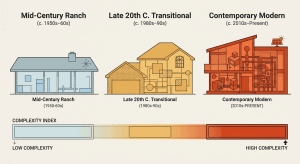 Phoenix Housing Stock Archetypes and Remodel Complexity Index 2026: Which Homes Are Hardest To Remodel
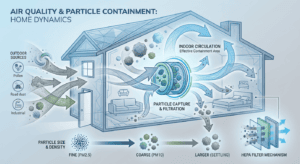 Remodel Dust Control in Phoenix, Arizona: Proving Healthy Indoor Air with HEPA, Negative Air, and Zipper Walls
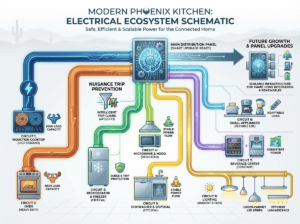 Electrical Load Readiness for Modern Kitchens in Phoenix: Circuits, Induction, and Panel Capacity in 2026