

Cabinet Construction Standards Demystified: Box Build, Finish, and Hardware — What Actually Matters for Lasting Quality
In the intricate world of home renovation, few investments carry as much weight, both literally and figuratively, as cabinetry. Far beyond mere storage units, cabinets are the functional and aesthetic backbone of kitchens, bathrooms, and other essential living spaces. With cabinets often accounting for 30-40% of a kitchen remodel's total cost, understanding the nuanced differences between construction methods, finish types, and hardware quality is not just prudent—it's essential for long-term satisfaction and value. This comprehensive report cuts through the marketing jargon to critically examine what truly defines a high-quality cabinet, ensuring your significant investment stands the test of time.
This report delves into the core components that dictate a cabinet's longevity, performance, and overall appeal: the fundamental integrity of the box construction, the protective and aesthetic properties of its finish, and the operational excellence of its hardware. Drawing on industry standards and research, we illuminate the critical benchmarks—from material choices like plywood versus particleboard, to the resilience of a conversion varnish, and the endurance of 200,000-cycle tested hinges. Our goal is to empower homeowners, designers, and contractors with the knowledge to make informed decisions that prevent costly mistakes and secure a durable, beautiful, and functional outcome for years to come.
Key Takeaways: What Truly Matters in Cabinet Quality
- Material Choice is Paramount: All-plywood construction offers 2-3x longer lifespan (25-30 years vs. 5-15 for particleboard/MDF), resisting moisture and holding fasteners better. Solid hardwood can exceed 50 years.
- Hardware Defines Longevity: High-end hinges (e.g., Blum soft-close) are rated for 200,000+ cycles, roughly 8x the industry standard, ensuring doors won't sag and drawers won't jam for decades.
- Finish Protects and Preserves: Premium factory-applied finishes like catalyzed conversion varnish offer superior resistance to heat, chemicals, stains, and yellowing, maintaining aesthetic integrity for years.
- Soft-Close is Standard: Full-extension, soft-close drawer glides and hinges are now expected, ensuring smooth operation and load capacities often exceeding 100+ lbs.
- Thickness and Joinery Matter: Thicker panels (¾-inch plywood) and quality joinery (dado joints, pocket screws) provide structural rigidity that prevents flexing and failing under daily use.
- KCMA Certification Ensures Rigor: Cabinets meeting KCMA A161.1 standards pass tough tests, including 25,000 door swings, 600 lbs wall cabinet load, and 15 lbs/ft² shelf loads.
1. Executive Summary
Cabinetry represents a significant and long-term investment in any kitchen or other space. It can account for a large portion of a remodeling budget, with estimates ranging from 30% to 40% of a kitchen renovation's total cost[1]. This substantial financial commitment means that the quality of cabinet construction, finish, and hardware directly affects its lifespan, functionality, and overall value. While premium cabinets may have a higher upfront cost, research shows they deliver a service life that is two to three times longer than budget alternatives[2]. This extended durability results in lower lifecycle costs and greater satisfaction over time.
The global kitchen cabinet market is a major industry, valued at approximately $144.5 billion in 2023, with projections to reach $210 billion by 2028[3]. This growth is driven by ongoing remodeling activity, continuous material innovation, and a rising demand for quality cabinetry worldwide[4]. These trends point to an increasing market expectation for improved cabinet standards, encompassing both durability and environmental considerations.
This section provides a summary of key findings regarding cabinet quality, focusing on three core aspects: box construction, finish, and hardware. It highlights how these elements contribute to the longevity, performance, and aesthetic integrity of cabinets, and how industry standards ensure their reliability. The analysis underlines the importance of making informed choices to avoid costly replacements and ensure lasting satisfaction.
1.1. Cabinet Box Construction: Foundation of Durability
The cabinet box, or carcass, forms the structural foundation of a cabinet. The materials and construction methods used for this box are critical determinants of its overall durability and lifespan. A primary distinction exists between all-plywood construction and those using particleboard or medium-density fiberboard (MDF).
- Material Choice and Lifespan: All-plywood cabinet boxes offer a significantly longer lifespan, typically lasting 25 to 30 years[5]. Plywood's layered structure provides superior resistance to warping and holds screws more effectively compared to other materials[6]. In contrast, particleboard or MDF boxes may last only 5 to 15 years under similar conditions[5]. Low-grade particleboard is particularly prone to swelling and breaking when exposed to moisture[7], a common issue in kitchen and bathroom environments. Solid hardwood cabinetry, while often more costly, can exceed 50 years with proper care[8]. This stark difference in material longevity directly impacts the long-term value of a cabinet.
- Thickness and Joinery: Beyond material, the thickness of panels and the quality of joinery are important. Premium cabinets commonly use thicker panels, such as ¾-inch plywood for frameless cabinet sides, to ensure rigidity and better fastener retention[9]. Thinner ½-inch or ⅜-inch boards, found in cheaper units, can flex and lead to loose joints. High-quality cabinets also incorporate strong joinery methods like dado joints, pocket-screw construction, or solid wood/metal corner blocks for reinforcement. Budget cabinets often rely on staples and minimal glue, which can fail over time under daily use. For example, some builder-grade cabinets have shown issues like sagging shelves and separating seams within a few years due to corner-cutting construction[10].
- Face-Frame versus Frameless: Cabinet boxes come in two primary styles: face-frame and frameless. Face-frame cabinets, common in North America, feature a solid wood frame on the front that adds structural rigidity, allowing for potentially thinner box walls. Frameless cabinets, common in European designs, lack this front frame, requiring thicker side panels (typically ¾-inch) to provide structural strength[9]. Both can offer good quality when well-made, but frameless designs generally provide 10% to 15% more storage space.
- Formaldehyde Emission Standards: Modern cabinets are also held to safety standards regarding indoor air quality. Since 2018, U.S. law (TSCA Title VI) mandates that all composite wood used in cabinets must meet strict formaldehyde emission limits (equivalent to California's CARB Phase 2, ≤0.05 ppm)[11]. This regulation has notably reduced off-gassing, addressing health concerns once associated with lower-quality particleboard.
The choice of cabinet box materials and construction provides the fundamental strength and stability necessary for a cabinet to withstand years of regular use. Ignoring these underlying aspects can lead to premature failure and additional costs.
1.2. Finish and Coatings: Protecting Appearance and Function
The finish applied to cabinets serves both aesthetic and protective functions. A high-quality finish protects the underlying material from moisture, stains, scratches, and common kitchen chemicals. Factory-applied finishes are often superior to on-site applications due to specialized coatings and controlled curing processes.
- Finish Types and Durability: Top-tier cabinet finishes, such as catalyzed conversion varnish, are chemically cured and form a hard, cross-linked surface. This provides resistance to heat, acids, and solvents[12]. These finishes are designed to withstand everyday kitchen agents like vinegar, ketchup, coffee, and even 100-proof alcohol without showing damage or discoloration after 24-hour exposure in lab tests[13]. In contrast, standard lacquer finishes can soften, stain, or yellow over time[14]. High-quality finishes also maintain integrity under heat (up to 120°F) and humidity, preventing blistering[15].
- Resistance to Yellowing and Cracking: Advanced finishes include UV inhibitors and "water white" formulations to prevent yellowing, especially important for white or light-colored cabinets[16]. They also retain a degree of elasticity even when cured hard[17], which allows them to move with the wood as it expands and contracts, preventing hairline cracks at joints. Some manufacturers utilize MDF or high-density fiberboard (HDF) for painted door panels to further mitigate cracking, as these materials are more stable than solid wood[18].
- Safety and Environmental Impact: Modern finishes align with environmental standards, often featuring low volatile organic compound (VOC) content. This reduces harsh chemical odors and prevents the release of harmful substances indoors. The U.S. TSCA Title VI regulation ensures that cabinet components themselves meet low formaldehyde emission standards, contributing to cleaner indoor air[11].
The quality of a cabinet's finish is crucial for its long-term appearance and hygiene. A durable finish minimizes maintenance needs and ensures the cabinets retain their visual appeal through daily use and environmental exposure.
1.3. Hardware and Fittings: The Components of Smooth Operation
Cabinet hardware, including hinges and drawer slides, are functional components that experience constant use. Their quality directly influences the cabinet's operational smoothness, longevity, and user experience.
- Hinge Durability and Functionality: High-end hinges, such as Blum soft-close hinges, are engineered for extended durability, rated for 200,000+ open/close cycles[19]. This translates to more than 20 years of heavy daily use, significantly surpassing the industry standard of 25,000 cycles[19]. Inexpensive generic hinges may fail after as few as 20,000 cycles[20], leading to sagging doors and misalignment. Quality hinges provide 6-way adjustability (up/down, left/right, in/out), enabling precise door alignment and gap uniformity[21]. They also offer wider opening angles (110° or more) for better access[22]. Soft-close mechanisms, once a luxury, are now a standard expectation, even in budget-friendly cabinet lines[23].
- Drawer Slide Capacity and Performance: Premium undermount drawer slides are designed for heavy loads and full extension, allowing complete access to drawer contents. These slides are typically rated for 90 to 150 pounds dynamic load[24]. For example, a Blum Tandem slide can support around 100 pounds[25]. Basic side-mount slides, found in lower-cost cabinets, often handle only 35 to 75 pounds[26] and may only offer three-quarters extension[27]. This difference ensures that drawers filled with heavy pots and pans operate smoothly without sagging or binding.
- Hidden Quality: Beyond hinges and slides, supporting hardware like shelf pins and wall cabinet mounting systems matter. KCMA-certified wall cabinets must support 600 pounds without failure[28], a proof to the strength of combining a durable box with strong mounting hardware. Lifetime warranties on hardware from reputable brands like Blum underline confidence in their longevity.
Hardware is often an overlooked aspect, but its quality directly impacts the daily usability and longevity of cabinets. High-quality hardware ensures that doors and drawers operate smoothly and reliably for decades.
1.4. The Assurance of Industry Standards and Certifications
Industry standards and certifications provide objective measures of cabinet quality, helping consumers and professionals make informed decisions amidst varying product claims.
- KCMA A161.1 Certification: The Kitchen Cabinet Manufacturers Association (KCMA) A161.1 is a prominent North American standard. Cabinets earning KCMA certification undergo rigorous testing that simulates years of use. These tests include 25,000 open-close cycles for doors and drawers, a 600-pound load test for wall cabinets, and resistance to various household chemicals for finishes[29]. Failure in any single test prevents certification, offering a reliable baseline of durability.
- Other Benchmarks: Other standards, such as the Architectural Woodwork Standards (AWS/AWI), classify cabinetry into grades like Economy, Custom, and Premium, specifying material and construction quality. For hardware, the Builders Hardware Manufacturers Association (BHMA) assigns grades based on durability, with Grade 1 representing heavy-duty performance.
- Health and Environmental Compliance: Beyond durability, standards address health and environmental concerns. The U.S. TSCA Title VI regulation, for example, mandates low formaldehyde emissions for composite wood products in cabinets[11]. Many manufacturers also pursue certifications like Greenguard Gold for indoor air quality or KCMA's Environmental Stewardship Program (ESP) for sustainable practices. These certifications are important for health-sensitive spaces (e.g., schools, healthcare) and for environmentally conscious consumers.
These standards and certifications serve as critical tools for verifying manufacturers' claims, ensuring that cabinets meet recognized performance, safety, and environmental benchmarks. They empower stakeholders to choose products that offer proven, not merely promised, quality.
1.5. Long-Term Value: Why Quality Pays Off
The initial investment in high-quality cabinets yields significant long-term benefits, primarily through extended lifespan, enhanced user satisfaction, and increased resale value of a property.
- Extended Lifespan and Lifecycle Costs: Quality cabinets minimize the need for frequent replacement, which is both costly and new. Stock cabinets typically have a lifespan of 10 to 15 years, semi-custom 15 to 25 years, and custom or premium cabinets can last 30 to 50 years or longer[30]. A hypothetical comparison shows that repeatedly replacing budget cabinets can cost 30% to 50% more over 30 years than a single investment in quality cabinets[31]. For example, Phoenix Home Remodeling notes that poor quality cabinets will lead to dissatisfaction and additional expenses down the road[32].
- Customer Satisfaction: Homeowners often experience "cheap cabinets remorse" when low-cost options peel, warp, or fail prematurely. Daily frustrations like sticky drawers or sagging shelves negatively impact living quality. A 2022 Houzz survey indicated that 94% of kitchen remodelers opted to upgrade cabinets, highlighting their importance in customer satisfaction[34].
- Resale Value and Market Perception: High-quality cabinets significantly contribute to a home's resale value. They signal a well-maintained and thoughtfully upgraded property, attracting more buyers and potentially higher offers. Realtors often highlight features like "solid wood cabinets" or "soft-close drawers" as selling points.
- Reduced Maintenance and Hassle: Durable cabinets require less repair and maintenance. This reliability is particularly beneficial in rental properties or commercial settings, where frequent use and potential rough handling necessitate strong construction. Avoiding callbacks for repairs saves time and protects the reputation of builders and remodelers.
The upfront cost of quality cabinetry is an investment in lasting functionality, beauty, and financial prudence. It prevents the need for early replacement and ensures enduring satisfaction.
1.6. Conclusion
The quality of cabinet construction, finish, and hardware are not minor details but fundamental factors that determine the long-term performance and value of cabinetry. From the choice of core materials for the box to the resilience of the finish and the durability of moving parts, each element contributes significantly to the overall lifespan and user experience. Industry standards and certifications provide critical assurance that cabinets meet objective benchmarks for performance and safety. Ultimately, investing in well-built cabinets minimizes lifecycle costs, enhances daily satisfaction, and protects property value. This comprehensive understanding of quality drivers is essential for any professional involved in specifying, selling, or installing cabinetry, ensuring that selections meet the demands of practical use and aesthetic expectations over time.

2. Cabinet Box Material Choices
The foundation of any durable cabinet system is its box construction. The materials chosen for these essential structural elements directly determine a cabinet's lifespan, its ability to withstand daily stressors, and its resistance to environmental factors like moisture and humidity. While external finishes and hardware play important roles in a cabinet's overall quality and user experience, the underlying box materials are paramount for structural integrity and long-term performance. This section details the common materials used for cabinet boxes, analyzing their properties, durability, and practical implications for homeowners and industry professionals alike.
The Foundational Role of Cabinet Box Materials
Cabinets represent a significant financial commitment in any kitchen or bathroom remodel, often accounting for 30-40% of the total budget for a kitchen renovation alone[1]. Given this substantial investment, selecting appropriate materials for the cabinet box is critical for long-term value. Premium cabinet boxes can provide a service life 2-3 times longer than budget alternatives, which results in lower lifecycle costs[2]. The durability of a cabinet box hinges primarily on the materials used in its construction. Key considerations include resistance to warping, moisture damage, and the ability to hold fasteners securely over time. Understanding these material differences allows for informed decisions that balance initial cost with expected longevity and performance.
Plywood: The Professional Standard for Durability
Plywood is widely recognized as a superior material for cabinet boxes due to its layered construction. It consists of multiple thin wood veneers bonded together with adhesive, with alternating grain directions. This cross-laminated structure imparts great strength, stability, and resistance to warping. Plywood's inherent properties make it highly suitable for applications where structural integrity and moisture resistance are important.
- Lifespan: All-plywood cabinet boxes are estimated to last approximately 25-30 years under normal use conditions[3]. This longevity significantly surpasses many other common materials.
- Moisture Resistance: Plywood performs much better than particleboard or MDF when exposed to moisture. Its layered composition helps prevent rapid swelling and delamination, which are common failure modes for less dense composite materials in damp environments[4]. In areas with high humidity or where minor water exposure is possible (e.g., under sinks), plywood maintains its structural integrity longer, widening its durability advantage over other materials[5].
- Screw-Holding Strength: The layered design of plywood provides improved screw-holding capabilities compared to materials like particleboard. This is important for securing hinges, drawer slides, and other hardware, ensuring that these components remain firmly attached over decades of use[6].
- Thickness: High-quality plywood boxes typically use 1/2-inch to 3/4-inch thick panels for sides and backs. This thickness ensures rigidity and prevents flexing, which can lead to misaligned doors or structural compromise[7]. For frameless cabinet designs, which lack a solid wood face frame, 3/4-inch plywood side panels are often essential to provide sufficient structural strength[8].
The consistent performance of plywood across these parameters makes it the preferred choice for remodelers, builders, and homeowners seeking a lasting solution. For companies such as Phoenix Home Remodeling, recommending plywood boxes aligns with their goal of providing durable solutions that avoid costly future repairs and ensure client satisfaction.
Particleboard and Medium-Density Fiberboard (MDF): Cost-Effective Alternatives
Particleboard and MDF are engineered wood products commonly used in cabinet construction, particularly in entry-level and mid-range offerings. They are made from wood fibers or wood particles bonded together with resin under heat and pressure.
Particleboard
Particleboard is made from wood chips, sawdust, and resin. It is the least expensive material for cabinet boxes.
- Lifespan: Particleboard cabinets generally have a shorter lifespan compared to plywood, ranging from 5 to 15 years[9]. This can be as low as 5-10 years in environments with significant moisture exposure[10].
- Moisture Susceptibility: A major weakness of particleboard is its poor resistance to moisture. When exposed to water, it tends to swell, lose its structural integrity, and crumble. This makes it a less suitable choice for areas prone to spills or humidity, such as under sinks or near dishwashers[11].
- Screw-Holding Strength: Particleboard has lower screw-holding strength than plywood. Fasteners can loosen over time, leading to sagging doors and drawers.
- Cost: Its low cost makes it a popular choice for budget-conscious projects or for mass-produced cabinetry.
Medium-Density Fiberboard (MDF)
MDF is produced from finer wood fibers than particleboard, resulting in a denser and smoother surface. It is often used for cabinet doors, especially painted ones, due to its smooth finish and stability.
- Lifespan: MDF cabinet boxes typically last 10-15 years, offering moderate durability[12].
- Moisture Resistance: While denser than particleboard, MDF still has limited moisture resistance compared to plywood. Prolonged exposure can cause it to swell and degrade.
- Finish Stability: MDF is highly stable and does not expand or contract like solid wood, making it an excellent substrate for painted finishes, as it prevents hairline cracks in the paint at joints[13]. This is why some manufacturers, like Hampton Bay for their Avondale line, utilize HDF (High-Density Fiberboard) for painted door panels to ensure a smooth, durable surface free from common paint cracks seen on solid wood doors[14].
- Emissions: Historically, composite woods like particleboard and MDF were a concern for formaldehyde off-gassing. However, since 2018, U.S. law (TSCA Title VI) mandates that all composite wood used in cabinets meets strict formaldehyde emission limits, equivalent to California's CARB Phase 2 standards (≤0.05 ppm)[15]. This greatly reduces health concerns associated with these materials.
Solid Wood: The Mark of Premium and Longevity
Solid wood is traditionally associated with high-end cabinetry and is used for face frames, doors, and sometimes drawer boxes. While less common for entire cabinet boxes due to cost and stability concerns (solid wood can expand and contract with humidity changes), it offers unmatched natural beauty and a very long lifespan when properly cared for.
- Lifespan: Solid hardwood cabinetry can last more than 50 years with appropriate maintenance[16]. It holds the highest durability rating among common cabinet materials.
- Aesthetics: Solid wood offers a natural grain pattern and feel that many consider aesthetically superior. It can be stained or painted to achieve various looks.
- Durability: While strong, solid wood is susceptible to changes in humidity, which can cause it to warp, crack, or expand. This is why it is used more frequently for door and drawer fronts, or as a face frame, rather than for the entire box structure, especially in modern cabinet construction where engineered wood products offer better dimensional stability.
- Cost: Solid wood is the most expensive option among cabinet materials.
Comparison of Cabinet Box Materials
The following table summarizes the key characteristics of common cabinet box materials:
| Material | Average Lifespan | Primary Advantages | Primary Disadvantages |
|---|---|---|---|
| Solid Wood | 50+ years[17] | Highest durability and aesthetic appeal | High cost, susceptible to warping with humidity changes |
| Plywood | 25-30 years[18] | High strength, moisture resistance, good screw holding | Higher cost than particleboard/MDF |
| MDF | 10-15 years[19] | Smooth surface for painting, dimensional stability | Moderate moisture resistance, lower screw holding than plywood |
| Particleboard | 5-15 years[20] | Lowest cost | Poor moisture resistance, low screw holding, short lifespan |
Construction and Joinery Methods
Beyond the raw materials, how cabinet components are assembled significantly affects the overall strength and longevity. Thicker panels and strong joinery methods create a more stable and durable cabinet box.
- Panel Thickness: Premium cabinets generally use thicker panels. High-end frameless cabinets, for example, often require 3/4-inch plywood sides to achieve adequate rigidity, preventing flexing and ensuring that the box remains square under load[21]. In contrast, budget units may use 1/2-inch or even 3/8-inch boards, which can lead to instability and early failure.
- Reinforcement: Quality cabinets incorporate solid wood or metal corner blocks within the box for reinforcement. These add crucial strength to vulnerable points. Lower-end products often rely on plastic brackets or minimal stapling, which can loosen or crack over time[22].
- Joinery Methods: The way cabinet pieces are joined is a strong indicator of craftsmanship and durability.
- Dovetail Joints: Often seen in drawer boxes, these mechanical joints create very strong, interlocking connections that are resistant to pulling apart.
- Dado Joints: Used for shelves and back panels, these grooves hold components securely.
- Mortise-and-Tenon or Pocket-Screw Joints: Found in face frames, these methods provide strong mechanical connections.
Many inexpensive cabinets, by contrast, rely on simpler methods like staples and small brads combined with glue. While these may hold initially, they are prone to loosening with repeated stress and use, especially in load-bearing areas[23].
It is important to note that a single premium feature, such as dovetail drawer boxes or soft-close hardware, does not guarantee overall quality if other aspects of the construction are substandard. Consumer Reports warns against being misled by one good feature in an otherwise poorly constructed cabinet[24]. A holistic evaluation of material, thickness, and joinery is essential.
Impact on Lifespan and Long-Term Value
The choice of cabinet box material directly impacts the lifespan and, consequently, the long-term cost-effectiveness of an installation. Budget cabinets made primarily of particleboard might last 10-15 years before showing significant wear or requiring replacement. Mid-range semi-custom cabinets often achieve 15-25 years. Custom or premium cabinets, utilizing plywood or solid wood in their construction, can last 30-50 years or even longer[25].
A hypothetical scenario illustrates the cumulative cost: a budget kitchen cabinet set costing $7,000 might need replacement every 10-15 years, totaling $14,000 to $21,000 over 30 years, not including the disruption of repeat renovations. In contrast, a premium custom cabinet installation at $20,000 might last 30+ years, potentially requiring only one refinishing costing around $3,000 at the 20-year mark. This results in a total spend of approximately $23,000 over the same period, providing 2 times the lifespan and superior performance for a comparable or slightly higher total cost[26]. This perspective highlights that the initial higher cost of quality materials can be an investment that saves money and reduces disruption over time.
Remodelers like Phoenix Home Remodeling often observe that homeowners who chose inexpensive "builder-grade" cabinets initially often face issues such as peeling laminate, loose hinges, or swollen particleboard near moisture sources within a decade[27]. These experiences confirm that materials matter for overall satisfaction and avoiding a premature overhaul. As Phoenix Home Remodeling states, "if the cabinets aren't good quality, you will definitely notice and not be happy with the issues"[28].
Environmental and Health Considerations
Modern cabinet construction also considers health and environmental impacts. Following concerns about indoor air quality, the U.S. implemented TSCA Title VI regulations in 2018. This law requires all composite wood products, including particleboard, MDF, and plywood used in cabinets, to meet stringent formaldehyde emission limits (equivalent to California's CARB Phase 2 standards, ≤0.05 ppm)[29]. This has dramatically reduced formaldehyde off-gassing from new cabinets, often by 80-90% compared to products from the 1990s. Many manufacturers now use NAF (no-added-formaldehyde) or ULEF (ultra-low emitting formaldehyde) resins to comply with these standards. This ensures that new cabinets contribute to healthier indoor environments, eliminating the strong "new cabinet smell" that was once common.
Implications for Stakeholders
For homeowners, understanding cabinet box materials means making an informed investment that ensures long-term functionality and aesthetic appeal. Choosing plywood over particleboard, for instance, can prevent premature failures, especially in moisture-prone areas.
For builders and remodelers, specifying higher-quality materials like plywood minimizes callbacks for structural issues, protects their reputation, and increases client satisfaction. Phoenix Home Remodeling, for example, emphasizes guiding clients toward cabinets with all-plywood construction and durable finishes to prevent costly redos[30].
For manufacturers, investing in improved materials and construction methods, as demonstrated by companies like Hampton Bay with their Avondale line or Fabuwood with their Q12 initiative, can differentiate their products and meet rising consumer expectations for durability and performance.
The next section will explore the various types of finishes and coatings applied to cabinet surfaces, discussing how these protect the underlying materials and contribute to both aesthetics and long-term durability.

3. Cabinet Box Construction Details
The cabinet box, or carcass, forms the fundamental structure of any cabinet unit. It provides the enclosure for storage, supports the countertop, and anchors the doors, drawers, and internal fittings. The quality of a cabinet box is not always evident at first glance, but it significantly affects the cabinet's stability, durability, and overall lifespan. Investing in a strong cabinet box from the start is important, as it can prevent costly repairs and replacements down the line. Homeowners often prioritize visual elements like door style and finish, but the underlying box construction is a critical factor determining how well the cabinet will endure daily use. Poorly constructed boxes lead to a wide array of problems, including sagging shelves, misaligned doors, drawers that stick, and structural failure, especially in moisture-prone environments like kitchens and bathrooms. These issues can surface rapidly; some budget cabinets fail within just 2-3 years, while high-quality units can last 25-30 years or even longer [2].
The global kitchen cabinet market, valued at approximately $144.5 billion in 2023, is projected to reach $210 billion by 2028, growing at a compound annual growth rate of about 7.7% [8]. This expansion is driven by a strong demand for durable and well-built cabinetry, as homeowners increasingly understand that CABINETS can account for as much as 30-40% of an entire kitchen remodel budget [1]. Therefore, the choice of materials, joinery methods, and overall design of the cabinet box represents a major financial decision with long-term consequences for both performance and aesthetics.
3.1. Material Choices for Cabinet Boxes: Plywood vs. Engineered Wood
The material used for the cabinet box panels is perhaps the single most important factor determining its durability and resistance to environmental factors such as moisture and temperature fluctuations. There are three primary materials used: plywood, particleboard, and medium-density fiberboard (MDF).
- Plywood: Plywood consists of multiple thin layers (plies) of wood veneer glued together, with alternating grain directions. This cross-grain construction gives plywood superior stability, strength, and resistance to warping compared to solid wood or engineered wood products [2]. Plywood also holds screws and other fasteners much better than particleboard or MDF, which is critical for securing hinges, drawer slides, and cabinet hangers (hanging strips). Industry sources estimate that all-plywood cabinet boxes can last 25-30 years [2]. In humid conditions or areas susceptible to minor water exposure (e.g., under a sink), plywood performs significantly better than particleboard, which can swell and degrade quickly when wet [2]. For these reasons, plywood is considered the professional standard for structural longevity in high-quality cabinets [2]. Additionally, modern plywood often uses low-formaldehyde or no-added-formaldehyde (NAF) resins, meeting strict indoor air quality standards like CARB Phase 2 and TSCA Title VI [13].
- Particleboard: Particleboard is made from wood particles (chips, sawdust, shavings) mixed with resin and pressed into sheets. It is the least expensive and least durable option for cabinet boxes. Its primary weaknesses are poor moisture resistance and low screw-holding capacity. When exposed to water, particleboard readily absorbs it, causing it to swell, delaminate, and lose its structural integrity [2]. Screws in particleboard can strip out easily, leading to loose hinges and drawer slides. Cabinets made from particleboard typically have a shorter lifespan, ranging from 5-15 years, with the lower end of that range common in moisture-prone environments [2].
- Medium-Density Fiberboard (MDF): MDF is also an engineered wood product, but it is made from very fine wood fibers compressed with resin, creating a denser and more uniform board than particleboard. MDF offers a smoother surface, which is good for painted finishes, and is generally more stable than particleboard. However, it still falls short of plywood in terms of moisture resistance and screw-holding strength, although it performs better than particleboard in these areas. MDF cabinet boxes typically last 10-15 years [5]. Interestingly, some manufacturers use MDF or high-density fiberboard (HDF) for painted door panels, even in higher-quality lines, because its stability makes it less prone to hairline cracks in the paint finish caused by wood movement [5]. This demonstrates a strategic use of engineered wood for specific cosmetic benefits where its properties excel.
The preference for plywood in demanding applications is clear. For example, the Hampton Bay "Avondale" line from Home Depot, a budget-friendly option, notably features all-plywood cabinet boxes, signaling a market shift toward better quality even at lower price points [5]. This choice directly addresses the need for better screw retention and moisture resistance, two areas where particleboard is known to fail.
The table below summarizes the typical lifespan and key characteristics of cabinet box materials:
| Material | Typical Lifespan | Moisture Resistance | Screw Holding | Structural Stability | Primary Use Cases |
|---|---|---|---|---|---|
| Plywood | 25-30 years [2] | Good | Excellent | Excellent | High-quality, long-lasting cabinets; areas with humidity |
| MDF | 10-15 years [5] | Fair | Fair | Good | Mid-range cabinets, good for painted finishes |
| Particleboard | 5-15 years [2] | Poor | Poor | Fair | Budget-level cabinets, often found in builder-grade homes |
3.2. Panel Thickness and Structural Reinforcement
Beyond the material type, the thickness of the panels and the methods of structural reinforcement are crucial for a cabinet box's long-term integrity. Thin, weak construction can lead to premature failure, regardless of the material.
- Panel Thickness: Premium cabinet boxes often use ¾-inch thick plywood panels for sides, tops, and bottoms, especially in frameless designs where these panels bear the full structural load [2]. This thickness provides superior rigidity, prevents flexing, and offers better fastener retention. In contrast, budget units may use ½-inch or even ⅜-inch thick boards, which are more prone to flexing and less stable. Back panels are also important; quality cabinets feature a full back panel that is at least ½-inch thick and securely integrated into the box, contributing to the cabinet's squareness and structural integrity. Cheaper cabinets may use a thin ¼-inch back panel or even just thin strips of wood, offering minimal support [11].
- Structural Reinforcement: Quality cabinets include additional reinforcement to ensure stability. This often involves solid wood or metal corner blocks within the box, which enhance rigidity and prevent racking (twisting out of square). These are typically glued and screwed into place. Lower-end products, however, may rely on plastic brackets or minimal stapling, which can loosen or crack over time, compromising the cabinet's structural integrity [6]. The KCMA A161.1 certification standards require wall cabinets to withstand a 600 lb load without failure [2], a proof to the importance of reinforced construction.
The implications of panel thickness and reinforcement become clear under heavy loads. A ¾-inch plywood box with strong corner blocks will easily support a heavy stone countertop or fully loaded shelves without sagging or warping. A thinner, less reinforced box, however, may start to show signs of stress (e.g., misaligned doors or popping joints) within a few years of regular use, particularly in a busy kitchen environment.
3.3. Joinery Methods: The Strength of Connections
The way individual panels and components of a cabinet box are connected, known as joinery, is another key indicator of build quality. Strong joinery ensures that the cabinet remains square and stable over its lifetime, resisting the forces of daily use and movement.
- High-Quality Joinery: For cabinet box construction, common high-quality methods include dado joints, rabbet joints, or captured backs coupled with screws and glue. A dado joint involves a channel cut into one piece of wood into which another piece fits, creating a strong mechanical interlock. Rabbet joints involve an L-shaped cut along the edge of one piece, fitting into another. These methods, especially when combined with suitable adhesives and mechanical fasteners (screws), create very strong and durable connections that resist separation. For drawer boxes, dovetail joints are widely recognized as a sign of superior craftsmanship. These interlocking, wedge-shaped joints offer strong strength and resistance to pulling forces, ensuring that drawer boxes remain intact even under heavy loads and frequent use.
- Lesser Quality Joinery: Many inexpensive cabinets rely on simpler, less strong joinery. This often includes butt joints (where two pieces are simply butted together) secured primarily with staples, small brads, or minimal screws, often with a weak adhesive. While these methods may hold initially, they are prone to working loose over time as the cabinet experiences normal stress from opening and closing doors and drawers, changes in humidity, or incidental bumps. A common failing point in such construction is the separation of front frames or cabinet sides from the bottom and back panels, leading to wobbling and instability.
Consumer Reports advises caution, noting that even if a cabinet advertises one premium feature, such as dovetail drawers or soft-close hardware, it does not guarantee overall quality if the core box construction is poor [7]. The KCMA certification, for instance, requires cabinets to withstand a 250 lb force applied to the front without joints failing [1], validating the necessity of strong joinery.
3.4. Face-Frame vs. Frameless Designs
Cabinet boxes generally come in two main design approaches: face-frame and frameless. Each has distinct characteristics that affect stability, usage, and aesthetic.
- Face-Frame Cabinets: Historically prevalent in North America, face-frame cabinets feature a solid wood frame (typically 1 ½ inches wide) attached to the front of the cabinet box. This frame serves multiple purposes:
- Structural Support: The face frame adds significant rigidity and strength to the overall cabinet structure, often allowing for slightly thinner box materials (e.g., ½-inch plywood) without compromising stability.
- Door Mounting: Doors are typically mounted to the face frame, providing a solid anchor point for hinges.
- Aesthetic: The face frame creates a traditional aesthetic, and the rails and stiles of the frame are visible when the cabinet door is closed.
While strong, face-frame cabinets historically reduce the accessibility to the interior of the cabinet somewhat, as the frame slightly obstructs the opening. This is particularly noticeable in smaller cabinet openings.
- Frameless Cabinets (European-Style): Also known as full-access cabinets, frameless designs lack a face frame. The doors are mounted directly to the sides of the cabinet box, covering nearly the entire front opening. This design offers several advantages:
- Increased Storage Space: The absence of a face frame provides approximately 10-15% more usable storage space and easier access to the cabinet interior.
- Modern Aesthetic: Frameless cabinets naturally lead to a sleek, modern aesthetic with minimal gaps between doors and drawers.
- Structural Reliance on Box: Because there is no face frame to provide rigidity, frameless cabinets require a stronger and thicker box construction. This typically means ¾-inch thick plywood or high-density engineered wood for the side panels to ensure adequate stability [2]. If a frameless cabinet uses thin panels (e.g., ½-inch or less), it can be prone to racking, wobbling, or structural failure under load.
Neither face-frame nor frameless is inherently superior; the quality of execution and materials determines their durability. A well-built frameless cabinet with ¾-inch plywood and strong joinery can be as sturdy as a face-frame cabinet. Conversely, a poorly built frameless cabinet with thin particleboard panels will be significantly less stable than an entry-level face-frame unit. For instance, the Architectural Woodwork Institute (AWI) Premium Grade, a benchmark for high-end cabinetry, specifies a minimum ¾-inch panel thickness for frameless cabinets, emphasizing the structural requirements of this design [12].
3.5. Impact on Stability and Usage
The choice of materials, panel thickness, joinery, and design (face-frame vs. frameless) profoundly affects the long-term stability and usability of cabinet boxes.
- Long-Term Stability: A cabinet box constructed with ¾-inch plywood, strong joinery (like dado and rabbet joints with screws and glue), and additional corner bracing will maintain its squareness and structural integrity for decades. This prevents issues such as doors and drawers going out of alignment, shelves sagging under weight, or the entire cabinet unit twisting and separating from walls or other cabinets. The KCMA A161.1 certification tests demand that cabinet bottoms and shelves must hold 15 pounds per square foot for seven days without excessive sagging, and wall cabinets must be able to hold 600 pounds, demonstrating the required level of stability [2].
- Resistance to Environmental Factors: Plywood boxes are significantly more resistant to moisture, which is a common problem in kitchens and bathrooms. A minor plumbing leak under a sink in a particleboard cabinet can lead to rapid swelling and total structural failure, necessitating full replacement. A plywood cabinet, while not impervious, will fare much better and may only require drying and minor repairs.
- Daily Usage Issues: Cabinets used daily in a busy kitchen experience continuous stress. Thin panels and weak joinery can lead to:
- Sagging Shelves: Over time, shelves in lower-quality cabinets may bow under the weight of dishes, canned goods, or heavy cookware.
- Loose Hardware: Screws anchoring hinges and drawer slides can become stripped in particleboard or thin MDF, causing doors to sag and drawers to stick or fall out. This is a common complaint in builder-grade cabinets that begin to fail within a few years [11].
- Misaligned Doors and Drawers: If the cabinet box itself racks or loses its square shape, doors and drawers will no longer close properly or align evenly, creating unsightly gaps and functional problems.
For stakeholders such as homeowners, builders, and remodelers like Phoenix Home Remodeling, these construction details are paramount. For homeowners, a well-built cabinet box means a kitchen that remains functional and attractive for 20-30 years or more, avoiding the "remodel regret" that comes with cheap, failing cabinets [6]. For builders and remodelers, specifying high-quality cabinet boxes prevents costly callbacks and protects their reputation. Phoenix Home Remodeling advises clients that cutting corners on cabinet quality leads to dissatisfaction and the need for premature replacements [6]. It is a fundamental principle that the structural integrity of the cabinet box is the bedrock upon which all other aspects of cabinet quality, from finish to hardware, are built. Ignoring these details results in a product that may look appealing initially but will not provide lasting value or performance.
The next section of this report will discuss the critical role of cabinet finishes and coatings, exploring how different finish types protect the cabinet from daily wear, chemical exposure, and environmental factors, and how finish quality contributes to overall durability and aesthetic appeal.

4. Hardware Quality and Durability
Hardware quality is a significant factor in the long-term performance and user experience of cabinets. While cabinet boxes and finishes determine structural integrity and appearance, hinges and drawer slides dictate daily functionality. These components endure repeated use, often supporting considerable weight. Poor quality hardware can lead to misaligned doors, sagging drawers, noisy operation, and eventual breakage, shortening the useful life of a cabinet system. Conversely, well-made hardware ensures smooth, quiet functionality for many years, even under heavy use. Cabinet quality is a major investment, accounting for up to 40% of a kitchen remodel budget[1]. Investing in durable hardware is crucial for protecting this investment and ensuring long-term satisfaction.
4.1 Importance of Hinge Quality and Cycle Testing
The hinges on cabinet doors are critical for smooth operation and maintaining door alignment. They are subjected to repetitive stress from opening and closing. The durability of hinges is often measured by cycle testing, which simulates years of use in an accelerated timeframe. High-quality hinges are designed to withstand many thousands of cycles before showing signs of wear or failure. For example, Blum soft-close hinges are rated for over 200,000 open/close cycles[7]. This is a significant difference compared to the general industry standard, which is around 25,000 cycles[7]. Some generic import hinges may fail after only about 20,000 cycles[8]. This means premium hinges can last for over 25 years of heavy daily use, while cheaper alternatives may only last a few years in a busy kitchen[7].
The Kitchen Cabinet Manufacturers Association (KCMA) A161.1 certification, a widely recognized standard, includes a test where cabinet doors and drawers must endure 25,000 open-close cycles. This test ensures the hardware and cabinet box can handle regular operation without premature wear or failure[17]. It simulates about 10 years of typical household use. However, brands like Blum offer products that exceed this minimum requirement by a factor of eight, providing greater assurance of extended durability[7].
Beyond simple open and close cycles, the design of hinges also impacts functionality. Modern European-style concealed hinges offer multi-directional adjustability. High-quality hinges typically provide 6-way adjustability (up/down, left/right, in/out)[8]. This allows installers to fine-tune the door position, ensuring even gaps and proper alignment, even if the cabinet box is not perfectly square or the wall is uneven. Cheaper hinges may only offer 2-way or 4-way adjustment, which limits the ability to achieve a precise fit. Additionally, superior hinges allow doors to open wider, often 110 degrees or more, providing better access to the cabinet interior compared to basic hinges that might only open to 90 degrees[8].
Another benefit of advanced hinge design is clip-on mounting. This feature allows for easy removal of cabinet doors, simplifying installation, cleaning, or maintenance tasks. Such features contribute to the overall usability and user satisfaction over the cabinet's lifespan.
A Swedish lab test by Testfakta in 2011 highlighted the differences in hinge quality. Three out of six tested cabinet doors failed a hinge stress test by tearing out under a 30 kg load, indicating weak hinge anchoring or poor hinge quality[9]. This demonstrates that even if hinges look similar, their internal construction and mounting strength can vary significantly, directly impacting safety and durability.
4.2 Drawer Slide Load Capacities and Extension
Drawer slides are equally important for the functionality of cabinet drawers, particularly in areas like kitchens where drawers often hold heavy items. The load capacity and extension type of drawer slides are key indicators of their quality and durability.
There are two main types of drawer slides: side-mount and undermount. Side-mount slides are visible on the sides of the drawer box when the drawer is open. They are typically found in more basic or older cabinet designs. These slides generally have a lower load capacity, often ranging from 35 to 75 pounds[10][11], and may offer only 3/4 extension, meaning the drawer does not pull out completely. This limits access to the items at the back of the drawer.
In contrast, most quality cabinets today use undermount slides. These slides are hidden beneath the drawer box, providing a cleaner aesthetic. More importantly, undermount slides typically offer full extension, allowing the drawer to pull out entirely for complete access to its contents. They also boast significantly higher dynamic load capacities, often rated for 90 to 150 pounds[11]. For example, a standard Blum Tandem slide is rated for approximately 100 pounds, with heavy-duty versions supporting up to 120 pounds[11]. This increased capacity ensures that drawers filled with heavy pots, pans, or pantry items can operate smoothly without sagging, binding, or failing.
Durability testing for drawer slides also involves cycle testing under load. KCMA-certified drawers must operate through 25,000 open-close cycles while loaded at 15 lbs/ft2, without sustaining damage or bottoming out[12][13]. This test ensures that the slides can maintain their performance over an extended period. The improved performance and load capacity of undermount slides contribute to a more positive user experience and longer product life, preventing common issues like stuck drawers or collapsed bottoms.
Table 1 provides a comparison of typical specifications for different types of drawer slides.
| Feature | Standard Side-Mount Slides | Premium Undermount Slides |
|---|---|---|
| Visibility | Visible on drawer sides | Hidden beneath drawer box |
| Extension | 3/4 extension (limited access) | Full extension (complete access) |
| Load Capacity (dynamic) | 35-75 lbs[10][11] | 90-150 lbs[11] |
| Noise Level | Can be noisy | Quiet, smooth operation |
| Soft-Close | Rarely included, often an add-on | Often built-in |
| Cost | Lower | Higher |
4.3 The Importance of Soft-Close Mechanisms
Soft-close mechanisms, once considered a luxury feature, have become a standard expectation in modern cabinetry. These mechanisms, integrated into both hinges and drawer slides, dampen the closing action, preventing doors and drawers from slamming shut. This also reduces noise but also prolongs the life of the cabinet doors, drawer boxes, and the hardware itself by minimizing impact stress.
Consumer demand has driven this shift. By the mid-2020s, even budget cabinet lines often include full-extension, soft-close drawer glides as a standard feature[14]. For instance, Home Depot's Hampton Bay Avondale line now comes equipped with full-extension soft-close drawers and concealed soft-close door hinges by default[15]. This demonstrates how soft-close technology has moved from a premium upgrade to a baseline expectation for many consumers. Over 70% of homeowners upgrading their kitchens by 2022 chose soft-close features[14], indicating its widespread appeal and perceived value. The cost of soft-close hardware has decreased with its mass adoption, making it more accessible across different price points.
The benefits of soft-close mechanisms extend beyond quiet operation. They protect cabinets from wear and tear, reducing the likelihood of chipped finishes, loose joints, or damaged contents from abrupt impacts. For homeowners, it creates a more pleasant and serene kitchen environment. For builders and remodelers like Phoenix Home Remodeling, offering cabinets with soft-close hardware meets client expectations and contributes to a perception of higher quality, which can reduce callbacks for minor hardware adjustments or wear-related issues.
4.4 Longevity and Warranty Implications of Hardware
The durability of cabinet hardware directly influences the overall lifespan of the cabinetry. Premium hinges and slides are built to last as long as, or even longer than, the cabinet box itself. Manufacturer warranties on hardware often reflect this confidence in longevity. High-quality cabinet manufacturers frequently offer lifetime warranties on their hinges and drawer slides. This practice signals their expectation that these components will function reliably for decades[16].
In contrast, budget cabinet lines may offer very limited warranties, sometimes as short as one year, particularly for hinges or other moving parts[16]. A short warranty period can be a red flag, suggesting that the manufacturer does not anticipate their hardware lasting beyond a few years of regular use. As Phoenix Home Remodeling notes, cabinets are a significant part of a remodel; if the hardware fails prematurely, it can lead to repeated repairs or even necessitate redoing the remodel, leading to customer dissatisfaction and additional costs[20].
The table below summarizes the typical warranty differences based on hardware quality.
| Hardware Quality Level | Typical Hinge Cycle Rating | Typical Drawer Slide Load Capacity | Typical Warranty |
|---|---|---|---|
| Budget/Entry-Level | ~20,000 cycles[8] | 35-75 lbs[10] | 1-year limited warranty[16] (often excludes wear & tear) |
| Mid-Range/Standard | 25,000-50,000 cycles (KCMA minimum)[17] | 75-90 lbs | 5-year to 10-year limited warranty |
| Premium/High-End | 200,000+ cycles (e.g., Blum)[7] | 90-150 lbs[11] | Lifetime warranty[16] |
Choosing cabinets with strong, high-performance hardware is an investment that contributes to the overall longevity and value of the kitchen. While premium hardware adds to the initial cost, it significantly reduces the likelihood of breakdowns and the associated repair or replacement expenses over the cabinet's lifespan. This aligns with the principle that higher upfront quality can lower lifecycle costs and enhance customer satisfaction, as broken hardware is a constant source of frustration. For instance, a budget cabinet set costing $7,000 might require replacement every 10-15 years, totaling $14,000-$21,000 over 30 years. In contrast, a $20,000 premium cabinet installation with durable hardware could last 30+ years, with perhaps one refinishing at $3,000, totaling $23,000. In this scenario, the premium option offers twice the lifespan for a comparable cumulative cost, delivering better performance and fewer disruptions[18][19].
4.5 The collaboration of Hardware and Cabinet Construction
Hardware quality cannot be isolated from the overall cabinet construction. Even the most durable hinges and slides require a strong foundation to function correctly for their intended lifespan. For instance, hinges mounted into thin particleboard or low-density fiberboard are prone to pulling out or becoming loose over time, regardless of the hinge's inherent quality. Plywood's layered construction offers better screw-holding strength, making it a superior material for cabinet box construction where hardware is attached[4]. This structural integrity ensures that hinges remain securely fastened, and drawer slides perform optimally under load.
Similarly, the quality of drawer boxes is critical for the long-term performance of drawer slides. Drawer boxes constructed with dovetail joints from solid wood or high-quality plywood are more rigid and durable than those joined with staples or simple butt joints. A sturdy drawer box prevents racking or shifting, which can cause slides to bind or fail. This collaboration between strong cabinet construction and high-quality hardware is what ensures a truly durable and functional cabinet system.
Therefore, when evaluating cabinet quality, it is important to consider hardware not as a standalone component but as an integral part of the entire system. Builders and remodelers, such as Phoenix Home Remodeling, understand that specifying cabinets with both high-quality construction materials and superior hardware is essential to deliver a product that stands the test of time and meets client expectations for functionality and durability. This comprehensive approach helps avoid the common complaints of sagging doors and jammed drawers that often plague lower-quality offerings. Ultimately, good hardware, when paired with solid construction, transforms a cabinet from a mere storage unit into a reliable and enjoyable fixture that contributes significantly to the overall satisfaction with a renovated space.
The next section will discuss cabinet finish and coatings, focusing on how these external layers provide protection and contribute to the overall aesthetic and longevity of cabinetry.

5. Finish and Coating Performance
The finish of a cabinet affects its appearance and protective qualities. Beyond visual appeal, a cabinet's finish shields the underlying materials from moisture, oils, and physical wear 2. High-quality finishes prevent water damage, resist scratches from daily use, and maintain their color over time 2. The durability of a cabinet is significantly influenced by the finish it receives. Factory-applied finishes are often more durable than those applied on-site. This is because manufacturers use advanced coatings and controlled curing processes, such as baking finishes under heat or ultraviolet light 2.
Conversion varnish is an example of such a finish, often used by manufacturers of good cabinets. This is a chemically cured varnish that creates a hard, cross-linked surface. This surface resists heat, acids, and solvents 2. Such finishes can withstand scrubbing, spills, and sunlight without much change for many years 2. In contrast, basic lacquer or polyurethane applied on-site often cannot handle the same wear. Lacquer can soften if a wet cloth is left on it, and oil-based polyurethanes can yellow noticeably within a few years 2. The choice of finish, therefore, is a key factor in a cabinet's longevity and appearance.
5.1 Types of Factory-Applied Finishes and Their Properties
Factory-applied finishes for cabinets offer enhanced durability and consistency compared to site-applied alternatives. One prevalent type is catalyzed conversion varnish. This finish is known for forming a thick, hard film with a solids content of 30-60%, which is higher than standard lacquer's 15-25% solids 12. Conversion varnish chemically cross-links as it cures, resulting in strong resistance to scratches, heat, and cleaning chemicals 12. This makes it a good choice for kitchen environments where cabinets face frequent exposure to moisture, food spills, and temperature fluctuations.
Despite its hardness, conversion varnish remains slightly elastic after curing 12. This elasticity helps the finish move with the natural expansion and contraction of wood, reducing the likelihood of cracking. This is particularly important for cabinet doors and frames made from solid wood. For painted cabinets, especially those in white or light colors, specific formulations of conversion varnish are used. These are called "water white" formulas and are designed to resist yellowing over time 12. This helps maintain the original color of the cabinets for extended periods.
In addition to conversion varnish, some manufacturers use other high-performance coatings, such as two-part polyurethanes. These also offer chemical resistance and UV protection to prevent discoloration. These types of finishes are oven-cured in controlled factory settings, which makes sure that the curing process is complete and uniform. This results in a tougher, more consistent finish layer than what can be achieved with air-dried, on-site applications.
For painted cabinets, some manufacturers incorporate materials like medium-density fiberboard (MDF) or high-density fiberboard (HDF) for specific components, such as door center panels 12. These engineered wood products are more stable than solid wood and react less to changes in humidity, which lowers the risk of paint cracking at the joints 12. The Hampton Bay "Avondale" cabinet line, for instance, uses HDF center panels in painted Shaker doors to prevent hairline cracks in the finish 5. This shows how material selection and finish formulation work together to achieve strong and long-lasting cabinet surfaces.
5.2 Resistance to Stains, Heat, and Wear
The performance of a cabinet finish is often measured by its resistance to common kitchen challenges, including stains, heat, and general wear. Industry standards, such as those set by the Kitchen Cabinet Manufacturers Association (KCMA), include a variety of tests to assess these properties 3.
For stain resistance, KCMA standards require finishes to withstand exposure to substances like ketchup, mustard, coffee, vinegar, and even 100-proof alcohol for 24 hours 11. After this exposure, the finish must be able to be wiped clean without showing any discoloration, blistering, or peeling 11. High-performance finishes, such as catalyzed conversion varnish, reliably pass these tests. For example, conversion varnish typically shows "no effect" after 24 hours of exposure to alcohol, whereas a standard non-catalyzed lacquer might soften or peel 11.
Heat and humidity resistance are also critical factors for kitchen cabinets. KCMA tests include exposing cabinets to temperatures of 120°F (approximately 49°C) and 70% humidity for 24 hours 11. This test ensures that the finish does not blister or delaminate under conditions that can occur near cooking appliances or in humid climates 11. A finish that performs well in these tests means that accidental spills, repeated steam from a kettle, or the heat from an oven will not cause lasting damage to the cabinet surface 11. This robustness helps maintain the cabinet's appearance and protective function over time 11.
Wear resistance is another aspect addressed by finish quality. A hard, cross-linked finish provides improved resistance to scratches, abrasions, and impacts from everyday use 2. While even the most durable finish will eventually show some wear, quality finishes tend to wear "gracefully." Minor scratches are less likely to cause large chips or peeling, and color remains consistent across the surface 2. This durability is supported by the curing processes used in factories, which create a dense, uniform layer of protection.
The table below summarizes the typical performance of different finish types against common kitchen hazards:
| Hazard | Catalyzed Conversion Varnish | Standard Lacquer | Benefit of Quality Finish |
|---|---|---|---|
| Stains (e.g., coffee, vinegar, alcohol) | No effect after 24 hours 11 | Softens, shows marks, or peels 11 | Preserves appearance, easy cleanup |
| Heat (120°F) & Humidity (70%) | No blistering or delamination 11 | Potential for blistering or peeling 11 | Prevents damage near appliances |
| Scratches & Abrasion | High resistance due to hard, cross-linked film 2 | Lower resistance, prone to chipping | Maintains smooth, intact surface |
| Yellowing (for white/light colors) | Non-yellowing "water white" formulas available 12 | Can yellow over time, especially oil-based 2 | Holds original color for longer |
| Cracking (due to wood movement) | Slight elasticity reduces cracking 12 | More prone to hairline cracks (crazing) | Maintains smooth, even texture |
This data highlights that surfaces with quality finishes are designed to withstand the rigors of an active kitchen. This directly reduces the likelihood of premature wear or damage that could necessitate costly repairs or early replacement.
5.3 Preventing Yellowing and Cracking
Two common long-term issues with cabinet finishes are yellowing and cracking. These problems can significantly detract from a cabinet's appearance. High-end finishes incorporate specific features to mitigate these effects. Yellowing is often seen with clear coats over white paint or with older oil-based finishes. This is due to exposure to ultraviolet (UV) light and chemical reactions over time 2. Quality finishes, such as conversion varnish and certain two-part polyurethanes, address this by including UV inhibitors and using "water white" formulations 12. These specialized formulas are designed to remain transparent and prevent light-colored cabinets from turning amber or yellow over many years 12.
Cracking, also known as crazing or checking, can occur as wood naturally expands and contracts with changes in temperature and humidity 12. If a finish is too rigid, it will not move with the wood, leading to small cracks, particularly at joints or panel edges. Quality finishes are formulated to retain a degree of elasticity even after they have fully cured 12. This flexibility allows the finish to adapt to slight wood movement, thereby avoiding the formation of cracks 12.
Manufacturers also employ strategies beyond the finish formulation itself to prevent cracking in painted cabinets. For example, using engineered wood products like MDF or HDF for certain components, such as the center panels of Shaker-style doors, is a common practice 5. These materials exhibit less dimensional change than solid wood in response to environmental fluctuations, which helps maintain the integrity of the paint layer and prevents hairline cracks at joints 5. This approach shows that overall finish durability is a combination of the coating itself and the stability of the substrate material 5.
For remodelers like Phoenix Home Remodeling, choosing cabinets with these advanced finish properties is important. It helps ensure client satisfaction long after the installation, reducing issues such as premature discoloration or cracks that would require touch-ups or repairs. Clients expect their new cabinets to retain their aesthetic appeal for a long time, and selecting finishes designed for stability and color retention helps meet this expectation.
5.4 Environmental and Health Considerations: Low-VOC and Formaldehyde Standards
Beyond durability and appearance, the safety and environmental impact of cabinet finishes have become important considerations. Historically, many varnishes and lacquers contained high levels of volatile organic compounds (VOCs) and sometimes formaldehyde-based hardeners, which could off-gas into indoor air 13. However, environmental regulations and consumer demand for healthier indoor spaces have driven significant changes in the industry.
Today, many cabinet manufacturers use low-VOC or no-added-formaldehyde (NAF) finishes 13. Waterborne conversion varnishes and polyurethanes are now available that reduce VOC emissions without sacrificing much in terms of performance 13. These formulations are designed to meet stricter air quality standards while still providing protective and durable surfaces.
Furthermore, the formaldehyde emissions from the composite wood materials used in cabinets (such as particleboard and MDF) are tightly regulated. In the United States, the Toxic Substances Control Act (TSCA) Title VI, implemented in June 2018, mandates stringent formaldehyde emission limits 13. This regulation aligns with California's CARB Phase 2 standards, requiring composite wood products to emit no more than 0.05 parts per million (ppm) of formaldehyde 13. This has led to an 80-90% reduction in formaldehyde emissions compared to composite wood products from the 1990s 13. New cabinets no longer carry the strong chemical odor once associated with some older products, and they pose fewer health risks related to indoor air pollution 13. Many manufacturers now use NAF or ultra-low-emitting formaldehyde (ULEF) resins to comply with these standards.
Manufacturers often seek certifications like Greenguard Gold to confirm their products meet strict chemical emission limits for healthier indoor environments. The KCMA also operates an Environmental Stewardship Program (ESP) that certifies manufacturers for responsible sourcing, recycling, and low emissions 4. These certifications are important for projects in schools, hospitals, or for clients who prioritize environmental health. For businesses like Phoenix Home Remodeling, understanding and specifying cabinets that meet these standards helps provide clients with safe and healthy living spaces while also addressing a growing consumer preference for sustainable products.
5.5 Long-Term Maintenance and Touch-Up Potential
Even with the most durable finishes, cabinet surfaces are subject to everyday wear and tear. Minor scratches or impacts are an almost unavoidable part of kitchen life. The advantage of a high-quality finish is that it typically wears in a way that is less noticeable and easier to manage 2. Good finishes resist flaking and large chips, keeping the surface more uniform even with small imperfections 2.
The ability to perform touch-ups or refinishing is another practical benefit of high-quality finishes. For instance, cabinets with a conversion varnish topcoat can often be lightly sanded and recoated years later without needing to strip the entire finish 2. This capability extends the life of the cabinets and allows for updates to the appearance without the cost and disruption of a full replacement. In contrast, cabinets with thin vinyl laminates or low-grade paint might not accept a new coat of finish effectively, leaving replacement or refacing as the only real options when the surface becomes too worn 2.
The difference in refinishing potential is a key factor in the long-term value of cabinets 15. Phoenix Home Remodeling sometimes recommends painted cabinets with oven-cured finishes because they tend to handle daily use well and offer the possibility of future repainting for style changes. This approach provides flexibility and can significantly lengthen the functional and aesthetic lifespan of the cabinets 2. Opting for quality finishes also ensures durability but also offers practical advantages for maintaining and welcome the cabinets over their decades of use.
The next section will explore into the types of hardware and fittings used in cabinets, and how their quality affects the overall functionality and durability.

6. Industry Standards and Certifications
The cabinet industry is a complex sector with many manufacturers, material suppliers, and diverse construction methods. This variety means that evaluating cabinet quality can be difficult for consumers and even for experienced professionals. Industry standards and certifications help to simplify this evaluation. They provide a common set of criteria and testing protocols to ensure that cabinets meet specific performance, durability, and safety requirements. These standards offer a reliable way to verify claims of quality and provide a baseline of expectation for product performance. They remove much of the guesswork from selecting cabinets, assuring stakeholders that the products have been tested to withstand daily use, resist damage, and adhere to environmental and health guidelines.
A global market for kitchen cabinets, valued at approximately $144.5 billion in 2023 and projected to reach $210 billion by 2028, shows a strong demand for quality and innovation across the world[8]. This growth is driven by remodeling activity and new material technologies[8]. With cabinets often accounting for 30-40% of a kitchen renovation budget, ensuring their quality is a major investment decision[1]. Certifications help protect this investment by signaling that a product has undergone rigorous, independent testing.
6.1. The Role of Certifications in Establishing Quality Baselines
Certifications are crucial because they offer an objective way to measure quality. Without them, manufacturers could make claims of durability or performance that are difficult for consumers to verify. Certifications mean a third party has tested or reviewed the product against a defined set of criteria. This process establishes a baseline of trust for architects, builders, and end-users. The existence of these standards helps to differentiate truly strong products from those that may appear similar but lack the underlying strength or durability.
6.1.1. KCMA A161.1: A Benchmark for Performance and Durability
The Kitchen Cabinet Manufacturers Association (KCMA) A161.1 standard is one of the most recognized certifications for cabinets in North America. Established in 1965, this voluntary program ensures that cabinets are independently tested for their structural integrity and finish durability[4]. Manufacturers that pass these tests can display the KCMA seal, which indicates that their products meet strict performance standards simulating years of typical household use[4].
The KCMA certification involves a series of demanding tests:
- Door and Drawer Operation Test: Cabinet doors and drawers must withstand 25,000 open-and-close cycles without failure[4]. This test simulates roughly 10-15 years of heavy daily use. For context, premium hardware like Blum soft-close hinges are rated for 200,000+ cycles, far exceeding this minimum and lasting 25+ years[2]. This difference highlights how some manufacturers go beyond the standard, but the standard provides a floor for acceptable performance.
- Static Load Test for Shelves: Cabinet shelves are required to bear a distributed load of 15 pounds per square foot for seven days without showing excessive sagging or structural failure[4]. This ensures shelves can hold heavy items like dishes, pots, and pantry goods without deforming[4].
- Impact and Stress Tests: Wall cabinets are tested to hold a static weight of 600 pounds without falling off the wall[4]. Drawer boxes are tested for strength and resistance to damage from side impacts and repetitive loads. For example, a force of 250 pounds is applied to cabinet fronts, and joints must not fail[27]. These tests are designed to ensure cabinets can withstand accidental impacts and the stresses of routine use.
- Finish Durability Tests: Finishes are exposed to common household substances like vinegar, lemon juice, ketchup, coffee, olive oil, and even 100-proof alcohol for 24 hours[11]. After exposure, the finish must show no discoloration, blistering, or delamination. Additionally, finishes are subjected to heat (120°F) and humidity (70%) for 24 hours to check for blistering or adhesion loss[11]. Quality finishes, like catalyzed conversion varnish, pass these tests easily, showing "no effect" from alcohol exposure for 24 hours, unlike standard lacquers that may soften or peel[11].
The KCMA A161.1 standard ensures cabinet boxes, finishes, and hardware can handle real-world demands. If a cabinet fails any part of these tests, it does not receive certification. This rigorous process gives specifiers and buyers confidence that certified products will perform as expected over time. For example, a direct comparison between certified and non-certified products would typically find that non-certified products using common construction methods like stapling and thin panels would fail these tests, leading to early issues like sagging shelves or loose doors.
6.1.2. Architectural Woodwork Standards (AWS/AWI)
For custom cabinetry and high-end architectural millwork, the Architectural Woodwork Standards (AWS) of the Architectural Woodwork Institute (AWI) provide a grading system. These standards classify cabinets by grades: Economy, Custom, and Premium. AWI Premium Grade, in particular, sets very high requirements for materials, joinery, and finishing quality. Many custom cabinet shops adhere to or are certified under AWI standards, especially for commercial projects or luxury residential installations. For instance, AWI Premium Grade often dictates minimum 3/4-inch panel thickness for frameless cabinets to ensure rigidity, a clear step up from the minimum required in many other standards[30].
6.1.3. Builders Hardware Manufacturers Association (BHMA)
While KCMA covers the entire cabinet, specific hardware components like hinges and drawer slides often have their own certifications. The Builders Hardware Manufacturers Association (BHMA) grades hardware based on durability and performance, with Grade 1 being the most heavy-duty and suitable for commercial or institutional use. Cabinet hardware that meets BHMA standards (e.g., Grade 1 hinges) is designed to withstand more frequent and rigorous use than ungraded or lower-grade hardware. This is particularly relevant in high-traffic environments where hardware failure can lead to significant inconvenience or safety issues.
6.2. Health and Environmental Standards
Beyond structural and finish durability, modern cabinet standards increasingly focus on health and environmental aspects. Concerns about indoor air quality and sustainable manufacturing have led to the adoption of specific regulations and certifications.
6.2.1. Formaldehyde Emission Standards (TSCA Title VI / CARB Phase 2)
A significant advancement in cabinet safety came with regulations addressing formaldehyde emissions from composite wood products. Historically, particleboard and MDF used in cabinets could off-gas substantial amounts of formaldehyde, a known indoor air pollutant. The U.S. Environmental Protection Agency (EPA) implemented the Toxic Substances Control Act (TSCA) Title VI rule in 2018, which mandates that all composite wood products (particleboard, MDF, and hardwood plywood) used in cabinets sold in the U.S. must meet strict formaldehyde emission limits[13]. These limits are equivalent to California’s pioneering Airborne Toxic Control Measure (ATCM) known as CARB Phase 2, which requires emissions to be ≤0.05 ppm[13].
This regulation has significantly reduced formaldehyde off-gassing, by an estimated 80-90% compared to older composite wood products from the 1990s. Many manufacturers now use No-Added-Formaldehyde (NAF) or Ultra-Low Emitting Formaldehyde (ULEF) resins to achieve compliance. The practical result is that the "new cabinet smell" is much less prevalent, and homeowners can be assured that their new cabinetry will not contribute significant formaldehyde to their indoor air[13]. For builders and remodelers, fulfilling these standards is a default requirement, often checked by ensuring suppliers are CARB-compliant.
6.2.2. Low-VOC Finishes and Green Certifications
In addition to regulating the wood components, standards extend to the finishes themselves. Many modern cabinet coatings are formulated to be low in Volatile Organic Compounds (VOCs). VOCs can contribute to indoor air pollution and have associated health risks. Certifications like GreenGuard Gold indicate that products meet stringent chemical emissions limits, making them suitable for sensitive environments like schools and healthcare facilities. Manufacturers increasingly highlight their use of waterborne conversion varnishes or other low-VOC polyurethane finishes as a selling point to environmentally conscious consumers.
The KCMA also offers an Environmental Stewardship Program (ESP), which certifies manufacturers based on their responsible sourcing of materials, recycling efforts, and control of emissions. These programs reflect a broader industry trend toward sustainability and meeting consumer demand for eco-friendly products[9].
6.3. The Importance of Verification Versus Marketing Claims
Certifications provide third-party verification that marketing claims are true. A manufacturer can state their cabinets are "high quality" or "built to last decades," but a KCMA seal or AWI grade provides solid evidence. Without such verification, consumers and professionals must rely solely on the manufacturer's word, which can be misleading.
A 2011 lab test by the Swedish firm Testfakta highlighted this issue by evaluating six kitchen cabinet door units from different brands. The results were surprising: three out of six cabinet doors failed a hinge stress test, where a 30 kg weight was applied to simulate a child pulling on the door. The hinges either tore out or broke, revealing weak anchoring or poor hinge quality[9]. The same three models also showed cracks in their finish when exposed to water vapor, demonstrating poor moisture resistance[9]. All cabinets had appeared similar in showrooms, but only some met strong performance standards. This test showed that a lack of stringent construction standards can lead to products that fail under common real-world conditions, even if they look good initially. Companies such as Phoenix Home Remodeling often use these independent benchmarks to help customers understand why they might recommend one cabinet line over another, emphasizing the long-term cost benefits of durability.
6.4. Implications for Stakeholders
For various stakeholders in the cabinet industry, standards and certifications offer distinct advantages:
6.4.1. For Homeowners
Certifications offer homeowners peace of mind. Knowing that a cabinet is KCMA-certified or uses CARB Phase 2 compliant materials assures them of durability and safety. This reduces the risk of costly repairs or early replacement. As Phoenix Home Remodeling notes, choosing low-quality cabinets can lead to problems that cause regret and additional expenses later on[6]. Certified cabinets translate to products that will not have wobbling hinges, separating joints, or peeling finishes after only a few years. Studies show quality products last 2-3 times longer than budget options, lowering lifecycle costs[2].
6.4.2. For Builders and Remodelers
For professionals like Phoenix Home Remodeling, specifying certified cabinets can reduce liability and the frequency of costly callbacks. A cabinet that meets industry standards is less likely to fail prematurely, protecting the remodeler’s reputation and bottom line. It provides a standardized framework for quality assurance, making it easier to integrate reliable products into construction projects. When a cabinet door sags or a finish peels within a year or two, it creates client dissatisfaction and unforeseen expenses for the builder. By choosing certified cabinets, remodelers can confidently guarantee a certain level of quality and functionality, avoiding these issues. For example, Phoenix Home Remodeling highlights that using good quality cabinets ensures the client does not have to redo parts of the remodel later because of cabinet issues[6].
6.4.3. For Manufacturers
While achieving certification involves investment in testing and possibly upgrading manufacturing processes, it often provides a significant competitive advantage. Many large projects, commercial bids, and government contracts require specific certifications. For example, Fabuwood Cabinetry, a U.S. manufacturer, leveraged its "Q12" quality program (which includes KCMA and AWI compliance) to become one of the fastest-growing brands by filling the gap between budget and high-end cabinets. This strategy educated consumers on what to look for and elevated industry expectations[28].
Compliance with environmental standards like TSCA Title VI is also a market entry requirement in many regions. Going further with certifications like GreenGuard Gold can attract eco-conscious consumers and open doors to green building projects. This global trend toward higher standards helps raise the overall quality ceiling across the industry.
6.5. Conclusion on Standards and Certifications
Industry standards and certifications are vital tools for ensuring cabinet quality. They move the conversation beyond subjective claims to objective, tested performance. From structural integrity and finish durability to health and environmental safety, these benchmarks provide specific criteria that products must meet. For homeowners, they simplify choices and protect significant investments. For professionals, they mitigate risk and uphold quality reputations. And for manufacturers, they drive innovation and provide a competitive edge in an evolving global market. By focusing on certified products, all stakeholders can be more confident that cabinets will perform as expected and maintain their value over time.
The presence of such standards is not static; they continue to evolve, integrating advances in materials science, manufacturing technology, and evolving consumer preferences for sustainability and smart home integration. This continuous improvement ensures that cabinets remain a strong and functional component of any space, providing long-term value.
The next section will explore deeper into the long-term value quality cabinets provide, detailing how initial investment translates into cost savings over the lifespan of a kitchen.
7. Safety and Environmental Standards
In the past, cabinet manufacturing processes often overlooked long-term health and environmental effects. Products sometimes contained chemicals that off-gassed into homes, impacting indoor air quality. However, public awareness and stricter regulations have driven significant changes. Today, safety and environmental considerations are critical aspects of cabinet construction. This shift has led to improved standards for chemical emissions, particularly formaldehyde, and a wider embrace of sustainable practices in manufacturing. Understanding these standards helps ensure that cabinets are also built to last but are also safe for living spaces and produced responsibly.
The Formaldehyde Challenge: TSCA Title VI and CARB Phase 2
Formaldehyde has historically been a concern in composite wood products, including particleboard and medium-density fiberboard (MDF) commonly used in cabinet construction. Formaldehyde is a colorless, strong-smelling chemical used in resins that bind wood particles together. It can be released into the air from these products, a process called off-gassing. High levels of formaldehyde exposure can cause respiratory problems, eye and skin irritation, and is classified as a human carcinogen by some health organizations.
California's Leadership: CARB Phase 2
California was leading in regulating formaldehyde emissions from composite wood products. The California Air Resources Board (CARB) developed a comprehensive regulation, the Airborne Toxic Control Measure (ATCM), which established stringent formaldehyde emission limits. CARB Phase 1 was implemented in 2009, followed by the even stricter CARB Phase 2 in 2011. CARB Phase 2 set a maximum formaldehyde emission limit of 0.05 parts per million (ppm) for hardwood plywood, 0.11 ppm for particleboard, and 0.13 ppm for MDF.
These standards were important because California is a large market, and many manufacturers adjusted their processes to meet these regulations to sell products in the state. This voluntary adoption by manufacturers effectively raised the bar for composite wood products across the industry, even outside California.
Federal Adoption: TSCA Title VI
The success and effectiveness of California's regulations led to a federal response in the United States. In 2018, the U.S. Environmental Protection Agency (EPA) implemented the Formaldehyde Emission Standards for Composite Wood Products Rule, known as TSCA Title VI (Toxic Substances Control Act Title VI)[13]. This federal rule largely adopted the CARB Phase 2 standards, making them national requirements. As of June 1, 2018, all particleboard, MDF, and plywood used in cabinets sold in the U.S. must meet these stringent formaldehyde emission limits[13]. This includes both domestically manufactured and imported products.
The impact of TSCA Title VI has been significant. It has effectively eliminated the high formaldehyde off-gassing that was common in cheaper particleboard products from the 1990s and earlier[13]. These standards reduced emissions by 80-90% compared to older composite wood materials[13]. Manufacturers now widely use no-added-formaldehyde (NAF) or ultra-low-emitting formaldehyde (ULEF) resins to comply. This means modern cabinets no longer produce the strong "new cabinet smell" previously associated with high formaldehyde levels, and they do not pose the same health concerns from off-gassing[13].
For remodelers like Phoenix Home Remodeling, ensuring that cabinets source composite wood that is compliant with TSCA Title VI is a fundamental aspect of providing safe and high-quality installations. It has become a standard expectation in the industry.
The Rise of Low-VOC Finishes
Beyond the composite wood itself, the finishes applied to cabinets can also contribute to indoor air pollution through the release of Volatile Organic Compounds (VOCs). VOCs are chemicals that evaporate at room temperature and can cause a range of health issues, from headaches and nausea to more serious long-term health problems. Traditional lacquers, varnishes, and paints often contained high levels of VOCs.
Consumer demand for healthier indoor environments and environmental regulations have driven manufacturers to reformulate their finishes. There is a strong trend toward low-VOC or even zero-VOC finishes in cabinet manufacturing. Many companies now use waterborne conversion varnishes and polyurethanes that significantly reduce VOC emissions without compromising durability. For example, catalyzed conversion varnishes, known for their hardness and resistance to chemicals, are now available in low-VOC formulations.
Manufacturers that adopt low-VOC finishes often pursue certifications like Greenguard Gold for indoor air quality. These certifications assure consumers that the products meet strict chemical emission limits, making them suitable for sensitive environments like schools and healthcare facilities, as well as homes where indoor air quality is a priority. This move toward safer finishes aligns with the broader industry trend of sustainability and health-conscious manufacturing.
Sustainable Manufacturing Practices
The cabinet industry is increasingly adopting sustainable manufacturing practices, driven by consumer demand and a global push for environmental responsibility. This includes various aspects, from material sourcing to waste reduction and energy efficiency.
Responsible Material Sourcing
One key area is the use of sustainably harvested wood and recycled content. Manufacturers are using plywood from forests managed in an environmentally sensitive way. Some companies use rapidly renewable materials or materials with certified recycled content. For instance, in 2023, the global kitchen cabinet market reached approximately $144.5 billion, and it is expected to grow to $210 billion by 2028[8], a growth partly due to material innovation and demand for custom quality cabinetry worldwide, including sustainable options[8].
Waste Reduction and Recycling
Modern cabinet factories implement strategies to minimize waste. This includes optimizing cutting patterns to reduce wood scrap, recycling sawdust and woodchips, and finding uses for leftover materials. Many facilities also recycle packaging materials, such as cardboard and plastic films.
Energy Efficiency
Manufacturers are investing in more energy-efficient equipment and processes. This can range from energy-saving machinery in the production line to using renewable energy sources for plant operations. Some companies also focus on reducing water consumption in their processes.
Certifications for Sustainability
Various programs and certifications exist to recognize manufacturers that follow sustainable practices:
- KCMA Environmental Stewardship Program (ESP): The Kitchen Cabinet Manufacturers Association (KCMA) offers the ESP program, which certifies manufacturers based on their environmentally responsible practices in areas such as air quality, product resource management, environmental stewardship, and community relations.
- Forest Stewardship Council (FSC) Certification: This certification ensures that wood products come from responsibly managed forests.
- Greenguard Gold Certification: As mentioned, this certification focuses on low chemical emissions for indoor air quality, which is a key component of sustainable and healthy building.
These programs provide a way for consumers and trade professionals to identify manufacturers committed to environmental responsibility. The global trend suggests that buyers, both residential and commercial, increasingly prioritize these factors, with many suppliers aligning with U.S. and European benchmarks for eco-friendliness[8].
Impact on the Industry and Consumers
The push for safer and more environmentally friendly cabinets has brought several benefits:
- Improved Indoor Air Quality: Reduced formaldehyde and VOC emissions mean healthier homes and workplaces. The strong chemical odors once common with new cabinets are largely gone.
- Enhanced Consumer Confidence: Certifications like KCMA's ESP, Greenguard Gold, and compliance with TSCA Title VI provide assurance that products meet rigorous safety and environmental criteria.
- Market Differentiation: For manufacturers, adopting these standards can be a competitive advantage, attracting eco-conscious consumers and being specified for projects with green building requirements.
- Innovation in Materials and Processes: The demand for safer products has spurred the development of new, more sustainable materials and finishing technologies, such as NAF resins and waterborne coatings.
For builders and remodelers, such as Phoenix Home Remodeling, understanding and specifying cabinets that meet these safety and environmental standards is not just a matter of compliance; it is a way to deliver added value to clients. Homeowners are increasingly educated about these concerns and frequently ask about indoor air quality and sustainable products. Offering cabinets that are certified for low emissions and responsible manufacturing can significantly enhance client satisfaction and trust.
In summary, safety and environmental standards have fundamentally reshaped the cabinet industry. Regulations like TSCA Title VI have drastically reduced formaldehyde emissions, making modern cabinets much safer for indoor spaces. Parallel trends toward low-VOC finishes and sustainable manufacturing practices ensure that cabinets are also durable and aesthetically pleasing but also produced and used in a way that protects health and the environment. These standards represent a crucial aspect of quality that extends beyond visible construction to impact the overall well-being of occupants and the planet.
8. Value and Longevity as an Investment
For homeowners and businesses, cabinets represent a large part of any kitchen or bath renovation budget. This investment goes beyond initial cost. The choice between budget-friendly and premium cabinets impacts long-term value, how often repairs are needed, and even the property’s resale appeal. Cabinets can account for up to 40% of a kitchen remodel budget[1]. Given this large proportion, the quality of cabinet construction directly affects the overall value of the project. Budget cabinets may offer a lower upfront cost, but quality cabinets, while more expensive initially, can have a service life two to three times longer than cheaper options[2]. This difference leads to lower costs over time.
The global kitchen cabinet market reached about $144.5 billion in 2023 and is projected to grow to $210 billion by 2028[8]. This growth, a compound annual growth rate of about 7.7%, is driven by increased remodeling activity and constant material improvements around the world[8]. This section will explore the factors that determine a cabinet’s longevity and how these factors contribute to its long-term value. We will compare the cost-effectiveness of different cabinet types, examine warranty differences, and discuss the impact of cabinet quality on renovation cycles and property resale values.
8.1 Cabinet Box Construction: Materials Determine Lifespan
The cabinet box, or carcass, is the basic structure that supports the entire unit. Its material and construction methods are key to how long the cabinet will last. Choosing the right materials for the cabinet box is the most important factor in its durability.
8.1.1 Core Materials and Their Durability
The materials used for the cabinet box directly affect its lifespan. Industry sources consistently show that all-plywood cabinet boxes last about 25 to 30 years[3]. This is much longer than the 5 to 15 years for particleboard or medium-density fiberboard (MDF) under similar use conditions[3]. Plywood offers superior resistance to moisture and better screw holding strength because of its cross-laminated layers[4]. This structure helps prevent warping and keeps the cabinet stable over time. In contrast, particleboard and low-grade MDF can swell or crumble if exposed to water, which often happens in kitchens or bathrooms where humidity levels are higher[5]. This can lead to cabinets sagging or falling apart within a few years. In high-humidity areas, the lifespan gap between plywood and particleboard cabinets can be even wider[5].
For even greater durability, solid hardwood cabinetry can last over 50 years with proper care[6]. This makes solid wood a premium choice for buyers looking for extreme longevity. The material longevity spectrum generally breaks down as follows:
- Solid Wood: 50+ years[6]
- Plywood: 25-30 years[3]
- MDF/Engineered Wood: 10-15 years[14]
- Low-Density Particleboard: 5-10 years[14]
These ranges assume normal use. Proper maintenance can extend these lifespans, while heavy use or exposure to moisture can shorten them. Therefore, the material selected for the cabinet box is a primary indicator of its potential for long-term value.
8.1.2 Panel Thickness and Internal Construction
Beyond the material type, the thickness of the panels and the quality of joinery are also vital. Budget cabinets often use thin 3/8-inch or 1/2-inch panels for sides and backs[15]. These often have minimal support, such as thin back panels and plastic corner brackets, to save costs. Such construction can cause cabinets to flex, leading to loose joints and misaligned doors. High-quality cabinets, on the other hand, use thicker 1/2-inch to 3/4-inch plywood panels throughout[15]. They also use strong joinery methods, such as dado joints or metal fasteners with glue, and reinforce corners with wood blocks or metal brackets. This sturdy construction keeps the cabinet box square and stable, even under the weight of heavy countertops or daily use.
For example, a remodeling firm noted that cheap builder-grade cabinets often show problems like sagging shelves or separating seams within a few years[11]. This is a direct result of cost-cutting in design and materials. Conversely, well-constructed cabinets maintain their integrity for decades.
8.1.3 Face-Frame versus Frameless Cabinets
There are two main cabinet box styles: face-frame and frameless. Face-frame cabinets, common in traditional North American construction, have a solid wood frame on the front of the box. This frame adds rigidity and allows for slightly thinner box walls. Frameless cabinets, common in European design, do not have this front frame. In frameless designs, the cabinet sides provide the structural strength, requiring thicker side panels, typically 3/4-inch, for stability[15]. Neither style is inherently superior if well-made. However, frameless cabinets offer about 10-15% more storage space because the door covers the entire front. The critical point for buyers is that premium frameless cabinets use thicker, stronger box construction to ensure stability. A poorly made frameless unit with thin panels could easily rack or fall apart. Homeowners should always understand the underlying construction, as a pleasing exterior will not last if the cabinet's internal structure is flimsy.
8.1.4 Joinery Methods and Their Importance
The method used to join cabinet pieces is another quality indicator. Dovetail joints in drawer boxes and mortise-and-tenon or pocket-screw joints in the cabinet frame demonstrate quality craftsmanship by forming strong mechanical bonds. Many less expensive cabinets rely on staples and small brads with some glue. While these may hold initially, they can loosen over time with frequent use of doors and drawers.
Even some budget cabinet lines have started using features like dovetail drawer boxes to appear high-end. However, Consumer Reports advises against being misled by a single premium feature if the overall cabinet construction is poor[7]. It is important to assess the entire build. This includes checking if load-bearing areas are well-supported, and if full-back panels are used instead of thin strips.
Quality standards, such as KCMA A161.1 certification, verify that joinery and construction meet a baseline[13]. For example, a certified cabinet must withstand a 250 lb force applied to its front without joint failure[13]. This gives confidence that the cabinet will not fail under daily use.
For homeowners, investing in strong cabinet construction means a kitchen that lasts without loose hinges or sagging shelves. This also supports higher resale value. For builders and remodelers, choosing well-built cabinets upfront prevents expensive callbacks to fix or replace failing units. Phoenix Home Remodeling notes that issues from cheap cabinets, such as swollen base cabinets from a minor leak or broken hinges from particleboard, cause frustration and additional costs. Quality construction is foundational for a lasting kitchen, making it a top priority in cabinet choices.
8.2 Finish and Coatings: Durable and Safe Surfaces
The finish of a cabinet affects both its appearance and its durability. A good finish protects the wood or board from moisture, oils, and general wear. It keeps water out, resists scratches, and maintains its color over time.
8.2.1 Factory-Applied Finishes and Their Benefits
Factory-applied finishes are often more durable than finishes applied on site. Manufacturers use advanced coatings and controlled curing processes, such as baking or UV light, for superior protection. For example, many high-quality cabinet makers use catalyzed conversion varnish. This chemically cured varnish forms a hard, cross-linked surface that resists heat, acids, and solvents[16]. Such a finish can withstand scrubbing, spills, and sunlight for many years. In contrast, basic lacquer or polyurethane applied on site may look good at first but often cannot endure the same daily use. Lacquer can soften with prolonged contact with moisture, and oil-based polyurethanes can yellow significantly within a couple of years.
8.2.2 Finish Durability Tests
The KCMA standard includes several finish tests to measure performance[18]. Cabinets are exposed to common kitchen substances like ketchup, mustard, coffee, vinegar, and 100-proof alcohol for 24 hours[17]. After this exposure, the finish must wipe clean without discoloration or damage[18]. A heat and humidity test requires cabinets to withstand 120°F and 70% humidity for 24 hours without blistering or delaminating[19]. High-quality finishes pass these tests easily. For example, conversion varnish shows no negative effects after 24 hours of alcohol exposure[20], while non-catalyzed lacquer may soften or peel. This means a good finish protects cabinets from spills and steam, preventing permanent stains or bubbling paint. One homeowner test showed that premium factory-finished cabinet doors resisted red wine and vinegar without staining, while a lower-end door showed slight clouding[21]. This demonstrates the importance of a strong finish in common kitchen settings.
8.2.3 Preventing Yellowing and Wear
A quality finish also means that cabinets will look good for 5 to 10 years or more. Less durable finishes can yellow, particularly clear coats over white paint, or develop micro-cracks as wood expands and contracts. Top-tier finishes address these issues through UV inhibitors and "water white" formulations that remain clear, preventing white or light-colored cabinets from turning amber[22]. These finishes also retain some elasticity even when cured hard[23], allowing them to move with the wood and prevent cracking at joints or panel edges.
For painted cabinets, some manufacturers prefer MDF or high-density fiberboard (HDF) for door center panels. These engineered woods are more stable than solid wood, reducing the likelihood of paint cracks at the joints. For instance, the Hampton Bay “Avondale” cabinet line uses HDF center panels in painted Shaker doors to prevent hairline cracks in the finish[24]. This shows that quality cabinet manufacturing involves selecting the right material for each part and applying a durable coating to ensure a smooth, lasting finish.
8.2.4 Low-VOC and Safe Finishes
In the past, cabinet finishes often contained high levels of volatile organic compounds (VOCs) and sometimes formaldehyde. These could release harmful gases into a home. Today, environmental regulations and consumer demand have led the industry to use low-VOC or no-added-formaldehyde finishes. Waterborne conversion varnishes and polyurethanes significantly reduce VOC emissions while maintaining durability. Additionally, U.S. law, specifically TSCA Title VI, now requires composite wood in cabinets to meet strict formaldehyde emission limits, equivalent to California’s CARB Phase 2 (0.05 ppm or less)[25]. This has drastically reduced formaldehyde off-gassing, improving indoor air quality. Manufacturers often use NAF (no-added-formaldehyde) resins or ultra-low emitting formulations to meet these standards. This means new cabinets no longer have a strong chemical odor, addressing health concerns. Builders and remodelers now largely ensure their suppliers are CARB compliant, making it a standard requirement.
Even the best finishes will eventually show some wear. However, high-quality finishes wear gracefully; minor scratches do not cause large chips, and colors fade evenly. They are also easier to touch up. Cabinets with a conversion varnish topcoat can often be lightly sanded and recoated years later without fully stripping the finish. Cheaper cabinets with thin vinyl laminates or low-grade paint may not be able to be refinished, requiring replacement or refacing. Phoenix Home Remodeling and other experts often recommend painted cabinets with oven-cured finishes because they handle daily use well and can be repainted for style changes. The finish is a key part of cabinet quality, protecting the investment and ensuring cabinets remain presentable and safe for years.
8.3 Hardware and Fittings: The Essential Components of Cabinet Quality
Hardware may seem like a small detail, but it is critical to a cabinet’s function and longevity. Every time a cabinet door or drawer is used, the hardware is engaged. Poor-quality hardware can lead to sagging doors, sticking drawers, and early failure, while high-quality hardware ensures smooth operation for decades.
8.3.1 The Impact of Quality Hardware
Cheap cabinets often cut costs by using thin, weak hinges and drawer slides that fail over time. In contrast, superior hardware significantly improves the feel and function of any cabinet. Good hinges and slides ensure that doors stay aligned and drawers glide effortlessly, even under heavy loads. They also provide features like soft-closing mechanisms, which prevent slamming and extend the life of both the hardware and the cabinet. Hardware has moving parts, so its durability varies widely. Premium brands such as Blum emphasize rigorous testing. For example, Blum soft-close hinges are rated for over 200,000 open/close cycles, which is about eight times the industry standard of 25,000 cycles[10]. This translates to more than 25 years of heavy daily use. In comparison, some generic hinges may fail after just 20,000 cycles[11], which could be as little as a few years in a busy kitchen. This difference in hardware longevity greatly influences whether a cabinet set feels solid or becomes rickety over time.
8.3.2 Hinges: More Than Just Opening and Closing
European-style cup hinges are now the standard for cabinets. However, not all are equally made. High-quality hinges feature multiple adjustment screws, typically with 6-way adjustability (up/down, left/right, in/out), allowing a fine-tuned fit for doors[13]. This ensures even gaps and proper alignment, even if walls are not perfectly plumb. Cheaper hinges may only offer 2-way or 4-way adjustment, limiting precise adjustments. Higher-quality hinges also typically open wider, often 110-120 degrees, providing easier access to cabinet interiors. Some lower-end options only open about 90 degrees, which can be restrictive. Soft-close mechanisms are now standard in mid to high-end hinges and are widely expected by consumers. By 2022, over 70% of homeowners chose soft-close features for their kitchen remodels[12]. Even value-oriented lines like Home Depot’s Hampton Bay now include full-extension, soft-close drawer glides and concealed soft-close door hinges as standard features[12]. This shows a market shift where soft-close is no longer a luxury but a common expectation. For contractors and suppliers, offering soft-close is essential to meet client expectations.
8.3.3 Drawer Slides: The Support System
Drawer slides are also critical. Older or cheaper cabinets often use side-mount metal slides, which are visible when the drawer is open. These typically support less weight and may only open three-quarters of the way. Most quality cabinets today use undermount slides, which are hidden, allow full extension, and often include a soft-close feature. While more expensive, they provide superior function and aesthetics. A standard side-mount slide might hold 50-75 lbs; a high-quality undermount slide, such as a Blum Tandem, is rated for 90-150 lbs dynamic load[10]. This allows drawers to hold heavy cookware without sagging and still open smoothly. Quality slides are tested for tens of thousands of cycles under full load. After 25,000 cycles, a good drawer system must show no damage[13].
| Slide Type | Load Capacity (Dynamic) | Extension | Visibility | Typical Use |
|---|---|---|---|---|
| Standard Side-Mount | 35-75 lbs | 3/4 extension | Visible | Budget, light-duty applications |
| Undermount | 90-150 lbs | Full extension | Hidden | Mid-range to premium, heavy-duty applications |
This capability ensures that drawers remain functional for decades. Cheap slides often bind or warp under weight, leading to sticky drawers. Selecting premium undermount slides ensures smooth operation and durability.
8.3.4 Hardware as a Safety and Quality Mark
Quality hardware also plays a role in safety. Properly designed hardware and strong construction prevent overloaded shelves from failing or heavy pantry drawers from collapsing. Wall cabinets that are KCMA-certified, for instance, must hold 600 lbs without coming off the wall[13]. This test depends on the strength of the mounting hardware and the cabinet box. Shelf support pegs are another example; cheap cabinets use small plastic pins that can break, while better ones use metal pins or brackets. For businesses like Phoenix Home Remodeling, selecting cabinets with reliable hardware reduces liability and protects reputation. Companies like Blum offer lifetime warranties on their hinges and slides, reflecting confidence in their products’ longevity. Conversely, some mass-market cabinet warranties exclude hinges after just one year[14], which may indicate expected early failure. This warranty difference highlights the actual construction disparities: sturdy cabinets are backed by strong warranties, while cheaper ones shift risk to the buyer.
Hardware extends beyond hinges and slides to include drawer pulls, cabinet handles, and specialty accessories. While knobs and handles are mainly aesthetic, their sturdiness is important for frequent use. Solid metal pulls are more durable than hollow or brittle ones. Integrated lighting and electrical components, like built-in LED strips, also rely on strong hardware and circuit design for long-term function. In conclusion, quality hardware is essential for a cabinet’s longevity, safety, and daily usability. It ensures a smooth, quiet, and lasting experience, distinguishing flimsy cabinets from durable, lasting pieces.
8.4 Industry Standards and Certifications: A Mark of Quality
With many cabinet options available, industry standards provide objective quality measurements. These standards help consumers, builders, and designers make informed decisions.
8.4.1 Why Standards are Important
The Kitchen Cabinet Manufacturers Association (KCMA) standard A161.1 is a well-known benchmark in North America. Since 1965, KCMA has offered a voluntary certification program where cabinets are independently tested for structural and finish durability[13]. Manufacturers that pass these tests can use the KCMA seal, indicating that their cabinets meet strict criteria. For example, certified cabinets must endure 25,000 open-close cycles for doors and drawers, hold heavy weights on shelves for days without sagging, and resist various chemicals without damage[13]. If any test fails, the cabinet does not get certified. This process establishes a baseline of trust, reducing the risk of early failures. It allows professionals to compare quality across brands.
8.4.2 Other Quality Benchmarks
Other standards exist alongside KCMA. The Architectural Woodwork Standards (AWS/AWI) classify cabinets into grades: Economy, Custom, and Premium. High-end custom work often meets AWI Premium Grade, which requires excellent joinery, materials, and finishing[12]. Many custom cabinet shops advertise their adherence to AWI standards. In Europe, standards like FIRA Gold (UK) or EN cabinet standards ensure products meet specific performance requirements. For hardware, BHMA (Builders Hardware Manufacturers Association) grades hinges and slides, with Grade 1 being the most heavy-duty. Hardware rated Grade 1 is expected to withstand more extreme use. These certifications are especially important for commercial uses, such as in hotels or hospitals, where heavy use is common and failure can be costly.
8.4.3 Health and Environmental Standards
Modern cabinet standards also cover health and environmental aspects. The CARB Phase 2 formaldehyde emission limit, adopted nationwide in the U.S. through TSCA Title VI in 2018, requires composite wood in cabinets to be compliant[25]. Many manufacturers go further by using NAF (no added formaldehyde) boards or low-VOC finishes and obtaining certifications like Greenguard Gold for indoor air quality. These certifications ensure that new cabinets do not contribute to indoor air pollution. The trend toward sustainability has also led to programs like KCMA’s Environmental Stewardship Program (ESP), which certifies manufacturers for responsible sourcing, recycling, and low emissions. Globally, buyers care about these factors, and meeting or exceeding these standards can be a significant competitive advantage.
8.4.4 Verification versus Marketing Claims
Certifications are crucial because they rely on third-party verification, giving credibility to quality claims. Manufacturers might state their cabinets are "top quality" or "made to last 50 years," but a KCMA or AWI label provides evidence through testing or inspection. While the absence of certification does not always mean poor quality (some smaller shops may not pursue it), it places more responsibility on the buyer to assess quality. A 2011 Swedish lab test by Testfakta showed that half of the kitchen cabinet doors tested failed to meet standard tests for hinge strength and water resistance[9]. This highlights that cabinets can appear similar in a showroom but perform differently in real-world conditions. This information prompted improvements from some manufacturers. For professionals, using certified cabinets reduces liability and callbacks. Phoenix Home Remodeling, for example, prioritizes KCMA-certified and CARB-compliant cabinets to assure clients of durability and safety. For manufacturers, certification can open new markets. Industry standards help buyers look for concrete indicators like the KCMA seal, AWI grade, clear warranty terms, and compliance labels, rather than relying solely on marketing. These standards transform complex quality considerations into clear checkpoints, benefiting everyone involved in the cabinet industry.
8.5 Long-Term Value: Why Quality Cabinets Pay Off
Cabinets are a long-term investment. Replacing them is both new and expensive. Quality cabinets are designed to avoid frequent replacements, ensuring a kitchen remains functional and attractive for many years.
8.5.1 Lifespan and Replacement Cycles
The lifespan of cabinets varies significantly by quality tier. Stock cabinets, which are inexpensive and mass-produced, typically last 10-15 years before needing major repairs or replacement[26]. Semi-custom cabinets, found in the mid-range, often last 15-25 years[27]. Custom or premium cabinets, however, can last 30-50 years or even longer, often for the life of the home for many owners[28]. These figures are supported by industry observations and reflected in warranties, with many custom cabinet makers offering lifetime warranties, confident that their products will not need replacement unless aesthetic preferences change.
From a cost perspective, investing in quality upfront often yields savings long-term. If budget cabinets are purchased, they may need replacement multiple times within the lifespan of higher-quality cabinets. For example, multiple replacements of budget cabinetry can cost 30-50% more over time than a single investment in quality cabinets[29]. Phoenix Home Remodeling advises clients that spending more initially on quality cabinets helps avoid the "remodeling twice" issue where poorly made cabinets force a premature renovation.
Table 8-1 illustrates the comparative lifespans and typical annualized costs of different cabinet types over a long period. Note that these are generalized figures, and actual costs can vary depending on market conditions, maintenance, and specific product choices.
| Cabinet Type | Typical Lifespan | Initial Cost (Estimate) | Long-Term Cost (over 30 years, estimate) | Annualized Cost (Estimate) | Warranty Duration (Typical) |
|---|---|---|---|---|---|
| Budget (Stock) | 10-15 years[26] | $7,000 | $14,000 - $21,000 (2-3 replacements)[30] | $467 - $700 | 1 year[14] |
| Mid-Range (Semi-Custom) | 15-25 years[27] | $15,000 | $15,000 - $30,000 (1-2 replacements) | $500 - $1000 | 5-15 years |
| Premium (Custom) | 30-50+ years[28] | $20,000 - $30,000 | $20,000 - $33,000 (with potential refinishing at ~$3,000)[30] | $667 - $1100 | Lifetime[14] |
This table suggests that custom cabinets, despite their higher initial cost, have a comparable or even lower total cost over 30 years due to their extended lifespan and reduced need for replacement. This makes them a more cost-effective choice in the long run.
8.5.2 Customer Satisfaction and "Cheap Cabinet Remorse"
Homeowners who choose the lowest-cost cabinetry often regret their decision within a few years. Common complaints include peeling veneer, warping doors, drawers that no longer close properly, and hinges pulling out. For example, a homeowner in a tract home found cabinet laminate peeling and hardware loosening in under two years[11]. She had to plan a kitchen remodel much sooner than expected. These experiences highlight why many clients are willing to spend more for better cabinets once they understand the long-term consequences of choosing cheap options.
In remodeling surveys, cabinet quality and storage functionality are consistently ranked as top priorities above cosmetic features. A 2022 Houzz survey indicated that 94% of kitchen remodelers upgraded cabinets[10]. Homeowners aim to avoid daily frustrations like sticky drawers or sagging shelves. As Phoenix Home Remodeling states, "if the cabinets aren’t good quality, you will definitely notice and not be happy with the issues"[6]. This sentiment drives many to choose the best quality they can afford.
8.5.3 Resale Value and Market Perception
In real estate, a kitchen plays a key role in selling a home. High-quality cabinets can significantly boost a home’s appeal and resale value, while cheap or worn cabinets can detract from it. Kitchen upgrades, especially cabinet upgrades, offer one of the higher returns on investment in terms of resale value[10]. Buyers may not know cabinet brands, but they recognize solid construction: doors that hang evenly, smoothly gliding drawers, and a rich, well-preserved finish. Homes with well-maintained, quality cabinetry command higher prices and attract more buyers. In upscale markets, specific name-brand cabinetry is often mentioned in listings as a sign of quality. Even in average homes, real estate agents highlight features like "solid wood cabinets" or "soft-close drawers," because these features signify a well-built kitchen. This means that money invested in better cabinets can directly contribute to increased home value, in addition to everyday enjoyment.
8.5.4 Reduced Maintenance and Hassle
Quality cabinets also last longer but also require less maintenance and create fewer problems. Hinges remain aligned, finishes resist chipping, and shelves do not bow under normal loads. This reliability is especially important for rental properties or commercial settings, where frequent use and potential wear and tear are higher. For instance, a property manager might opt for cabinets with plywood boxes and durable laminate finishes, expecting them to withstand heavy use for many years, thus minimizing downtime and repair calls. The higher initial cost is offset by savings in maintenance and tenant satisfaction. For business owners, sturdy cabinetry ensures uninterrupted operations and a professional appearance for clients.
For contractors, selecting quality reduces warranty claims and protects their professional reputation. No remodeler wants calls about cabinet doors falling off their hinges after a few months. Quality construction prevents these embarrassing and costly situations. The shift away from "builder-grade" cabinets, often made with particleboard and thin finishes that fail quickly, illustrates this point. Many homeowners find themselves renovating kitchens in under 10 years because builder-grade cabinets do not age well[11]. Some builders now offer upgrade packages or use sturdier, CARB-compliant materials to ensure longevity. Companies like Fabuwood Cabinetry, which focuses on providing semi-custom cabinets with plywood boxes, dovetail drawers, and premium hardware that meet KCMA and AWI standards, demonstrate this market shift. Customers now expect cabinets that feel solid and last. The lesson for all stakeholders is that cutting corners on cabinets often leads to higher costs and frustration later. Building it right the first time provides long-term value that far outweighs any initial savings from lower-quality options.
In conclusion, the decision to invest in higher-quality cabinets is a strategic one that offers considerable long-term benefits. These benefits include extended lifespan, reduced maintenance, enhanced customer satisfaction, and improved property value. Understanding the importance of materials, construction methods, finishes, hardware, and industry standards allows for an informed choice that provides value for many years. The next section will look closer at warranty implications.
References
- Consumer Reports - “Kitchen Cabinet Buying Guide.”
- IST Cabinets (Trade Blog) - “What Actually Makes a Shaker Cabinet Quality Last?”
- IST Cabinets (Trade Blog) - “What Actually Makes a Shaker Cabinet Quality Last?”
- IST Cabinets (Trade Blog) - “What Actually Makes a Shaker Cabinet Quality Last?”
- IST Cabinets (Trade Blog) - “What Actually Makes a Shaker Cabinet Quality Last?”
- Phoenix Home Remodeling - Homeowners Guide to Cabinets.
- Consumer Reports - “Kitchen Cabinet Buying Guide.”
- KCMA certification programs.
- Testfakta - “Flera köksluckor gick sönder i testet.”
- IST Cabinets (Trade Blog) - “What Actually Makes a Shaker Cabinet Quality Last?”
- ToolsRadar - “The Science Behind Blum Hinges and Their Durability.”
- EngineerFix.com - “Are Hampton Bay Avondale Cabinets Good Quality?”
- Kitchen Cabinet Manufacturers Association (KCMA) - “Cabinets Certified to Last.”
- IST Cabinets (Trade Blog) - “What Actually Makes a Shaker Cabinet Quality Last?”
- IST Cabinets (Trade Blog) - “What Actually Makes a Shaker Cabinet Quality Last?”
- IST Cabinets (Trade Blog) - “What Actually Makes a Shaker Cabinet Quality Last?”
- IST Cabinets (Trade Blog) - “What Actually Makes a Shaker Cabinet Quality Last?”
- IST Cabinets (Trade Blog) - “What Actually Makes a Shaker Cabinet Quality Last?”
- IST Cabinets (Trade Blog) - “What Actually Makes a Shaker Cabinet Quality Last?”
- IST Cabinets (Trade Blog) - “What Actually Makes a Shaker Cabinet Quality Last?”
- IST Cabinets (Trade Blog) - “What Actually Makes a Shaker Cabinet Quality Last?”
- IST Cabinets (Trade Blog) - “What Actually Makes a Shaker Cabinet Quality Last?”
- IST Cabinets (Trade Blog) - “What Actually Makes a Shaker Cabinet Quality Last?”
- EngineerFix.com - “Are Hampton Bay Avondale Cabinets Good Quality?”
- IST Cabinets (Trade Blog) - “What Actually Makes a Shaker Cabinet Quality Last?”
- Bradco Kitchens & Baths Blog - “Why Quality Kitchen Cabinets Are Worth Every Penny.”
- Bradco Kitchens & Baths Blog - “Why Quality Kitchen Cabinets Are Worth Every Penny.”
- Bradco Kitchens & Baths Blog - “Why Quality Kitchen Cabinets Are Worth Every Penny.”
- Bradco Kitchens & Baths Blog - “Why Quality Kitchen Cabinets Are Worth Every Penny.”
- IST Cabinets (Trade Blog) - “What Actually Makes a Shaker Cabinet Quality Last?”
- KCMA A161.1 Quality Certification.
9. Frequently Asked Questions
Understanding cabinet quality can be difficult for many people. There are many terms, materials, and processes. Homeowners and industry professionals often have similar questions about what truly makes a cabinet good. This section addresses common questions about cabinet construction, finishes, and hardware. It uses facts and data from the research to provide clear, direct answers. The goal is to clarify important aspects of cabinet quality, helping people make informed decisions.
What are the fundamental differences between types of cabinet construction materials?
The core material used for cabinet boxes largely determines their strength and lifespan. There are three main types of materials: plywood, particleboard, and solid wood. Each has distinct characteristics.
Plywood
Plywood is considered a professional standard for cabinet construction, especially for its structural longevity and moisture resistance. It consists of multiple thin layers of wood veneer, glued together with alternating grain directions. This cross-laminated structure provides stability and strength [2]. Key benefits include:
- Lifespan: All-plywood cabinet boxes typically last 25 to 30 years [2]. This is significantly longer than particleboard.
- Moisture Resistance: Plywood holds up well against moisture exposure. This is important in areas like kitchens and bathrooms. It does not swell or crumble easily when exposed to water, unlike particleboard [2].
- Screw Holding: Plywood offers better screw retention, ensuring that hardware like hinges and drawer slides stay securely in place over time [2].
- Rigidity: Plywood panels, especially those 1/2 to 3/4-inch thick, provide good rigidity. This prevents cabinets from flexing or racking under weight [2].
Particleboard and Medium-Density Fiberboard (MDF)
Particleboard and MDF are engineered wood products. Particleboard is made from wood chips and resin, pressed together. MDF is made from wood fibers, resulting in a denser, smoother board. These materials are often used in budget-friendly cabinets.
- Lifespan: Particleboard cabinets have a shorter average lifespan, often between 5 and 15 years, especially with exposure to moisture [2]. MDF cabinets typically last 10 to 15 years [2].
- Moisture Sensitivity: Particleboard can swell and crumble rapidly if exposed to water [2]. This makes it a poor choice for areas prone to spills or humidity. MDF is more stable than particleboard but still less resistant to moisture than plywood.
- Screw Holding: These materials have poorer screw-holding capabilities compared to plywood. Hardware can pull out over time, leading to loose doors and drawers [2].
- Cost: Particleboard and MDF are less expensive than plywood, which contributes to lower overall cabinet costs.
Solid Hardwood
Solid hardwood is used for cabinet face frames, doors, and sometimes drawer boxes. It is the most durable option.
- Lifespan: Solid hardwood cabinetry can last 50 years or more with proper care [2].
- Durability: Hardwood is very durable and resistant to wear.
- Cost: Solid hardwood is the most expensive option.
The choice of material affects also the initial cost but also the long-term cost. Premium cabinets, though more expensive upfront, can provide two to three times longer service life. This reduces lifecycle costs by avoiding frequent replacements [2]. For example, a budget cabinet set costing $7,000 might need replacement every 10 to 15 years, totaling $14,000 to $21,000 over 30 years. A premium custom cabinet install at $20,000 could last 30 or more years, possibly with one refinishing, totaling about $23,000 over the same period. The premium option offers double the lifespan for a comparable total cost [2].
How does hardware quality impact the long-term performance of cabinets?
Hardware, including hinges and drawer slides, is critical to how cabinets function day to day and their overall lifespan. High-quality hardware ensures smooth operation, durability, and a comfortable user experience. Poor quality hardware can lead to early failure and frustration.
Hinges
Quality hinges are a key component:
- Durability: High-end hinges are designed for many open-close cycles. For instance, Blum soft-close hinges are rated for 200,000+ open-close cycles. This translates to more than 25 years of heavy daily use, about eight times the industry standard of 25,000 cycles [2]. In contrast, some generic import hinges may fail after about 20,000 cycles [2].
- Adjustability: Good cabinet hinges offer 6-way adjustability. This allows for precise alignment of cabinet doors (up-down, left-right, in-out) so gaps are even and doors hang straight [2]. Cheaper hinges may offer only 2-way adjustments, making fine-tuning difficult.
- Opening Angle: Quality hinges typically open 110 degrees or more for better access to cabinet interiors [2]. Lesser hinges might open only 90 degrees, limiting access.
- Soft-Close: Soft-close mechanisms are now standard. They prevent slamming and protect the cabinet structure [5]. This feature was once a luxury but is now expected in most mid-range and higher-end cabinets.
Drawer Slides
Drawer slides support drawer boxes and ensure smooth movement:
- Load Capacity: Quality undermount drawer slides can support 90 to 150 pounds of dynamic load [2]. A Blum Tandem slide, for example, is rated for about 100 pounds [2]. This means heavy items like pots and pans will not strain the slides. Standard side-mount slides, found in cheaper cabinets, often handle only 35 to 75 pounds and may only extend three-quarters of the way [2].
- Full Extension: Premium slides offer full extension, allowing the drawer to open completely so all contents are visible and accessible [2].
- Undermount Design: Most quality cabinets use undermount slides, which are hidden beneath the drawer box, improving aesthetics [2].
- Soft-Close: Like hinges, soft-close is a common feature for drawer slides, providing silent operation.
The importance of hardware is underscored by warranty differences. Quality cabinet manufacturers often provide lifetime warranties on their hardware, reflecting their confidence in its durability [2]. Budget cabinet lines may offer limited 1-year warranties, which can be a red flag regarding expected lifespan [2].
What makes a cabinet finish durable, and why is this important?
A cabinet's finish does more than improve its appearance; it protects the cabinet from daily wear, moisture, chemicals, and UV light. The quality of the finish directly impacts how long cabinets retain their look and integrity.
Types of Durable Finishes
Factory-applied finishes are generally much more durable than finishes applied onsite. This is because manufacturers use specialized coatings and controlled curing processes (like oven curing). Catalyzed conversion varnish is a top-tier finish.
- Catalyzed Conversion Varnish: This finish forms a hard, cross-linked surface. It is highly resistant to scratches, heat, and many household chemicals like vinegar, ketchup, coffee, and even 100-proof alcohol [2]. Lab tests show no damage after 24-hour exposure to these substances [2]. It maintains a degree of elasticity to prevent cracking with natural wood movement [2]. Additionally, high-quality conversion varnishes use "water white" formulas to prevent yellowing over time, especially on white or light-colored cabinets [2].
- Standard Lacquer: In contrast, standard lacquer finishes can soften, stain, or yellow over time, especially when exposed to moisture or certain chemicals [2]. They are not as resistant to heat or humidity, which can lead to blistering [2].
Testing for Finish Durability
The KCMA (Kitchen Cabinet Manufacturers Association) A161.1 standard includes rigorous finish tests [1]:
| Test | Condition | Requirement |
|---|---|---|
| Chemical Resistance | 24-hour exposure to vinegar, lemon juice, ketchup, coffee, olive oil, 100-proof alcohol | No discoloration, blistering, or peeling [2] |
| Heat and Humidity | 24 hours at 120°F (49°C) and 70% humidity | No blistering or delamination [2] |
Finishes like catalyzed conversion varnish easily pass these tests. This level of durability means everyday spills, impacts, and environmental conditions will not ruin the cabinet surfaces. It ensures cabinets remain attractive and functional for many years [2].
Safety and Environmental Considerations
Modern finishes also prioritize indoor air quality. Many companies use low-VOC (volatile organic compound) or no-added-formaldehyde finishes. In the U.S., since 2018, all composite wood used in cabinets must meet strict formaldehyde emission limits (TSCA Title VI, equivalent to California’s CARB Phase 2, ≤0.05 ppm) [2]. This has greatly reduced unhealthy off-gassing, improving safety for occupants. Builders and remodelers now primarily source CARB-compliant materials to ensure health and safety standards are met.
How do industry standards and certifications help ensure cabinet quality?
Industry standards and certifications provide objective measures of quality. They help consumers and professionals identify cabinets that meet specific performance and safety requirements. Without these standards, it would be difficult to compare claims from different manufacturers.
KCMA A161.1 Certification
The Kitchen Cabinet Manufacturers Association (KCMA) A161.1 certification is a significant benchmark in North America [1]. This voluntary certification involves rigorous independent laboratory testing:
- Durability Tests:
- Doors and drawers are cycled open and closed 25,000 times [1].
- Wall cabinets are loaded with 600 pounds without failure [1].
- Shelves bear 15 lbs/ft2 for 7 days without excessive sagging [1].
- Drawer systems are tested for 25,000 cycles with a 15 lbs/ft2 load [2].
- Cabinet joints must withstand 250 pounds of force without failing [7].
- Finish Tests: Finishes are exposed to common spills (vinegar, ketchup, coffee, alcohol) and high heat/humidity to ensure no discoloration or damage [2].
Cabinets that pass these tests receive the KCMA seal. This provides assurance that the cabinets will perform well under years of normal use [1]. It functions as a baseline for trust between manufacturers, builders, and consumers.
Other Benchmarks
- Architectural Woodwork Standards (AWS/AWI): These standards classify cabinets into grades (Economy, Custom, Premium). High-end commercial or custom residential cabinetry often adheres to AWI Premium Grade, which specifies superior joinery, materials, and finishing [12].
- BHMA (Builders Hardware Manufacturers Association): BHMA grades hardware like hinges and slides. Grade 1 indicates heavy-duty performance for frequent use.
- International Standards: In Europe, standards like FIRA Gold (UK) or EN standards serve a similar role, ensuring product performance.
Health and Environmental Standards
Modern standards also address environmental and health concerns:
- TSCA Title VI / CARB Phase 2: Mandated in the U.S. since 2018, this standard requires all composite wood (particleboard, MDF, hardwood plywood) used in cabinets to meet strict formaldehyde emission limits ( ≤0.05 ppm) [2]. This has greatly reduced indoor air pollution associated with cabinets.
- Greenguard Gold: This certification is for products that meet strict chemical emission limits for indoor air quality.
- KCMA Environmental Stewardship Program (ESP): This program certifies manufacturers based on responsible sourcing, recycling, and low emissions.
These certifications verify quality claims and ensure that products are safe and environmentally sound. They matter for schools, healthcare facilities, and eco-conscious consumers. For builders like Phoenix Home Remodeling, using certified cabinets helps reduce liability and costly callbacks. It also allows them to confidently reassure homeowners about durability and safety [6].
Why do quality cabinets represent a good long-term investment, despite higher upfront costs?
While premium cabinets cost more initially, they offer significant long-term value. This value comes from increased lifespan, fewer repairs, lasting appearance, and even higher resale value.
Extended Lifespan and Reduced Replacements
The primary benefit of quality cabinets is their durability:
- Stock Cabinets: Typically last 10-15 years [3].
- Semi-Custom Cabinets: Often last 15-25 years [3].
- Custom or Premium Cabinets: Can last 30-50+ years, often for the life of the home [3].
Replacing cabinets is a costly and new process. Investing in quality upfront avoids multiple replacements. For example, replacing budget cabinets two or three times over 30 years can end up costing more than a single purchase of premium cabinets that last the same duration [4]. A premium kitchen might cost $20,000 initially and last 30 years with one $3,000 refinishing. This totals $23,000. Basic cabinets might cost $7,000, but two replacements would cost $21,000 over 30 years, plus the disruption of three projects instead of one [4]. Phoenix Home Remodeling notes that poor quality cabinets lead to unhappiness and more spending later [6].
Improved User Experience and Satisfaction
Quality cabinets deliver better daily use:
- Smooth Operation: High-end hinges and drawer slides ensure silent, effortless operation for decades [2].
- Durability: Strong box construction (e.g., plywood) prevents sagging shelves, warped doors, and broken joints [2].
- Appearance Retention: Durable finishes resist stains, scratches, and yellowing, keeping cabinets looking new for longer [2].
Homeowners who choose lower-cost cabinets often experience "cheap cabinets remorse." They find themselves dealing with peeling finishes, loose hardware, and sticking drawers within a few years [11]. This leads to dissatisfaction and a desire to remodel again much sooner than expected. Quality cabinets reduce maintenance and hassle, providing peace of mind.
Resale Value and Market Appeal
In real estate, a well-built kitchen significantly contributes to a home's value and appeal to buyers. High-quality cabinets are a strong selling point. They convey a sense of care and lasting value. Even if buyers do not know the specific cabinet brand, they notice solid construction, even gaps, and smooth-operating hardware. This can command a higher selling price and attract more potential buyers.
Warranty and Support
Quality cabinets typically come with longer warranties. Lifetime warranties on hardware and long warranties on boxes and finishes are common with premium products [2]. This demonstrates manufacturer confidence in their products and offers greater protection for the homeowner. Budget cabinets often come with only 1-year limited warranties [2], which shifts the risk of failure to the buyer.
Businesses like Phoenix Home Remodeling emphasize that investing in well-built cabinets avoids costly callbacks and reputational damage. It ensures lasting satisfaction for clients by providing a kitchen that functions well and looks good for many years [6].
What are the critical aspects to look for when evaluating cabinet construction quality?
When assessing cabinet quality, several factors should be examined. It is important to look beyond surface appearance.
Cabinet Box Materials and Thickness
The box construction forms the foundation of the cabinet.
- Plywood vs. Particleboard: Prioritize all-plywood construction for its superior strength, moisture resistance, and screw-holding ability [2]. Particleboard is unsuitable for wet environments and has a shorter lifespan [2].
- Panel Thickness: Look for 1/2-inch to 3/4-inch thick panels throughout the cabinet box for rigidity [2]. Thinner panels (e.g., 3/8-inch) can flex and lead to structural problems over time.
- Back Panels: Full-size back panels, especially 1/2 or 3/4-inch thick, are preferred over thin strips or hanging rails. They add structural integrity and help keep the cabinet square.
Joinery Methods
How cabinet components are joined affects their strength:
- Dovetail Joints: Essential for drawer boxes, dovetail joints create strong mechanical bonds that resist pulling apart [7].
- Mortise-and-Tenon, Dado Joints, and Strong Fasteners: In cabinet frames and boxes, these indicate better craftsmanship and durability than mere staples and glue [2].
- Reinforcements: Solid wood or metal corner blocks in the box add reinforcement [2]. Avoid plastic brackets, which can become brittle and break.
Hardware Quality and Features
Hardware is used constantly and must be durable and functional:
- Hinges: Look for well-known brands (e.g., Blum, Hettich) that are rated for high numbers of open-close cycles (e.g., 200,000+ for Blum) [2]. Ensure they offer 6-way adjustability for precise door alignment [2] and a wide opening angle (110° or more) for access [2]. Soft-close mechanisms are now standard [5].
- Drawer Slides: Undermount, full-extension drawer slides with a high load capacity (90-150 lbs) are preferred [2]. Soft-close is also expected here.
- Shelf Supports: Metal pins or clips are more durable than plastic ones. Shelves should be made of thick, stable material (e.g., 3/4-inch plywood) to prevent sagging [1].
Finish Durability and Type
The finish protects the cabinet and affects its appearance over time:
- Type of Finish: Catalyzed conversion varnish is a top choice for its resistance to chemicals, moisture, heat, and scratching [2]. Factory-applied, oven-cured finishes outperform onsite applications.
- Non-Yellowing Formulas: For white and light-colored cabinets, confirm the use of "water white" formulations to prevent yellowing over time [2].
- Finish Stability: Consider finishes that retain slight elasticity to prevent cracking as wood expands and contracts [2].
Certifications and Warranties
These provide third-party validation of quality:
- KCMA Certification: A KCMA A161.1 certified cabinet has passed rigorous performance tests for durability and finish [1].
- CARB/TSCA Title VI Compliance: Ensures composite wood materials meet strict formaldehyde emission limits, protecting indoor air quality [2].
- Warranty: Look for comprehensive warranties, especially lifetime warranties on hardware and long-term warranties on cabinet boxes and finishes [2]. A short warranty on critical components can indicate a manufacturer's lack of confidence in their product.
Evaluating these factors ensures that the cabinets chosen are also aesthetically pleasing but also strong, functional, and long-lasting. This detailed evaluation helps to prevent the regret and added expenses associated with lower-quality options.
References
- Best Kitchen Cabinet Buying Guide - Consumer Reports
- What Actually Makes a Shaker Cabinet Quality Last?
- What Actually Makes a Shaker Cabinet Quality Last?
- What Actually Makes a Shaker Cabinet Quality Last?
- What Actually Makes a Shaker Cabinet Quality Last?
- What Actually Makes a Shaker Cabinet Quality Last?
- What Actually Makes a Shaker Cabinet Quality Last?
- The Science Behind Blum Hinges and Their Durability (Technical Insight)
- Are Hampton Bay Avondale Cabinets Good Quality? - Engineer Fix
- What Actually Makes a Shaker Cabinet Quality Last?
- What Actually Makes a Shaker Cabinet Quality Last?
- What Actually Makes a Shaker Cabinet Quality Last?
- What Actually Makes a Shaker Cabinet Quality Last?
- What Actually Makes a Shaker Cabinet Quality Last?
- What Actually Makes a Shaker Cabinet Quality Last?
- Cabinets Certified to Last | KCMA
- Cabinets Certified to Last | KCMA
- Cabinets Certified to Last | KCMA
- What Actually Makes a Shaker Cabinet Quality Last?
- Global Kitchen Cabinet Market Poised for Significant Growth to Reach $210 Billion by 2028 | Cabinetry News
- Global Kitchen Cabinet Market Poised for Significant Growth to Reach $210 Billion by 2028 | Cabinetry News
- Global Kitchen Cabinet Market Poised for Significant Growth to Reach $210 Billion by 2028 | Cabinetry News
- Top Styles and Cabinet Choices for Remodeled Kitchens
- Homeowners Guide to cabinets - Phoenix Home Remodeling
- Kitchen Renovation Spend and Hiring Climb in 2021-22
- Kitchen Renovation Spend and Hiring Climb in 2021-22
- What Actually Makes a Shaker Cabinet Quality Last?
- Best Kitchen Cabinet Buying Guide - Consumer Reports
- Global Kitchen Cabinet Market Poised for Significant Growth to Reach $210 Billion by 2028 | Cabinetry News
- Global Kitchen Cabinet Market Poised for Significant Growth to Reach $210 Billion by 2028 | Cabinetry News
- Cabinets Certified to Last | KCMA
- What Actually Makes a Shaker Cabinet Quality Last?
- What Actually Makes a Shaker Cabinet Quality Last?
- What Actually Makes a Shaker Cabinet Quality Last?
- What Actually Makes a Shaker Cabinet Quality Last?
- What Actually Makes a Shaker Cabinet Quality Last?
- What Actually Makes a Shaker Cabinet Quality Last?
- What Actually Makes a Shaker Cabinet Quality Last?
- What Actually Makes a Shaker Cabinet Quality Last?
- What Actually Makes a Shaker Cabinet Quality Last?
- The Science Behind Blum Hinges and Their Durability (Technical Insight)
- What Actually Makes a Shaker Cabinet Quality Last?
- What Actually Makes a Shaker Cabinet Quality Last?
- What Actually Makes a Shaker Cabinet Quality Last?
- What Actually Makes a Shaker Cabinet Quality Last?
- What Actually Makes a Shaker Cabinet Quality Last?
- What Actually Makes a Shaker Cabinet Quality Last?
- Are Hampton Bay Avondale Cabinets Good Quality? - Engineer Fix
- Are Hampton Bay Avondale Cabinets Good Quality? - Engineer Fix
- What Actually Makes a Shaker Cabinet Quality Last?
- What Actually Makes a Shaker Cabinet Quality Last?
- What Actually Makes a Shaker Cabinet Quality Last?
- What Actually Makes a Shaker Cabinet Quality Last?
- What Actually Makes a Shaker Cabinet Quality Last?
- What Actually Makes a Shaker Cabinet Quality Last?
- What Actually Makes a Shaker Cabinet Quality Last?
- What Actually Makes a Shaker Cabinet Quality Last?
- What Actually Makes a Shaker Cabinet Quality Last?
- What Actually Makes a Shaker Cabinet Quality Last?
- What Actually Makes a Shaker Cabinet Quality Last?
- What Actually Makes a Shaker Cabinet Quality Last?
- What Actually Makes a Shaker Cabinet Quality Last?
- What Actually Makes a Shaker Cabinet Quality Last?
- What Actually Makes a Shaker Cabinet Quality Last?
- Why Quality Kitchen Cabinets Are Worth Every Penny - Bradco Kitchens & Baths
- Why Quality Kitchen Cabinets Are Worth Every Penny - Bradco Kitchens & Baths
- What Actually Makes a Shaker Cabinet Quality Last?
- What Actually Makes a Shaker Cabinet Quality Last?
- What Actually Makes a Shaker Cabinet Quality Last?
- What Actually Makes a Shaker Cabinet Quality Last?
- What Actually Makes a Shaker Cabinet Quality Last?
- KCMA A161.1 Quality Certification.
- What Actually Makes a Shaker Cabinet Quality Last?
- Best Kitchen Cabinet Buying Guide - Consumer Reports
- Cabinets Certified to Last | KCMA
- What Actually Makes a Shaker Cabinet Quality Last?
- What Actually Makes a Shaker Cabinet Quality Last?
- What Actually Makes a Shaker Cabinet Quality Last?
- What Actually Makes a Shaker Cabinet Quality Last?
- What Actually Makes a Shaker Cabinet Quality Last?
- What Actually Makes a Shaker Cabinet Quality Last?
- What Actually Makes a Shaker Cabinet Quality Last?
- What Actually Makes a Shaker Cabinet Quality Last?
- Are Hampton Bay Avondale Cabinets Good Quality? - Engineer Fix
- What Actually Makes a Shaker Cabinet Quality Last?
- What Actually Makes a Shaker Cabinet Quality Last?
- The Science Behind Blum Hinges and Their Durability (Technical Insight)
- What Actually Makes a Shaker Cabinet Quality Last?
- What Actually Makes a Shaker Cabinet Quality Last?
- Cabinets Certified to Last | KCMA
- Cabinets Certified to Last | KCMA
- Cabinets Certified to Last | KCMA
- What Actually Makes a Shaker Cabinet Quality Last?
- Cabinets Certified to Last | KCMA
- Cabinets Certified to Last | KCMA
- Cabinets Certified to Last | KCMA
- What Actually Makes a Shaker Cabinet Quality Last?
- Flera köksluckor gick sönder i testet | Testfakta
- Why Quality Kitchen Cabinets Are Worth Every Penny - Bradco Kitchens & Baths
- Why Quality Kitchen Cabinets Are Worth Every Penny - Bradco Kitchens & Baths
- Why Quality Kitchen Cabinets Are Worth Every Penny - Bradco Kitchens & Baths
- Why Quality Kitchen Cabinets Are Worth Every Penny - Bradco Kitchens & Baths
- What Actually Makes a Shaker Cabinet Quality Last?
- KCMA A161.1 Quality Certification
- Homeowners Guide to cabinets - Phoenix Home Remodeling
- Are Hampton Bay Avondale Cabinets Good Quality? - Engineer Fix
- Are Hampton Bay Avondale Cabinets Good Quality? - Engineer Fix
- Are Hampton Bay Avondale Cabinets Good Quality? - Engineer Fix
- Are Hampton Bay Avondale Cabinets Good Quality? - Engineer Fix
- Flera köksluckor gick sönder i testet | Testfakta
- Flera köksluckor gick sönder i testet | Testfakta
- Homeowners Guide to cabinets - Phoenix Home Remodeling
- Homeowners Guide to cabinets - Phoenix Home Remodeling
- Cabinets Certified to Last | KCMA
- What Actually Makes a Shaker Cabinet Quality Last?
- What Actually Makes a Shaker Cabinet Quality Last?
- What Actually Makes a Shaker Cabinet Quality Last?
- Why Quality Kitchen Cabinets Are Worth Every Penny - Bradco Kitchens & Baths
- Why Quality Kitchen Cabinets Are Worth Every Penny - Bradco Kitchens & Baths
- Why Quality Kitchen Cabinets Are Worth Every Penny - Bradco Kitchens & Baths
- Are Hampton Bay Avondale Cabinets Good Quality? - Engineer Fix
- Are Hampton Bay Avondale Cabinets Good Quality? - Engineer Fix
- Homeowners Guide to cabinets - Phoenix Home Remodeling
- Best Kitchen Cabinet Buying Guide - Consumer Reports
- Global Kitchen Cabinet Market Poised for Significant Growth to Reach $210 Billion by 2028 | Cabinetry News
- Global Kitchen Cabinet Market Poised for Significant Growth to Reach $210 Billion by 2028 | Cabinetry News
- Flera köksluckor gick sönder i testet | Testfakta
- Kitchen Renovation Spend and Hiring Climb in 2021-22
- Kitchen Renovation Spend and Hiring Climb in 2021-22
- KCMA A161.1 Quality Certification
- What Actually Makes a Shaker Cabinet Quality Last?
- What Actually Makes a Shaker Cabinet Quality Last?
- What Actually Makes a Shaker Cabinet Quality Last?
You may also be interested in...
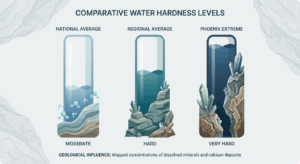 Hard Water in 2026 in Phoenix: What It Does to Bathrooms and Kitchens and How to Prevent Damage
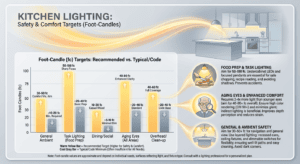 Optimizing Kitchen & Bathroom Lighting: Foot-Candle Targets, Color Temperature, and Avoiding Common Pitfalls
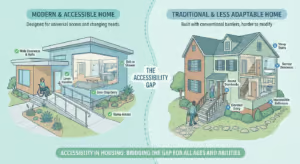 Aging-in-Place Remodeling in Phoenix: Design Standards, Real Costs, and What Actually Gets Used in the Valley of the Sun