
Bathroom Remodel Cost Reality 2026: From Phoenix Refresh to Full Gut & Curbless Showers
Embarking on a bathroom remodel in 2026 represents a significant investment for homeowners, with costs spanning a broad spectrum from a minor cosmetic refresh to an extensive, luxurious gut renovation. This comprehensive report, with a particular focus on the Phoenix, Arizona market, aims to demystify the financial realities of bathroom transformations.
We delve into three distinct budget scopes – Powder Room, Hall Bathroom, and Primary Bathroom – offering transparent cost breakdowns and crucial insights into what truly drives expenses. Our analysis will equip you with the knowledge to navigate material selections, understand labor implications, and make informed decisions, ensuring your renovated space not only meets your aesthetic and functional desires but also aligns with your financial expectations.
A central theme of this research is a detailed examination of shower systems, particularly the growing trend of curbless designs versus traditional curbed installations. We explore the cost implications, construction complexities, and long-term benefits of each, emphasizing the critical importance of durable waterproofing for lasting performance. B
eyond the shower, we dissect factors that inflate budgets, such as layout changes and premium finishes, and highlight potential swaps that can yield significant savings without compromising quality. With regional considerations for Phoenix’s hard water and typical Arizona housing styles, alongside comprehensive visual aids like budget bands and a swap matrix, this report provides an invaluable resource for anyone planning a bathroom renovation in the coming year.
Key Takeaways:
- **Bathroom remodel costs in 2026 vary widely by scope:** From under $10,000 for a refresh to $90,000+ for a luxury full gut Primary Bathroom in Phoenix.
- **Shower systems are often the largest single expense:** Understanding options like curbless vs. standard and proper waterproofing is crucial for budget control and longevity.
- **Curbless showers add complexity and cost:** Expect to pay an additional $500 to $2,000+ for curbless designs due to subfloor modifications and specialized drainage.
- **Material selection and layout changes are major cost drivers:** Premium tiles, custom cabinetry, and relocating plumbing can significantly inflate project expenses.
- **Smart swaps can save money:** Strategic material downgrades or maintaining existing layouts can reduce costs without sacrificing essential functionality.
- **Phoenix-specific factors:** Hard water protection, glass maintenance, and considering one-story layouts common in Arizona influence material and design choices.
- **Always budget for contingencies:** A 10-15% buffer is recommended for unforeseen issues like plumbing problems or structural surprises.
1. Executive Summary
Bathroom remodels in 2026 represent a significant investment for homeowners, with costs varying dramatically based on the scope, chosen materials, and regional factors. From a minor cosmetic refresh to a full, luxurious gut renovation, the price tags can range from under $10,000 to well over $90,000. In Phoenix, Arizona, the average full bathroom renovation is approximately $34,300, though typical projects range from $25,000 to $70,000 [1]. However, larger master bathrooms with premium features in the region can easily climb to $40,000-$90,000 [2]. This executive summary provides a high-level overview of these costs, delves into the primary drivers behind escalating budgets, examines the growing trend and associated costs of curbless showers, emphasizes the critical importance of proper shower system waterproofing, and highlights regional considerations unique to the Phoenix market. It also touches upon cost-saving strategies and the improving return on investment (ROI) for these projects.
1.1 The Broad Spectrum of Bathroom Remodel Costs in 2026
Bathroom remodels are not a one-size-fits-all endeavor, and their costs reflect this diversity, particularly when examining projects across various scopes from a basic refresh to a comprehensive gut renovation. In 2025-2026, the financial outlay for a bathroom transformation can be categorized into several distinct tiers, each with its own budget implications and expected outcomes.
At the most accessible end of the spectrum is the “Refresh” or minor cosmetic remodel. These projects focus on aesthetic enhancements without altering the fundamental layout or structural elements of the bathroom. Such updates typically involve repainting walls, replacing outdated fixtures like faucets and light fittings, swapping out an old vanity with a stock model, and potentially regrouting existing tile or even refinishing a bathtub. These minor remodels are often achievable for under $20,000, especially if no plumbing is moved [3]. For homeowners primarily seeking a modernized look or addressing superficial wear and tear, this approach offers significant visual impact at a controlled cost.
Stepping up in scope, partial remodels or mid-range renovations typically encompass more significant changes, such as replacing the bathtub or shower with a new insert or tiled unit, updating the toilet, installing upgraded flooring, and perhaps a new vanity with a more premium countertop. These projects, often seen in hall bathrooms, generally range from $10,000 to $25,000 nationally [4]. Phoenix-specific data aligns with this, showing many projects falling within a $7,000 to $18,000 range for a full bathroom renovation [5]. This tier represents a balance between extensive changes and budget constraints, offering a substantial upgrade without entirely reconfiguring the space.
The most comprehensive option is the full gut renovation, where the bathroom is stripped down to its studs, allowing for significant layout changes, plumbing relocation, and the installation of all-new, often higher-end materials and fixtures. These projects typically average $35,000 to $80,000 nationally [6]. In Arizona, a basic 5’x7’ hall bath might cost $18,000-$25,000, while a full, high-end primary bath can easily exceed $50,000 [7]. Master bathrooms, due to their larger size (often 80-120 sq. ft.) and the expectation of luxury features, consistently command the highest budgets. It is common for these to reach $40,000 to $60,000, with expansive or highly customized master suites pushing towards $50,000-$90,000 [2]. Such projects often include double vanities, separate showers and tubs, custom cabinetry, smart home technologies, and premium tile throughout. For instance, one Arizona remodeling firm noted that a *basic* bathroom update (no layout changes, standard fixtures) might sit at $15,000-$25,000, while a *luxury* overhaul with spa-like features could start around $30,000 and easily exceed $60,000 [8].
The cost difference between a minor refresh and a full gut is not merely additive; it’s exponential, particularly when considering labor, architectural design, and permits. A full renovation addresses hidden issues such as outdated plumbing, electrical systems not up to code, or potential water damage, providing a “new bathroom” experience from the ground up [9]. This comprehensive approach ensures longevity and allows for complete customization of the space. Homeowners are also advised to allocate a contingency budget of approximately 10-15% of the total project cost to cover unforeseen issues, such as structural repairs or mold remediation, which can arise once walls are opened [10].
The surge in renovation spending reflects evolving homeowner preferences and economic factors. The median spend on a bathroom renovation increased by 50% in one year, from $9,000 in 2021 to $13,500 in 2022 [11]. For larger primary bathrooms (over 100 sq. ft.), median expenditure reached $25,000 [12], indicating a strong trend toward more expansive and amenity-rich bathrooms. This trend, combined with inflation in material and labor costs, underscores the need for clear budgeting and scope definition early in the planning process.
1.2 Key Cost Drivers: Materials, Layout Changes, and Luxury Features
Understanding what elements disproportionately inflate bathroom remodel costs is crucial for effective budget management. Several factors stand out as primary contributors to higher expenses, often related to the level of customization, material quality, and structural changes involved.
1.2.1 Material Selection: The Price of Premium Finishes
The choice of materials is arguably the most significant cost driver. While a basic ceramic or porcelain tile might cost $2-$5 per square foot for the material, opting for high-end options like natural marble or specialty glass tiles can escalate costs to $20-$40 per square foot or more [13]. Similarly, standard factory-built vanities are relatively affordable, but custom-built cabinetry, particularly for double vanities, can significantly increase the budget, potentially adding $10,000 or more [14]. Fixtures also present a wide price range; a standard toilet averages around $375 installed, whereas a wall-mounted or smart toilet can range from $1,000 to $4,000 [15].
Luxury features such as freestanding tubs, digital shower systems, heated floors, and high-end glass enclosures can push a remodel well into the $50,000+ bracket [16]. Homeowners are increasingly incorporating premium features like rainfall showerheads (54% of remodels), dual showerheads (20%), and body sprays (16%) [17], each adding to the overall expenditure.
1.2.2 Layout Alterations and Plumbing Relocation
Any modification that involves moving plumbing, electrical lines, or altering the physical footprint of the bathroom dramatically increases costs. Relocating a toilet, shower, or sink requires opening walls and floors, rerouting pipes, and potentially updating subflooring or slab foundations. The average cost for a major plumbing rough-in during a bathroom remodel can be around $7,000 [18], not to mention the hourly rates for plumbers ($45-$200 per hour) [19] and electricians ($50-$200 per hour) [20]. Expanding the bathroom’s size, which 22% of homeowners do [21], or adding a separate tub and shower, also incurs significant expenses for demolition, new construction materials, and additional labor.
1.2.3 Labor Costs and Specialized Work
Labor typically accounts for a substantial portion of the total remodel cost, ranging from 40% to 65% [22]. Specialized tasks like custom tile work, intricate waterproofing, or structural modifications require skilled tradespeople, whose expertise comes at a premium. For instance, detailed tile patterns or installations extending to the ceiling are more labor-intensive than simpler layouts, increasing overall labor hours and costs. The complexity of projects, rather than just the square footage, dictates labor expenditure.
The table below summarizes typical cost ranges for various components:
| Component | Cost Range (National Average) | Notes |
|---|---|---|
| Minor Cosmetic Renovation | $5,000 – $15,000 | Paint, fixtures, vanity swap, no layout changes |
| Partial / Mid-Range Remodel | $10,000 – $25,000 | New tub/shower insert, vanity, toilet, flooring |
| Full Gut Renovation | $25,000 – $80,000 | Complete tear-out, layout changes possible, new everything |
| Luxury Master Suite Remodel | $45,000 – $90,000+ | Larger space, high-end materials, custom features |
| New Shower Installation | $5,000 – $20,000+ | Prefab kits vs. custom tiled walk-ins |
| Curbless Shower Premium | $1,500 – $4,000 extra | Varies with foundation type and complexity |
| Plumbing Rough-in (Major) | ~$7,000 | Relocating fixtures, extensive pipe work |
| Tile (Material & Labor) | $10 – $50 per sq. ft. | Varies significantly by tile type (ceramic vs. marble) |
| Custom Vanity | $2,500 – $10,000+ | Compared to stock vanities ($500+) |
1.3 The Curbless Shower Trend: Modern Aesthetics and Associated Premium
Curbless showers, also known as barrier-free or walk-in showers, represent a significant and growing trend in modern bathroom design. Their appeal lies in their seamless aesthetic, ease of accessibility (especially for aging-in-place and mobility-impaired individuals), and the perception of a larger, more open bathroom space. Approximately 24% of remodeled bathrooms now feature curbless showers [23], reflecting their popularity.
However, achieving this sleek, accessible design comes with an additional cost and complexity compared to traditional curbed showers. The primary challenge is ensuring proper water containment and drainage without a physical threshold. This typically necessitates modifying the subfloor to create a subtle slope (pitched at 1/4 inch per foot [24]) that directs water towards the drain, while maintaining a flush transition with the surrounding bathroom floor. To accomplish this, the shower pan area often needs to be recessed below the level of the existing subfloor.
For homes built on a concrete slab foundation, which is common for single-story residences in regions like Phoenix and other parts of Arizona [25], this involves a labor-intensive process of cutting into and lowering a section of the concrete slab [26]. This specialized work, which can involve jackhammering and intricate concrete finishing, is a major contributor to the higher cost. One experienced remodeler notes that correctly built curbless showers usually require dropping the floor by approximately 2.5 to 3 inches to accommodate the necessary mortar bed slope and waterproofing layers [27].
Consequently, curbless shower installations generally incur a premium. Angi estimates an additional $500-$700 compared to a standard curbed shower [28], but experienced contractors often report higher figures, with an additional $1,000-$3000 in labor costs for projects on slab foundations or those requiring significant floor modifications [29]. In more complex scenarios, involving drain relocation or large-format tile installations, the premium can be as high as $2,000 to $4,000 [30]. This cost also accounts for the specific components often associated with curbless designs, such as linear trench drains and enhanced waterproofing that extends further into the bathroom floor.
Despite the added expense, the benefits are substantial:
- Accessibility: Creates a barrier-free entry, crucial for aging-in-place and individuals with mobility challenges.
- Aesthetics: Provides a modern, expansive feel, making the bathroom appear larger.
- Ease of Cleaning: Fewer nooks and crannies, and less surface area for grime common with traditional curbs.
However, potential drawbacks include increased splash beyond the shower area if not adequately enclosed, and a slight reduction in shower warmth due to the open design. These can be mitigated with thoughtful design, such as strategic glass paneling or linear drains positioned near the entry. While curbless showers are an undeniable upgrade in both form and function, homeowners must weigh the aesthetic and accessibility advantages against the increased complexity and cost, ensuring that a skilled professional handles the meticulous installation required to prevent future issues.
1.4 The Imperative of Proper Shower System Waterproofing
While visible elements like tile, fixtures, and vanities capture homeowners’ attention, the integrity of a bathroom remodel, particularly within the shower area, hinges on the quality of its underlying construction and waterproofing. This foundational work, often referred to as the “shower system,” is crucial for ensuring longevity and preventing costly moisture-related problems. Industry experts unanimously emphasize that cutting corners in this area is a false economy that almost inevitably leads to leaks, mold, and extensive remediation down the line.
The shower system comprises multiple layers designed to create a watertight enclosure. It starts with a stable subfloor, followed by a properly sloped base (minimum 1/4 inch per foot towards the drain [31]), and a continuous waterproof membrane that lines the shower pan and extends up the walls [32]. Cementitious backer board or foam board, often with integrated vapor protection, serves as the substrate for tile on the walls. Crucially, it’s vital to recognize that tile and grout, contrary to common belief, are *not* waterproof [33]. Their primary role is decorative and protective against direct water impact; the true moisture barrier lies beneath.
Adherence to established professional standards, such as those detailed in the Tile Council of North America (TCNA) Handbook and ANSI A118.10 standards, is non-negotiable for a durable shower installation. These guidelines specify not only the slope requirements but also the types of membranes, methods for sealing seams and penetrations, and the extent to which waterproofing should extend beyond the immediate shower footprint, especially in curbless designs [34]. For example, curbless shower installations often require the waterproof membrane to extend at least 12 inches beyond the shower area on the bathroom floor [35].
The consequences of improper waterproofing are severe and often hidden until significant damage has occurred. Shortcuts, like using drywall in wet areas, inadequate pan sloping, or failing to properly seal corners and niches, can lead to water seeping behind the tile, compromising structural elements, and fostering mold growth. Such failures typically manifest years after the initial installation, at which point repairs can necessitate a complete tear-out and redo of the shower, essentially doubling the cost of the original project. As one remodeler bluntly states, “most shower failures stem from shortcuts in the pan or waterproofing… Once tile is installed, those mistakes are hidden until damage has occurred” [36].
Investing in quality waterproofing adds to the upfront cost, but it is a critical investment in the long-term integrity and health of the home. This includes using branded, integrated shower systems (e.g., Schluter-KERDI, Laticrete Hydro Ban, Wedi), which come with manufacturer warranties and are engineered for reliable performance. Furthermore, proper installation techniques, such as flood-testing the shower pan before tiling, ensure detection of any issues before they become permanent problems.
To summarize the importance of the shower system:
- Hidden Investment: A significant portion of the shower budget goes into unseen preparatory and waterproofing layers.
- Damage Prevention: Proper waterproofing prevents leaks, structural rot, and mold.
- Longevity: Adherence to TCNA/ANSI standards ensures the shower lasts for decades.
- Skilled Labor: Meticulous installation of waterproofing membranes, slopes, and drains requires experienced professionals.
Ultimately, while a well-built shower system might not offer the immediate visual impact of designer tiles or fixtures, its contribution to the durability, safety, and value of the bathroom remodel is paramount. Homeowners should prioritize this often-overlooked aspect of the project, understanding that it forms the foundation of a successful and enduring renovation.
1.5 Cost-Saving Strategies: Smart Swaps and DIY Opportunities
For homeowners aiming to achieve a significant bathroom upgrade without breaking the bank, strategic cost-saving measures are essential. These often involve intelligent material substitutions, retaining existing layouts, and judiciously employing DIY efforts.
1.5.1 Maximizing Existing Layout and Refinishing
One of the most impactful ways to save money is to maintain the existing bathroom layout. Moving plumbing lines for toilets, sinks, or showers requires extensive and expensive rough-in work, which can add thousands of dollars to the project. By keeping fixtures in their original locations while upgrading the fixtures themselves, homeowners can significantly reduce labor and material costs associated with structural modifications [37].
Another powerful cost-saver is refinishing rather than replacing certain elements. For instance, if an existing bathtub or tiled surface is structurally sound but cosmetically outdated, professional refinishing can revitalize its appearance for a fraction of the cost of replacement. Refinishing a typical bathroom’s tile and tub can cost around $2,500-$4,000, compared to $15,000+ for a full tear-out and retiling [38]. This strategy is particularly effective for secondary bathrooms or when the goal is a fresh look over a complete overhaul.
1.5.2 Strategic Material Choices
Thoughtful material selection allows for achieving a desired aesthetic without the premium price tag. For example, while natural marble can cost upwards of $20-$30 per square foot, high-quality ceramic or porcelain tiles can mimic the look of natural stone or wood for a fraction of the cost (typically $2-$5 per square foot for basic options) [39]. Similarly, cultured marble or quartz composite countertops offer the elegant appearance of natural stone at a more accessible price point than solid marble or granite.
Fixture selection also presents opportunities for savings. While designer faucets or high-tech shower systems can be tempting, a durable and aesthetically pleasing chrome faucet can be purchased for $50-$150, performing the same function as a model costing several hundred dollars more. Strategic splurges on one or two “wow” factors (e.g., a statement light fixture or a popular rainfall showerhead [40]) can create impact while economizing on less prominent items.
For cabinetry, opting for off-the-shelf or semi-custom vanities instead of fully custom millwork can lead to substantial savings. A typical prefab 36-inch vanity might cost a few hundred dollars, whereas a custom double vanity could add $10,000 or more to the project budget [14].
1.5.3 Judicious DIY and Savvy Shopping
Homeowners comfortable with certain tasks can save on labor costs by undertaking specific DIY projects, such as demolition, painting, or installing accessories like towel bars and mirrors. However, it is crucial to avoid technical tasks (e.g., plumbing, electrical, complex waterproofing) that could lead to costly mistakes. Furthermore, shopping during sales, clearance events, or even exploring architectural salvage yards can yield high-quality materials and unique pieces at reduced prices [41].
An often-overlooked area is energy and water efficiency. Investing in low-flow faucets, dual-flush toilets, and LED lighting not only reduces utility bills but may also qualify for rebates, offering long-term financial benefits [42].
Finally, always include a contingency fund of 10% to 15% of the total budget for unforeseen issues, such as discovering mold or rotten subflooring. This prevents budget overruns and provides peace of mind [43]. By prioritizing needs, making smart material and layout choices, and leveraging appropriate DIY efforts, homeowners can achieve a beautiful and functional bathroom remodel without compromising on essential quality, aligning their aspirations with their financial realities.
1.6 Regional Factors and Evolving Trends in Phoenix’s Bathroom Remodeling Market
Bathroom remodeling in Phoenix, Arizona, in 2026 is uniquely shaped by regional geological characteristics, specific climate conditions, and prevailing design trends. These factors not only influence aesthetic choices but also practical considerations and overall project costs.
1.6.1 Impact of Phoenix’s Hard Water
A significant regional factor in Phoenix is its extremely hard water. Municipal water supplies often report mineral hardness levels of 200-300+ parts per million (ppm) [44], which is considered “very hard.” This leads to rapid mineral buildup on fixtures, shower glass, and appliance internals. To combat this, many Phoenix remodels incorporate solutions such as:
- Water Softeners: Whole-house water softening systems (costing around $1,500 [45]) are a common upgrade, protecting all plumbing and fixtures from calcification.
- Protective Glass Coatings: Frameless shower enclosures often receive factory-applied or aftermarket protective coatings to repel water and reduce spotting.
- Fixture Selection: Specifying fixtures with robust internal components (e.g., brass valves) and easy-to-clean finishes is essential for longevity in this environment.
These considerations, while adding to the initial budget, are often seen as necessary long-term investments to mitigate maintenance issues and extend the lifespan of new installations.
1.6.2 Single-Story Layouts and Slab Foundations
Many homes in Phoenix are single-story, built on concrete slab foundations. This structural reality has particular implications for plumbing modifications and curbless shower installations. Unlike homes with raised foundations (crawl spaces), altering plumbing lines or recessing a shower pan for a curbless design involves cutting into the concrete slab, which is more labor-intensive and costly [26]. This specific challenge often adds $1,000-$2,000 or more to the cost of a curbless shower installation compared to a standard curbed version [29]. Homeowners must be aware of these potential unseen costs during the planning phase.
1.6.3 Evolving Design Trends: Shower-Centric Spaces and Universal Design
Globally, and especially in areas like Phoenix, there’s a strong shift towards shower-centric bathrooms. Many homeowners are opting to remove seldom-used bathtubs, particularly in master bathrooms, to create larger, more luxurious walk-in showers [46]. Data shows that 61% of homeowners enlarge their shower during a remodel, with nearly one in five expanding it by over 50% [23]. While most homes retain at least one tub for resale appeal (e.g., in a hall bath for families with children) [47], the master bath increasingly features expansive, spa-like showers with premium amenities. This trend aligns with the prevailing preference for daily convenience over occasional bathing.
Another dominant trend is universal design and aging-in-place modifications. The large Baby Boomer demographic, which accounts for about 50% of remodels [48], is significantly driving demand for accessible features. Nearly two-thirds of remodels now incorporate at least one aging-in-place feature [21]. This includes curbless showers (popular for their zero-entry access), grab bars (often disguised as sleek towel bars), comfort-height toilets, and lever-style faucet handles. In fact, roughly one-third of Baby Boomers are removing bathtubs entirely to install easier-entry showers [49]. These features are valued for both current comfort and future-proofing the home.
The “spa bathroom” concept continues to be popular, incorporating elements like natural stone, rain head showers, mood lighting, and smart technology such as digital shower controls and anti-fog mirrors. These features contribute to a sense of luxury and personal retreat.
1.6.4 Return on Investment (ROI)
Bathroom remodels, particularly midrange ones, are showing strong returns. In 2024-2025, a midrange bathroom remodel costing around $25,000 could add approximately $18,000-$21,000 to a home’s value, recouping 74-80% of the cost at resale [50]. This is a significant improvement from previous years (~60% ROI) [51], making quality bathroom upgrades a solid investment. Updated bathrooms with desirable features like large walk-in showers and modern finishes are increasingly in demand, helping homes sell faster and often at a premium [52].
In summary, 2026 bathroom remodels in Phoenix are characterized by a blend of functional necessity (hard water mitigation, accessibility) and aspirational luxury (spa-like showers, smart features). Successful projects will integrate these regional nuances and evolving trends to deliver spaces that are not only aesthetically pleasing but also durable, accessible, and an intelligent investment.
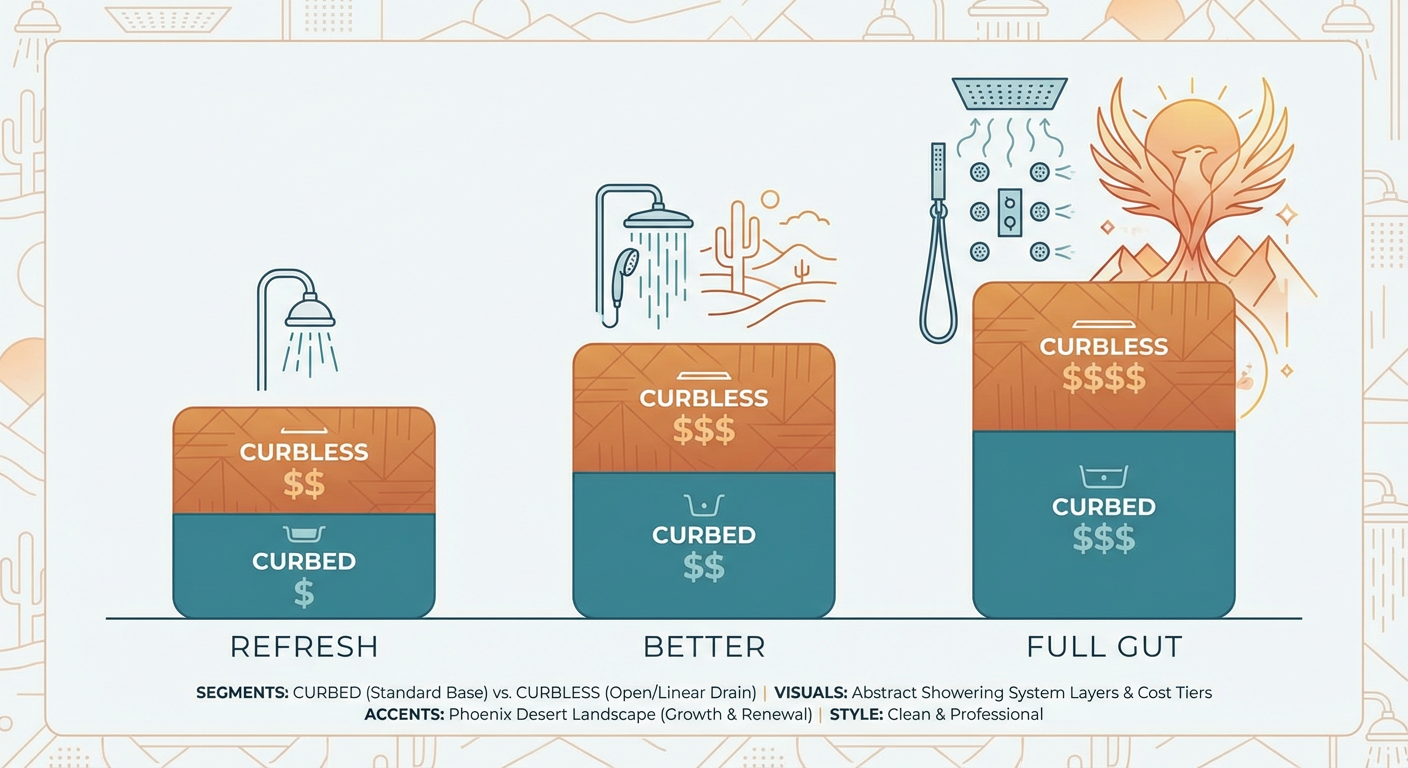
2. Bathroom Remodel Cost Spectrum: From Refresh to Full Gut
Understanding the true cost of a bathroom remodel in Phoenix for 2026 requires a deep dive into the project’s scope. From a superficial cosmetic refresh to a complete down-to-the-studs transformation, the financial investment can vary immensely. Homeowners contemplating a bathroom renovation must first clearly define their objectives: Are they seeking a minor aesthetic uplift, or a comprehensive overhaul addressing layout, functionality, and hidden infrastructure? This crucial decision will largely dictate the budget, timeline, and complexity of the project. In Phoenix, as with national trends, bathroom remodel costs in 2025–2026 range from modest refreshes costing under $10,000 to luxury overhauls that can exceed $60,000[1][2]. The average full bathroom renovation in Phoenix is approximately $12,300, with typical projects falling between $7,000 and $18,000[3][4]. However, larger primary baths adorned with luxury features can push these figures dramatically higher, often reaching $40,000 to $90,000[5]. Navigating this broad spectrum requires a detailed understanding of how different scopes impact costs, what elements drive prices up, where savings can be found, and the regional factors unique to the Phoenix market.
The Tiers of Renovation: Refresh, Partial, and Full Gut
The first step in budgeting for a bathroom remodel is to categorize the project’s scope. Broadly, bathroom renovations can be segmented into three primary tiers: minor cosmetic refreshes, partial remodels, and comprehensive full gut renovations. Each tier brings a distinct level of complexity, material involvement, and labor intensity, directly influencing the overall cost projection for 2026.
Minor Cosmetic Refresh: $5,000 – $15,000
A minor cosmetic refresh primarily focuses on aesthetics, aiming to update the look and feel of a bathroom without altering its fundamental structure or plumbing layout. This tier is ideal for homeowners who are generally satisfied with their bathroom’s functionality and layout but desire a modern aesthetic update or a simple functional upgrade. Projects typically involve:
- Painting walls and ceiling.
- Replacing light fixtures.
- Swapping out a vanity and countertop with off-the-shelf options.
- Installing a new mirror.
- Upgrading faucets, showerheads, and other hardware.
- Potentially replacing flooring with an inexpensive option, or simply cleaning/regrouting existing tile.
In Phoenix, these projects can often be completed for under $10,000[6], especially if homeowners are willing to undertake some DIY tasks like painting. A key cost-saving measure at this level is avoiding any relocation of plumbing lines, as moving drains or supply lines significantly increases labor and material costs. While a refresh won’t address underlying structural issues or fundamentally change the bathroom’s functionality, it can dramatically improve its appearance and add perceived value, particularly for secondary bathrooms or powder rooms.
Partial Remodel: $15,000 – $25,000
A partial remodel goes beyond cosmetic changes, encompassing more significant upgrades to fixtures and surfaces. This tier is suitable for bathrooms with outdated but structurally sound elements, where a more impactful transformation is desired without the expense and disruption of a full demolition. Typical components include:
- Replacing the bathtub or shower with a new unit (e.g., a pre-fab shower pan or tub/shower combo).
- Installing new tile for the shower surround or floor.
- Upgrading the toilet.
- Replacing the vanity, countertop, and sink.
- New lighting, ventilation, and possibly a new mirror.
- Potentially minor reconfigurations that do not require moving major plumbing lines beyond a few inches.
Nationally, partial remodels generally fall within the $10,000 to $25,000 range[6]. In Phoenix, a typical hall bathroom project might land in the $10,000 to $15,000 range if it involves no major layout changes and utilizes standard materials[7]. This type of remodel offers a good balance between cost and impact, allowing for substantial improvement in both aesthetics and functionality. For instance, swapping an old tub for a new tub/shower insert with fresh tile and a modern vanity can breathe new life into a bathroom, often providing an excellent return on investment through improved daily living and enhanced resale appeal.
Full Gut Renovation: $25,000 – $80,000+
A full gut renovation involves stripping the bathroom down to its studs, allowing for complete design flexibility and the opportunity to address any hidden issues. This is the most comprehensive and expensive tier, typically undertaken when a bathroom has significant structural problems, an undesirable layout, or when the homeowner desires a completely new and personalized space. Elements of a full gut remodel include:
- Demolition of all existing fixtures, finishes, and potentially non-load-bearing walls.
- Rerouting plumbing and electrical systems to accommodate new layouts.
- Installation of new subflooring, wall framing, and insulation.
- Comprehensive waterproofing, especially in shower areas, following industry standards.
- New high-quality tile for floors and shower surrounds (often custom designs).
- Installation of premium fixtures: custom vanities, high-end countertops, advanced shower systems, and designer lighting.
- Inclusion of luxury features such as heated floors, smart toilets, or steam showers.
Full gut renovations average $25,000 to $80,000 nationally[6]. In Arizona, a luxury bathroom renovation starts around $30,000 and can easily exceed $60,000, particularly for large primary bathrooms[8][2]. The project duration for a luxury remodel can also extend significantly, from 4–6 weeks compared to 1–2 weeks for a basic update[9][10]. Primary bathrooms, being larger (often 80–120 sq. ft.) and harboring higher expectations for luxury, frequently fall into this category. It’s not uncommon for high-end primary suites in Phoenix to surpass $60,000, especially when incorporating custom double vanities, separate tub and shower areas, and high-end materials[2]. This level of investment provides a truly personalized and often spa-like experience, fundamentally transforming the space. The scope of a full gut also allows for addressing chronic issues like outdated wiring, inefficient plumbing, or past water damage, ensuring the bathroom’s long-term integrity and value.
The following table summarizes the typical cost ranges for bathroom remodels in Phoenix in 2026 by scope and bathroom type:
| Scope Level | Description | Typical Phoenix Cost Range (2026) | Primary Bathroom (Master) | Hall Bathroom | Powder Room |
|---|---|---|---|---|---|
| Minor Cosmetic Refresh | Paint, fixtures, lighting, vanity swap (no layout change) | $3,000 – $10,000[6] | N/A (uncommon for primary) | $3,000 – $7,000 | $3,000 – $6,000 |
| Partial Remodel | New tub/shower insert, tile work, toilet, vanity/counter, no major plumbing change | $10,000 – $25,000[6] | $15,000 – $25,000 | $10,000 – $20,000 | N/A (uncommon for powder) |
| Full Gut Renovation | Down to studs, layout changes, new waterproofing, premium materials, luxury features | $25,000 – $80,000+[6] | $40,000 – $90,000[5] | $25,000 – $40,000 | $15,000 – $25,000 |
Ultimately, clear budgeting and realistic expectations are paramount. Homeowners must decide if they are aiming for a superficial uplift or a full transformation. While a minor refresh can address immediate aesthetic concerns, only a full renovation will tackle hidden problems and allow for significant layout modifications for a truly “new bathroom” experience. A recommended contingency of 10-15% of the total budget is always advisable for any remodel, as even a seemingly simple job can uncover unexpected issues like water damage or code violations[25].
What Drives Costs Up: High-End Choices and Layout Changes
Understanding the primary cost accelerators in a bathroom remodel is crucial for homeowners looking to manage their budget effectively. While the initial scope outlines a range, specific choices can quickly push a project from mid-range to luxury. The two most significant drivers of increased cost are high-end material selections and any changes to the existing layout.
Material Selection: The Impact of Premium Finishes
The choice of materials profoundly affects the final price tag. While basic ceramic or porcelain tile might cost $2–$5 per square foot (material only), opting for natural marble or high-end glass tiles can escalate to $20–$40 per square foot[26][27]. This difference, when applied to floors, shower surrounds, and possibly accent walls, can add thousands of dollars to a project. Similarly, the cost of countertops varies widely: laminate or cultured marble can be budget-friendly, while quartz or natural stone (e.g., granite or marble) carries a higher premium.
Fixtures also present a wide pricing spectrum. A standard chrome faucet might cost $50–$150, but a designer faucet with special finishes (like matte black or brushed gold) can easily exceed $500. Toilets range from basic two-piece models around $375 installed to wall-mounted or smart toilets equipped with bidet functions and heated seats, costing anywhere from $1,000 to $4,000[28][29]. Custom cabinetry provides another significant example; while stock vanity cabinets can be purchased for a few hundred dollars, a fully custom double vanity, tailored to specific dimensions and finishes, can add $10,000 or more in materials and carpentry to the budget[30]. Houzz research indicates a growing trend towards homeowners investing in premium features, with 66% of projects incorporating upgrades like rainfall showerheads (a common choice in 54% of remodels) or dual showerheads[22][23]. Such selections, while enhancing the bathroom’s allure and perceived value, are direct cost multipliers.
Layout Changes and Plumbing Reroutes: Labor-Intensive Work
Perhaps the most significant non-material cost driver is altering the bathroom’s existing layout. Moving plumbing lines for a new toilet, sink, or shower location requires opening walls and floors, which dramatically increases labor hours, necessitates the involvement of skilled plumbers, and often triggers stricter permitting requirements. The average cost to rough in new bathroom plumbing can be around $7,000[31]. Every relocated drain or supply line adds considerable labor and material expense. Therefore, keeping fixtures in their existing locations is one of the most effective strategies to control costs. Similarly, expanding the footprint of a bathroom by incorporating space from an adjacent closet or room will incur significant expenses due to demolition, new construction, and extensive flooring work. While one in five projects now involves increasing bathroom size[32], homeowners must budget accordingly for this luxury. Larger showers or the addition of a separate tub also increase costs, as they require more waterproofing, tile, and potentially more complex glass enclosures. Master bathrooms typically cost 2-3 times more than smaller hall baths due to their larger size, the expectation of dual vanities, separate tub/shower configurations, and generally higher-end finishes[12].
Other factors contributing to increased costs include labor intensity associated with custom tile work (e.g., intricate mosaics or ceiling-height installations) and behind-the-walls upgrades. Labor constitutes 40%–65% of the total remodel cost[33], so complex installations directly impact the budget. Upgrading older galvanized pipes to modern PEX or adding a new dedicated electrical circuit, while vital for safety and longevity, are expenses that are not visible in the final aesthetic but are crucial for a functional, compliant bathroom. Specialty features, such as radiant floor heating, steam shower units, or advanced bidet seats, also involve additional equipment costs and specialized installation, further elevating the total project expenditure. Therefore, to manage costs, homeowners should prioritize where they want to invest for impact and where more standard options will suffice, to prevent uncontrolled budget creep.
Curbless Showers: Modern Looks at a Premium
The appeal of a curbless walk-in shower is undeniable. Offering a sleek, seamless aesthetic, enhanced accessibility, and a modern, spa-like feel, these showers are increasingly popular. In 2026, approximately 24% of remodeled bathrooms are opting for curbless designs[18]. However, homeowners must be aware that this coveted feature comes with increased complexity and cost compared to traditional curbed showers.
Technical Challenges and Added Costs
The primary challenge in constructing a curbless shower lies in achieving proper water containment and drainage without a physical barrier. This necessitates that the shower floor be subtly sloped towards the drain and often recessed below the level of the surrounding bathroom floor. To accomplish this, particularly in homes with concrete slab foundations (common in Phoenix and throughout Arizona), contractors must cut into and lower a portion of the slab by approximately 2.5–3 inches. This allows for the required mortar bed slope and ensures a flush transition[15]. This process is highly labor-intensive, requires specialized equipment (like jackhammers), generates significant dust, and usually translates into higher labor costs. One experienced remodeler estimates that a correctly installed curbless shower can add $1,000–$2,000 in labor costs alone, compared to a standard curbed shower[14]. Angi data corroborates this, estimating an additional $500–$700 for a curbless design on average[13]. In more complex scenarios, especially when relocating drains or utilizing large-format tiles, the added cost for a curbless conversion can range from $2,000 to $5,000[16]. This premium covers structural modifications, meticulous waterproofing, and often the installation of linear trench drains, which can be more expensive than traditional center-point drains.
Pros and Cons of Curbless Showers
Pros:
- Accessibility: Curbless showers eliminate tripping hazards, making them ideal for aging-in-place, individuals with mobility challenges, or families with young children. They can also be designed to be wheelchair-accessible.
- Aesthetics: The seamless transition creates an expansive, contemporary look, making the bathroom feel larger and more luxurious.
- Ease of Cleaning: Without a curb, there are fewer corners and crevices for dirt and grime to accumulate, simplifying maintenance.
- Increased Resale Value: Modern and accessible features like curbless showers are highly desirable to a broad spectrum of homebuyers.
Cons:
- Higher Cost: As detailed, the necessary structural and waterproofing modifications increase the overall project expense.
- Water Splash: Without a curb, there’s a higher potential for water to splash onto the main bathroom floor, especially if the shower is not fully enclosed or if the slope is inadequate. This often necessitates extending waterproofing further into the bathroom floor area.
- Temperature Regulation: Curbless showers, particularly those with minimalist glass panels or open designs, may feel cooler due to less heat retention, which can be a consideration in colder climates.
- Expert Installation Required: Precise sloping and meticulous waterproofing are critical. A poorly installed curbless shower can lead to significant water damage, making it imperative to hire an experienced contractor.
For homeowners in Phoenix, where many single-story homes are built on slab foundations, the implications of going curbless are particularly relevant. Jackhammering concrete is a messy and time-consuming process. The decision to opt for a curbless shower should be weighed against the budget and personal priorities. While it undoubtedly offers significant advantages in terms of aesthetics and accessibility, it is an upgrade that requires a higher initial investment and should only be undertaken by experienced professionals to ensure long-term durability and prevent costly moisture issues.
Waterproofing and Building “Shower Systems” Right
Beyond aesthetic choices, the most critical (and often unseen) component of a durable bathroom remodel, especially in the shower area, is proper waterproofing and construction. “Building the shower system right” is a non-negotiable principle for longevity and preventing catastrophic water damage. Industry experts and standards consistently emphasize that cutting corners in this area is a false economy that can lead to expensive repairs down the line.
The Anatomy of a Durable Shower System
A true “shower system” refers to the entire assembly of materials that work together to prevent water intrusion, rather than just the tile and grout. Key components and principles include:
- Substrate Preparation: A solid, stable foundation is essential. This often involves a pre-sloped mortar bed or a factory-sloped foam base to ensure water properly drains.
- Waterproof Membrane: This is the impermeable barrier that truly protects the structure below. Contrary to popular belief, tile and grout are not waterproof; they are merely water-resistant surfaces. The membrane, which can be a liquid-applied sealant, a bonded sheet membrane (like Schluter-KERDI), or a traditional hot-mopped liner, must be continuous across the pan and extend up the shower walls.
- Proper Slope: The Tile Council of North America (TCNA) Handbook and ANSI A118.10 standards specify a minimum of a ¼ inch per foot slope to the drain for all shower floors and beyond the shower area for curbless designs[20][21]. This ensures water actively flows into the drain rather than pooling.
- Drain Integration: Drains must be meticulously installed and sealed to the waterproof membrane to prevent any bypass. Linear drains, often used in curbless designs, also require precise installation.
- Wall Backer Boards: Cement board or foam waterproof backer boards are essential for shower walls, providing a stable, moisture-resistant surface for tile. Standard drywall is completely inappropriate for wet areas and will eventually fail, leading to mold and structural damage.
- Sealing and Taping: All seams, screw penetrations, and corners must be sealed and taped with waterproof materials, often using specialized bands or sealants compatible with the membrane system. Interior corners, where walls meet floors, or points where niches are installed, are particularly vulnerable.
The High Cost of Shortcuts
Remodelers universally warn against skipping these critical waterproofing steps. “In my experience, most shower failures aren’t due to bad tile or materials. They are caused by shortcuts, poorly constructed pans, or incomplete waterproofing… Once tile is installed, those mistakes are hidden until damage has occurred,” states one remodeler[24]. Such failures often manifest as moldy odors, loose or cracked tiles, or staining on ceilings in rooms below, requiring a complete tear-out and redo of the shower, effectively a second, unexpected remodel. This makes the initial “savings” from cutting corners a devastatingly false economy. As Phoenix Home Remodeling notes, “Showers are the most expensive aspect to a bathroom remodel. Leaks are a huge danger, so we take extra precautions”[11].
Professional installation adhering to TCNA/ANSI standards, while adding to the upfront cost, provides long-term peace of mind. Homeowners should insist on their contractor using established waterproof systems (like Schluter-KERDI, Laticrete Hydro Ban, or Wedi), which are not only engineered for reliability but also often come with system warranties. Crucially, contractors should conduct a flood test of the shower pan before tiling, filling it with water and letting it sit for 24-48 hours to identify any leaks. This simple step can prevent years of headaches.
The upfront investment in quality waterproofing and skilled labor (including precise pre-sloping, membrane application, and careful tile setting) might add 5-10% to the overall bathroom budget. However, this investment is fundamental to the structural integrity and longevity of the newly remodeled bathroom, preserving both the aesthetic beauty and the value of the home by preventing costly water damage.
Saving Money Without Sacrificing Quality
While the allure of a high-end, full-gut remodel is strong, most homeowners operate within a finite budget. Strategic choices can significantly reduce costs without compromising the overall quality or aesthetic appeal of a bathroom remodel. The key lies in smart trade-offs and prioritizing investments where they matter most, such as in the core “shower system” waterproofing.
Retain the Existing Layout
The single most impactful cost-saving decision is to keep the existing bathroom layout intact. Moving major plumbing fixtures like the toilet, shower, or sink inevitably involves opening up walls and floors, rerouting supply and drain lines, and often requires permits and specialized trades. The average cost for plumbing rough-in work can be around $7,000 when fixtures are relocated[31]. By simply replacing fixtures in their original positions, homeowners can avoid thousands of dollars in labor and material costs associated with plumbing and structural modifications.
Refinish, Don’t Replace Strategically
For certain elements, refinishing instead of full replacement can yield significant savings. If an old bathtub is structurally sound but discolored or dated, professional reglazing or refinishing can make it look new for approximately 25% of the cost of buying and installing a new tub. The same applies to dated tile that is in good condition; professional refinishing of a tiled shower area costs around $1,200–$1,400, whereas tearing out and retiling could exceed $5,000[34][35]. This option is particularly effective for secondary bathrooms or older homes where the charm of existing fixtures is desired, but a refresh is needed. It offers a fresh look for 5–10 years and significantly reduces demolition and construction waste.
Smart Material Choices
Material selection is a prime area for budget management. Instead of expensive natural stone, consider high-quality porcelain or ceramic tiles that convincingly mimic the look of marble or wood but at a fraction of the cost ($2–$5/sq ft vs. $20+/sq ft for marble)[36]. Similarly, quartz or cultured marble can provide an upscale countertop aesthetic for less than natural granite or solid marble. For fixtures, prioritizing functionality and reputable brands over designer labels can save money. A well-made chrome faucet at $50–$150 performs the same basic function as a $500+ designer model. Strategic splurges can still be made – perhaps on a statement light fixture or a rain-head shower ($200–$500), which is favored in 54% of remodels[37] – while economizing on less visible or less critical components. Off-the-shelf or semi-custom cabinetry provides a cost-effective alternative to fully custom millwork, where a custom double vanity can add $10,000 to the budget[30].
DIY Tasks and Strategic Shopping
Homeowners comfortable with certain tasks can save on labor costs by handling demolition, painting, or installing accessories like towel bars and mirrors. However, it’s crucial to distinguish between simple cosmetic tasks and technical work (plumbing, electrical, waterproofing) that should always be left to qualified professionals to avoid costly mistakes. Shopping sales and clearance events for tile, lighting, and fixtures can also yield substantial savings. Architectural salvage yards or home improvement outlet stores can be sources for unique, high-quality items at reduced prices[38].
Plan for Contingencies
Even with careful planning, unexpected issues can arise. Setting aside a contingency fund of 10–15% of the total budget for unforeseen problems, such as discovering mold, rotten subflooring, or outdated wiring behind walls, is a wise financial practice[25]. If the contingency isn’t needed, it can be used for a small celebratory splurge or saved.
Ultimately, saving money in a bathroom remodel is about being a judicious consumer. Invest in the foundational elements that ensure durability and longevity, such as proper waterproofing and structural integrity, and then make informed choices about visible finishes and fixtures to achieve the desired aesthetic within budgetary constraints. Balancing “wants” with “needs” and prioritizing long-term value over short-term trends will empower homeowners to achieve a beautiful, functional bathroom without overextending their finances.
Trends and Regional Considerations in 2026
Bathroom design is not static; it evolves with changing lifestyles, technological advancements, and regional influences. For Phoenix homeowners planning a remodel in 2026, understanding these trends and specific local considerations is essential for both aesthetic satisfaction and long-term value.
Shift Towards Shower-Centric Design and Universal Accessibility
A dominant trend is the movement away from tub-centric master bathrooms toward expansive, luxurious showers. Many homeowners, especially those in warmer climates like Phoenix, find they rarely use a bathtub and prioritize the everyday utility and spa-like experience of a large walk-in shower. Data indicates that over 80% of homeowners replace major features during remodels, including showers, and a significant portion chooses to eliminate a built-in tub to create a more spacious shower and improve storage[39]. While retaining at least one tub in the home for resale value (especially for families with young children) is still recommended[40], master bathrooms are increasingly becoming exclusive shower havens.
Coupled with this is the growing emphasis on universal design and aging-in-place features. With an increasing number of homeowners planning to live in their homes longer, accessibility and safety are paramount. Features like curbless showers, grab bars (often disguised as sleek towel bars), wider doorways (at least 32 inches), and comfort-height toilets are becoming standard. Approximately two-thirds (66%) of remodels now incorporate at least one aging-in-place modification[41]. In Phoenix, with its significant retiree population, this is particularly relevant. For example, inserting blocking in walls during construction for future grab bar installation is a small, low-cost step with immense long-term benefit. It’s noted that one-third of Baby Boomers are removing bathtubs entirely to install easier-entry showers[19].
Spa-Like Aesthetics and Emerging Technologies
The “spa bathroom” concept continues to be a strong influence, pushing homeowners towards calming, luxurious retreats. This includes natural materials (or high-quality imitations), rain showerheads, body jets, and even steam shower units. Technology is also making its way into bathrooms with smart showers that can be pre-programmed, toilets with integrated bidet functions and heated seats, anti-fog smart mirrors with embedded lighting, and integrated sound systems. While some of these remain luxury add-ons, their price points are gradually becoming more accessible for mid-range remodels.
Phoenix-Specific Considerations: Hard Water and Climate
Phoenix’s unique environment presents several regional considerations for bathroom remodels:
Hard Water Protection: Phoenix’s municipal water is notoriously hard, often registering 200–300+ parts per million (ppm) of minerals[42]. This extreme hardness causes significant mineral buildup on shower glass, faucets, and fixtures, leading to etching and reduced efficiency over time. Phoenix remodels often include:
- Water Softening Systems: A whole-house water softener, costing around $1,500, can protect all plumbing and fixtures from calcification, significantly reducing maintenance and extending the lifespan of new investments.
- Protective Glass Coatings: Frameless shower enclosures are often specified with factory-applied protective coatings (e.g., ShowerGuard) that resist water spots and make cleaning easier, albeit at a higher upfront cost.
- Durable Fixtures: Specifying faucets and showerheads with high-quality internal components (e.g., ceramic disc valves, solid brass construction) is crucial, as hard water can quickly degrade cheaper cartridge valves.
Climate and Layout: Phoenix’s hot, dry climate means that features like heated floors are more of a luxury than a necessity, though some indulgences are still observed. The prevalence of single-story, slab-on-grade homes in Arizona influences construction methods, particularly for curbless showers (as discussed previously, requiring concrete cutting). The generally larger size of master bathrooms in Arizona homes, typical of single-story layouts, provides ample space for grand walk-in showers and dual vanities, which might not be feasible in other regions with smaller, older housing stocks. This large footprint can drive remodeling costs higher due to the sheer volume of materials and labor, but it also allows for truly indulgent designs.
Compared to other major U.S. markets, Phoenix has a relatively competitive labor market for skilled trades. This means that while costs are rising, remodel dollars can sometimes stretch further than in more expensive coastal cities. The average Phoenix bathroom remodel cost (around $12,300) is slightly below the national average for similar scope projects, partly reflecting these local market dynamics[43].
In conclusion, the 2026 bathroom remodel landscape in Phoenix emphasizes personalization, functionality, and long-term livability. Homeowners are increasingly willing to invest in larger, feature-rich showers, accessible design, and durable materials that address regional challenges like hard water. Understanding these trends and their cost implications will help homeowners make informed decisions that enhance both their daily lives and their home’s value.
The next section will delve into specific budget allocations, providing detailed breakdowns for Good, Better, and Best scenarios across different bathroom types, offering a more granular look at how these choices translate into concrete costs and comparisons for curbless versus curbed shower systems.

3. What Raises Costs Most: High-End Choices and Layout Changes
Embarking on a bathroom remodel in 2026 can be an exciting, yet financially daunting, prospect. While a basic refresh might keep costs under control, the allure of spa-like amenities, advanced technology, and luxurious aesthetics can quickly elevate a project from a modest update to a significant investment. Understanding the primary cost drivers is crucial for homeowners in Phoenix and across the United States to manage expectations and make informed decisions. This section will delve deep into the elements that most dramatically increase bathroom remodel budgets, from premium material selections and complex layout reconfigurations to specialized installations and the inherent complexities of certain design choices like curbless showers. We will explore how high-end fixtures, custom cabinetry, and the labor intensity of moving plumbing or expanding footprints contribute to higher price tags, providing detailed data and expert insights to clarify these financial realities.
The Impact of Material Selections: From Basic to Bespoke
The choice of materials is arguably the most significant factor in determining the overall cost of a bathroom remodel. While all fixtures and surfaces contribute, certain selections stand out for their ability to escalate budgets dramatically. The spectrum of material costs ranges from highly affordable, mass-produced options to exclusive, custom-fabricated pieces, and homeowners frequently find themselves balancing desired aesthetics with financial feasibility.
Tile: The Foundation of Aesthetic and Expense
Tile, covering floors and shower surrounds, forms a large visual and functional component of any bathroom. Its selection can cause substantial cost variations. A standard ceramic or porcelain tile suitable for moisture-prone environments might cost between $2–$5 per square foot for materials alone[11]. Including installation, which can be labor-intensive, the cost for basic retiling usually falls within $10–$50 per square foot[11].
However, selecting premium tiles can quickly multiply this expense. Natural stone options such as marble, granite, or travertine can range from $20–$40 per square foot for the material[5]. When factoring in the specialized tools, cutting techniques, and increased labor required to install these delicate and heavy materials, the total cost per square foot can soar. For example, intricate mosaic patterns, small format tiles, or complex layouts (like herringbone or chevron) require significantly more labor and skill than large-format tiles, even if the material cost per square foot is similar. This is particularly true in areas like Phoenix, where skilled tile setters command competitive rates. Furthermore, the selection of grout, from standard sanded options to premium epoxy or urethane grouts that offer superior stain and crack resistance, can also add to the material and labor cost, albeit to a lesser extent than the tile itself.
Fixtures and Faucets: Function and Form at a Price
Beyond tile, fixtures like toilets, sinks, faucets, and showerheads present a wide price range. A standard two-piece toilet can be purchased and installed for approximately $375[11]. However, upgrading to a wall-mounted toilet, which requires in-wall plumbing (additional labor and complexity), or a smart toilet with bidet functions, heated seats, and integrated controls, can cost anywhere from $1,000 to $4,000[11]. This represents a significant jump for a single item.
Faucets follow a similar pattern. While a basic chrome faucet from a reputable brand might cost $50–$150, designer pieces made from specialized finishes (e.g., brushed gold, matte black) or featuring advanced functionality (e.g., touchless, smart temperature control) can easily exceed $500[51]. Similarly, standard showerheads are inexpensive, but rainfall showerheads and body jets are popular premium features, with 54% and 16% of remodels, respectively, incorporating them[8]. These additions not only increase material costs but often necessitate additional plumbing rough-ins and more complex valve systems, further driving up labor.
Vanities and Countertops: Customization and Craftsmanship
Vanities and countertops are central to a bathroom’s functionality and aesthetic. Here, custom choices significantly inflate budgets. Stock vanity cabinets can be purchased for a few hundred dollars. However, requesting a custom double vanity could involve craftsmanship and materials that add $10,000 or more to the project cost[5]. This includes not just the cabinetry itself, but also custom hardware, specialized finishes, and the installation of complex storage solutions.
For countertops, laminated options or basic cultured marble provide affordable solutions. Stepping up to natural stone slabs like marble, granite, or solid surface materials like quartz, especially those with intricate edges or multiple cutouts for sinks, will increase costs substantially. Quartz and cultured marble now offer high-end looks at a more accessible price point than natural stone, demonstrating that a similar aesthetic can sometimes be achieved without the absolute highest price tag. The choice between a pre-fabricated vanity top and a custom-cut slab can add thousands to the budget.
Luxury Features and Smart Technology
The desire for a spa-like experience drives many homeowners to incorporate luxury features. These include:
- Freestanding bathtubs: While soaking tubs are being omitted in many master baths, when included, a freestanding tub is a luxury item.
- Digital shower systems: These allow for precise temperature control, multiple water outlets, and even pre-programmed experiences.
- Heated floors: A desirable feature for comfort, especially in colder climates, but also found in Phoenix for a touch of luxury.
- Steam showers: Requiring specialized enclosures, generators, and controls, these are significant upgrades.
- Smart mirrors with integrated lighting or displays.
- Advanced lighting systems, including LED strips, color-changing lights, and motion-activated fixtures.
These premium additions can push a remodel well into the $50,000+ range, escalating quickly to $90,000 for expansive or high-end master suites[4]. The additional electrical and plumbing work required for such sophisticated features also contributes to higher labor costs.
Layout Changes and Footprint Expansion: The Labor Multiplier
Beyond material choices, the most impactful cost accelerator in a bathroom remodel is almost always altering the room’s layout or expanding its physical footprint. These changes directly affect the most expensive components of a remodel: plumbing, electrical, and structural labor.
Reconfiguring Plumbing Systems
Relocating plumbing fixtures, such as moving a toilet, shower, or sink to a new wall or even a new part of the same wall, is a primary cost driver. This necessitates breaking into walls and often subfloors to re-route supply lines and drainpipes. The average cost to rough-in new bathroom plumbing for a major remodel can be around $7,000 nationwide[10]. Labor for plumbers averages $45–$200 per hour[10], so any significant re-piping quickly adds up. For homes on a concrete slab foundation, common in Phoenix, moving drains requires cutting into the concrete, a labor-intensive and dusty process that further increases costs. This is a critical point of difference from a “replace in place” renovation, which minimizes structural disruption and associated costs.
Electrical System Modifications
Changes to the electrical layout, adding new outlets, relocating light fixtures, installing vent fans, or upgrading circuitry for new appliances (like a steam shower or heated floor), also contribute significantly to labor costs. Electricians charge $50–$200 per hour[10]. Modern bathrooms often feature advanced lighting schemes, vanity lights, and specialized outlets (e.g., GFCI outlets within cabinets for appliances), all requiring skilled electrical work.
Expanding the Bathroom Footprint
If a homeowner decides to enlarge the bathroom, perhaps by incorporating space from an adjacent closet or bedroom, the costs immediately jump. This involves:
- Demolition of existing walls.
- New framing for the enlarged space.
- Patching and blending new flooring and wall materials.
- Potential relocation of HVAC ducts or electrical wiring within the new walls.
- Compliance with new building codes for the altered space.
These structural changes significantly increase labor hours, require additional permits, and expand the need for materials beyond the original bathroom footprint. Houzz surveys indicate that one in five projects involves increasing bathroom size[32], reflecting a trend towards larger, more open primary baths, but this luxury comes with a substantial price tag.
Labor Intensity of Specialized Installations
Many of the high-end choices discussed earlier require specialized labor that commands higher rates. For instance, the installation of large-format tiles, intricate mosaics, or complex shower systems (like a linear drain for a curbless shower) demands meticulous skill and more time than simpler installations. Custom cabinetry also requires expert carpentry and installation, often involving multiple trades (cabinet makers, painters, installers). When projects combine multiple high-end materials and complex installations, the labor cost component, which typically accounts for 40%–65% of the total remodel budget[10], can quickly make the overall budget skyrocket.
Curbless Showers: Modern Looks at a Premium Cost
The desire for a seamless, accessible, and contemporary aesthetic has driven a significant trend towards curbless showers. While undeniably stylish and practical, particularly for aging-in-place considerations, these designs inherently introduce complexity and cost into a remodel project.
The Mechanics of Curbless Construction
A curbless shower, by definition, has no raised threshold, allowing for a flush transition with the surrounding bathroom floor. This design necessitates a precise and often labor-intensive approach to ensure proper drainage and prevent water spills. The critical challenge is achieving an adequate and continuous slope (typically ¼ inch per foot) from the shower entrance towards the drain, while maintaining a flush transition at the floor level[6].
This generally requires lowering the shower floor by approximately 2.5–3 inches below the surrounding finished floor level to accommodate the necessary mortar bed slope and waterproofing layers[6]. In homes built on concrete slab foundations, which are prevalent in Phoenix and other parts of Arizona, achieving this depression means cutting into and recessing a portion of the concrete slab. This process involves specialized tools, takes considerable time, and generates significant dust, all contributing to increased labor costs[3]. For homes with wood subfloors, joists often need to be modified or notched, or the entire subfloor replaced with a thinner profile system, a structural alteration that requires careful planning and skilled carpentry.
Quantifying the Curbless Premium
The added complexity of curbless shower installation directly translates to higher costs:
- Direct Labor & Structural Costs: Angi estimates a curbless design adds about $500–$700 compared to a standard curbed shower[2]. However, experienced remodelers in practice report that the labor and structural modifications can easily add $1,000–$2,000 to the cost, especially on slab foundations or when significant floor modification is needed[3].
- Complex Scenarios: In more intricate cases, such as those involving major drain relocation or the use of large-format tiles which further complicate sloping, the premium for a curbless conversion can range from $2,000 to $5,000[4].
- Waterproofing: Meticulous waterproofing is paramount. Without a physical barrier, the waterproof membrane must be extended further onto the bathroom floor (at least 12 inches beyond the shower area, according to TCNA and ANSI standards like A118.10)[6]. This involves more material and careful installation, increasing costs.
- Drain Choices: While not exclusive to curbless, linear trench drains are frequently chosen for their aesthetics and effectiveness in curbless designs, often adding cost compared to a standard point drain.
Accessibility Benefits and Trade-offs
The primary benefit of a curbless shower is enhanced accessibility. It eliminates step-over barriers, making it ideal for aging-in-place, individuals with mobility challenges, and even for families with young children. This alignment with universal design principles is a significant draw, evidenced by the fact that nearly two-thirds of homeowners are now including aging-in-place features in their remodels[9]. For many, the added cost is considered a worthy investment in future-proofing their home.
However, there are trade-offs. The open nature of curbless showers can increase the potential for water splashing outside the shower area, necessitating more extensive floor waterproofing throughout the bathroom. Some homeowners also report a slight reduction in heat retention within the shower due to the lack of an enclosed space. To mitigate splashing, designs often incorporate linear drains near the entry and partial glass enclosures, which themselves add cost. Despite these considerations, the demand for curbless showers continues to grow, signifying a shift in design preferences towards functionality and modern aesthetics, even at a premium.
The Hidden Costs: Essential Infrastructure and Durable Shower Systems
While visually appealing elements grab attention, a significant portion of a remodel budget, particularly in the “expensive” category, is allocated to essential, yet often unseen, infrastructure. This includes robust waterproofing, proper ventilation, and the sound construction of the shower system, all of which are critical for longevity and preventing costly failures down the line.
Building Showers “The Right Way”
The shower is consistently cited as the most expensive component of a bathroom remodel[1], and for good reason. It is the area most susceptible to water damage if not constructed correctly. As such, investing in a durable shower system is non-negotiable for a long-lasting, leak-free bathroom. Professionals stress that “most shower failures aren’t due to bad tile or materials… they are caused by shortcuts, poorly constructed pans, or incomplete waterproofing”[3].
A properly constructed shower system includes:
- Solid Substrate: A stable subfloor or pre-sloped base is crucial to prevent movement that could compromise waterproofing.
- Waterproof Membranes: Tile and grout are not waterproof; rather, the underlying membrane or liner provides the actual barrier against water penetration[6]. This can be a traditional hot-mop/liner system, or modern bonded membranes (like Schluter-KERDI or Laticrete Hydro Ban) which offer integrated solutions with warranties. Meticulous sealing of corners, seams, and niche penetrations is vital.
- Proper Slope: Industry standards, such as those from the Tile Council of North America (TCNA) and ANSI, dictate a minimum ¼ inch per foot slope towards the drain for effective water runoff[6]. An insufficient slope leads to standing water and increased risk of mold and deterioration.
- Cementitious Backer Board: Walls within the shower enclosure must be clad with cement backer board or foam board, providing a stable, moisture-resistant surface for tile adhesion, unlike standard drywall which will fail in wet areas.
- Flood Testing: Before tiling, the shower pan should be flood-tested, filled with water for 24-48 hours to confirm no leaks, a crucial, though time-consuming, step.
These detailed steps, while not glamorous, are labor-intensive. Skipping them saves upfront costs but invites catastrophic and expensive water damage later. Allocation of 5-10% of the budget to these hidden structural and waterproofing components is a wise investment.
Behind-the-Walls Upgrades
Beyond the shower, other behind-the-walls upgrades contribute to overall cost but are essential for safety, function, and longevity:
- Plumbing Updates: Replacing old galvanized pipes with modern PEX or copper plumbing prevents future leaks and improves water pressure.
- Electrical Upgrades: Bringing wiring up to current code, especially in older homes, or adding dedicated circuits for high-wattage appliances (like hair dryers or heated floors) is a safety necessity.
- Ventilation: A powerful and correctly installed exhaust fan, ideally on a timer, is paramount for removing moisture and preventing mold growth. This is particularly important in Phoenix where maintaining air quality due to dust and allergens is a factor.
- Wall Blocking: Installing wood blocking within walls at appropriate heights now allows for future installation of grab bars without needing to open up walls later. This is an inexpensive, forward-thinking modification.
Regional Considerations: Phoenix’s Hard Water
Regional factors can also influence what constitutes an “expensive” choice for durability. In Phoenix, the municipal water is notoriously hard, often containing 200–300+ parts per million (ppm) of minerals[12]. This “very hard” water can lead to significant mineral scale buildup on shower glass, faucets, and fixtures, ultimately etching glass and clogging internal components.
To combat this, Phoenix remodels often incorporate solutions that add to the budget:
- Whole-house water softeners: An investment of around $1,500[12], these systems prevent mineral buildup throughout the home’s plumbing.
- Protective glass coatings: Often chosen for frameless shower enclosures, these coatings (like ShowerGuard or ClearShield) repel water and make cleaning easier, but come at an added premium.
- Durable Fixtures: Specifying faucets and showerheads with high-quality brass internals and finishes designed to resist hard water staining can add to material costs but ensures greater longevity in this challenging environment.
These region-specific investments, while increasing upfront costs, are crucial for maintaining the aesthetic and functionality of new fixtures over time in Phoenix.
Categorizing Cost Drivers: A Simplified View
To summarize, the factors driving costs can be broadly categorized, with significant overlap:
| Cost Driver Category | Examples of High-Cost Choices | Impact on Budget |
|---|---|---|
| Material & Finish Selection | Natural stone tile, custom vanity cabinets, smart toilets, designer plumbing fixtures, frameless glass enclosures, exotic wood finishes. | Directly increases material costs significantly; often requires specialized installation labor. Can represent a 2x-5x multiplier over standard options. |
| Layout & Structural Changes | Moving walls, expanding footprint, relocating toilet/shower/sink drains, converting to curbless shower on slab foundations. | Highest impact on labor hours for plumbers, electricians, and carpenters. Involves demolition, re-framing, concrete cutting, extensive rough-ins. Requires additional permits. |
| Specialized Installations & Labor Intensity | Curbless shower construction, complex tile patterns (mosaics, small tiles), custom millwork, digital shower systems, heated floors. | Increases labor hours due to precision, skill, and time required. May necessitate multiple trades or highly specialized craftsmen. |
| Essential Infrastructure & Durability | Advanced waterproofing systems (bonded membranes, flood tests), whole-house water softeners (Phoenix), upgraded ventilation, blocking for future grab bars. | Adds cost to “behind the walls” components. Crucial for long-term protection, preventing failures, and addressing regional challenges like hard water. |
| Technology & Luxury Features | Integrated smart toilets, digital showers, steam units, smart mirrors, elaborate lighting systems. | Combines high material costs with specialized electrical/plumbing installation. Adds comfort and convenience but is purely discretionary. |
Conclusion: Balancing Aspiration with Reality
In conclusion, the decision to embark on a bathroom remodel in Phoenix or anywhere else in 2026 involves a cascade of choices, each with financial implications. While a basic refresh can be achieved for less than $10,000, high-end choices and significant layout changes can easily push primary bathroom remodels past $60,000, with some luxury master suites reaching $90,000[4]. The highest cost drivers are premium materials like marble and custom cabinetry, coupled with extensive labor for relocating plumbing and electrical systems, or expanding the bathroom’s footprint. Curbless showers, a popular trend for their aesthetics and accessibility, also add a significant premium due to the necessary structural modifications and meticulous waterproofing.
Homeowners planning a remodel must carefully weigh their aspirations against their budgets, understanding that every upgrade from a basic fixture or cosmetic change to a full-scale structural overhaul has a direct corresponding cost increase. Investing in the underlying infrastructure, such as proper waterproofing and durable shower systems, pays dividends in longevity and avoids costly repairs. By clearly defining project scope early on and understanding where costs accumulate, homeowners can make strategic decisions to achieve their desired bathroom while keeping their budget in check.
We will now examine how homeowners can make smart choices to constrain their budgets without compromising on quality in the next section: 4. What Swaps Save Money: Smart Choices for Budget Management.
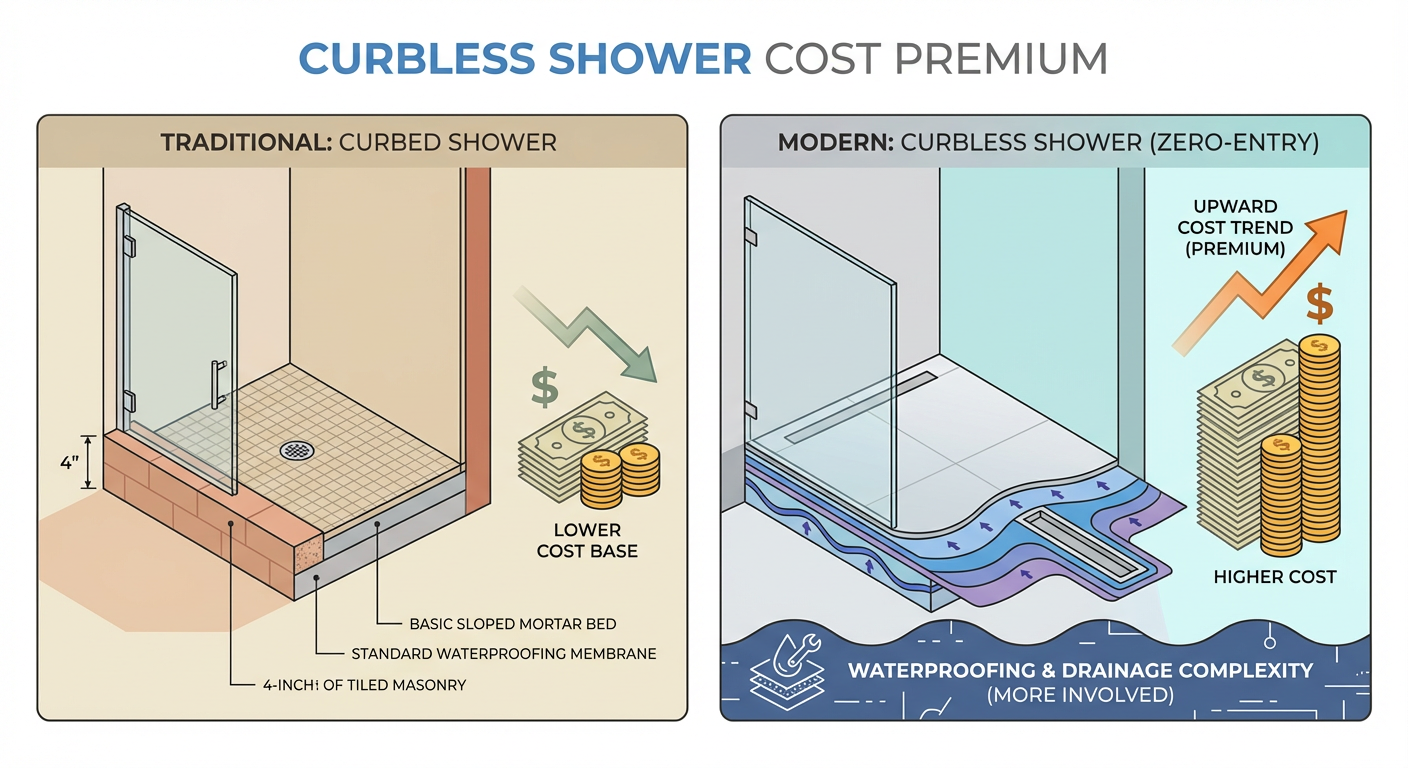
4. Curbless Showers: Modern Aesthetics at a Premium Cost
The allure of a sleek, uninterrupted bathroom floor seamlessly flowing into a shower space has captivated homeowners and designers alike, making curbless showers a prominent feature in modern bathroom remodels. This design choice, also known as a barrier-free or zero-threshold shower, eliminates the traditional lip or curb typically found at the entrance of a shower. While offering undeniable aesthetic and accessibility advantages, it’s crucial for homeowners to understand that achieving this minimalist look often comes with increased complexity and, consequently, a higher price tag. This section will delve into the rising popularity of curbless showers, compare their costs against traditional curbed designs, explain the intricate structural modifications required for proper installation, and evaluate the comprehensive pros and cons from both design and accessibility perspectives.
The trend towards curbless showers is a clear indicator of evolving homeowner preferences. Data from recent Houzz studies indicates that approximately 24% of remodeled bathrooms now feature fully curbless showers[17]. This growing adoption reflects a desire for sophisticated design, but equally important, a heightened awareness of universal design principles and aging-in-place considerations. As people look to future-proof their homes, the barrier-free entry of a curbless shower offers significant benefits for mobility-challenged individuals, including wheelchair users, and dramatically reduces trip hazards for older occupants. Indeed, roughly two-thirds of homeowners are now incorporating special needs or aging considerations into their bathroom renovations, up from 54% in 2021[19]. Among Baby Boomers, who account for a substantial portion of remodeling projects, about one-third are removing bathtubs entirely in favor of creating more accessible shower spaces[20][21].
However, this modern aesthetic is not achieved without careful planning and a deeper investment. The primary challenge with curbless showers lies in managing water containment and drainage without a physical barrier. This necessitates structural modifications to the subfloor to create the necessary slope, specialized waterproofing techniques, and often, more intricate tile work. These factors collectively contribute to a premium cost compared to conventional curbed showers.
4.1. The Appeal and Growth of Curbless Showers
Curbless showers are more than just a passing trend; they represent a significant shift in bathroom design philosophy, blending form with superior function. Their rapidly increasing popularity is driven by several compelling factors:
- Sleek, Modern Aesthetics: The uninterrupted floor plane creates a seamless, open, and spacious feel, making bathrooms appear larger and more luxurious. This minimalist design integrates well with contemporary interior styles.
- Enhanced Accessibility: This is arguably the most significant functional advantage. The absence of a curb eliminates a tripping hazard, making the shower accessible for individuals using wheelchairs, walkers, or those with limited mobility. This aligns perfectly with the growing demand for aging-in-place solutions, where homeowners modify their residences to accommodate future needs[19].
- Easier Cleaning: Without a curb to collect dirt, grime, and soap scum, curbless showers are generally easier to clean and maintain.
- Increased Home Value: As a sought-after feature, a well-executed curbless shower can enhance a home’s appeal and potentially increase its resale value, particularly in markets with an aging population or a strong demand for modern design.
The statistics underscore this growing adoption: approximately 24% of remodeled bathrooms now feature fully curbless showers[17]. This is part of a broader trend where 61% of homeowners choose to enlarge their showers during remodels, often by a significant margin[16]. This emphasis on larger, more functional showers often goes hand-in-hand with the choice of eliminating the curb for a more open and spacious feel.
4.2. Cost Comparison: Curbless vs. Curbed Showers
While the benefits are clear, the premium associated with curbless showers is a critical consideration for budgeting. Angi estimates that a curbless shower will cost approximately $500–$700 more than a standard curbed shower[11][12]. However, experienced remodelers in areas like Austin, Texas, report that the difference can be substantially higher, with curbless designs typically adding $1,000–$2,000 in labor and structural costs, particularly for homes built on slab foundations[13][34]. In complex installations, especially those involving relocating drains or utilizing large-format tiles, the added cost can range from $2,000 to $5,000 over a standard curbed shower[14][37].
The primary reasons for this cost differential stem from the specialized labor and materials required:
- Structural Modifications: To achieve a truly curbless entry with proper drainage, the shower floor must be slightly lower than the adjacent bathroom floor, creating a subtle, continuous slope towards the drain. This often necessitates cutting into the subfloor. For homes with concrete slab foundations, which are prevalent in Phoenix and other Sunbelt regions, this means jackhammering or saw-cutting a portion of the slab to recess the shower area by approximately 2.5 to 3 inches[15][36]. This concrete work is labor-intensive, requires specialized equipment, and generate significant debris, all of which contribute to higher labor costs.
- Enhanced Waterproofing: Without a physical curb to contain water, the waterproofing system for a curbless shower must be even more meticulous and extensive. While all showers require robust waterproofing behind the tile, curbless designs demand that the waterproof membrane extends further into the bathroom floor, often at least 12 inches beyond the shower area, to prevent any potential overflow or splash from reaching structural components[25]. This involves more material and more precise installation.
- Drainage Systems: Curbless showers often utilize linear drains, which are longer and sometimes more expensive than traditional point drains. Linear drains are preferred for their ability to manage greater water flow and their aesthetic integration into the seamless floor design.
- Slope Perfection: Achieving the precise 1/4 inch per foot slope towards the drain, as mandated by standards like those from the Tile Council of North America (TCNA) and ANSI A118.10, is more challenging in a curbless setup. It demands highly skilled tile setters who can expertly build the sub-pan and mortar bed to create this subtle pitch without compromising stability or aesthetics[24][25].
- Underlayment and Substrate: Specialized pre-sloped pans or elaborate custom mortar beds are often employed, adding material and labor costs. Products like Schluter-KERDI or Wedi systems, while adding to material costs, offer comprehensive, warrantied waterproofing solutions that simplify this complex process for installers.
The following table summarizes the typical cost differentials of key components when opting for a curbless shower:
| Component | Curbed Shower (Typical) | Curbless Shower (Typical) | Cost Difference (Curbless Premium) | Notes |
|---|---|---|---|---|
| Structural Subfloor Modification | Minimal (framing for curb) | Slab cutting/floor recessing | $500 – $2,000+ | Significant impact on slab foundations in Phoenix. |
| Waterproofing Material & Labor | Standard pan liner & wall membrane | Extended membrane, more intricate sealing | $200 – $500 | Crucial for preventing leaks; professional-grade systems. |
| Drain System | Point drain (round/square) | Linear trench drain (often preferred) | $100 – $400 | Linear drains offer better aesthetics and flow management. |
| Installer Skill / Labor | Standard tile setting | High-skill slope & large tile integration | $300 – $1,000 | Precision required for seamless transition and correct pitch. |
| Total Estimated Premium (Overall Shower) | N/A | N/A | $500 – $5,000 | Varies greatly with foundation type, complexity, and region. Average premium often starts at $1,000-$2,000 in reality. |
4.3. Structural Modifications and Waterproofing Imperatives
The integrity of a curbless shower hinges entirely on proper structural modification and flawless waterproofing. As noted by Angi, this barrier-free design “requires more labor and money” due to these critical steps[11].
3.1. Subfloor Alteration:
The foundational step for a curbless shower is to create a depressurized floor area where the shower pan will sit. This depression ensures that even with a mere ¼ inch per foot slope, the shower floor surface remains flush with the main bathroom floor. The required depth of this depression is typically 2.5 to 3 inches to accommodate the pre-slope, main mortar bed, waterproofing membrane, and tile[15][36]. The method of achieving this varies by subfloor type:
- Wood Joist Floors: For homes with wood framing, this usually involves dropping the joists in the shower area, sistering new joists below the existing ones, or cutting out a section of the subfloor and rebuilding it at a lower elevation. This is a structural modification that may require engineering review and permits.
- Concrete Slab Foundations (Common in Phoenix): This is often the more complex and costly scenario. A concrete saw or jackhammer is used to remove a section of the slab, creating a void that is then built up with a new, sloped concrete pour or a prefabricated shower pan system. This process is noisy, generates significant dust, and extends project timelines. A real-world example from Austin, TX, highlighted a curbless conversion on a concrete slab that required “cutting into the slab and lowering the shower floor by about 3 inches” to ensure proper drainage, adding roughly $1,500 in concrete work and labor[63]. Phoenix-area homeowners can expect similar considerations given the prevalence of single-story, slab-on-grade homes[2][23].
3.2. Meticulous Waterproofing:
The aesthetic appeal of a curbless shower can quickly turn into a homeowner’s nightmare if waterproofing is overlooked. It is essential to remember that grout and tile are porous and are not, by themselves, waterproof. The true barrier against water intrusion is the underlying waterproofing system. Industry standards, such as those set by the Tile Council of North America (TCNA) and ANSI A118, dictate rigorous requirements for wet area installations[24][25]. Key aspects include:
- Continuous Membrane: A seamless waterproof membrane, whether liquid-applied, sheet-applied (like Schluter-KERDI), or a hot-mopped system, must cover the entire shower pan and extend up the walls. In curbless designs, this membrane must also extend significantly onto the bathroom floor outside the shower perimeter – typically, at least 12 inches to catch any errant spray or splashing and direct it back towards the drain area[25].
- Proper Slope: The shower floor must have an accurately constructed slope of ¼ inch per foot towards the drain to ensure efficient water runoff[24][25]. Without a curb, any standing water can migrate quickly out of the shower area if the slope is incorrect.
- Sealed Transitions: All penetrations (drain, plumbing fixtures, niches) and transitions between different materials must be meticulously sealed with appropriate waterproof materials and methods. Failures often occur at these junctions.
- Flood Testing: A critical step that should never be skipped is flood testing the shower pan. This involves plugging the drain and filling the pan with water for at least 24 hours to visually confirm there are no leaks before any tile is installed.
As one remodeling veteran candidly states, most shower failures aren’t due to poor tile, but rather “short-cuts, poorly constructed pans, or incomplete waterproofing… Once tile is installed, those mistakes are hidden until damage has occurred,” leading to costly repairs down the line[28]. This underscores why a significant portion of the curbless shower budget must be allocated to the unseen, but utterly crucial, structural and waterproofing elements.
4.4. Pros and Cons: Weighing the Investment
The decision to install a curbless shower involves weighing its benefits against the added costs and specific design considerations:
4.4.1. Advantages (Pros):
- Superior Aesthetics: The primary draw for many is the contemporary, spa-like appearance. It makes a bathroom feel more expansive and sophisticated.
- Unmatched Accessibility: Offers a truly barrier-free experience, ideal for aging-in-place, individuals with disabilities, or even young children. This can be a significant selling point for future buyers.
- Ease of Cleaning: Without a curb, there are fewer nooks and crannies for mold and grime to accumulate, simplifying maintenance.
- Improved Resale Value: Depending on the market, a well-designed and properly installed curbless shower can be a strong asset, appealing to a wider demographic of potential buyers who prioritize modern design and accessibility.
- Flexible Design: Curbless designs lend themselves well to linear drains, large format tiles, and open-concept “wet room” bathrooms, offering greater creative freedom.
4.4.2. Disadvantages (Cons):
- Higher Cost: As detailed, the additional labor for structural modification and the enhanced waterproofing requirements significantly increase the overall project cost compared to a traditional curbed shower[13][14].
- More Complex Installation: Requires a highly skilled and experienced contractor. Incorrect installation of the slope or waterproofing can lead to disastrous and costly leaks[28].
- Water Containment Challenges: Without a physical barrier, water can more easily splash or run out into the main bathroom area if the shower entrance is not properly designed, or if the floor slope is insufficient. This may necessitate wider shower entrances, glass partitions, or a longer linear drain along the opening to mitigate splash.
- Temperature Regulation: Open curbless showers, especially those without full enclosures, can feel cooler during use as steam and heat escape more readily.
- Potential for Structural Issues: Improperly altering subfloor joists (for wood frame) or cutting a concrete slab without structural considerations can compromise the home’s integrity, though this is rare with professional installers.
For homeowners in Phoenix, the benefits of a curbless shower, particularly its accessibility and modern aesthetic, often outweigh the additional cost. Given the region’s prevalence of single-story homes with large primary bathrooms[2], there is usually ample space to implement open, curbless designs. However, the slab foundation common to many Phoenix homes means that the cost premium for structural modifications can be on the higher end of the spectrum. Homeowners should also consider Phoenix’s extremely hard water (often 200–300+ ppm)[26], which can impact shower glass maintenance. Investing in protective glass coatings or a whole-house water softener becomes even more prudent with a curbless, frameless glass shower enclosure to prevent mineral buildup and etching over time.
4.5. Curbless Shower Budgets: Good, Better, Best Comparison
To provide a clear understanding of the investment, here’s a comparative budget breakdown for curbless vs. standard curbed showers, using a “Good,” “Better,” and “Best” framework for a typical 30-48 sq. ft. shower, assuming a full gut remodel context (thus excluding broader bathroom costs already covered elsewhere).
4.5.1. Good (Functional & Accessible)
- Curbed Shower Estimated Cost: $4,000 – $6,500
- Prefab acrylic/fiberglass pan kit: $300-$800
- Basic ceramic 12×24 tile for walls/floor: $2-5/sq.ft. material, $10-20/sq.ft. installed
- Standard waterproofing membrane (e.g., liquid applied over cement board)
- Basic single-valve shower trim kit (e.g., chrome)
- Semi-frameless clear glass swing door: $600-$1,200
- Curbless Shower Estimated Cost: $5,500 – $8,500
- Curbless Premium: +$1,500 – $2,000+ (for slab cutting/floor recessing, enhanced waterproofing, linear drain)
- Prefab pre-sloped shower pan (curbless ready) or custom mortar bed
- Basic large format porcelain tile (to minimize grout lines for aesthetics)
- Premium waterproofing system (e.g., Schluter-KERDI, Wedi)
- Standard single-valve shower trim (chrome)
- Frameless glass panel (no door, or single fixed panel) for open entry: $800-$1,500
- Key Differences: The “Good” curbless still prioritizes functionality and accessibility over high-end finishes. It incurs the core curbless labor and waterproofing costs.
4.5.2. Better (Mid-Range & Stylish)
- Curbed Shower Estimated Cost: $6,500 – $10,000
- Custom tiled shower pan (mud pan)
- Mid-range porcelain or natural stone tile (e.g., travertine, marble-look) $5-15/sq.ft. material, $20-40/sq.ft. installed
- Integrated waterproofing system (e.g., Schluter-KERDI over backer board)
- Thermostatic valve with single function showered and handheld spray
- Semi-frameless or frameless glass enclosure (swing or sliding door): $1,200-$2,500
- Built-in tiled niche or small bench
- Curbless Shower Estimated Cost: $8,000 – $13,000
- Curbless Premium: +$1,500 – $3,000 (for slab modification, extended waterproofing, linear drain, advanced labor)
- Custom sloped mortar bed over depressed slab/joists (preferred for aesthetics)
- Mid-range large format stone or high-quality porcelain tile for seamless look
- Comprehensive waterproofing (Schluter-KERDI or equivalent, extended well into bathroom floor)
- Thermostatic shower valve with rainfall head and handheld spray, possibly body jets
- Custom frameless glass enclosure (fixed panels or single pivot door): $1,800-$3,500
- Built-in tiled niche(s) and a larger tiled bench
- Key Differences: In the “Better” category, the curbless option incorporates more sophisticated tile and glass, along with improved fixture performance, all while factoring in the necessary structural and waterproofing enhancements.
4.5.3. Best (Luxury & Spa-Like)
- Curbed Shower Estimated Cost: $10,000 – $15,000+
- Fully custom tiled shower pan
- High-end natural stone (marble, granite, onyx) or designer glass tile: $15-50+/sq.ft. material, $40-100+/sq.ft. installed
- Premium waterproofing system, potentially including steam shower capabilities
- Digital shower system with multiple personalized settings, rainfall head, body sprays, handheld spray
- Full custom frameless glass enclosure with specialized hardware, potentially frosted or textured glass: $3,000-$6,000+
- Multiple large tiled niches, integrated seating, mood lighting
- Curbless Shower Estimated Cost: $12,000 – $18,000+
- Curbless Premium: +$2,000 – $5,000+ (complex structural work, extended waterproofing for open concept, specialized linear drains)
- Architect-designed custom sloped pan over structural drop
- Exquisite, matched large format natural stone for a true “wet room” feel
- Integrated and robust waterproofing for extensive wet zone; potentially heated shower floor
- Advanced digital shower system with custom settings, smart features, multiple spray components
- Bespoke frameless glass enclosure, potentially incorporating frosted sections or unique hardware for privacy without barrier
- Custom built-ins: full-width bench, multiple niches, perhaps storage within the shower area
- Optional: Whole-house water softener, anti-etch glass treatment (especially in Phoenix)
- Key Differences: The “Best” curbless budget allows for the highest quality materials, cutting-edge technology, and unparalleled customization. The premium for curbless design in this tier also includes higher-level expertise for integration of advanced features and ensuring flawless long-term performance.
These figures highlight that while a standard shower installation averages around $8,200 nationally[10], opting for curbless significantly elevates the cost, with the premium increasing as the overall complexity and luxury of the shower system grows. Homeowners should anticipate the total cost of the shower portion of their remodel to be roughly 5-10% higher when choosing a curbless design, with additional costs for slab work pushing this percentage higher, particularly in regions like Phoenix.
4.6. Conclusion and Future Outlook
Curbless showers represent a powerful convergence of modern design aspirations and practical accessibility needs. Their rising popularity suggests that they are not merely a fleeting trend but a lasting fixture in bathroom remodeling. For homeowners in Phoenix and across the United States, the appeal of a seamless, spa-like, and highly accessible shower space is potent, especially as aging-in-place becomes a primary motivator for renovations among demographic segments like Baby Boomers[20][21].
The cost reality, however, is that curbless showers demand a higher investment due to critical structural modifications and advanced waterproofing. This is particularly true in areas with slab foundations. While Angi estimates a $500–$700 premium, actual labor and structural costs often range from $1,000–$2,000, and up to $5,000 for complex scenarios[13][14]. This additional expense is not for vanity but for ensuring a functionally sound and leak-free installation that meets rigorous industry standards like TCNA and ANSI[24][25].
Despite the higher upfront cost, the long-term benefits in terms of enhanced aesthetics, improved accessibility, and potential resale value often justify the investment. Homeowners should engage skilled professionals who are experienced in curbless installations and are meticulous about waterproofing. The transparent costs associated with building these elegant and functional showers are a testament to quality and longevity. As one Phoenix remodeler aptly emphasizes, “Showers are the most expensive aspect to a bathroom remodel. Leaks are a huge danger, so we take extra precautions”[27]. This sentiment is amplified for curbless designs, where the precision of installation directly correlates with years of worry-free enjoyment. The future of bathroom design, particularly the shower, appears to be increasingly open, accessible, and meticulously engineered.
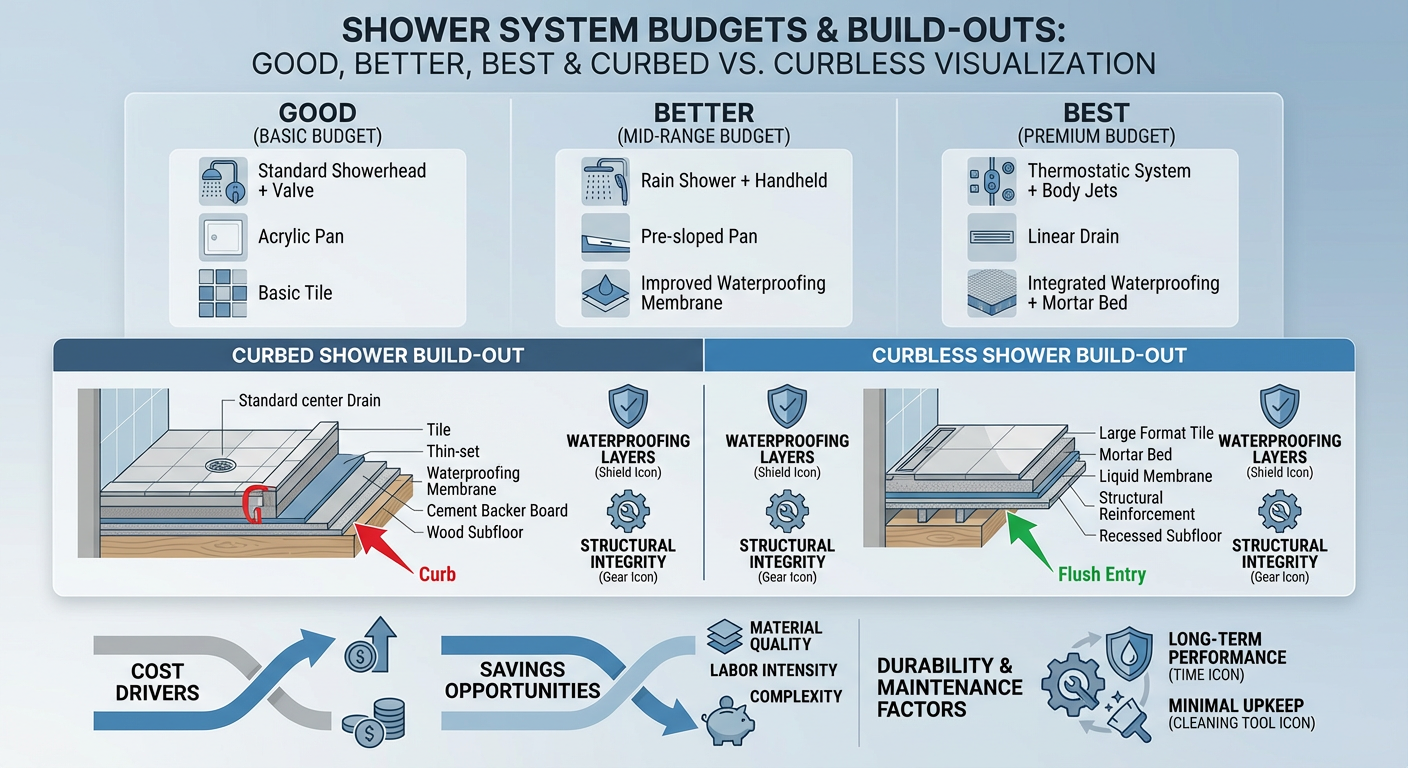
5. Ensuring Durability: The Reality of a Proper Shower System
The shower is often the focal point of a modern bathroom remodel, representing both a functional necessity and a personal sanctuary. However, beneath the aesthetic appeal of luxurious tiles and gleaming fixtures lies a complex system whose proper installation is paramount to the longevity and structural integrity of the entire bathroom. In 2026, as homeowners in Phoenix and across the United States invest significant amounts in their bathroom remodels – with median spending on primary bath renovations reaching up to $25,000 for larger spaces and full remodels ranging from $25,000 to $80,000 nationwide [15] [14] – the emphasis on durability, particularly within the shower system, has never been more critical. This section delves into the intricate components of a “proper shower system,” highlights the industry standards governing its construction, and underscores why investing in meticulous, behind-the-walls work is not an option but a necessity to prevent costly failures and water damage in the long run.
5.1. The Critical Role of the Shower System in Bathroom Longevity
The shower area, by its very nature, is subject to constant moisture. Unlike other parts of the home where water exposure is infrequent or accidental, a shower is an intentional wet environment. Consequently, it represents the highest risk area for water intrusion and subsequent damage if not constructed correctly. An average shower installation alone can cost around $8,200 nationally, with custom tiled walk-in showers ranging from $4,000 to over $10,000 [12] [11]. This substantial investment demands a foundation that can withstand daily onslaughts of water without compromise.
The term “shower system” encompasses more than just the visible tiles and fixtures. It refers to the entire coordinated assembly, from the subfloor to the finished surface, designed to manage water effectively and prevent leaks. This system typically includes:
- Subfloor and Framing: The structural base that supports the entire shower.
- Shower Pan/Receptor: The sloped base that directs water to the drain. This can be a pre-manufactured unit (e.g., fiberglass, acrylic) or a custom, site-built mortar bed.
- Waterproof Membrane/Liner: The absolute barrier that prevents water from penetrating into the walls and floor structure. This is perhaps the single most critical component.
- Drain Assembly: Designed to channel water away efficiently, with proper clamping mechanisms to seal to the membrane.
- Backer Board: Moisture-resistant cementitious or foam boards installed on walls, providing a stable substrate for tile.
- Vapor Retarder/Waterproofing on Walls: An additional layer applied over backer board to prevent vapor transmission through walls.
- Tile and Grout: The decorative, wear-resistant surface. Crucially, tile and grout are *not* inherently waterproof [27]. Their primary role is aesthetics and protection from physical abrasion, with the underlying membrane providing the actual leak protection.
The integrity of this multi-layered system is what determines the shower’s lifespan. Shortcuts during installation, such as using inappropriate materials (e.g., green board instead of cement backer board in wet areas), improper slope, or inadequate sealing of membranes and penetrations, inevitably lead to problems. As one experienced remodeler candidly states, “most shower failures stem from shortcuts in the pan or waterproofing” [26]. These hidden flaws may not manifest for several years, but once they do, the consequences can be severe, ranging from mold growth and foul odors to extensive structural damage to framing, subflooring, and adjacent rooms. The cost of rectifying such failures typically involves a complete tear-out and redo, effectively doubling the initial investment in the shower system [26].
5.2. Adherence to Industry Standards: TCNA and ANSI
To mitigate the risks associated with shower construction, the remodeling industry adheres to stringent standards set forth by organizations like the Tile Council of North America (TCNA) and the American National Standards Institute (ANSI). These standards represent best practices developed through extensive research and field experience, aiming to ensure safety, durability, and performance.
The **TCNA Handbook for Ceramic Tile Installation** is a seminal guide, offering detailed methods and specifications for various tile applications, including showers. For instance, in curbless shower installations – an increasingly popular choice for its sleek aesthetics and accessibility – the TCNA outlines specific methods such as B421C and B422C. These methods mandate critical design and construction elements to ensure water containment in the absence of a physical curb:
- Slope to Drain: A consistent slope of **¼″ per foot** (approximately 2%) toward the drain is required for the shower floor [27]. This ensures efficient drainage and prevents standing water. Achieving this slope, particularly in a curbless design, often necessitates depressing the subfloor or slab by 2-3 inches [10].
- Continuous Waterproof Membrane: The waterproof membrane must extend continuously up the shower walls and, crucially for curbless designs, at least **12 inches beyond the shower area** onto the main bathroom floor [27]. This enlarged membrane area acts as a buffer against splashes and helps contain any water that might escape the immediate shower footprint.
- Water-Resistant Backer Boards: TCNA guidelines emphasize the use of appropriate cementitious or foam backer boards for wall substrates, offering superior water resistance and dimensional stability compared to standard drywall.
The **ANSI A118 series** of standards provides detailed specifications for tile installation materials, including adhesives, grouts, and waterproofing membranes [27]. Compliance with ANSI A118.10, for example, verifies the performance characteristics of bonded waterproofing membranes, ensuring they meet the necessary criteria for elasticity, tensile strength, and water impermeability.
Professional flood testing of the shower pan is another critical, non-negotiable step before tile installation. This involves plugging the drain and filling the finished shower pan with water for at least 24 hours to visually inspect for any leaks. This simple test, often overlooked or rushed, can detect hidden flaws before they become expensive catastrophes.
For homeowners, understanding these standards means recognizing that a contractor’s adherence to them is a direct indicator of quality and long-term reliability. A remodeler who emphasizes or includes these meticulous steps in their proposal, even if it adds to the upfront cost, is demonstrating a commitment to lasting craftsmanship. As Phoenix Home Remodeling notes, “Showers are the most expensive aspect to a bathroom remodel. Leaks are a huge danger, so we take extra precautions” [28] – a sentiment that underscores the importance of proper, standards-compliant installation.
5.3. Components of a Durable Shower System: A Deeper Look
Beyond broad standards, specific material choices and installation techniques contribute significantly to the durability of a shower system.
5.3.1. Waterproofing Technology
The evolution of waterproofing technology has provided remodelers with highly reliable options.
- Bonded Sheet Membranes: Systems like Schluter-KERDI are increasingly popular. These systems use waterproof fabric (often polyethylene) that is adhered directly to the substrate (backer board, floor). They provide a continuous, seamless waterproof layer over the entire shower perimeter, including corners, niches, and curb tops. The advantages include quick installation, robust performance, and system warranties when installed correctly. A Schluter-KERDI system can add a few hundred dollars to material costs but offers significant peace of mind [29].
- Liquid-Applied Membranes: Products like Laticrete Hydro Ban or RedGard are rolled or troweled onto the substrate, forming a monolithic rubberized barrier. These are effective for irregular surfaces and offer flexibility.
- Traditional PVC/CPE Liner + Mortar Bed: This method involves a flexible plastic liner draped over a pre-sloped mortar base, with a second layer of mortar applied on top for tiling. While effective, it requires more skill and a two-stage process for the mortar bed. It’s crucial for the liner to be properly sloped and free of punctures, and the clamping drain must be securely sealed to the liner. This method is common in areas like California.
- Foam Board Systems: Lightweight, waterproof foam panels (e.g., Wedi, Kerdi-Board) can be used for both shower pans and walls. These integrate waterproofing directly into the substrate, speeding up installation and offering excellent insulation properties.
Regardless of the method chosen, the critical factor is a continuous and properly sealed waterproof envelope. Any penetration (e.g., by screw, fixture pipe) must be meticulously sealed to prevent future leaks.
5.3.2. Shower Pan Construction and Floor Slope
The shower pan is the heart of the waterproofing system. For traditional curbed showers or curbless designs, the ability to create and maintain the required ¼” per foot slope is paramount.
- Custom Mortar Pans: For tile showers, a custom-built mortar pan allows for precise slope creation, especially when accommodating linear drains or complex shower geometries. Skilled tile setters are crucial here.
- Pre-Sloped Trays: Many bonded membrane systems offer pre-sloped foam trays that simplify installation and ensure correct pitch. These reduce labor time and human error.
The importance of this slope cannot be overstated. Without it, water will pool, leading to mold, mildew, and eventual failure of the grout and even the bonding of the tile.
5.3.3. Wall Substrates and Vapor Management
While often hidden, the walls of the shower enclosure require specific attention.
- Cementitious Backer Board: Materials like cement board (e.g., HardieBacker, Durock) are standard. They are dimensionally stable even when wet and provide a strong base for tile.
- Waterproof Foam Boards: As mentioned, these provide built-in waterproofing and insulation.
- Vapor Retarder: In addition to waterproofing, a vapor retarder (such as polyethylene sheeting behind the cement board or a liquid-applied membrane over it) prevents moisture vapor from passing through the walls into the wall cavity, which can lead to mold and rot.
Using standard drywall or even “green board” (which is only moisture-resistant, not waterproof) in a shower enclosure is a common shortcut that inevitably leads to failure and should be strictly avoided.
5.3.4. Drainage and Water Containment
The drain assembly must be matched to the chosen waterproofing system and installed precisely. Clamping drains are essential for traditional liners, while specific flange drains integrate with bonded membranes. For curbless showers, linear drains placed strategically can enhance both aesthetics and drainage efficiency. Such drains are often positioned near the shower entry to capture any potential overspray [27].
In Phoenix, where one-story slab-on-grade homes are common, creating a curbless shower introduces a unique complexity: the need to cut into the concrete slab to recess the shower floor and achieve the necessary slope [10]. This involves specialized tools and additional labor, contributing to the higher cost of curbless installations (typically $1,000–$2,000 more in labor for slab foundations, and potentially $2,000–$5,000 for complex cases) [9] [7]. The decision to go curbless must therefore be weighed against this structural intervention and its associated costs.
5.4. The Cost of Quality vs. The Cost of Failure
The “cost” of a proper shower system is not merely the sum of its material components, but also the skilled labor required for meticulous installation. Homeowners often balk at the price of “invisible” work behind the walls, preferring to allocate budget to visible finishes like expensive tile or luxurious fixtures. However, this perspective is economically short-sighted.
Consider this: a custom tiled walk-in shower might cost $4,000 to $10,000+ [11]. A significant portion of this goes towards labor, waterproofing, and substrate preparation. If shortcuts are taken and the system fails, repair costs can quickly eclipse the initial build. A complete tear-out, remediation of water damage (which could include mold removal and structural repairs), and re-installation can easily run into tens of thousands of dollars. The inconvenience, stress, and potential health hazards associated with mold growth are additional, unquantifiable costs.
Table 5.1: Illustrative Cost Comparison: Proper Shower System vs. Failed System Repair
| Category | Properly Installed Shower System (Initial Investment) | Failed Shower System Repair (Additional Cost) |
|---|---|---|
| Waterproofing Materials (e.g., bonded membrane) | $300 – $800 | N/A (already failed) |
| Skilled Labor for Prep & Waterproofing | $1,000 – $2,500 | $3,000 – $7,000 (demolition, damage remediation, re-installation labor) |
| Substrate (backer board, mortar) | $200 – $500 | $200 – $500 (replacement) |
| Flood Testing | Included in labor / Minimal | N/A (rectifying a failure) |
| Permits & Inspections (for structural work) | $100 – $500 | $100 – $500 (for repair work) |
| Total Additional/Avoided Cost | $1,600 – $4,300 (Initial Investment for Durability) | $3,300 – $8,000 (Repair Cost) + potential for larger structural damage |
| Consequence if Skipped | Peace of mind, long lifespan (15+ years) | Water damage, mold, structural rot, inconvenience, potential health issues, complete re-do cost. |
This table illustrates that while investing upfront in proper workmanship and materials might add several thousand dollars to the initial project cost, it effectively acts as insurance against far more expensive and disruptive repairs down the line. It’s the difference between a one-time investment and a recurring liability. This is particularly relevant in areas like Phoenix, where the dry climate might lull homeowners into a false sense of security regarding water damage, but once a leak occurs, the hot environment can exacerbate mold growth.
Moreover, a well-built shower system contributes to the home’s resale value. Potential buyers, especially those who understand construction quality, will appreciate a bathroom built to last. An updated bathroom with a large, step-in shower and modern finishes is consistently in high demand, leading to a strong return on investment (ROI) currently around 74-80% for midrange remodels [23] [24]. A functional, leak-free shower is a key component of this appeal.
5.5. Considerations for Phoenix Homeowners
Phoenix presents unique environmental factors that reinforce the importance of a durable shower system:
- Hard Water: Phoenix’s municipal water is notoriously hard, often registering **200–300+ ppm of minerals** [21]. This high mineral content leads to significant limescale buildup on surfaces, especially shower glass and fixtures. While not directly affecting waterproofing behind the walls, hard water is an ongoing maintenance challenge unless mitigated.
- Mitigation: Many Phoenix remodels now incorporate whole-house water softeners (~$1,000-$2,000) or specify protective coatings for shower glass to resist etching and mineral deposits. Choosing fixtures with durable finishes (e.g., PVD coatings) and solid brass internals is also advisable to withstand the corrosive effects of hard water over time.
- Slab-on-Grade Construction: A majority of single-story homes in Arizona are built on concrete slabs. As previously mentioned, this makes modifications for curbless showers significantly more labor-intensive and costly, requiring concrete cutting and recessing [10] [9]. This structural consideration needs to be part of the initial planning phase, not an afterthought.
- Climate and Indoor Air Quality: While the outdoor climate is dry, any chronic leak or undetected moisture issue within the enclosed space of a bathroom can quickly become a breeding ground for mold and mildew due, in part, to temperature variations. Proper ventilation (via an exhaust fan on a timer) and a robust waterproof system are crucial for maintaining healthy indoor air quality.
5.6. What Raises Cost Most and What Swaps Save Money in a Shower System
What Raises Cost Most:
- Curbless Design on a Slab Foundation: The need to cut and depress the concrete slab for proper slope and drainage is a significant cost adder, ranging from $1,000 to $5,000 extra [9] [7].
- Custom Tile Work: Intricate patterns, small mosaic tiles, or ceiling-height installations demand more labor and skill, escalating tile installation costs (up to $50/sq.ft. with labor for midrange tiles) [19]. Large format tiles can also be more difficult to correctly set on contoured shower pans.
- High-End Waterproofing & Substrates: While essential, premium integrated systems (like fully-featured Schluter or Wedi systems with pre-sloped trays and niches) are more expensive than basic liner systems, though they offer warranties and superior performance.
- Multiple Shower Heads/Jets: Adding rainfall showerheads, body jets, or multiple shower devices requires additional plumbing lines, valves, and specific waterproofing for each penetration, increasing both material and labor costs.
- Structural Enlargement: If the shower enclosure footprint is being expanded into an adjacent space, it will incur costs for demolition, new framing, and extending all underlying systems.
What Swaps Save Money:
- Curbed Shower Over Curbless: Opting for a standard shower curb can save $500–$2,000+ compared to a curbless design, especially on a slab foundation [8] [9]. A low-curb (1-2 inch) offers a good compromise for accessibility and water containment.
- Larger Format, Simpler Tile Patterns: Using larger format tiles (12×24, 24×24) with fewer cuts and a simpler subway or stacked pattern can significantly reduce tile installation labor compared to intricate designs. Choosing ceramic or porcelain instead of natural stone also reduces material costs [20].
- Prefabricated Shower Pans: If the design allows, a high-quality prefabricated shower base (e.g., acrylic, composite) can be a cost-effective alternative to a site-built tiled pan, reducing labor and waterproofing complexity. These can range from $600–$1,800 installed [13].
- Single Shower Head Layout: Sticking to a single, high-quality shower head and hand-held combo rather than multiple spray devices simplifies plumbing and reduces fixture costs.
- “Replace in Place” Strategy: If the existing shower footprint is adequate, keeping the same dimensions and retaining the current drain location can lead to significant savings by avoiding structural changes and extensive plumbing rerouting.
- Framed or Semi-Frameless Glass Enclosures: While frameless enclosures are popular, framed or semi-frameless options are often considerably less expensive for glass doors, though they may have a slightly different aesthetic.
Ultimately, prioritizing a robust and properly installed shower system is not an area to cut corners. It forms the functional and protective core of a bathroom, safeguarding the home from water damage and ensuring the longevity of the entire remodel. While it may not be the most visually appealing part of the budget, it is undoubtedly the most important for both peace of mind and long-term value.
The discussion on durable shower systems naturally leads us to the broader implications of material choices and their long-term impact. In the next section, we will delve into the realm of “Selecting Materials for Beauty and Durability: Tile, Countertops, and Fixtures,” exploring how smart decisions in these areas can balance aesthetic desires with practical considerations for a lasting and visually appealing bathroom.
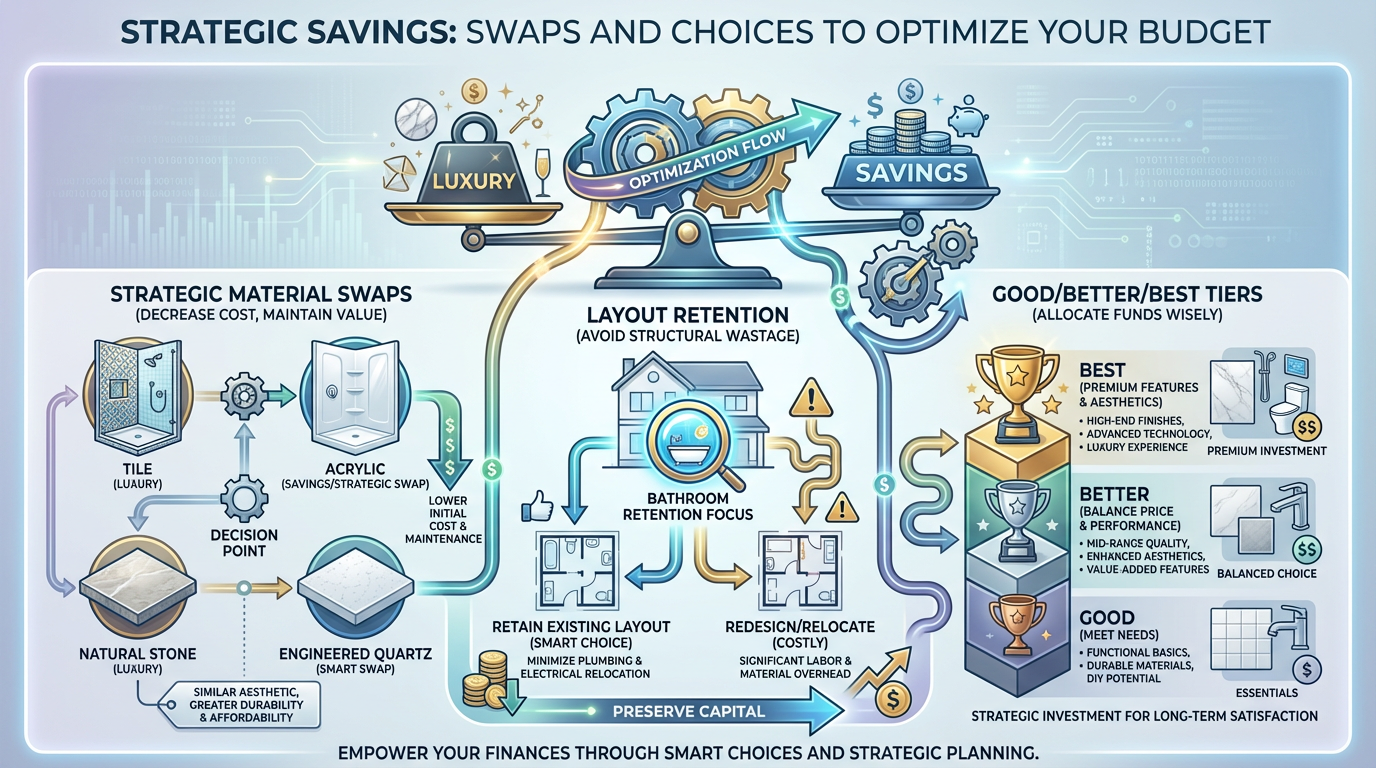
6. Strategic Savings: Swaps and Choices to Optimize Your Budget
Embarking on a bathroom remodel in 2026, especially in a dynamic market like Phoenix, presents homeowners with both exciting design possibilities and significant financial considerations. While the allure of a luxurious, spa-like sanctuary is strong, the reality for most homeowners is that budget constraints necessitate strategic decision-making. The good news is that achieving a beautiful, functional, and durable bathroom does not always require a top-tier budget. This section delves deep into practical strategies for optimizing your bathroom remodel budget without compromising on quality or essential functionality. We will explore various swaps and choices, from retaining existing layouts to smart material selection and opportunistic shopping, providing homeowners with the knowledge to make informed decisions that align their vision with their financial realities. Understanding where to splurge and where to save is paramount, particularly when facing average Phoenix remodel costs ranging from approximately $6,973 to $18,186 for typical projects, and up to $90,000 for high-end master baths [3][5]. By identifying areas for cost optimization, homeowners can transform their bathrooms effectively and efficiently, ensuring satisfaction and a strong return on investment.
6.1. Retaining Existing Layouts: The Foundation of Budget-Friendly Remodels
One of the most impactful strategies for significant cost savings in a bathroom remodel is to resist the urge to alter the existing floor plan. The plumbing system – comprising the water supply lines, drain lines, and vent pipes connected to your toilet, sink, and shower/tub – is inherently complex and expensive to modify. Moving any of these fixtures requires opening walls, cutting into floors (which in Phoenix’s slab-on-grade homes often means concrete cutting), rerouting pipes, and ensuring everything meets current building codes [33][34]. This extensive labor and material requirement inflates the budget dramatically. The average cost to rough-in new plumbing for a major bathroom remodel, for instance, can be around $7,000 [31], with plumbers charging $45–$200 per hour [30]. Electrical work, for new lighting or outlets, also adds another $50–$200 per hour in labor [32]. By contrast, if each fixture stays in its original location, the plumbing modifications are typically minimal, focusing primarily on replacing old fixtures with new ones that tie into existing lines. This “replace in place” approach can drastically reduce labor hours and specialized contractor involvement, making it a cornerstone for budget-conscious renovations. For instance, homeowners can still achieve a completely fresh look by upgrading their vanity, toilet, and shower/tub unit without touching the underlying plumbing. While a full, down-to-studs remodel with layout changes can easily push costs into the $25,000–$80,000 range [6], a partial remodel that maintains the layout might range from $10,000–$25,000 [6]. The difference can be tens of thousands of dollars.
The strategic implication is clear: before sketching out a dream layout that reconfigures the entire space, homeowners should seriously evaluate whether the functional benefits outweigh the substantial added costs. If the existing layout is already reasonably functional and aesthetically acceptable, maintaining it is arguably the single most effective way to keep the project within budget. This allows funds to be reallocated to crucial elements like quality waterproofing, durable finishes, or perhaps a single high-impact splurge, described later in this section.
6.2. Smart Material Selection: Balancing Aesthetics with Cost
Material choices are another significant lever for budget control, offering a wide spectrum of price points for similar aesthetics. Achieving a high-end look doesn’t always necessitate high-end materials. For example, tile selection profoundly impacts the overall remodel cost. While natural marble or high-end glass tiles can command prices of $20–$40 per square foot, a good-quality ceramic or porcelain tile can be found for $2–$5 per square foot [36]. Many porcelain tiles are now manufactured to convincingly mimic the look of natural stone, wood, or even concrete, providing a luxurious aesthetic at a fraction of the cost and with greater durability and easier maintenance. Installing tile can range from $10–$50 per square foot including labor, depending on the complexity and material [35].
Similarly, when it comes to countertops, homeowners have numerous options. While natural stone like granite or marble is popular, more affordable alternatives such as quartz, cultured marble, or even high-quality laminates can deliver a desirable finish. Cultured marble, for example, offers a seamless look, is highly durable against Phoenix’s hard water, and costs significantly less than its natural stone counterparts. Custom cabinetry, a feature that can individually add $10,000 or more to a project, can often be swapped for off-the-shelf or semi-custom vanity units [38]. A prefabricated 36-inch vanity can cost as little as $500, a stark contrast to the thousands for custom-built options.
Fixtures also present opportunities for savvy savings. A basic chrome faucet, perfectly functional and visually appealing, can cost $50–$150, while designer models can easily exceed $500 [42]. The same principle applies to toilets: a standard two-piece toilet averages around $375 installed [37], but wall-mounted or智能 toilets can range from $1,000 to $4,000 [38]. Choosing classic, mid-range options from reputable brands for widespread fixtures and then strategically splurging on one or two “statement pieces” (e.g., a unique light fixture, a rainfall showerhead) can create a high-impact design without inflating the entire budget. Houzz data indicates that premium features like rainfall showerheads are very popular, appearing in 54% of remodels [25], illustrating where homeowners often choose to invest selectively.
| Component | Splurge Option (Higher Cost) | Save Option (Lower Cost) | Estimated Cost Differential (Material Only) |
|---|---|---|---|
| Shower Walls/Flooring | Natural Marble/High-End Glass Tile ($20-$40/sq.ft.) | Porcelain/Ceramic Tile ($2-$5/sq.ft.) | $18-$35/sq.ft. |
| Vanity Top | Custom Natural Stone (e.g., Granite, Marble) | Quartz/Cultured Marble/Laminate | $500 – $3,000+ |
| Cabinetry | Custom Millwork Double Vanity | Off-the-shelf/Semi-custom Vanity | $2,000 – $10,000+ |
| Faucets | Designer Brand Faucet ($500+) | Mid-range Chrome Faucet ($50-$150) | $350 – $1,000+ per faucet |
| Toilet | Wall-mounted/Smart Toilet ($1,000-$4,000) | Standard Two-piece Toilet ($375 installed) | $625 – $3,625 |
| Shower Enclosure | Frameless Glass Enclosure (custom sizes) | Semi-frameless or Framed Glass Enclosure (stock sizes) | $500 – $2,000+ |
6.3. Refinishing vs. Replacing: Cosmetic Upgrades with Cost-Cutting Precision
For bathrooms where the underlying structures are sound but surfaces are merely dated or worn, refinishing presents a compelling and economical alternative to full replacement. This strategy is particularly effective for ceramic tile, cast iron or fiberglass tubs, and even vanity tops. Professional refinishing involves thoroughly cleaning, repairing, and then applying a new, durable coating to the existing surface, making it look new for a fraction of the cost of tear-out and replacement [40].
The cost savings can be substantial: professional refinishing of existing tile and tubs in a typical bathroom typically costs around $1,200–$1,400 [39]. This is a considerable saving compared to ripping out and replacing tile, which can easily cost $5,000 or more [39]. Such a process can revitalize dated 1950s colored tile, for example, making it appear “like new” within a couple of days [40]. This option is ideal for secondary bathrooms, rental properties, or situations where the budget is tight but a cosmetic refresh is desired. It extends the life of existing components and avoids the mess, debris, and extended timelines associated with demolition and new installation. While refinishing is not a permanent solution in the same way replacement is, it offers an excellent value proposition, providing several years of refreshed aesthetics for 50-75% less than the cost of replacement [39].
6.4. Strategic DIY Contributions and Opportunistic Shopping
Homeowners willing and able to tackle certain tasks themselves can chip away at the labor costs, which typically account for 40%–65% of the total bathroom remodel budget [29]. Simple, non-technical tasks are the safest bets for DIY: demolition (removing old fixtures, tile, and drywall), painting, and installing accessories like towel bars, toilet paper holders, and mirrors. Even simple tasks like hauling away debris can save hundreds of dollars. However, it’s crucial for homeowners to be realistic about their skill levels and time availability. Attempting complex tasks like plumbing, electrical work, or intricate tile setting without proper experience can lead to costly mistakes, delays, and even safety hazards, often requiring professionals to fix errors that ultimately cost more than if they had been hired initially.
Beyond DIY labor, strategic shopping can uncover significant savings on materials and fixtures:
- Sales and Clearance: Many retailers, from large home improvement chains to specialty showrooms, run periodic sales or offer clearance items, especially for discontinued styles or overstock. Shopping strategically during these times can yield high-quality items at steep discounts.
- Online Retailers: The internet offers a vast selection of fixtures, tiles, and accessories at competitive prices. However, buyers should be wary of shipping costs, return policies, and ensuring products meet quality and local code standards.
- Architectural Salvage and Reuse Centers: For those seeking unique or vintage aesthetics, salvage yards and reuse centers can be treasure troves for high-quality, pre-owned items like pedestal sinks, clawfoot tubs, or unique lighting fixtures. While these require an eye for quality and often some restoration, they can offer significant savings and character [43].
- Contractor Discounts: Good contractors often have established relationships with suppliers and can access trade discounts not available to the public. It’s worth discussing whether your contractor can pass on some of these savings or guide you to their preferred vendors for better pricing.
6.5. Prioritizing Durability and Hidden Essentials: Avoiding False Economies
While cost-saving strategies are vital, there are certain areas where skimping on quality can lead to much larger expenses down the line. The most critical of these is the “shower system” and overall waterproofing. As emphasized by experts, the shower is often the most expensive component of a bathroom remodel, and shortcuts in its construction or waterproofing are the primary cause of future failures [9][19]. Waterproofing elements, such as membranes, pan liners, and proper backer boards, are hidden behind the tile but are solely responsible for preventing water damage to the home’s structure. Tile and grout are not inherently waterproof; they merely offer a decorative and durable surface [17].
Industry standards, such as those from the Tile Council of North America (TCNA) Handbook and ANSI A118.10, dictate specific methods for constructing a watertight shower pan and walls. This includes features like a ¼″ per foot slope to the drain and continuous waterproof membranes extending up the walls and, for curbless designs, at least 12 inches beyond the shower area onto the main bathroom floor [17][18]. Ignoring these standards or using inferior materials can result in leaks, mold growth, and structural damage within a few years, necessitating a complete tear-out and redo of the shower at significantly higher costs than the initial investment in proper construction. As one remodeler bluntly states, “most shower failures aren’t due to bad tile or materials, they are caused by shortcuts, poorly constructed pans, or incomplete waterproofing… Once tile is installed, those mistakes are hidden until damage has occurred.” [20].
Therefore, homeowners should allocate a substantial portion of their budget (often 5-10% of the total project) to these unseen but critical components. Insisting on methods like a bonded membrane system (e.g., Schluter-KERDI, Laticrete Hydro Ban) and ensuring the contractor performs a flood test on the shower pan before tiling is crucial. These integrated shower systems, while adding a few hundred dollars in material cost, offer warranties and engineered reliability that prevent future headaches. This is an investment in longevity and peace of mind, not an area for cost reduction.
Other essential, though hidden, upgrades include:
- Ventilation: A powerful and correctly vented exhaust fan is critical for moisture control, preventing mold and mildew growth. Upgrading an old, ineffective fan is a wise investment.
- Behind-the-Wall Blocking: Installing wood blocking within the walls during the rough-in phase for future grab bars around the toilet or shower is a minimal upfront cost that provides significant safety and accessibility benefits later, especially relevant with the rise of aging-in-place trends [26].
- Quality Rough-in Plumbing: While visible fixtures can be changed easily, the valves and connections behind the wall are much harder to access if they fail. Investing in quality, easy-to-replace rough-in valves is recommended.
6.6. Regional Considerations for Cost Optimization in Phoenix
Phoenix’s unique environmental factors also present opportunities and necessities for strategic budget allocation:
- Hard Water Protection: Phoenix water is exceptionally hard, often containing 200–300+ ppm of minerals [16]. This leads to mineral buildup, etching of glass, and premature wear on fixtures. Investing in protective coatings for shower glass (e.g., ClearShield, ShowerGuard) or considering a whole-house water softener (which can add $1,000–$2,000 to the project but protects all plumbing and appliances) is a crucial long-term cost-saver by reducing maintenance and extending the life of new fixtures [39].
- Slab Construction: Many Phoenix homes, particularly single-story layouts common in Arizona, are built on concrete slab foundations [15]. This influences the cost of layout changes and curbless showers. Achieving a curbless shower often requires cutting into and recessing the concrete slab, adding significant labor, dust control, and associated costs ranging from $1,000–$5,000 over a standard curbed shower [11][12][13]. Homeowners must budget accordingly if this feature is a priority.
- Climate-Appropriate Features: While heated floors are popular in colder climates, their necessity in Phoenix is limited, making them a luxury splurge rather than a practical investment for most. Focus on features that enhance comfort and reduce maintenance in a hot, dry climate, such as efficient ventilation and durable, easy-to-clean surfaces.
6.7. Contingency Planning and Return on Investment
Regardless of the budget or chosen strategies, it is always prudent to allocate a contingency fund of 10%–15% of the total project cost. This acts as a buffer for unforeseen issues that frequently arise during renovation, such as discovering mold, asbestos, or outdated wiring/plumbing behind walls [47]. A well-planned contingency fund prevents project stalls and last-minute budget cuts on essential elements.
Finally, remember that a bathroom remodel is often a significant investment with a strong return. A midrange bathroom remodel (costing around $25,000) can add an estimated $18,000–$21,000 to the home’s value at resale, representing a recoup of 74–80% of the costs [14]. This demonstrates that smart investments in bathroom upgrades are not just about personal enjoyment but also about enhancing property value. By making strategic swaps and choices, homeowners can achieve a beautiful, functional bathroom within their desired budget, ensuring both immediate satisfaction and long-term financial benefit.
Understanding these strategic savings methods empowers homeowners to navigate the complexities of a bathroom remodel with confidence, transforming their vision into a reality that respects both quality and budget. The next section will delve deeper into specific budget breakdowns, presenting “good, better, best” templates for various bathroom scopes and highlighting the cost implications of curbless versus curbed shower systems.
7. Regional Nuances: Remodeling in Phoenix, Arizona
The arid landscape and unique environmental characteristics of Phoenix, Arizona, significantly influence the dynamics, challenges, and costs associated with bathroom remodeling projects. While national trends provide a broad framework for understanding renovation expenditures, local geological factors, environmental conditions, and prevalent housing styles introduce critical considerations that can materially impact project scope, material choices, and overall budgets for homeowners in the Valley of the Sun. From the widespread use of slab foundations to the notorious hardness of the municipal water supply, a remodel in Phoenix demands a nuanced approach that addresses these regional specificities head-on. This section delves into these unique factors, providing a granular look at how Phoenix’s environment shapes bathroom remodeling in 2026, especially concerning curbless showers, hard water protection, and the prevalence of expansive primary bathrooms in single-story homes.
7.1. The Slab Foundation Challenge for Curbless Showers
One of the most defining characteristics of residential construction in Phoenix, and indeed much of the American Southwest, is the prevalence of homes built on concrete slab foundations. This structural choice, while offering benefits in terms of cost-efficiency and stability in a seismically active region, presents a distinct technical and financial hurdle for homeowners aspiring to incorporate modern, accessible features like curbless showers into their bathroom remodels.
A curbless (or barrier-free) shower is designed to be flush with the surrounding bathroom floor, eliminating the traditional stepped threshold. This design not only creates a sleek, contemporary aesthetic but also significantly enhances accessibility, making the bathroom safer and more comfortable for individuals with mobility challenges or those planning to “age in place” [9], [21]. National data indicates a strong trend towards these accessible designs, with approximately 24% of remodeled bathrooms now opting for curbless showers [9]. Additionally, a notable two-thirds (66%) of homeowners are incorporating at least one aging-in-place feature into their bathroom renovations, a figure that has risen from 54% in 2021 [8]. This focus is particularly relevant in Phoenix, home to a significant retiree population.
However, achieving this seamless transition on a slab foundation is far from a simple task. For a curbless shower to drain properly and prevent water from spilling onto the bathroom floor, the shower pan area must be subtly sloped towards the drain and *recessed* relative to the main floor level. Industry standards, such as those detailed in the TCNA (Tile Council of North America) Handbook, specify a minimum slope of ¼ inch per foot towards the drain [13]. To achieve this necessary depression on a slab, contractors must perform extensive and labor-intensive work.
The process typically involves the following steps:
- Slab Cutting and Jackhammering: A significant portion of the concrete slab within the planned shower footprint needs to be precisely cut and then broken out using jackhammers. This creates the necessary depth for the recessed shower pan. This is messy, dusty, and time-consuming work that requires specialized equipment and skilled labor [5], [18].
- Plumbing Modifications: The existing drain plumbing often needs to be re-routed or lowered to accommodate the new pan depth and linear drain system preference. This can involve breaking out additional concrete to access and modify the sub-slab plumbing lines.
- Creating a New Sub-Base: Once the concrete is removed, a new sub-base needs to be meticulously formed and poured, incorporating the required slope to the drain. This often involves specialized pre-sloped pans or poured mortar beds [18].
- Intensive Waterproofing: Given the criticality of preventing leaks in a curbless design, the waterproofing layer must be exceptionally robust. This includes bonding a waterproof membrane (such as a Schluter-type system or hot-mop/liner) over the entire recessed area, extending up the walls, and often beyond the shower footprint onto the main bathroom floor, typically by at least 12 inches, to contain any potential overspray or errant water [13], [26].
These additional steps translate directly into increased costs. While national averages for curbless showers suggest a premium of $500–$700 over standard curbed showers [4], this figure can be misleading for slab foundations. Experienced remodelers in areas with prevalent slab construction, such as Austin, Texas (which shares similar geological characteristics and construction methods with Phoenix), report that curbless designs typically incur an additional $1,000–$2,000 in labor and structural costs [5]. In more complex scenarios, particularly when significant drain relocation or large-format tile installation is involved, this premium can surge to $2,000–$5,000 [24]. Phoenix-based projects have shown these higher-end costs, with one example noting an extra $2,500 due to the jackhammering required for a curbless conversion [21].
This means that for most Phoenix homeowners, the dream of a curbless shower will almost certainly necessitate a deeper investment compared to their peers in regions with wood-framed homes and crawl spaces, where modifications to joists and subfloors can be achieved with less invasive and costly methods. It is crucial for Phoenix homeowners to engage with experienced contractors who are well-versed in slab construction and the precise requirements of curbless shower installation to ensure long-term durability and prevent devastating water damage. The additional cost upfront is an investment against potential catastrophic failures resulting from inadequate preparation or waterproofing.
7.2. The Hard Water Challenge: Protection for Fixtures and Glass
Phoenix is infamous for its exceptionally hard water supply. The municipal water in the region is characterized by high concentrations of dissolved minerals, primarily calcium and magnesium, with hardness levels frequently reaching between 200 and 300+ parts per million (ppm) [11]. This places Phoenix’s water firmly in the “very hard” category [11]. For bathroom remodels, this environmental factor is a significant consideration, impacting material longevity, maintenance, and ultimately, the recommended product choices and potential additional costs for homeowners.
The effects of hard water are immediately apparent and can be frustrating:
- Mineral Buildup (Limescale): White, chalky deposits accumulate rapidly on shower glass, faucets, showerheads, and tile surfaces. This limescale is unsightly and incredibly difficult to remove once it hardens.
- Etching and Staining: Over time, hard water can etch the surface of glass shower doors, making them appear perpetually cloudy even after cleaning. It can also cause irreversible staining on certain plumbing fixtures and tile grouts.
- Fixture Deterioration: The mineral deposits can clog and corrode the internal mechanisms of faucets and showerheads, leading to reduced water flow, inefficient operation, and premature failure of components. The lifespan of expensive fixtures can be significantly shortened.
- Reduced Cleaning Efficiency: Hard water reduces the effectiveness of soaps and detergents, often requiring more product and effort to achieve cleanliness, and can leave behind soap scum that combines with mineral deposits to form stubborn films.
To combat these pervasive issues, bathroom remodels in Phoenix often integrate specific protective measures, influencing both design and budget:
- Water Softening Systems: The most comprehensive solution is a whole-house water softening system. These systems typically add $1,000–$2,000 to the overall project cost [11] but offer long-term benefits by protecting *all* plumbing, appliances, and fixtures throughout the home, not just those in the bathroom. They reduce the need for abrasive cleaning products and extend the life of water-using appliances.
- Protective Glass Coatings: For shower enclosures, especially frameless glass units, specifying glass treated with factory-applied hydrophobic coatings (e.g., ShowerGuard®, ClearShield®) is highly recommended. These coatings create a smoother surface that repels water, making it bead up and run off, significantly reducing water spotting and mineral adherence. While adding a premium to the glass cost, these coatings drastically simplify cleaning and help maintain the glass’s clarity and appearance over time. Vinegar-resistant glass is another consideration for the region [11].
- Fixture Material Selection: Homeowners are often advised to select plumbing fixtures made from materials and finishes known for better hard water resistance. Polished chrome and brushed nickel tend to show water spots more readily than certain matte finishes or oil-rubbed bronze. Moreover, investing in higher-quality fixtures with brass internals can help prevent premature corrosion and clogging when exposed to hard water conditions [11].
- Design for Easy Maintenance: Design choices can also mitigate hard water impact. For example, opting for larger format tiles over small mosaics reduces the amount of grout lines, which are prone to mineral buildup and staining. Furthermore, specifying shower enclosures with minimal frames and crevices helps reduce areas where water and minerals can collect. Installing a handheld showerhead is particularly useful for quickly rinsing down shower walls and glass after each use, proactively minimizing spots.
Considering Phoenix’s hard water is not merely an aesthetic concern; it’s a practical necessity for ensuring the longevity and ease of maintenance of a newly remodeled bathroom. Failure to address this regional challenge can lead to rapid deterioration of new finishes and fixtures, ultimately diminishing homeowner satisfaction and potentially leading to higher maintenance costs or even premature replacement within a few years. Therefore, allocating a portion of the remodel budget towards hard water protection is a prudent investment in Phoenix.
7.3. Single-Story Layouts and Large Primary Bathrooms
The residential architecture of Phoenix is heavily characterized by single-story, sprawling layouts, especially in older, well-established communities. This prevalent housing style, often designed to maximize space and adapt to the desert climate, has a direct bearing on bathroom remodels, particularly concerning primary bathrooms.
In many Phoenix homes constructed from the mid-20th century onwards, primary bathrooms tend to be more spacious than those found in two-story homes or homes in denser urban environments. While a typical hall bathroom might occupy 35-50 square feet, primary bathrooms in these single-story Phoenix homes often range from 80 to 120 square feet or more. This ample square footage offers both opportunities and cost implications for remodeling:
7.3.1. Opportunities for Grand Design and Luxury Features
The generous dimensions of Phoenix primary bathrooms allow for the incorporation of features that might be impractical or impossible in smaller spaces:
- Expansive Showers: Homeowners can design truly large, spa-like walk-in showers. Trends show 61% of homeowners expand their shower size during remodels, with one-fifth enlarging it by over 50% [9]. In Phoenix, this often translates to multi-head showers, built-in benches, and spacious drying off areas.
- Separate Tubs: While many national trends suggest a move away from tubs in primary baths, the sheer space in Phoenix enables the separation of shower and tub, often with a freestanding soaking tub as a luxurious focal point. Data indicates the median spend for larger primary bathrooms (over 100 sq.ft.) reached $25,000 in 2022 [7], reflecting these upscale additions.
- Double Vanities and Storage: Most primary bathrooms in Phoenix easily accommodate double vanities, often with custom cabinetry and extensive storage solutions that would be challenging in tighter spaces. Custom cabinetry can, however, significantly increase costs, with a custom double vanity potentially adding $10,000+ to the project [12].
- Dedicated Zones: The larger footprint allows for the creation of distinct “zones” within the bathroom, a private toilet room, a dedicated makeup vanity, or a spacious dressing area, enhancing functionality and luxury.
These design aspirations naturally lead to higher material and labor costs. More square footage means more tile, more waterproofing, more paint, and often more extensive electrical work for specialized lighting or heated flooring. The expectation for higher-end finishes in a large primary suite also drives up budgets. As a result, a “standard” primary bathroom remodel in Phoenix can range from $40,000 to $60,000, with expansive or luxury master suites easily hitting $50,000–$90,000 [3]. This is significantly higher than a guest bathroom remodel, which typically costs $15,000 to $25,000 [3], illustrating how size and expectations combine to scale costs. Master baths commonly cost 2-3 times more than smaller hall baths due to these factors [10].
7.3.2. Tub vs. Shower Prevalence in the U.S. and Phoenix Context
The national trend towards shower-centric bathrooms, particularly in master suites, is strong. Sixty-one percent of homeowners enlarge their shower during remodels [9], and nearly half of projects feature low-curb or curbless showers [9]. About one-third of Baby Boomers, a demographic highly represented among Phoenix homeowners, are removing bathtubs entirely for safer, ADA-friendly showers [24]. In the Phoenix climate, where large soaking tubs are less frequently used for long, hot baths, the preference often shifts towards expansive walk-in showers that offer a refreshing, spa-like experience.
However, the real estate market still values having at least one bathtub in a home for resale purposes, catering to families with young children [15]. Therefore, in Phoenix’s multi-bathroom single-story homes, a common compromise is to replace the tub in the primary bathroom with an oversized shower while retaining a tub in a secondary or hall bathroom. This strategy balances personal preference with potential resale appeal.
The large, single-story layouts common in Arizona homes mean that bathroom remodels here can be ambitious, allowing for luxurious and functional designs that might be constrained elsewhere. These layouts also mean that while labor costs in Phoenix are competitive compared to some other U.S. markets, the sheer volume of materials and specialized work required for extensive primary bathroom remodels ensures that higher budgets are the norm for comprehensive renovations.
The regional nuances of Phoenix’s slab foundations, hard water conditions, and prevalent single-story home layouts with spacious primary bathrooms collectively dictate that homeowners planning remodels in 2026 must undertake careful planning and budgeting. Addressing these factors proactively is essential for achieving a successful, durable, and satisfying bathroom renovation in the unique Arizona environment.
These regional considerations, while adding layers of complexity and cost, ultimately contribute to the character and longevity of Phoenix homes. Understanding them is paramount for homeowners and contractors alike as they navigate the realities of bathroom remodeling in this growing desert metropolis.
**Next Section:** The next section will delve deeper into the types of bathroom remodels, outlining “Good, Better, Best” budget templates for Primary, Hall, and Powder bathrooms, complete with curbed vs. curbless shower comparisons.
8. Evolving Trends: Tub vs. Shower, Accessibility, and ROI
The modern bathroom is undergoing a significant transformation, moving beyond a purely functional space to become a sanctuary for relaxation, a testament to personal style, and a critical component of a home’s overall value. As we approach 2026, several key trends are shaping bathroom remodels, from the prevalence of showers over bathtubs to the increasing demand for accessible designs and a renewed focus on return on investment (ROI). Homeowners are no longer content with merely updating fixtures; they are actively seeking designs that enhance daily living, anticipate future needs, and provide a strong financial return. This section will delve into these evolving trends, examining the dynamics between tubs and showers, the growing emphasis on aging-in-place features, and the improving financial outlook for bathroom renovations, with specific data and regional considerations for the Phoenix market.
The Great Debate: Tub vs. Shower Prevalence and Implications
One of the most noticeable shifts in contemporary bathroom design is the widespread preference for large, luxurious showers over traditional bathtubs, especially in primary bathrooms. Historically, a bathtub was a standard fixture in almost every bathroom. However, lifestyle changes, evolving aesthetics, and practical considerations have fueled a significant decline in bathtub installations in master suites.
In current remodeling projects, a striking **61% of homeowners enlarge their shower** during a bathroom remodel, with approximately one in five expanding the shower by over 50%[16]. This trend points to a desire for more spacious and comfortable showering experiences. Walk-in designs are particularly popular, with various styles gaining traction: low-curb showers account for 43% of remodels, alcove showers for 42%, and fully curbless showers for 24%[17]. The data clearly indicates that showers, particularly larger, more elaborate ones, are becoming the central focus of many bathroom designs.
Conversely, the presence of bathtubs, particularly large soaking or jetted tubs, is diminishing in primary bathrooms. While specific national data on the percentage of tubs being removed is not universally reported for 2026, a significant demographic, **Baby Boomers, represents a substantial portion (approximately one-third) of homeowners who are removing their bathtubs entirely** to make way for safer, ADA-friendly showers[18]. This highlights a convergence of design preference and practical accessibility needs.
Despite this strong trend towards shower-centric bathrooms, removing the *only* bathtub in a home remains a debated topic concerning resale value. Real estate experts generally advise that **most homes should retain at least one bathtub** to appeal to potential buyers, particularly families with young children who often prefer a tub for bathing infants and toddlers[19]. Homeowners who eliminate the only tub in their property might inadvertently narrow their prospective buyer pool, potentially impacting their home’s marketability and value, though local market conditions and property type can influence this significantly[19]. Therefore, a common strategy adopted by many homeowners is to replace the tub in the primary bathroom with a larger shower while ensuring a bathtub remains in at least one other bathroom, such as a hall bath.
The cost implications of this trend are substantial. Shower installations are typically the most expensive component of a bathroom remodel[9]. While installing a new shower nationally averages around $8,200, costs can range from a few hundred dollars for a basic prefab kit to well over $10,000 for a custom tile walk-in shower[10]. When homeowners opt for features like high-end glass enclosures, intricate stone tiles, multiple spray fixtures (rain-heads, body jets), and digital shower systems, these costs can increase significantly[37]. Such premium features can drive master bath remodels into the $50,000+ range[5]. For example, 66% of projects incorporate premium shower features like rainfall showerheads (54%), dual showerheads (20%), and thermostatic controls[17]. This trend suggests that homeowners are willing to invest considerably in their daily showering experience, prioritizing it over traditional bathing rituals.
The Rise of Accessibility: Aging-in-Place and Universal Design
The demographic shift, particularly an aging population, is significantly influencing bathroom design, leading to a surge in demand for accessibility features, often referred to as “aging-in-place” or “universal design.” The philosophy behind universal design is to create spaces that are usable by people of all ages and abilities, without the need for adaptation or specialized design.
The data reflects this growing demand: nearly **two-thirds (66%) of homeowners now address special needs or aging considerations** in their bathroom renovations, a notable increase from 54% in 2021[15]. Many Baby Boomers, who constitute a large segment of the remodeling market, are proactively incorporating comfort and safety features into their bathrooms. These include:
- Curbless or low-threshold showers: Eliminating the step-over threshold significantly reduces fall risks and allows for easier access for individuals with mobility challenges or those using wheelchairs or walkers.
- Built-in benches or fold-down seats in showers: Provides a safe place to sit, particularly beneficial for those with limited standing endurance.
- Grab bars: Strategically placed grab bars offer support and stability. Modern designs often integrate grab bars seamlessly into the décor, some even doubling as towel racks.
- Hand-held sprayers: Enhance flexibility and ease of use in the shower.
- Wider doorways: Increasing doorway width to 32 inches or more accommodates wheelchairs and provides easier passage.
- Comfort height toilets: Taller toilets reduce the effort required to sit down and stand up.
- Lever handles on faucets: Easier to operate for individuals with arthritis or reduced hand dexterity.
Perhaps the most dramatic manifestation of this trend is the **removal of bathtubs entirely by approximately one-third of Baby Boomers** in favor of easy-entry showers[18]. While walk-in tubs exist as an option, most aging homeowners favor a large, accessible shower with a bench, finding it more practical and less cumbersome than a high-step walk-in tub[18]. As one contractor noted, “The biggest concern for older people is falling,” reinforcing the primary motivation behind these accessibility-driven remodels[18].
The cost implications of integrating accessibility features, particularly curbless showers, should be thoroughly understood. While curbless designs offer a sleek aesthetic and unparalleled accessibility, they generally add to the overall cost and complexity of a remodel. Angi estimates a curbless shower costs approximately **$500–$700 more** than a standard curbed shower[12]. However, experienced remodelers often report significantly higher additional costs, ranging from **$1,000 to $2,000 extra for labor** on homes with slab foundations due to the need for structural modifications[13]. In complex cases, a curbless conversion can add **$2,000 to $5,000** to the project budget[14]. This premium stems from the necessity of either depressing the floor by 2–3 inches to achieve the required ¼ inch per foot slope for drainage or carefully building up the surrounding floor level to meet the shower pan[25]. For homes on concrete slabs, common in Phoenix, this involves cutting into the concrete, a labor-intensive and potentially messy process[23].
Despite the added expense, the investment in accessibility is increasingly viewed as an advantage, offering “future-proofing” for residents and appealing to a broader range of potential buyers if the home is later sold. The demand for safer, more comfortable bathrooms is expected to continue rising, making these features not just desirable but, for many, essential.
Improving Return on Investment (ROI) for Bathroom Remodels
Beyond personal enjoyment and functionality, homeowners are increasingly motivated by the financial return their renovation projects will yield. Bathroom remodels have consistently been one of the projects with strong ROI, and recent data indicates this trend is improving significantly. According to Remodeling magazine’s Cost vs. Value data, a **midrange bathroom remodel, costing approximately $25,000, added between $18,000 and $21,000 to home value** in 2024–2025[35]. This translates to roughly **74%–80% of costs recouped at resale**, a notable increase from approximately 60% just a few years prior[36].
This upward trend in ROI suggests that updated bathrooms are highly valued by today’s homebuyers. Features that contribute significantly to this increased value include large, walk-in showers, modern tile work, updated fixtures, and overall contemporary aesthetics[37]. An efficiently designed and aesthetically pleasing bathroom can not only increase a home’s value but also reduce its time on the market.
Higher-end bathroom projects, while offering luxurious amenities and a highly personalized space, typically have a slightly lower percentage ROI (often 55%–65%), but they still contribute positively to overall home equity in absolute terms. The surge in median renovation spending, which saw the **median bath remodel spend jump 50% from $9,000 in 2021 to $13,500 in 2022**[15], underscores homeowners’ willingness to invest more in these spaces, driven partly by increasing material and labor costs, but also by a desire for more extensive upgrades and premium features. For larger primary baths over 100 sq. ft., the median spend reached $25,000[15].
The improved ROI makes a quality bathroom remodel a strategically valuable investment for many homeowners across the U.S., particularly in competitive markets. It signals that aligning remodels with current buyer preferences, such as the aforementioned larger showers and accessible designs, can translate directly into tangible financial benefits upon resale.
Regional Considerations: Phoenix and Arizona
The general trends discussed above are further nuanced by specific regional factors, particularly in markets like Phoenix, Arizona.
Hard Water Challenge
Phoenix is notorious for its extremely hard water, with mineral levels often ranging from **200 to 300+ parts per million (ppm)**[33]. This high mineral content leads to significant limescale and mineral buildup on shower glass, fixtures, and tiles. Homeowners in Phoenix often incorporate **water-softening systems** into their remodel plans, an investment of approximately $1,000–$2,000, to protect new fixtures and reduce maintenance efforts[33]. Designing with hard water in mind also means selecting materials and finishes that are easier to clean and resistant to etching, such as specific glass coatings for shower enclosures or vinegar-resistant tile sealants.
Single-Story Layouts and Slab Foundations
Many homes in Phoenix and wider Arizona are single-story and built on **concrete slab foundations**[23]. This architectural characteristic has significant implications for bathroom remodels, particularly for layout changes and curbless shower installations. Modifying plumbing lines or depressing the shower floor for a curbless entry requires cutting into the concrete slab, which is more labor-intensive and costly than working with a raised subfloor[23]. This can substantially increase labor costs and project timelines. While Phoenix generally has competitive contractor pricing compared to certain other high-cost regions, this specific structural challenge can elevate expenses for specific types of renovations.
Large Primary Bathrooms
Arizona’s widespread single-story layouts often feature **larger primary bathrooms** and master suites compared to homes in other regions. While this allows for more expansive designs and luxurious features like generous walk-in showers, it also means there is more square footage to renovate, which directly impacts material and labor costs. Homeowners in Phoenix are thus able to fully embrace the trend of creating spa-like retreats within their homes, often without the space constraints found in older, multi-story urban dwellings.
Conclusion to Section 8
The current landscape of bathroom remodeling is characterized by dynamic shifts towards practicality, personalization, and enhanced accessibility. The dominance of large, luxurious, and often curbless showers over bathtubs in primary bathrooms reflects a desire for modern aesthetics and functional efficiency. Alongside this, the increasing emphasis on aging-in-place features highlights a forward-thinking approach to home design that accommodates long-term needs. Furthermore, the improving return on investment for bathroom remodels provides a compelling financial incentive for homeowners to upgrade their spaces. Understanding these evolving trends, coupled with specific regional considerations like hard water and slab foundations in Phoenix, is crucial for both homeowners and remodelers in planning and executing successful, valuable, and future-proof bathroom renovation projects.
This comprehensive understanding prepares us to delve into the practicalities of budget allocation, material selection, and labor considerations, which will be covered in the subsequent sections of this report.
9. Frequently Asked Questions
Embarking on a bathroom remodel, whether for a modest refresh or a comprehensive overhaul, often generates a multitude of questions for homeowners. Beyond the aesthetic considerations of tile and fixtures, concerns about cost, timelines, durability, and practical considerations frequently surface. This section aims to address these common inquiries, providing detailed, research-backed answers to help homeowners navigate the complexities of bathroom renovations in Phoenix and beyond, particularly as we look towards 2026. We’ll delve into the financial realities, explore the nuances of specialized installations like curbless showers, pinpoint the factors that drive costs, and offer strategies for achieving design goals without overspending, all while incorporating regional specificities for the Phoenix market.
What’s the Real Cost of a Bathroom Remodel, and What Influences It Most?
The cost of a bathroom remodel in 2026 is far from a single, fixed figure; it’s a wide spectrum driven fundamentally by the project’s scope and the quality of materials desired. In Phoenix, for example, the average full bathroom renovation is around $12,300, with typical projects spanning $7,000 to $18,000[3][4]. However, this average encompasses a vast range of undertakings.
To provide a clearer picture, remodel costs can generally be categorized by their scope:
- Minor Cosmetic Updates: These projects focus on refreshing the room’s appearance without changing the layout or underlying plumbing. This might include painting, replacing a vanity, upgrading light fixtures, and swapping out faucets. Costs for such refreshes typically range from $3,000 to $10,000[5]. They are ideal for addressing aesthetic issues and minor functional upgrades.
- Partial Remodels: Stepping up in scope, partial remodels involve replacing some, but not all, major components. For instance, a homeowner might replace a tub/shower unit, toilet, and vanity, along with new flooring, but keep the layout largely intact. These projects generally cost between $10,000 and $25,000[5]. In Arizona, a basic 5’x7’ hall bath remodel might fall into the $10,000–$15,000 range[6].
- Full Gut Renovations: These are comprehensive projects where the bathroom is stripped down to the studs, allowing for complete layout changes, new plumbing, electrical work, and all new finishes. Such extensive remodels typically average $25,000 to $80,000[5]. For larger master baths, especially with luxury features, costs can further escalate, reaching anywhere from $40,000 to $90,000[8]. An Arizona firm notes that luxury projects start around $30,000 and often exceed $60,000[6][7].
The primary cost drivers in any bathroom remodel are:
- Scope of Work: As evident from the categories above, the more elements you change, and the more deeply you delve into structural or mechanical systems, the higher the cost. Moving plumbing lines, for example, is a significant expense, with a full bathroom plumbing rough-in averaging around $7,000 for a major remodel[10].
- Material and Fixture Choices: This is arguably the biggest variable. Opting for premium materials like marble tile (up to $35/sq.ft.) or custom vanities (adding ~$10,000) can dramatically inflate the budget compared to standard ceramic tile ($2–$5/sq.ft. material only) or stock cabinetry[11][12]. Luxury features such as freestanding tubs, digital shower systems, heated floors, or smart toilets (which can cost $1,000–$4,000 compared to a standard $375 toilet) push remodels into the $50,000+ bracket[3][11][13].
- Labor Costs: Labor is a substantial component, typically comprising 40%–65% of the total remodel cost[14]. Specialized trades like plumbers can charge $45–$200 per hour, and electricians can be $50–$200 per hour[15][16]. Custom or intricate installations, such as complex tile patterns or curbless showers (which require more skilled labor), will increase labor hours and thus, cost.
- Regional Factors: Local market conditions heavily influence costs. In Phoenix, for instance, the prevalence of one-story, slab-on-grade homes means that modifying flooring for curbless showers or moving plumbing lines can be more labor-intensive and costly due to concrete cutting[17][18].
In summary, the most significant factors driving up remodel costs are an expanded project scope, especially involving layout changes, and the selection of high-end or custom materials and features. Homeowners should establish clear priorities early on to control their budget.
What Makes the Shower System So Expensive, Especially Curbless Designs?
The shower is consistently cited as the single most expensive component of a bathroom remodel, and for good reason[9]. Nationally, installing a new shower averages about $8,200, but can range from $300 for a basic prefab kit to over $15,000 for a custom, tiled walk-in system[10]. This expense stems from a combination of factors:
- Intensive Construction and Waterproofing: Building a shower correctly (“the right way”) involves multiple layers of specialized materials and skilled labor. The structure includes a pre-sloped base, a waterproof membrane (or liner), properly sealed drains, and cementitious backer board for the walls, all before a single tile is installed. The TCNA (Tile Council of North America) and ANSI (American National Standards Institute) set rigorous standards for these installations, requiring a 1/4″ per foot floor slope to the drain and continuous waterproof membranes up the walls[19][20]. These meticulous steps are expensive because they are critical. As one remodeling company notes, “Leaks are a huge danger, so we take extra precautions”[9]. Most shower failures, leading to costly water damage, originate from “shortcuts, poorly constructed pans, or incomplete waterproofing” rather than the aesthetics[21].
- Plumbing Complexity: Showers involve intricate plumbing for hot and cold water lines, drain lines, and often multiple fixtures (rain heads, body sprays, handheld showers). The cost of these fixtures themselves can vary widely, but the labor for installation and proper pressure balancing adds up.
- Tile and Glass: The sheer volume of tile in a shower, especially if extending to the ceiling or using intricate patterns or expensive materials, drives up both material and labor costs. High-end glass enclosures, such as frameless heavy glass doors, are also significant expenses.
Curbless Showers: The Premium for Seamless Design
Curbless (or barrier-free) showers are a highly desired feature, offering a sleek look, enhanced accessibility for all ages, and an open, spa-like feel. However, this modern aesthetic comes with a notable price premium due to increased complexity and labor requirements.
The primary reason for the added cost is the need to integrate the shower floor seamlessly with the main bathroom floor while ensuring proper drainage. Without a curb to contain water, the shower floor must be sloped precisely to the drain, and the entire system must be flawlessly waterproofed to prevent leaks. This often necessitates:
- Subfloor Modification: In most homes, achieving the necessary slope requires “dropping” the shower floor by 2 to 3 inches below the main bathroom floor level. This means cutting into the subfloor or, in slab-on-grade homes common in Phoenix, cutting and recessing a portion of the concrete slab[17][18][22]. This structural work is labor-intensive, generates significant dust, and requires specialized skills and tools.
- Enhanced Waterproofing: The waterproofing requirements for curbless showers are more stringent. The waterproof membrane must extend beyond the shower area, sometimes by as much as 12 inches into the main bathroom floor, to protect against splashes and ensure no water escapes[20]. This requires meticulous attention to detail by skilled installers.
- Specialized Drains: While traditional, circular drains can be used, linear trench drains are often favored for curbless designs. These are typically more expensive than standard point drains.
- Increased Labor: Overall, the intricate planning, precise cutting of subfloors/slabs, and meticulous waterproofing and tile setting for a curbless shower demand more skilled labor and time. Experienced remodelers report that curbless designs typically incur $1,000–$2,000 more in labor costs than a standard curbed shower, especially on slab foundations[18]. Some estimates suggest the premium for a complex curbless installation can be as high as $2,000 to $5,000 over a standard curbed shower[23]. Angi notes a curbless shower generally costs $500–$700 extra compared to a standard curb[24].
Despite the added expense and complexity, the benefits of curbless showers – aesthetics, accessibility, and ease of cleaning – make them a worthwhile investment for many homeowners, particularly those planning to age in place. Over two-thirds of homeowners are now addressing special needs or aging considerations in their renovations[25], making curbless showers a popular choice for their “future-proofing” capabilities.
What Are the Best Ways to Save Money on a Bathroom Remodel Without Compromising Quality?
Budget constraints are a reality for most homeowners. The good news is that there are strategic ways to save money without necessarily sacrificing the overall quality or aesthetic appeal of your remodeled bathroom. It’s about making smart choices and prioritizing investments.
- Maintain the Existing Layout: This is arguably the biggest money-saver. Moving plumbing fixtures (toilet, sink, shower/tub) requires opening walls and floors for new water supply lines and drainpipes. This involves skilled plumbers, additional framing, and patching, all of which add significant cost. Rerouting plumbing can easily add thousands of dollars, with a full bathroom plumbing rough-in averaging around $7,000[10]. If the current layout functions well, keeping fixtures in their existing locations allows you to invest more in finishes and features that you can see and enjoy every day.
- Choose Materials Wisely:
- Tile: Instead of expensive natural stone like marble ($20–$30/sq.ft.), consider high-quality porcelain or ceramic tiles. Modern porcelain tiles can realistically mimic the look of wood, stone, or even concrete at a fraction of the cost ($2–$5/sq.ft. for materials)[11]. You can use a more expensive accent tile in a small area (like a shower niche) and surround it with more affordable field tile.
- Countertops: Quartz, cultured marble, or high-quality laminate offer durable and attractive alternatives to natural stone like granite or marble, often at a lower price point.
- Fixtures: While high-end designer faucets can set you back hundreds, many reputable brands offer stylish and durable chrome or brushed nickel fixtures for $50–$150. Focus on quality internal components (like ceramic disc valves) rather than just the brand name.
- Cabinetry: Stock or semi-custom cabinets are significantly cheaper than custom-built vanities. While a custom double vanity can add $10,000+ to a project, a high-quality pre-fabricated vanity can provide excellent functionality and aesthetics for much less[12].
- Refinish, Don’t Replace (Where Possible): If your bathtub or tile is ugly but structurally sound, refinishing can be a highly cost-effective option. Professionally refinishing a tub and surrounding tile can cost around $1,200–$1,400, which is 50–75% less than the $5,000+ cost of ripping out and replacing them[26][27]. This is an excellent choice for a cosmetic refresh in a secondary bathroom.
- DIY for Simple Tasks: While technical work (plumbing, electrical, waterproofing) should always be left to professionals, homeowners can save money by undertaking certain tasks themselves. Demolition, painting, installing accessories (towel bars, mirrors), and even some flooring or vanity assembly can be done by a competent DIYer. Just ensure you know your limits to avoid costly mistakes.
- Buy During Sales: Keep an eye out for sales on tile, fixtures, vanities, and lighting at major home improvement stores or specialty showrooms. Clearance sections can yield excellent finds.
- Prioritize Investments: Allocate your budget where it makes the most sense long-term. Invest in critical, hidden elements like proper waterproofing for your shower (a “shower system”), quality rough-in plumbing, and good subflooring. These prevent costly future failures. You can economize on visible elements that are easier to upgrade later, like a less expensive light fixture or simple cabinet hardware.
- Consider Small, High-Impact Upgrades: Sometimes, updating just a few elements can make a dramatic difference. New paint, a modern mirror, updated light fixtures, and a new faucet can transform a bathroom for under $2,000. For instance, functional additions like a tiled niche in the shower, a small corner footrest, or a detachable handheld showerhead are relatively inexpensive and greatly enhance usability.
- Plan for Contingencies: Always set aside 10-15% of your total budget for unexpected issues such as discovering mold, rotten subflooring, or outdated wiring once walls are opened up[28]. Having this buffer prevents these surprises from derailing your budget or forcing compromises on quality.
By thoughtfully applying these strategies, homeowners can achieve a beautiful and functional renovated bathroom that meets their needs and enhances their home’s value, all while staying within a realistic budget.
What Unique Considerations Should Phoenix Homeowners Keep in Mind?
Phoenix’s distinct climate, geology, and housing stock introduce several specific considerations for bathroom remodels that homeowners should be aware of in 2026.
- Hard Water Protection:Phoenix is notorious for its extremely hard water, often containing 200–300+ parts per million (ppm) of minerals[29]. This leads to:
- Mineral Buildup: Limescale and calcium deposits will quickly accumulate on shower glass, faucets, and tile, especially in the shower.
- Etching: Over time, hard water can etch cheap glass and damage fixtures.
- Solutions: Phoenix homeowners frequently opt for preventative measures. This includes investing in a whole-house water softening system (which can add $1,000–$2,000 to the project cost but protects all fixtures) or specifying protective coatings (like ClearGlass or similar treatments) for new shower glass. Choosing quality fixtures with better internal components (e.g., solid brass) can also prolong their life against mineral damage[29].
- Maintenance: Even with protection, homeowners should be prepared for more frequent cleaning with appropriate products to combat mineral deposits.
- Slab-on-Grade Foundations and Plumbing:Many Phoenix homes, particularly the popular ranch-style and single-story properties, are built on concrete slab foundations. This has direct implications for plumbing and layout changes:
- Difficult Plumbing Reroutes: Moving toilets, showers, or even sinks requires cutting into the concrete slab to access and reroute drain lines. This is a labor-intensive, messy, and costly process compared to working with raised foundations and crawl spaces. It significantly increases the cost of layout modifications.
- Curbless Shower Complexity: As discussed, achieving a truly curbless shower necessitates dropping the shower pan level below the surrounding floor. On a slab foundation, this means saw-cutting and recessing the concrete, adding considerable labor and cost (often $1,000–$2,000 or more in labor compared to a curbed shower)[17][18].
- One-Story Layouts and Large Primaries:Many Phoenix homes feature spacious single-story layouts, often including larger primary bathrooms. While this provides ample space for luxury features like expansive walk-in showers, double vanities, and separate water closets, it also means:
- Higher Material Quantities: More square footage naturally means more material (tile, paint, drywall, etc.) and labor required.
- Opportunity for Spa Features: The generous space encourages homeowners to incorporate spa-like amenities, further driving up potential costs.
- Climate Considerations:Phoenix’s hot, dry climate can influence certain design choices:
- Ventilation: While humidity isn’t as pervasive as in coastal areas, proper ventilation with a good exhaust fan is still crucial to prevent mold and ensure longevity.
- Heated Floors: While popular in colder climates, heated tile floors are more of a luxury than a necessity in Phoenix, though some homeowners still opt for them during cooler winter mornings.
- Wet Room Aesthetics: The drier climate means overspray from open or curbless showers is generally less concerning than in humid environments, making “wet room” styles more feasible and appealing here.
- Return on Investment (ROI):Bathroom remodels continue to offer strong returns, and in a competitive market like Phoenix, updated bathrooms are highly valued by buyers. A midrange bathroom remodel, for instance, adds about $18,000–$21,000 to home value on resale, recouping roughly 74–80% of its cost[30][31]. Updated bathrooms, especially those with large, modern showers, sell homes faster and for a premium[32].
By understanding these regional factors, Phoenix homeowners can make more informed decisions during their remodel planning, anticipating potential challenges and optimizing their budgets for long-term satisfaction and home value.
Should I Remove My Bathtub in Favor of a Larger Shower?
The decision to remove a bathtub and replace it with a larger shower is one of the most common and impactful choices homeowners face during a bathroom remodel in 2026. This trend aligns with evolving lifestyle preferences and a growing emphasis on accessibility.
The Trend Toward Showers:
Across the United States, there’s a clear shift towards shower-centric bathrooms. Data indicates that 61% of homeowners enlarge their shower during remodels, with one in five expanding it by over 50%[33]. Moreover, walk-in low-curb or curbless showers now feature in nearly half of projects, with 24% being fully curbless[33]. Many people, particularly in regions like Phoenix where baths are less frequently used due to the climate, find they rarely use a tub and prefer the space and ease of a larger shower.
Pros of Removing a Tub for a Larger Shower:
- Enhanced Accessibility: A larger, especially curbless, shower drastically improves accessibility, making showering safer and easier for individuals of all ages and mobility levels. This is a significant factor, with nearly two-thirds of homeowners addressing aging-in-place considerations in their remodels[25]. In fact, one-third of Baby Boomers are removing their bathtubs entirely for safer, ADA-friendly showers[34].
- Modern Aesthetic: Large, glass-enclosed walk-in showers are highly sought after and align with contemporary, spa-like bathroom designs. They can make a bathroom feel more open and luxurious.
- Customization Opportunities: More space allows for features like built-in benches, multiple showerheads (rain, body sprays, handheld – 66% of projects now add premium features like these[35]), and tiled niches, enhancing the showering experience.
- Increased Perceived Value: For many buyers, especially those without young children, a spacious, modern shower is a major selling point.
Cons and Considerations:
- Resale Value (Limited to One Tub): The primary concern for removing a tub is its potential impact on resale value. Real estate wisdom generally suggests that a home should have at least one bathtub to appeal to the widest range of buyers, particularly families with young children who often need a tub[36][37]. If the bathroom in question is the only one in the house, removing the tub could narrow your buyer pool.
- Cost: Converting a tub/shower combo to a large, custom walk-in shower is typically more expensive than replacing it with another tub/shower unit. This is due to the additional tile, labor for waterproofing a larger area, and potentially more extensive glass enclosures.
- Personal Preference: While the trend favors showers, some individuals still prefer a relaxing bath. Carefully consider your own preferences and long-term needs.
Best Practices for the Decision:
- Assess Your Other Bathrooms: If you have at least one other bathroom with a tub, removing a tub from the primary bathroom is generally a safe choice for both personal enjoyment and resale value.
- Consider Your Demographics: If you are planning to sell soon and your target demographic is young families, retaining a tub might be advisable. If your target is empty-nesters or individuals seeking luxury, a large, accessible shower will likely be a strong draw.
- Long-Term Plans: If you plan to stay in your home for many years, personal comfort and accessibility should outweigh potential resale implications. Many Baby Boomers, for example, are prioritizing their “aging-in-place” needs over theoretical future resale value by removing tubs[34].
In conclusion, removing a tub for a larger shower is often a beneficial upgrade, enhancing functionality, safety, and modern appeal. For most homes, ensuring at least one tub remains in the property is a good compromise to maintain broad market appeal, but for primary bathrooms, the trend clearly favors the spacious, accessible shower.
How Do Regional Factors (Like Phoenix’s Hard Water) Influence Bathroom Design and Maintenance?
Phoenix’s unique environment presents specific challenges and opportunities that significantly influence bathroom design, material choices, installation methods, and long-term maintenance. Homeowners remodeling in the Valley of the Sun in 2026 need to consider these factors carefully.
- Extreme Hard Water: A Constant Battle
The most pervasive regional factor in Phoenix is its notoriously hard water, which consistently tests at 200-300+ ppm of mineral content[29]. This translates into:
- Shower Glass: Unprotected glass shower enclosures will quickly develop stubborn mineral spots and etching, making them difficult to clean and diminishing their aesthetic appeal.
- Design Implication: Many Phoenix remodels include options for protective coatings on shower glass (such as ClearGlass or EnduroShield) which create a smoother surface that resists mineral adhesion. These add to the initial cost but drastically reduce cleaning time and preserve the glass’s clarity. Some homeowners opt for obscure or patterned glass to camouflage potential hard water spots.
- Maintenance Implication: Even with coatings, regular squeegeeing and cleaning with vinegar-based solutions are recommended. Without coatings, daily squeegeeing and stronger cleaners become essential, potentially damaging surrounding materials over time.
- Faucets and Fixtures: Hard water can clog aerators, prematurely wear out internal cartridge valves, and leave visible white or greenish deposits on chrome and other finishes.
- Design Implication: Investing in higher-quality fixtures with durable ceramic disc cartridges and PVD (Physical Vapor Deposition) finishes (which are more resistant to tarnishing and hard water spots) often proves cost-effective in the long run. Choosing brushed or matte finishes over polished chrome can also make water spots less noticeable.
- Maintenance Implication: Regular wiping and descaling of fixtures are necessary. A whole-house water softener, while an investment of ~$1,500+, can largely mitigate these issues for all plumbing in the home[29].
- Tile and Grout: Grout lines can become discolored by mineral deposits if not properly sealed and maintained.
- Design Implication: Darker grout colors or epoxy grout (more resistant to staining) are sometimes preferred in high-splash areas. Selecting rectified porcelain tiles with minimal grout lines also reduces the surface area for mineral buildup.
- Maintenance Implication: Regular cleaning and re-sealing of grout are important for longevity.
- Shower Glass: Unprotected glass shower enclosures will quickly develop stubborn mineral spots and etching, making them difficult to clean and diminishing their aesthetic appeal.
- Slab-on-Grade Construction: Impact on Layout and Cost
The prevalence of concrete slab foundations in Phoenix homes (especially single-story, which are common) creates specific challenges for reconfiguring plumbing and implementing curbless showers.
- Plumbing Modifications: Moving drain lines for toilets, showers, or sinks requires breaking up the concrete slab, rerouting pipes, and then patching the slab. This is a labor-intensive, dusty, and expensive process. Homeowners must budget significantly more for layout changes involving plumbing compared to homes with crawl spaces or basements.
- Curbless Showers: Achieving the recessed pan necessary for a truly curbless shower on a slab foundation involves cutting and dropping a section of the concrete, adding $1,000–$2,000 or more in specialized labor costs over a standard curbed shower[18]. This is a critical structural detail that must be done correctly to prevent future water issues.
- Indoor/Outdoor Living and Climate Adaptation
- Ventilation: While Phoenix is dry, proper ventilation is still crucial. High-quality exhaust fans (often on timers) help remove moisture from showering, preventing mold and maintaining indoor air quality, which is important for energy efficiency.
- Larger Master Suites: Many Phoenix homes boast spacious primary bedrooms with large adjoining bathrooms. This allows for grander designs, including oversized walk-in showers, separate tubs, double vanities, and ample storage. While enabling luxury, it also means more surface area to cover, increasing material and labor costs. However, it also allows for the “spa-like” retreat many homeowners desire.
In essence, remodeling a bathroom in Phoenix requires a nuanced understanding of how the environment interacts with materials and construction. Investing in protective measures against hard water, preparing for the complexities of slab construction, and leveraging the generous dimensions of typical Arizona bathrooms can lead to a durable, low-maintenance, and highly valued space for years to come.
What is the typical timeline for a bathroom remodel in Phoenix?
The timeline for a bathroom remodel in Phoenix, as elsewhere, varies significantly based on the project’s complexity and scope. However, local conditions and current contractor availability can also play a role.
Here’s a general breakdown for 2026:
- Minor Cosmetic Updates (Refresh): These projects, involving paint, new minor fixtures (faucets, lighting), and perhaps a new vanity, can often be completed in as little as 3-7 days. The key is minimal demolition and no changes to plumbing or electrical rough-ins.
- Partial Remodels (Mid-range): A project that includes replacing the tub/shower combo, toilet, vanity, flooring, and some lighting, but keeps the layout, typically takes about 1-2 weeks. This allows for demolition, rough-in adjustments (if necessary for new fixture compatibility), waterproofing, tiling, and final installation. Arizona firms report a basic bathroom update taking 1-2 weeks[7].
- Full Gut Renovations (Major/Luxury): A complete overhaul, involving demolition down to the studs, layout changes (especially moving plumbing), new electrical, comprehensive waterproofing for a custom shower, extensive tiling, and installation of all new fixtures and finishes, usually requires 3-6 weeks. Luxury remodels, with custom cabinetry, complex tile work, or specialized features, can take 4-6 weeks or even longer in Arizona[7].
- Demolition and Rough-in: 3-7 days
- Plumbing/Electrical Updates: 2-5 days (often overlapping with rough-in)
- Inspections: 1-3 days (can be intermittent)
- Waterproofing and Shower Pan: 2-5 days
- Tile Installation (Floor, Walls, Shower): 5-10 days (highly variable based on tile size, pattern, and area)
- Drywall, Painting, Trim: 3-5 days
- Cabinet/Vanity Installation: 1-3 days
- Countertop Fabrication/Installation: 1-2 weeks (fabrication time can be longer; installation is quick)
- Fixture/Accessory Installation: 2-4 days
Factors that can extend the timeline:
- Layout Changes: Moving plumbing and electrical lines requires more demo, rough-in work, and potentially multiple inspections.
- Custom Materials: Ordering custom cabinets, specialized tiles, or unique fixtures can involve lead times of several weeks to months. Delays in material delivery can halt construction.
- Unexpected Issues: Discovering mold, water damage, or outdated wiring/plumbing behind walls (which happens in about 10-15% of projects) will add time and cost for remediation[28].
- Contractor Availability and Scheduling: Reputable contractors in Phoenix are often booked weeks or months in advance. The efficiency of coordinating trades (plumbers, electricians, tile setters) can also impact the overall schedule.
- Permitting: More extensive remodels (those involving structural changes, new plumbing/electrical, or significant layout changes) require permits, adding administrative time both before work begins and for inspections during the project.
To ensure a smoother process, homeowners should clarify the project timeline with their contractor upfront, understanding realistic start and completion dates, and baking in buffer time for contingencies. Proper planning and clear communication are key to staying on schedule.
This concludes the Frequently Asked Questions section. The next section will delve into the comprehensive budget breakdowns for various scopes of bathroom remodels.
References
- 2024 Bathroom Remodeling Trends and Costs in Arizona | Desert Remodel
- 2024 Bathroom Remodeling Trends and Costs in Arizona | Desert Remodel
- How Much Does Bathroom Remodel Cost in Phoenix, AZ? | Angi
- How Much Does Bathroom Remodel Cost in Phoenix, AZ? | Angi
- How Much Is a Bathroom Remodel?
- How Much Does a Bathroom Remodel Cost? [2026 Data] | Angi
- 2024 Bathroom Remodeling Trends and Costs in Arizona | Desert Remodel
- 2024 Bathroom Remodeling Trends and Costs in Arizona | Desert Remodel
- How Much Is a Bathroom Remodel?
- How Much Does a Bathroom Remodel Cost? [2026 Data] | Angi
- What Is A Curbless Shower? | Angi
- Curbless vs Curbed Showers: What Homeowners Should Know
- Tired of their dated bathrooms, homeowners spend an average $10,341 remodeling
- How Much Does a Bathroom Remodel Cost? [2026 Data] | Angi
- How Much Does a Bathroom Remodel Cost? [2026 Data] | Angi
- 2024 Bathroom Remodeling Trends and Costs in Arizona | Desert Remodel
- How Much Does a Bathroom Remodel Cost? [2026 Data] | Angi
- How Much Does a Bathroom Remodel Cost? [2026 Data] | Angi
- 2023 U.S. Houzz Bathroom Trends Study
- Homeowners spend more on bathroom renovations: Houzz | Designers Today
- Homeowners spend more on bathroom renovations: Houzz | Designers Today
- Homeowners spend more on bathroom renovations: Houzz | Designers Today
- Homeowners spend more on bathroom renovations: Houzz | Designers Today
- Homeowners spend more on bathroom renovations: Houzz | Designers Today
- Tired of their dated bathrooms, homeowners spend an average $10,341 remodeling
- Shower vs. Tub: Impact on Home Value in 2026 – A Complete Analysis
- Shower vs. Tub: Impact on Home Value in 2026 – A Complete Analysis
- Standards-based methods of installing tile in curbless shower receptors – TileLetter
- Standards-based methods of installing tile in curbless shower receptors – TileLetter
- Curbless vs Curbed Showers: What Homeowners Should Know
- Curbless vs Curbed Showers: What Homeowners Should Know
- Curbless vs Curbed Showers: What Homeowners Should Know
- Hard Water in Phoenix: What It Is, Why It’s a Problem & How to Fix It
- Bathroom Remodel Cost vs Value in 2025 vs 2024: What It Means for Homeowners Planning a Remodel
- Bathroom Remodel Cost vs Value in 2025 vs 2024: What It Means for Homeowners Planning a Remodel
- Bathroom Remodel Cost vs Value in 2025 vs 2024: What It Means for Homeowners Planning a Remodel
- How Much Does Bathroom Remodel Cost in Phoenix, AZ? | Angi
- How Much Does Bathroom Remodel Cost in Phoenix, AZ? | Angi
- How Much Does a Bathroom Remodel Cost? [2026 Data] | Angi
- 2024 Bathroom Remodeling Trends and Costs in Arizona | Desert Remodel
- 2024 Bathroom Remodeling Trends and Costs in Arizona | Desert Remodel
- 2024 Bathroom Remodeling Trends and Costs in Arizona | Desert Remodel
- 2024 Bathroom Remodeling Trends and Costs in Arizona | Desert Remodel
- How Much Is a Bathroom Remodel?
- Master Bathroom Remodel Cost 2026: Complete Guide
- How Much Does a Bathroom Remodel Cost? [2026 Data] | Angi
- How Much Does a Bathroom Remodel Cost? [2026 Data] | Angi
- What Is A Curbless Shower? | Angi
- What Is A Curbless Shower? | Angi
- Curbless vs Curbed Showers: What Homeowners Should Know
- Tired of their dated bathrooms, homeowners spend an average $10,341 remodeling
- Curbless vs Curbed Showers: What Homeowners Should Know
- 2023 U.S. Houzz Bathroom Trends Study
- Homeowners spend more on bathroom renovations: Houzz | Designers Today
- Homeowners spend more on bathroom renovations: Houzz | Designers Today
- Homeowners spend more on bathroom renovations: Houzz | Designers Today
- Homeowners spend more on bathroom renovations: Houzz | Designers Today
- Homeowners spend more on bathroom renovations: Houzz | Designers Today
- Homeowners spend more on bathroom renovations: Houzz | Designers Today
- 2023 U.S. Houzz Bathroom Trends Study
- Tired of their dated bathrooms, homeowners spend an average $10,341 remodeling
- Tired of their dated bathrooms, homeowners spend an average $10,341 remodeling
- Tired of their dated bathrooms, homeowners spend an average $10,341 remodeling
- Tired of their dated bathrooms, homeowners spend an average $10,341 remodeling
- How Much Does a Bathroom Remodel Cost? [2026 Data] | Angi
- How Much Does a Bathroom Remodel Cost? [2026 Data] | Angi
- How Much Does a Bathroom Remodel Cost? [2026 Data] | Angi
- How Much Does a Bathroom Remodel Cost? [2026 Data] | Angi
- How Much Does a Bathroom Remodel Cost? [2026 Data] | Angi
- How Much Does a Bathroom Remodel Cost? [2026 Data] | Angi
- How Much Does a Bathroom Remodel Cost? [2026 Data] | Angi
- How Much Does a Bathroom Remodel Cost? [2026 Data] | Angi
- How Much Does a Bathroom Remodel Cost? [2026 Data] | Angi
- Hard Water in Phoenix: What It Is, Why It’s a Problem & How to Fix It
- Tired of their dated bathrooms, homeowners spend an average $10,341 remodeling
- Tired of their dated bathrooms, homeowners spend an average $10,341 remodeling
- Tired of their dated bathrooms, homeowners spend an average $10,341 remodeling
- Bathroom Remodel Cost vs Value in 2025 vs 2024: What It Means for Homeowners Planning a Remodel
- Bathroom Remodel Cost vs Value in 2025 vs 2024: What It Means for Homeowners Planning a Remodel
- Bathroom Remodel Cost vs Value in 2025 vs 2024: What It Means for Homeowners Planning a Remodel
- Bathroom Remodel Cost vs Value in 2025 vs 2024: What It Means for Homeowners Planning a Remodel
- Bathroom Remodel Cost vs Value in 2025 vs 2024: What It Means for Homeowners Planning a Remodel
- How Much Does a Bathroom Remodel Cost? [2026 Data] | Angi
- How Much Does a Bathroom Remodel Cost? [2026 Data] | Angi
- How Much Does a Bathroom Remodel Cost? [2026 Data] | Angi
- 2024 Bathroom Remodeling Trends and Costs in Arizona | Desert Remodel
- 2024 Bathroom Remodeling Trends and Costs in Arizona | Desert Remodel
- 2024 Bathroom Remodeling Trends and Costs in Arizona | Desert Remodel
- How Much Is a Bathroom Remodel?
- How Much Does a Bathroom Remodel Cost? [2026 Data] | Angi
- How Much Does a Bathroom Remodel Cost? [2026 Data] | Angi
- How Much Does a Bathroom Remodel Cost? [2026 Data] | Angi
- How Much Does a Bathroom Remodel Cost? [2026 Data] | Angi
- How Much Does a Bathroom Remodel Cost? [2026 Data] | Angi
- 2023 U.S. Houzz Bathroom Trends Study
- Master Bathroom Remodel Cost 2026: Complete Guide
- How Much Does a Bathroom Remodel Cost? [2026 Data] | Angi
- Homeowners spend more on bathroom renovations: Houzz | Designers Today
- Curbless vs Curbed Showers: What Homeowners Should Know
- Curbless vs Curbed Showers: What Homeowners Should Know
- Curbless vs Curbed Showers: What Homeowners Should Know
- Curbless vs Curbed Showers: What Homeowners Should Know
- What Is A Curbless Shower? | Angi
- Tired of their dated bathrooms, homeowners spend an average $10,341 remodeling
- Standards-based methods of installing tile in curbless shower receptors – TileLetter
- Standards-based methods of installing tile in curbless shower receptors – TileLetter
- Standards-based methods of installing tile in curbless shower receptors – TileLetter
- Standards-based methods of installing tile in curbless shower receptors – TileLetter
- How Much Is a Bathroom Remodel?
- Curbless vs Curbed Showers: What Homeowners Should Know
- Tired of their dated bathrooms, homeowners spend an average $10,341 remodeling
- Tired of their dated bathrooms, homeowners spend an average $10,341 remodeling
- How Much Does a Bathroom Remodel Cost? [2026 Data] | Angi
- Homeowners spend more on bathroom renovations: Houzz | Designers Today
- How Much Does a Bathroom Remodel Cost? [2026 Data] | Angi
- How Much Is a Bathroom Remodel?
- How Much Is a Bathroom Remodel?
- How Much Is a Bathroom Remodel?
- How Much Is a Bathroom Remodel?
- Tired of their dated bathrooms, homeowners spend an average $10,341 remodeling
- Shower vs. Tub: Impact on Home Value in 2026 – A Complete Analysis
- 2023 U.S. Houzz Bathroom Trends Study
- Hard Water in Phoenix: What It Is, Why It’s a Problem & How to Fix It
- How Much Does Bathroom Remodel Cost in Phoenix, AZ? | Angi
- Tired of their dated bathrooms, homeowners spend an average $10,341 remodeling
- Tired of their dated bathrooms, homeowners spend an average $10,341 remodeling
- Tired of their dated bathrooms, homeowners spend an average $10,341 remodeling
- Tired of their dated bathrooms, homeowners spend an average $10,341 remodeling
- Tired of their dated bathrooms, homeowners spend an average $10,341 remodeling
- Tired of their dated bathrooms, homeowners spend an average $10,341 remodeling
- Tired of their dated bathrooms, homeowners spend an average $10,341 remodeling
- Tired of their dated bathrooms, homeowners spend an average $10,341 remodeling
- Tired of their dated bathrooms, homeowners spend an average $10,341 remodeling
- Tired of their dated bathrooms, homeowners spend an average $10,341 remodeling
- Tired of their dated bathrooms, homeowners spend an average $10,341 remodeling
- Tired of their dated bathrooms, homeowners spend an average $10,341 remodeling
- Tired of their dated bathrooms, homeowners spend an average $10,341 remodeling
- Tired of their dated bathrooms, homeowners spend an average $10,341 remodeling
- Tired of their dated bathrooms, homeowners spend an average $10,341 remodeling
- Tired of their dated bathrooms, homeowners spend an average $10,341 remodeling
- Curbless vs Curbed Showers: What Homeowners Should Know
- Curbless vs Curbed Showers: What Homeowners Should Know
- Curbless vs Curbed Showers: What Homeowners Should Know
- Curbless vs Curbed Showers: What Homeowners Should Know
- Tired of their dated bathrooms, homeowners spend an average $10,341 remodeling
- Tired of their dated bathrooms, homeowners spend an average $10,341 remodeling
- Tired of their dated bathrooms, homeowners spend an average $10,341 remodeling
- Tired of their dated bathrooms, homeowners spend an average $10,341 remodeling
- Tired of their dated bathrooms, homeowners spend an average $10,341 remodeling
You may also be interested in...
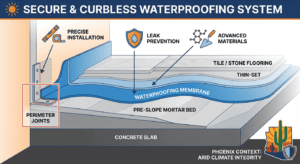 Curbless Shower Design Outcomes in Phoenix: Quantifying Safety, Satisfaction, and Performance (2026)
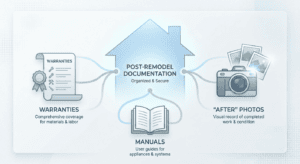 The First 30 Days After a Home Remodel: Essential Watchpoints, Testing Protocols, and Documentation Strategies
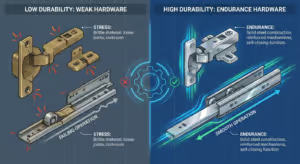 Cabinet Construction Standards Demystified: Box Build, Finish, and Hardware — What Actually Matters for Lasting Quality