
A laundry room remodel can be a quick refresh or a more involved renovation depending on the scope of work, the condition of the existing space, the materials selected, and how much planning happens before construction begins. The original blog topic explains that a standard laundry room can often be remodeled in a short window when the project is planned well, while larger upgrades with cabinets, appliances, plumbing, electrical, and design changes can take several weeks.
How Long Does A Laundry Room Remodel Take? Most standard-sized laundry room remodels in Phoenix take about 1 to 2 weeks when the project is straightforward and well planned, while more detailed laundry room remodels with new cabinetry, appliances, plumbing changes, electrical updates, custom storage, flooring, or layout changes can take about 3 to 5 weeks or longer depending on complexity, material availability, and inspection or scheduling needs.
3 Key Takeaways:
- A straightforward, well-planned laundry room remodel may have a construction window of roughly one to two weeks, while projects involving layout changes, custom storage, new appliances, utility adjustments, or detailed finishes may require three to five weeks or longer.
- Appliance specifications, cabinet plans, countertops, flooring, lighting, storage features, and other selections should be finalized early because late decisions can disrupt measurements, ordering, and installation sequencing.
- The most reliable timeline comes from planning the room around its actual functions, confirming materials before construction, coordinating each stage carefully, and allowing reasonable flexibility for hidden conditions or product issues.
You can make the process smoother by working with a professional laundry room remodel service early, before materials are ordered or construction begins. This matters because laundry rooms are small spaces with a lot of utility packed into them. A washer, dryer, plumbing, ventilation, electrical outlets, storage, lighting, flooring, and folding space all need to work together. If one detail is missed, the project can slow down or require changes after work has already started.
For Phoenix homeowners, the timeline is not only about the number of days workers are in the home. It also includes the planning phase, design decisions, product selections, material ordering, demolition, rough-in work, installation, finish work, cleanup, and final walkthrough. Homes in Stratland Estates and Val Vista Meadows may have laundry rooms that connect to garage entries, mudrooms, hallways, or secondary storage areas, so the remodel timeline can be influenced by how many functions the room needs to support.
The best way to think about timeline is to separate cosmetic updates from full remodels. A cosmetic refresh may include paint, hardware, a new light fixture, shelving, and minor storage upgrades. That type of project can often move quickly. A full remodel may include new cabinets, countertops, flooring, appliance changes, plumbing adjustments, utility sink installation, drywall repairs, electrical upgrades, backsplash, and improved ventilation. That kind of project takes longer because the work must happen in a proper sequence.
A rushed laundry room remodel can create problems that are difficult to fix later. Poor measurements can affect cabinet placement. Appliance selections can change counter height and clearances. Plumbing locations can limit sink placement. Electrical requirements can affect dryer, washer, lighting, and outlet decisions. The goal is not simply to finish fast. The goal is to finish correctly, with a laundry room that is functional, durable, and easier to use every week.

How Long Does It Take To Renovate A Laundry Room In Phoenix?
A laundry room renovation usually takes anywhere from a weekend to several weeks depending on how much is being changed. A simple refresh with paint, new shelves, updated hardware, and a light fixture may be completed quickly because the existing layout stays the same. A more involved remodel with cabinets, appliances, plumbing, flooring, electrical work, and finish upgrades takes longer because each trade needs time to complete its portion correctly.
For a standard Phoenix laundry room, 1 to 2 weeks is a realistic construction window when the remodel is planned before work begins and the materials are available. This may include removing old finishes, installing new cabinets, adding a countertop, replacing flooring, improving storage, updating lighting, and making small functional changes. The work still needs to be sequenced properly, but it does not necessarily require major structural or utility changes.
A larger remodel can take 3 to 5 weeks or more. This is common when the laundry room layout changes, the washer and dryer move to a different wall, a utility sink is added, electrical work is upgraded, custom cabinets are installed, or flooring and drywall repairs are more involved. Any time plumbing, electrical, ventilation, or inspections enter the project, the schedule becomes more dependent on trade availability and proper coordination.
Homes in Ocotillo Lakes and Vasaro may have laundry rooms where homeowners want the room to feel more like a finished interior space rather than a utility corner. That can add time because finish details matter. Cabinet alignment, trim, backsplash, counters, lighting, flooring transitions, and paint all need to be completed carefully. A polished laundry room may not be large, but it still requires precise workmanship.
The timeline also depends on whether you are keeping the existing washer and dryer or replacing them. New appliances can affect the project schedule if they are backordered, delivered late, or have different dimensions than expected. A front-loading washer and dryer may support a countertop above the machines, while a top-loading washer needs open clearance above the lid. If this is not planned before construction, the project can be delayed by design corrections.
Another timeline factor is the age and condition of the existing laundry room. Once demolition begins, hidden issues may appear. Old plumbing, damaged drywall, uneven flooring, moisture problems, poor ventilation, or outdated electrical work can all add time. These issues are not always visible during the first walkthrough. A good remodeling process includes a buffer for unexpected problems because some conditions are only discovered after the room is opened up.
You should also think about how long you can be without full laundry access. Even if construction takes 1 to 2 weeks, there may be days when the washer or dryer cannot be used. Planning temporary laundry access can reduce stress, especially for families, pet owners, or homeowners who wash uniforms, towels, bedding, or workout clothes frequently.
Using A Design Build Company And Benefits For Phoenix Homeowners
A design-build company can help shorten the remodel timeline by bringing planning, design, material selection, scheduling, and construction coordination under one process. Instead of hiring separate parties who may not communicate clearly, a design-build approach helps align the design decisions with the construction plan before work begins. That can reduce confusion, missed details, and mid-project changes.
The biggest timeline benefit is that decisions are made earlier. Laundry room remodels often slow down when homeowners start construction before choosing cabinets, counters, flooring, fixtures, appliances, hardware, paint, lighting, and storage features. When selections are incomplete, the project can stall while materials are sourced or reordered. A design-build process helps you make those decisions before the room is torn apart.
A laundry room may look simple, but the design details matter. You need to know where the washer and dryer will sit, whether the appliances are front-loading or top-loading, where hampers will go, how tall cabinets should be, whether a folding counter is needed, whether a sink makes sense, and how cleaning supplies will be stored. A design-build team can help connect these choices to the actual construction timeline.
Homes in Layton Lakes and Seville often need laundry rooms that support busy routines, larger households, or multiple storage needs. A design-build approach can help define the room’s purpose before installation starts. If the space needs to support laundry, cleaning supplies, pet items, pantry overflow, or a garage-entry drop zone, those decisions should be made early because they affect cabinetry, wall storage, lighting, and circulation.
Another benefit is better sequencing. In a laundry room remodel, demolition usually comes first, followed by rough plumbing or electrical if needed, drywall repairs, flooring, cabinet installation, countertop templating or installation, appliance placement, finish carpentry, painting, and final details. When the schedule is coordinated, each step follows the next with fewer gaps. When coordination is weak, trades can arrive out of order, materials may not be ready, and the room may sit unfinished.
Design-build planning can also help prevent unrealistic expectations. If a homeowner wants custom cabinets, specialty tile, a utility sink, upgraded lighting, and a new appliance configuration, the timeline will not be the same as a simple paint-and-shelf refresh. A clear plan gives you a more accurate picture of how long the work will take and where delays are most likely to happen.
The value is not just speed. The value is control. A faster remodel that creates functional problems is not a win. A good design-build process helps you avoid preventable mistakes while keeping the project moving in a logical order. That matters in a compact room where every inch affects usability.
Space Functionality
Space functionality has a major effect on how long a laundry room remodel takes because the more you ask the room to do, the more planning and installation work is required. A laundry room that only needs a washer, dryer, and shelf is much easier to remodel than a room that also needs cabinetry, hampers, folding space, hanging rods, utility storage, a sink, pet supplies, and a cleaning supply zone.
Before remodeling, you need to define the room’s job. Some laundry rooms are strictly for washing and drying clothes. Others function as mudrooms, linen storage areas, cleaning stations, garage-entry drop zones, pet care zones, or overflow storage spaces. Each added function affects the layout and timeline. More functions mean more decisions, more materials, and usually more installation work.
Once the room’s functions are defined, a thoughtful laundry room organization system can help coordinate cabinets, hampers, shelving, hanging space, and cleaning-supply storage around the household’s routine.
Homes in Power Ranch and Morrison Ranch may have laundry rooms that support family routines where storage and traffic flow are just as important as the appliances. If kids, guests, pets, sports gear, towels, or cleaning supplies move through the space, the remodel should account for that. Otherwise, the finished room may look good but still become cluttered quickly.
Functionality also affects the type of cabinetry needed. A basic upper cabinet may be enough for detergent and dryer sheets. A more functional room may need tall broom storage, pull-out hampers, drawers for laundry accessories, shelves for linens, and a counter for folding. Custom storage can improve daily use, but it also adds time for design, ordering, fabrication, and installation.
The layout should support the actual laundry process. Dirty clothes need a landing zone. Supplies should be close to the washer. Clean clothes need a folding surface. Hang-dry items need a rod or rack. Cleaning tools need a place where they do not block the walkway. When these features are planned correctly, the room becomes easier to use. When they are added randomly, the remodel can become inefficient and the finished space can still feel frustrating.
Plumbing and electrical also tie into functionality. Adding a sink can be useful, but it may require plumbing adjustments, cabinet changes, countertop changes, and finish work. Adding outlets or lighting can improve usability, but it requires electrical planning. Moving appliances can create the largest timeline impact because water supply, drain, dryer venting, and power may need to shift.
The more functional you want the room to be, the more important it is to plan before construction. A functional laundry room is not created by adding storage after the fact. It is created by understanding your routine and building the room around it.

Select Your Washer & Dryer
Selecting your washer and dryer early is one of the most important steps in keeping a laundry room remodel on schedule. Appliances affect layout, cabinet dimensions, countertop height, door clearance, plumbing access, dryer vent placement, electrical requirements, and the amount of usable space in the room. Waiting too long to choose appliances can delay the project or force design changes after materials have already been ordered.
The first decision is whether you want front-loading or top-loading machines. Front-loading appliances are often easier to pair with a countertop above the washer and dryer, which creates a convenient folding surface. Top-loading washers can be practical for many homeowners, but they need clear space above the lid, which changes the cabinet and shelf plan. If you design a counter or cabinet system before choosing the washer, you may create a conflict that slows the remodel.
Size is another major consideration. Not all washers and dryers are the same depth, width, or height. Some machines project farther into the room, which can narrow the walkway. Some have doors that swing in a direction that affects loading and unloading. Some require more clearance behind them for hoses, vents, and cords. These details should be confirmed before cabinetry and counters are finalized.
A well-planned laundry room floor plan can coordinate appliance dimensions, door swings, utility access, storage, counters, and comfortable walking space.
Homes in Fulton Ranch and Circle G Ranches may have laundry rooms where homeowners want larger-capacity machines for bedding, towels, and heavy laundry loads. Larger appliances can be helpful, but they can also affect the remodel timeline if the room needs adjustments to fit them properly. A machine that is too deep can make the room feel cramped. A machine that is too tall can interfere with shelving. A machine with the wrong door swing can make daily use awkward.
Appliance availability also affects schedule. If the washer and dryer are delayed, installation may need to be rescheduled. If the appliances arrive damaged or with different specifications than expected, the project may stall. This is why appliance selection should be part of early planning, not a last-minute purchase.
You should also consider whether pedestals are part of the plan. Pedestals can raise the washer and dryer to a more comfortable height and add storage, but they also change the height of counters, shelves, and cabinets. If pedestals are added late, the design may no longer fit correctly. The same is true for stacking appliances. A stacked washer and dryer can save floor space, but it changes storage placement and may require different utility access.
The washer and dryer are not just appliances. They are the anchor points of the room. Once they are selected, the rest of the remodel can be planned with greater accuracy.

Choice Of Design
The design choices you make can either keep the laundry room remodel moving efficiently or stretch the timeline longer than expected. A simple design with standard cabinets, available materials, basic flooring, and minimal utility changes can move quickly. A more detailed design with custom cabinetry, specialty tile, upgraded counters, built-in hampers, decorative lighting, wall treatments, and appliance changes takes more time to plan, source, and install.
Because cabinet style and configuration influence storage, ordering, and installation, homeowners should compare the best cabinets for a laundry room before finalizing the design.
Design affects the timeline because every finish has a lead time and every detail requires coordination. Cabinets may need to be ordered or built. Countertops may require measuring, fabrication, and installation. Tile may need layout planning, setting time, grout, and curing. Flooring may need subfloor preparation. Paint may require repairs and drying time. Even small rooms have many layers.
Homes in Whitewing at Germann Estates and Higley Groves may call for laundry rooms that feel more refined and connected to the rest of the home. That can mean coordinating cabinet colors, hardware, counters, backsplash, flooring, and lighting with nearby rooms. This kind of design can produce a better finished space, but it should be planned before construction so the schedule remains realistic.
Material availability is also part of design. Choosing products that are in stock can reduce delays. Choosing special-order items can be worth it when they fit the vision, but they may extend the timeline. The problem is not special-order materials themselves. The problem is choosing them too late. If a cabinet style, tile, faucet, sink, or light fixture has a long lead time, it should be selected early so construction does not pause while waiting for delivery.
Design should also support function. A beautiful laundry room with poor storage will not serve you well. A dramatic tile floor that is hard to clean may become frustrating. Open shelves may look attractive, but they require discipline to keep organized. Dark finishes can look rich, but they may show lint. Light finishes can brighten the room, but they may show scuffs. The best design is the one that looks good and works hard.
The choice of design can also affect labor. Installing a basic shelf is different from installing custom cabinets. Painting a wall is different from repairing drywall, adding tile, and installing trim. A simple light fixture replacement is different from adding recessed lighting or under-cabinet lighting. The more detailed the design, the more time each trade may need.
A good design process helps you avoid decision fatigue during construction. When the design is complete before work begins, the remodel can move forward with fewer interruptions. When decisions are made in the middle of construction, the timeline often stretches.
Factors That Affect The Timeline In Remodeling Your Laundry Rooms In Phoenix
Several factors affect the timeline of a laundry room remodel, including project scope, room size, material availability, labor scheduling, appliance selection, plumbing or electrical changes, inspections, and hidden conditions discovered during demolition. A standard laundry room remodel may take 1 to 2 weeks when the work is straightforward, while a more complex remodel may take 3 to 5 weeks or more.
The first factor is scope. A cosmetic update is faster because it usually keeps the existing layout. A full remodel takes longer because it may involve demolition, rough-in work, new finishes, cabinets, countertops, and appliance installation. The larger the change, the more steps need to happen in sequence.
Homes in Agritopia and Eastmark may have laundry rooms where homeowners want better storage, improved finishes, and a more comfortable workflow. If the remodel includes custom cabinets, pull-out hampers, a folding station, a utility sink, and updated flooring, the schedule will naturally be longer than a simple refresh. That does not mean the project is inefficient. It means the remodel has more moving parts.
Material lead times are another major factor. Cabinets, countertops, tile, flooring, appliances, sinks, faucets, and lighting can all affect the schedule. If everything is selected and available before construction starts, the remodel can move more smoothly. If materials are selected late or arrive damaged, the project may pause.
Labor scheduling matters as well. A laundry room remodel may require a contractor, designer, plumber, electrician, cabinet installer, flooring installer, painter, countertop fabricator, and finish carpenter. Even in a small space, those trades need to be coordinated. If one step is delayed, the next step may need to move.
Existing conditions can also affect the schedule. Older laundry rooms may have plumbing, electrical, drywall, flooring, or ventilation issues that are not visible until demolition begins. Moisture damage, uneven floors, outdated wiring, or poor venting can add time because the issue should be corrected before the room is finished.
Permits and inspections may apply depending on the work being done. Cosmetic updates may not require the same process as plumbing, electrical, or structural changes. If inspections are needed, the timeline must allow for scheduling and approval before the next phase proceeds.
Finally, homeowner decisions affect the timeline. Changing cabinet layout, tile, appliances, fixtures, or paint colors after work begins can cause delays and increase costs. The most efficient projects are the ones where decisions are made before construction and communication stays clear throughout the remodel.

Size And Complexity Of The Project
The size and complexity of the project have one of the strongest effects on how long a laundry room remodel takes. A small room with a simple layout can often be remodeled faster than a larger room with custom features, utility changes, and multiple storage zones. However, size alone does not determine the timeline. A small room can still take longer if the design is complicated, and a larger room can move faster if the plan is straightforward.
A basic laundry room remodel may involve painting, replacing shelves, adding cabinets, updating lighting, and installing new flooring. This type of project is easier to schedule because fewer trades are needed and the existing utility locations remain mostly unchanged. If materials are ready, the work can often move efficiently.
A complex remodel may include relocating the washer and dryer, adding a sink, changing plumbing lines, upgrading electrical, installing custom cabinetry, adding a backsplash, replacing flooring, improving ventilation, and building a dedicated folding or storage system. Each of these items adds steps. Some steps cannot happen until others are complete. For example, cabinets may need to be installed before counters, counters may need to be installed before some finish details, and plumbing connections may need to wait until the sink and cabinets are set.
Homes in Val Vista Lakes and Cooper Corners may have laundry spaces where homeowners want the room to serve multiple purposes. A remodel that adds storage for linens, cleaning supplies, laundry baskets, pet items, and household overflow will take more planning than a room designed only for washing and drying. More storage is useful, but it needs to be measured, designed, ordered, and installed correctly.
Complexity also includes the quality of finish. A simple painted wall is faster than tile. Stock cabinets are usually faster than custom cabinets. A basic light fixture is faster than layered lighting. Standard shelving is faster than built-in storage. These choices are not right or wrong. They simply affect how long the remodel takes.
Access can also influence timing. If the laundry room is in a tight hallway, near a garage entry, upstairs, or in a compact utility space, workers may need more time to move materials and complete installation. Appliances, cabinets, countertops, and flooring materials need room for delivery and placement. Tight spaces require more careful sequencing.
A realistic timeline should consider both the visible work and the behind-the-scenes coordination. The remodel is not just the day cabinets are installed or the day flooring goes in. It includes planning, ordering, demolition, trade work, installation, finishing, cleanup, and final adjustments. When you understand the size and complexity of the project before construction begins, the timeline becomes easier to manage.
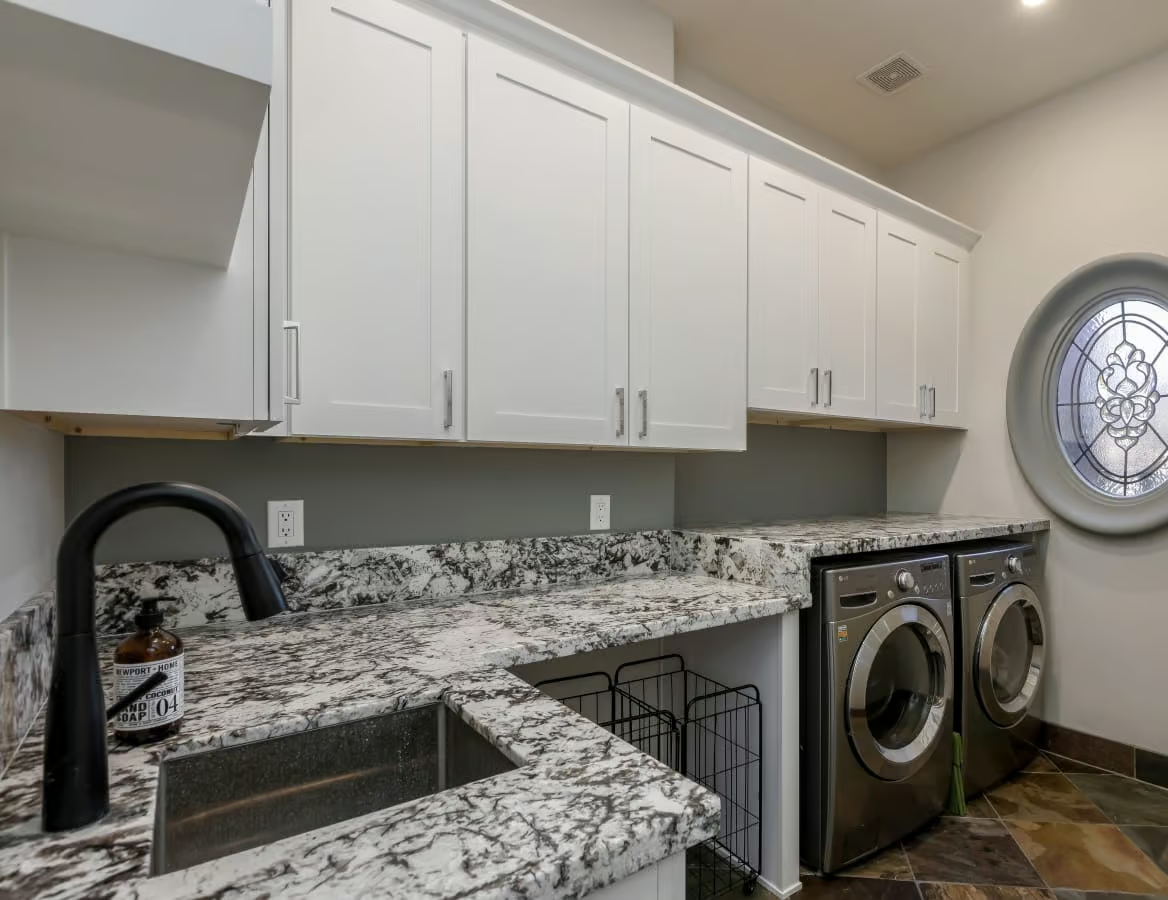
Laundry Room Renovation Budget
A laundry room renovation budget affects the timeline because the amount you plan to invest determines the level of work, the type of materials, the number of trades involved, and how much pre-construction planning is needed. A smaller budget usually supports surface-level updates, such as paint, shelves, basic cabinets, hardware, lighting, or minor storage improvements. A larger budget may support custom cabinetry, new countertops, a utility sink, upgraded flooring, electrical updates, plumbing changes, appliance replacement, backsplash installation, and improved lighting.
Reviewing the expected laundry room remodel cost can help homeowners align cabinetry, countertops, flooring, lighting, storage, and utility changes with the intended project scope.
For Phoenix homeowners, the budget should not be treated as a rough guess. A laundry room may be smaller than a kitchen or bathroom, but it still has multiple systems working together. Plumbing, electrical, ventilation, cabinetry, flooring, appliances, storage, and finish details can all affect the final cost. If the budget is unclear, the timeline becomes harder to control because decisions may be delayed or changed during construction.
Homes in Chandler Heights and Ashland Ranch may have laundry rooms where homeowners want a more finished and useful space rather than a basic utility area. That can be a smart upgrade, but the budget needs to match the desired result. Built-in cabinets, pull-out hampers, a stone countertop, custom storage, decorative tile, and better lighting all add time and cost. These features can improve the room, but they should be selected before the remodel begins so the project does not stop while decisions are being made.
A realistic budget should include more than visible materials. Labor, demolition, hauling, drywall repairs, plumbing adjustments, electrical work, painting, flooring installation, cabinet installation, countertop fabrication, and appliance connections may all be part of the project. Some homeowners focus heavily on cabinets and appliances, then underestimate the cost of the work needed to install them properly. That can create stress once construction is underway.
Hidden conditions should also be part of your budget thinking. Laundry rooms deal with water, heat, humidity, heavy appliances, and utility connections. Once old flooring, cabinets, or drywall are removed, the contractor may find moisture damage, outdated plumbing, weak ventilation, or electrical issues that need to be corrected. These discoveries can add time and cost, but ignoring them is worse. A remodel should leave the room safer and more durable, not simply cover old problems.
A good budget also helps protect the schedule by reducing mid-project changes. If you choose materials and finishes within a clear budget before construction starts, the remodel can move forward with fewer interruptions. If the budget changes repeatedly during construction, the schedule may shift because materials may need to be reordered, labor may need to be rescheduled, or the design may need to be revised.
The best budget strategy is to separate must-have improvements from nice-to-have upgrades. Must-have items may include safe utility connections, durable flooring, better storage, proper appliance clearances, and a functional layout. Nice-to-have upgrades may include premium hardware, decorative tile, specialty lighting, or custom accessories. This helps you make practical decisions if the budget needs adjustment without compromising the room’s core function.
Availability Of Materials And Labor
Material and labor availability can either keep a laundry room remodel on schedule or stretch it out longer than expected. Even when the room is small, the project may depend on several materials and trades arriving at the right time. Cabinets, countertops, tile, flooring, appliances, sinks, faucets, lighting, hardware, paint, shelving, and storage inserts all need to be available when the schedule calls for them. If one key item is delayed, the entire sequence can slow down.
A remodel moves best when materials are selected and ordered before construction begins. This is especially true for cabinets, countertops, appliances, specialty tile, and custom storage pieces. Some products may be available quickly, while others may require longer lead times. If you wait until demolition starts to choose finishes, you may create unnecessary downtime while the contractor waits for materials.
Labor availability matters just as much. A laundry room remodel may involve a designer, contractor, plumber, electrician, cabinet installer, flooring installer, painter, countertop fabricator, and finish carpenter. These professionals usually need to work in a specific order. If plumbing is delayed, cabinets may be delayed. If cabinets are delayed, countertops may be delayed. If countertops are delayed, sink connections or finish work may be delayed. A strong schedule depends on coordination.
Homes in Marbella Vineyards and Ironwood Crossing may have laundry room projects where homeowners want improved storage, upgraded finishes, and better appliance placement. Those details can be worth the investment, but they require coordination. If the cabinet installer arrives before the flooring is ready or the countertop fabricator cannot measure because cabinets are not installed, the schedule can lose momentum.
Appliances are a common source of timing problems. Washer and dryer models can sell out, arrive late, or be delivered with damage. Dimensions can also change between models. If a new washer or dryer is wider, deeper, or taller than expected, the cabinet or counter layout may need revision. This is why appliance selections should be confirmed early, with exact specifications provided before design and construction decisions are finalized.
Countertops can also affect timing. Some materials require templating after cabinets are installed. After templating, the countertop may need fabrication before installation. This means there can be a gap between cabinet installation and final countertop completion. If the laundry room includes a sink, some plumbing connections may need to wait until the countertop and sink are installed.
Comparing the best laundry room countertop options early can help homeowners choose a durable folding surface while accounting for fabrication, sink placement, and cabinet dimensions.
The most efficient approach is to build the schedule around real material availability, not wishful thinking. A contractor can move faster when products are ready, trades are coordinated, and the scope is clear. Trying to start too early without confirmed materials can create the illusion of progress, but it often leads to delays later.
Unforeseen Issues And Delays
Unforeseen issues can affect any laundry room remodel because not every problem is visible before demolition begins. A room may look simple from the outside, but hidden plumbing, electrical, framing, moisture, flooring, or ventilation problems can change the schedule. The goal is not to pretend these issues will never happen. The goal is to plan with enough flexibility so the project can respond properly if they appear.
Laundry rooms are more likely than some other spaces to reveal hidden damage because they involve water supply lines, drain lines, dryer vents, heavy appliances, and humidity. If an old washer connection leaked in the past, there may be damaged drywall, flooring, baseboards, or subflooring. If the dryer vent has been poorly maintained, ventilation may need attention. If older electrical wiring does not support the planned appliances or lighting, updates may be necessary.
A remodel can also uncover uneven floors or walls. This matters because cabinets, countertops, and appliances need level surfaces. If the floor is uneven, the washer and dryer may not sit properly. If the walls are not straight, cabinets may need careful adjustment. These details take time, but they help prevent long-term problems.
Another common delay comes from product issues. Materials can arrive damaged, incomplete, or different from what was ordered. Cabinet doors may need replacement. Tile may arrive with color variation. Hardware may be short in quantity. Appliances may arrive dented. A good contractor will address these problems, but the schedule may need to shift while replacements are handled.
Inspection-related delays can also happen if the remodel includes plumbing, electrical, or other work that requires approval. Inspections are there to protect the safety and quality of the project, but they need to be scheduled. If an inspection cannot happen immediately, the next phase may need to wait.
Weather is usually less of a direct issue for interior laundry room remodeling than it is for exterior work, but deliveries, material handling, and trade scheduling can still be affected by broader conditions. A delayed delivery truck, a backordered item, or a scheduling conflict can create a ripple effect.
The best way to handle unforeseen delays is to avoid making panic decisions. Rushing through a discovered issue can lead to poor workmanship or future repair costs. If a problem is found, it should be evaluated, explained, priced if needed, and corrected properly. A slight delay is often better than closing up a wall or installing finishes over a problem that should have been fixed.
A realistic timeline should include a buffer. That buffer is not wasted time. It is protection against the normal uncertainty that comes with remodeling. When you expect every step to happen perfectly with no surprises, even a small issue feels like a major disruption. When you plan with a little room for adjustment, the project is easier to manage.

Tips For Speeding Up Laundry Room Remodeling Timeline
You can speed up a laundry room remodeling timeline by making decisions early, choosing available materials, confirming appliance specifications, avoiding mid-project changes, and hiring an experienced contractor who understands scheduling. Speed does not come from rushing the work. It comes from reducing avoidable delays before construction starts.
The first way to save time is to complete the design before demolition. This includes the layout, appliance selection, cabinet plan, countertop choice, flooring, lighting, fixtures, hardware, paint colors, storage accessories, and any plumbing or electrical changes. When these decisions are made early, the contractor can create a more accurate schedule and order materials in advance.
The second way to save time is to choose materials that are realistically available. Special-order products can be worth it, but they should be selected early enough that they do not hold up construction. If your priority is speed, in-stock or faster-lead-time materials may be better than products that require long waits. This is especially important for cabinets, appliances, tile, and countertops.
The third way to save time is to keep the existing layout when possible. Moving the washer, dryer, sink, electrical outlets, or dryer vent can add time because utility work is more involved than finish work. Sometimes layout changes are necessary and worth it. But if the current plumbing and appliance locations work well, keeping them can help shorten the remodel.
Another way to save time is to prepare the room before construction starts. Remove personal belongings, clear nearby access paths, decide where laundry will be handled during the remodel, and make sure pets or children are kept safely away from the work area. These simple steps reduce interruptions and help workers move efficiently.
Clear communication also speeds up the process. When your contractor needs an answer, delayed decisions can stop progress. This does not mean you should make rushed decisions. It means the most important decisions should be made before the project begins, and any remaining details should be handled quickly and clearly.
You should also avoid stacking too many new ideas onto the project after it starts. Adding a backsplash, changing cabinet layout, upgrading lighting, adding a sink, or switching appliances mid-project may seem simple, but each change can affect scheduling, ordering, labor, and cost. The fastest remodels are usually the ones with the clearest scope.
Speed should never come at the expense of quality. A laundry room has plumbing, electrical, ventilation, appliances, cabinetry, and flooring packed into a compact area. Poor work can lead to leaks, appliance clearance problems, storage frustration, or finish damage. The goal is an efficient remodel, not a careless one.
Choose A Reliable And Experienced Contractor
A reliable and experienced contractor can make a major difference in how long a laundry room remodel takes because they understand how to plan the work, coordinate trades, order materials, and prevent common mistakes. The right contractor will not just show up to install cabinets or flooring. They will help you understand the sequence of the project, what decisions need to be made, and where delays are most likely to occur.
Experience matters because laundry rooms are compact but technical. Appliance dimensions, water supply lines, drain access, dryer venting, electrical outlets, cabinet clearances, countertop height, door swings, and flooring transitions all need attention. An inexperienced contractor may underestimate the room because of its size. A skilled contractor understands that a small utility space can still require careful planning.
When evaluating a contractor, you should look for clear communication, a defined process, relevant remodeling experience, proper licensing, insurance, realistic scheduling, and a willingness to explain the scope. A vague estimate or rushed conversation can create problems later. A contractor who cannot explain the timeline clearly may not have a strong plan.
A good contractor should also help you understand what is included and what is not included. For example, does the scope include demolition, hauling, drywall repair, plumbing, electrical, flooring, cabinets, counters, paint, appliance installation, and cleanup? Are materials included or separate? Are permits or inspections needed? Are there allowances for fixtures or finishes? These details affect both budget and timeline.
The best contractor for a laundry room remodel is not always the one who promises the fastest completion. A contractor who promises an unrealistically short timeline may be ignoring material lead times, trade sequencing, inspections, or hidden conditions. You need someone who gives a timeline that is efficient but believable.
An experienced contractor can also help you avoid overbuilding or underbuilding the room. Not every laundry room needs custom everything. Some spaces need better shelves, a new counter, improved lighting, and smarter hampers. Other spaces need a full redesign. A good contractor helps match the scope to your goals instead of pushing a one-size-fits-all solution.
Trust is important, but so is structure. A clear contract, detailed scope, payment schedule, change-order process, and communication plan protect both you and the contractor. These documents help prevent confusion and keep the project moving.

Avoid Making Changes Mid-Project
Avoiding mid-project changes is one of the most effective ways to keep a laundry room remodel on schedule. Once construction begins, every change has a ripple effect. A cabinet change can affect countertop measurements. An appliance change can affect clearances. A sink change can affect plumbing and cabinetry. A lighting change can affect electrical work and drywall repair. Even small decisions can create schedule delays if they happen at the wrong time.
Mid-project changes usually happen when the design was not fully resolved before construction started. You may realize the cabinet storage is not enough, the countertop material is not what you expected, the shelves feel too high, or the appliance layout does not work as well as you hoped. These issues can often be avoided through better planning, measurements, and design review before demolition.
Understanding what comes first when remodeling a laundry room helps homeowners establish the layout, appliances, storage, and material selections before construction begins.
This is why you should spend more time upfront reviewing the laundry room layout. Think through how you will move through the room. Picture where dirty laundry enters, where detergent is stored, where clean clothes are folded, where hang-dry items will go, and where cleaning supplies belong. If the design does not support those routines, fix it before construction starts.
Material changes can be especially disruptive. If cabinets are already ordered, changing the layout can create delays and added cost. If tile has already arrived, switching to another tile can affect installation timing. If countertops are already templated, changing a sink or cabinet may require rework. The later the change, the more disruptive it usually becomes.
Some changes are unavoidable. If demolition reveals moisture damage, outdated wiring, or plumbing problems, the scope may need to change for safety or quality reasons. Those changes are different from preference changes. Necessary corrections should be handled properly. Preference changes should be minimized once work begins.
A good way to avoid changes is to make decisions in writing. Approve cabinet drawings, appliance specifications, finish selections, fixture choices, hardware, paint colors, and storage features before construction. Written decisions reduce misunderstandings and make it easier for everyone to follow the same plan.
You should also be honest about your priorities before the project starts. If you care most about storage, say that early. If you care most about design, say that early. If speed matters more than specialty materials, that should guide selections. If premium finishes matter more than speed, the timeline should reflect that. Clear priorities reduce second-guessing once construction begins.
Keep Communication Open With The Contractor
Open communication with the contractor helps keep a laundry room remodel moving because it prevents small questions from turning into delays. Remodeling involves many decisions, and even a well-planned project may need clarification once work begins. If communication is slow or unclear, the project can pause while the contractor waits for direction.
Communication should begin before construction, not after a problem appears. You should understand the expected timeline, daily work hours, access needs, material delivery schedule, laundry downtime, dust protection, cleanup expectations, and who to contact with questions. The contractor should understand your priorities, your approved selections, and any household limitations that affect scheduling.
During the remodel, regular updates are useful. You do not need to hover over every detail, but you should know what phase the project is in and what decisions are coming next. If something changes, such as a delayed material or a discovered issue, the contractor should explain the impact on schedule and cost. This keeps you from being surprised late in the project.
Good communication also means responding promptly when the contractor needs an answer. If a tile layout needs approval, a cabinet detail needs confirmation, or a fixture location needs review, a delayed response can slow the next step. The more decisions that are handled before construction, the fewer urgent questions will come up during the remodel.
Photos, drawings, and written notes can help prevent confusion. Laundry rooms involve tight dimensions, so verbal descriptions are not always enough. A marked-up drawing or photo can make it clearer where shelves, rods, outlets, cabinets, and accessories should go. This is especially helpful when multiple people are involved in the project.
Communication should also be direct when something does not look right. If you notice a concern, raise it early. Waiting until the end may make the issue harder to correct. A professional contractor should be willing to explain the work and address legitimate concerns. At the same time, you should avoid making casual changes without understanding their effect on cost and schedule.
A smooth remodel depends on shared expectations. You and the contractor should both understand the scope, schedule, materials, budget, and decision process. When communication stays clear, the project has a much better chance of finishing efficiently.
Additional Timeline Considerations For Phoenix Laundry Rooms
Phoenix laundry room remodels can be affected by several practical details that homeowners sometimes overlook. Appliance access, garage entry points, flooring transitions, indoor dust control, utility shutoffs, delivery timing, and temporary laundry arrangements can all influence how smooth the project feels. These details may not dramatically change the construction timeline, but they affect your experience during the remodel.
Access is important because laundry rooms are often located near hallways, garages, kitchens, or secondary entrances. Workers need space to bring in cabinets, flooring, countertops, tools, and appliances. If the path is narrow or heavily furnished, preparation may take longer. Clearing access before work begins can make the remodel more efficient.
Laundry downtime should also be planned. There may be days when the washer and dryer are disconnected or inaccessible. For a household that does laundry frequently, this can become inconvenient fast. Planning ahead with a temporary laundry option can reduce stress. This is especially important if you have children, pets, uniforms, towels, or bedding that need frequent washing.
Dust and disruption should be managed, even in a smaller room. Demolition, drywall repair, flooring work, and cabinet installation can create dust and noise. A contractor should take reasonable steps to protect nearby areas, but homeowners should also remove personal items from the room and surrounding spaces before work starts.
Flooring transitions matter more than many homeowners expect. If new laundry room flooring meets existing hallway, bathroom, kitchen, or garage-entry flooring, the transition needs to be clean and safe. Uneven transitions can create tripping issues or make the remodel look unfinished. These details take planning, especially if the old flooring height differs from the new material.
Lighting should also be considered before the remodel begins. Many laundry rooms have poor lighting, which makes sorting, stain treatment, folding, and cleaning harder. Adding better overhead lighting, task lighting, or under-cabinet lighting may improve the room, but it should be planned early because it affects electrical work and drywall repairs.
Ventilation is another practical issue. Dryer venting should be accessible, safe, and properly routed. A beautiful laundry room with poor ventilation is not a successful remodel. The same is true for appliance clearance. Washers and dryers need enough room for hoses, cords, vents, door swings, and service access.
These details may seem small, but they are often the difference between a remodel that simply looks updated and a remodel that works well every day.

Wrapping up
A laundry room remodel can take a weekend for a basic refresh, about 1 to 2 weeks for many standard remodels, and 3 to 5 weeks or longer for more detailed projects with custom storage, utility changes, new appliances, upgraded finishes, or hidden repairs. The exact timeline depends on the size of the room, the complexity of the design, material availability, labor coordination, appliance selections, and how well the project is planned before construction begins.
The most efficient remodels usually have a clear scope, completed design decisions, confirmed appliance dimensions, ordered materials, and a contractor who understands how to coordinate the work. The slowest remodels often start before decisions are finalized, rely on backordered materials, or change direction after construction begins. Planning may feel slower at the beginning, but it often saves time during construction.
For Phoenix homeowners, the goal should not be speed alone. A laundry room has to handle water, heat, appliances, storage, cleaning supplies, ventilation, and daily movement. If the remodel is rushed without proper planning, the finished space may look better but still function poorly. A good remodel should improve workflow, create useful storage, support safe utility connections, and make the room easier to maintain.
A design-build process can be especially helpful when you want one team to guide planning, selections, scheduling, and construction. That kind of coordination can reduce confusion and help the project move in the right order. It also helps you understand what is realistic before the work begins, including how long the remodel may take and what choices could affect the schedule.
For a laundry room remodel that is planned around your timeline, budget, storage needs, and daily routine, Phoenix Home Remodeling can help you create a space that feels more functional, organized, and finished without leaving the process to guesswork.
FAQs About How Long Does A Laundry Room Remodel Take In Phoenix
How long does a typical laundry room remodel take in Phoenix?
A typical laundry room remodel in Phoenix usually takes about 1 to 2 weeks when the existing layout stays mostly the same, materials are ready, and the project includes standard updates like cabinets, shelving, flooring, lighting, paint, and storage improvements. If the remodel includes custom cabinets, new appliances, plumbing changes, electrical updates, a utility sink, tile, countertops, or hidden repairs, the timeline can stretch to 3 to 5 weeks or longer. The difference usually comes down to how many trades are involved and how much work must happen in a specific order.
Homes in Stratland Estates and Val Vista Meadows may have laundry rooms that connect to busy family areas, garage entries, or hallway storage zones. When the laundry room has to support more than washing and drying, the remodel timeline can become longer because the design needs to account for cabinets, hampers, folding space, hanging rods, cleaning supply storage, and traffic flow. A laundry room may be small, but it still contains plumbing, electrical, ventilation, appliances, cabinetry, and finish details. That makes sequencing important.
The fastest laundry room remodels are usually the ones with complete planning before construction begins. Appliance dimensions should be confirmed, materials should be selected, and the layout should be finalized before demolition. That keeps the project from stalling while decisions are made during construction.
Can a laundry room remodel be completed in one weekend?
A laundry room remodel can sometimes be completed in one weekend if the work is limited to cosmetic updates, but a true remodel with cabinets, appliances, plumbing, flooring, countertops, or electrical work usually takes longer. Weekend projects may include painting, adding simple shelves, replacing hardware, updating a light fixture, installing hooks, or organizing the space with bins and baskets. Those updates can improve the room, but they are different from a full remodel.
Homes around Ocotillo Lakes and Vasaro may have laundry rooms where homeowners want the space to look more finished and function more efficiently. That usually requires more than a weekend. Installing base cabinets, adding a folding counter, upgrading flooring, or changing appliance placement involves more coordination. If plumbing or electrical changes are needed, the project may require licensed trade work and possible inspection timing.
A weekend timeline is realistic only when the layout remains untouched and all materials are already available. Even then, drying time for paint, patching, flooring adhesive, caulk, or other finishes can affect the schedule. The mistake is assuming that a small room automatically means a fast project. Laundry rooms are compact, but they are technical. A rushed remodel can lead to poor appliance clearances, blocked utility access, weak storage, or finishes that do not hold up well.
What factors can make a laundry room remodel take longer?
A laundry room remodel can take longer when the project includes layout changes, delayed materials, custom cabinetry, appliance delivery issues, plumbing updates, electrical work, countertop fabrication, inspections, or hidden problems found after demolition. The more the remodel changes the original room, the more time it usually requires. Cosmetic work moves faster because it keeps the existing structure and utility locations intact. Larger changes require more planning and trade coordination.
Homes in Layton Lakes and Seville may need laundry rooms that support storage, folding, sorting, cleaning supplies, pet items, or household overflow. When a room has multiple functions, the design phase becomes more important. You need to know where the washer and dryer will sit, how cabinets will open, where hampers will go, how much counter space is needed, and whether a utility sink is practical. These decisions affect both the timeline and the finished result.
Hidden issues can also extend the schedule. Laundry rooms deal with water lines, drains, dryer vents, humidity, and heavy appliances. Once old finishes are removed, a contractor may discover moisture damage, damaged drywall, uneven floors, outdated wiring, or poor venting. These issues should be corrected before the room is finished. Delays are frustrating, but covering up a real problem to save time can create bigger repair costs later.
Does choosing new appliances affect the remodel timeline?
Choosing new appliances can strongly affect the remodel timeline because the washer and dryer determine cabinet dimensions, countertop height, utility access, walkway clearance, door swing, venting, plumbing, and electrical needs. If appliances are selected late, the contractor may have to revise the layout, adjust cabinetry, or delay installation. This is especially true when switching from top-loading to front-loading machines, adding pedestals, stacking appliances, or choosing larger-capacity models.
Homes in Power Ranch and Morrison Ranch may benefit from larger washers and dryers for towels, bedding, uniforms, or busy household routines. Larger appliances can be useful, but they are not always simple to fit. Some machines extend farther into the room, which can narrow the walkway. Some need more space behind them for hoses, cords, and venting. Some door swings interfere with cabinets or nearby walls. Those details should be checked before construction begins.
Appliance availability can also cause delays. If a washer or dryer is backordered, arrives damaged, or has different dimensions than expected, the remodel schedule may need to shift. The smartest approach is to select appliances early, confirm exact specifications, and share those details with the remodeling team before cabinet drawings or counter plans are finalized. Appliances are not a small detail in a laundry room remodel. They are the anchor point for the whole space.
How does a design-build company help keep a laundry room remodel on schedule?
A design-build company helps keep a laundry room remodel on schedule by coordinating design, selections, planning, ordering, trade scheduling, construction, and final details through one organized process. This reduces the chance of miscommunication between separate designers, contractors, suppliers, and installers. It also helps you make important decisions before demolition, which is one of the best ways to prevent delays.
Homes in Fulton Ranch and Circle G Ranches may have laundry rooms where homeowners want the room to feel polished, not just functional. That can include custom cabinets, a folding counter, built-in hampers, upgraded lighting, durable flooring, a utility sink, or storage for cleaning supplies. A design-build process helps connect those choices to real construction requirements. For example, adding a sink affects plumbing, cabinetry, countertops, and scheduling. Adding custom cabinets affects measurements, lead times, and installation sequencing.
The main benefit is clarity. Before construction begins, you should know the scope, selected materials, appliance dimensions, cabinet plan, estimated schedule, and likely points where delays could occur. A design-build team can also help separate realistic upgrades from ideas that may create unnecessary complexity. That does not mean every project becomes faster automatically. It means the process is more controlled, which often reduces avoidable downtime and mid-project confusion.
Can custom cabinets make a laundry room remodel take longer?
Custom cabinets can make a laundry room remodel take longer because they require design, measuring, ordering or fabrication, delivery, installation, and sometimes countertop templating after the cabinets are installed. The added time can be worth it when the laundry room needs better storage, a cleaner look, hidden hampers, tall utility cabinets, or a folding station that fits the room precisely. The key is to plan cabinet details early so they do not delay construction.
Homes in Whitewing at Germann Estates and Higley Groves may have laundry rooms where a finished appearance matters because the room connects to a hallway, garage entry, or other visible area of the home. Custom or semi-custom cabinets can make the room feel more intentional and better integrated with the rest of the house. They can also solve practical problems, such as where to store detergent, cleaning supplies, linens, hangers, pet items, and bulk products.
The timeline depends on the cabinet type. Stock cabinets are often faster but may not use the space as efficiently. Semi-custom cabinets offer more options but may have a longer lead time. Fully custom cabinets usually take the most planning and production time, but they can provide the best fit. If custom storage is important, the best move is to select the cabinet layout, door style, finish, hardware, and internal accessories before construction starts.
How can homeowners speed up a laundry room remodel?
You can speed up a laundry room remodel by finalizing the design early, selecting available materials, confirming appliance specifications, avoiding mid-project changes, clearing the work area, and communicating quickly when your contractor needs a decision. Speed usually comes from preparation, not from rushing the work. A well-prepared project can move steadily because the contractor is not waiting on selections, missing dimensions, delayed materials, or unclear instructions.
Homes around Agritopia and Eastmark may need laundry rooms that handle frequent household use, extra storage, and a more organized workflow. To keep that kind of remodel efficient, you should decide early whether the room needs a folding counter, hanging rod, pull-out hampers, closed cabinets, open shelves, a utility sink, or upgraded lighting. Each of those choices can affect the schedule if it is added late.
Another way to save time is to keep the existing utility locations when possible. Moving the washer, dryer, drain, water supply, dryer vent, or electrical outlets can add time because it requires more trade work. Sometimes moving utilities is the right decision, but it should be done for a clear functional reason. Choosing in-stock or shorter-lead-time materials can also help. Special-order materials are fine when they matter to the design, but they should be ordered early enough that they do not stop the project.
What delays are most common during a laundry room remodel?
The most common laundry room remodel delays come from backordered materials, late appliance deliveries, hidden water damage, outdated electrical or plumbing, cabinet lead times, countertop fabrication, inspection scheduling, and changes made after construction begins. These delays do not always mean the project is being handled poorly. Some are normal remodeling risks, especially when older finishes are removed and hidden conditions become visible.
Homes in Val Vista Lakes and Cooper Corners may have laundry rooms where existing cabinetry, flooring, or appliance setups have been in place for years. Once demolition begins, the contractor may find drywall damage behind old cabinets, flooring problems under appliances, or venting issues that were not obvious before. These discoveries can add time because they should be fixed before new finishes are installed.
Material issues are also common. A cabinet may arrive with damage, a tile may be short in quantity, a countertop may need fabrication time, or a washer and dryer may be delayed. This is why planning and ordering early matter. Mid-project changes are another major delay source. Changing the cabinet layout, switching appliances, adding a sink, or selecting a different backsplash after construction starts can affect several parts of the schedule. A good contractor can manage these changes, but they may still add time and cost.
How much should homeowners plan around laundry downtime?
Homeowners should plan for several days to a few weeks of limited laundry access depending on the project scope, even if the full remodel timeline is longer or shorter than expected. During demolition, flooring, plumbing, appliance relocation, cabinet installation, or finish work, the washer and dryer may be disconnected or difficult to access. This can be inconvenient if the household does laundry frequently.
Homes in Chandler Heights and Ashland Ranch may have family routines that depend on regular laundry for clothing, towels, bedding, uniforms, pet items, or sports gear. Before construction begins, you should ask when the washer and dryer will be unavailable and whether there will be any point when they can be reconnected temporarily. For simple projects, downtime may be brief. For full remodels with utility changes, downtime may last longer.
Planning ahead makes the process less stressful. You may want to wash extra towels, bedding, and essential clothing before demolition starts. You may also need a temporary laundry plan with a nearby laundromat, family member, or alternate household setup. The goal is not to make the remodel feel effortless. It is to avoid being caught off guard when the room is under construction. Laundry downtime is one of the most practical timeline issues, and it should be discussed before the project begins.
Is a longer laundry room remodel timeline worth it?
A longer laundry room remodel timeline can be worth it when the extra time creates better storage, safer utility connections, improved appliance placement, more durable finishes, better lighting, and a layout that works for your daily routine. Finishing quickly is not valuable if the room still lacks storage, has poor clearances, blocks access to plumbing or venting, or feels awkward to use. The goal is to finish correctly, not just finish fast.
Homes in Marbella Vineyards and Ironwood Crossing may benefit from laundry rooms that feel more complete and better designed because the space has to support real household routines. A longer timeline may allow for custom cabinetry, a folding counter, pull-out hampers, a better utility sink location, improved flooring, and lighting that makes sorting and stain treatment easier. These details can change how the room functions every week.
That said, longer does not automatically mean better. A project should take the time it needs, not drift because of poor planning. The best timeline is realistic and organized. Materials should be selected early, the scope should be clear, and the contractor should explain the work sequence. If the project takes longer because of thoughtful design, custom materials, or necessary repairs, that can be worthwhile. If it takes longer because decisions were delayed or communication was weak, that is avoidable.
Video of this post:
Audio Version of this post:
PDF version:
Why Homeowners Trust Phoenix Home Remodeling
Laundry room remodeling involves more complexity than most homeowners expect, particularly around plumbing routing, electrical requirements, and storage configurations. Getting those decisions resolved before construction starts is what separates a smooth project from a disruptive one. Phoenix Home Remodeling works through every detail during a structured planning phase before scheduling any work.
Rated Best Phoenix Home Remodeler by Trust Analytica
Positioned Among the Top Renovation Contractors in Phoenix by The Phoenix Review
Awarded Best of Houzz Service 2020, 2021, 2022, 2023, 2024, 2025, 2026
Rated 4.9 Stars Across 200+ Verified Public Reviews
Accredited by the Better Business Bureau with an A+ Rating
Member of the National Association of the Remodeling Industry (NARI)
Named a Top Contractor in Arizona by Ranking Arizona (2024)
Voted a Nextdoor Neighborhood Favorite (2022, 2023, 2024, 2025)
Founder authored Remodel Without Regret, an Amazon bestselling homeowner remodeling guide
Each laundry room project begins with a space planning review, fixture and storage selections, and finalized plumbing and electrical layout decisions before construction is scheduled. Utility routing, cabinetry configurations, and material choices are resolved during the planning phase so pricing can be confirmed before demolition begins. A dedicated project manager coordinates trade scheduling and daily oversight to keep the project moving efficiently from start to finish.
Homeowners who finalize layout, plumbing routing, and storage selections before the project begins typically experience cleaner installation sequencing and a finished space that functions exactly as planned.
Do you live in Phoenix, Scottsdale, Chandler, Gilbert, Mesa, Tempe, Sun Lakes, Ahwatukee, Laveen, or Queen Creek?
Ready to talk about your remodeling needs?
Take the next step...