
A tub into shower conversion is one of the most effective ways to modernize a bathroom while also improving how the space functions day to day. Many homes were built with traditional bathtubs as a standard feature, even in bathrooms where the tub is rarely used. Over time, these tubs often become wasted space rather than a practical asset.
Converting a bathtub into a shower creates a more open, accessible, and visually streamlined bathroom. It can improve movement within the room, reduce maintenance, and provide a cleaner, more contemporary look. For many homeowners, it is also a strategic upgrade that aligns better with how they actually use their bathroom.
3 Key Takeaways:
- A tub into shower conversion can make a bathroom feel more open, improve daily movement, and create space for features like niches, benches, frameless glass, and larger tile.
- The success of the conversion depends on what happens behind the finished surfaces, including waterproofing, drainage slope, plumbing compatibility, structural support, and proper material selection.
- Homeowners should plan layout, shower system, storage, accessibility features, materials, and maintenance needs before demolition so the finished shower supports daily use and long-term performance.
Across Phoenix, including neighborhoods such as Arcadia, Arcadia Proper, Biltmore, and Biltmore Heights, homeowners are increasingly replacing underused tubs with showers that reflect modern lifestyles.
The appeal extends beyond Phoenix into nearby areas such as Scottsdale, Tempe, Gilbert, and Mesa, where tub-to-shower conversions are often part of larger bathroom upgrades focused on comfort, safety, and long-term value.
A successful tub into shower conversion is not just about removing a tub and adding tile. It requires careful planning, proper waterproofing, thoughtful design, and skilled execution to ensure the result performs well for years to come.
Is It Worth It To Convert a Tub To a Shower?
A tub into shower conversion offers practical benefits that go beyond aesthetics. Many homeowners discover that showers are simply more aligned with daily routines than bathtubs, especially in secondary bathrooms or primary suites.
Showers:
- Are faster and more convenient for daily use
- Take up less visual and physical space
- Are easier to clean and maintain
- Provide more flexibility for storage and seating
In neighborhoods like Arizona Biltmore Estates and Arizona Biltmore Villas, homeowners often prioritize functionality and flow. Converting a tub into a shower allows the bathroom to feel less cramped while offering a more refined experience.
For households with multiple users, eliminating a rarely used tub can significantly improve traffic flow and reduce congestion during busy mornings.
Before removing the bathtub completely, homeowners may want to consider whether a shower tub combo is a good idea for their household’s bathing needs, routines, and long-term plans.

Space-Saving Benefits of a Tub Into Shower Conversion
One of the biggest advantages of a tub into shower conversion is the amount of space it can free up. Standard bathtubs occupy a large footprint, often extending wall to wall and limiting layout options.
Homeowners who still want bathing flexibility can also compare the benefits of bathtub-shower combos before deciding whether a full shower conversion is the best fit.
By removing the tub and installing a walk-in shower, homeowners can:
- Reclaim floor space
- Increase visual openness
- Create room for benches or niches
- Improve overall bathroom circulation
In homes across Hayden Square AZ and Downtown Tempe AZ, where bathrooms are often compact, these space gains make a noticeable difference.
Even in larger bathrooms, replacing a tub with a shower allows for design flexibility. Larger tiles, frameless glass, and minimalist layouts all become easier to implement once the bulky tub is removed.

Improved Functionality and Daily Comfort
Beyond saving space, a tub into shower conversion significantly improves how the bathroom functions. Modern showers can be customized to support comfort, safety, and organization.
Functional upgrades often include:
Built-in shelving or recessed niches
Bench seating for comfort or mobility
Low-threshold or curbless entries
Slip-resistant flooring
In family-oriented communities like Stratland Estates AZ and Val Vista Meadows AZ, these features make showers safer and easier to use for people of all ages.
Replacing a tub with a shower can also simplify storage. Shower systems often integrate shelves or niches that reduce clutter and keep essentials within easy reach.

Style and Design Opportunities Created by Tub Removal
Removing a bathtub opens the door to a wide range of design possibilities. Showers provide a clean canvas that can be styled in countless ways, from modern minimalism to classic elegance.
Homeowners who are not ready to remove the tub completely can explore customizing your bathtub-shower combo to improve storage, finishes, glass, tile, and overall bathroom function.
Design opportunities include:
- Floor-to-ceiling tile installations
- Frameless or semi-frameless glass enclosures
- Statement tile patterns or textures
- Integrated lighting and accents
In upscale areas such as Silverleaf and Estancia, tub into shower conversions are often designed to feel like spa-like retreats rather than purely utilitarian spaces.
Because showers are visually prominent, the materials and layout chosen during a conversion strongly influence the overall feel of the bathroom.
Reviewing shower remodel ideas before and after can help homeowners visualize how tile, glass, storage, and layout decisions change the look and function of a converted shower.

How a Tub Into Shower Conversion Affects Home Value?
A tub into shower conversion can positively impact home value when done thoughtfully. While some buyers still appreciate at least one bathtub in a home, many prefer modern showers, especially in primary bathrooms or guest suites.
Value-related benefits include:
Updated, modern appearance
Improved accessibility
Enhanced daily usability
Reduced maintenance concerns
In communities like Queen Creek Ranchettes, The Pecans, and Montelena, homeowners often choose tub-to-shower conversions to align with current buyer preferences while also improving their own living experience.
Retaining at least one bathtub elsewhere in the home can help balance resale appeal while still enjoying the benefits of a shower conversion.
Understanding the Cost Range of a Tub Into Shower Conversion
The cost of a tub into shower conversion varies depending on scope, materials, and labor. On average, homeowners can expect costs to fall within a general range.
Homeowners comparing remodel options can also review the cost to install a tub shower combo to understand how that choice differs from converting the space into a dedicated shower.
Typical budget considerations include:
- Demolition and tub removal
- Plumbing adjustments
- Waterproofing systems
- Tile or wall panel installation
- Glass enclosures and fixtures
Most homeowners budget between $10,000 and $20,000 for a standard tub-to-shower conversion. Higher-end projects with custom features or premium materials can exceed that range.
Homeowners comparing shower options may also want to review how much a shower remodel costs so they can understand how materials, waterproofing, glass, fixtures, and labor affect the full investment.
In established neighborhoods such as Royal Palms Estates and Arizona Country Club, older construction may require additional work behind the walls, which can affect total cost.

Why Converting a Tub to a Shower Is More Complex Than It Appears?
A tub into shower conversion involves far more than surface-level changes. Removing a tub exposes plumbing, framing, and waterproofing systems that must be rebuilt correctly.
Key complexities include:
Proper slope for drainage
Seamless waterproofing transitions
Structural support for glass and tile
Code-compliant plumbing connections
Improper execution in any of these areas can lead to leaks and long-term damage. This is why working with professionals who specialize in shower remodel services is critical.
In homes across Spyglass Estates AZ and Thunder Mountain AZ, experienced contractors are especially important due to variations in slab foundations and older plumbing systems.
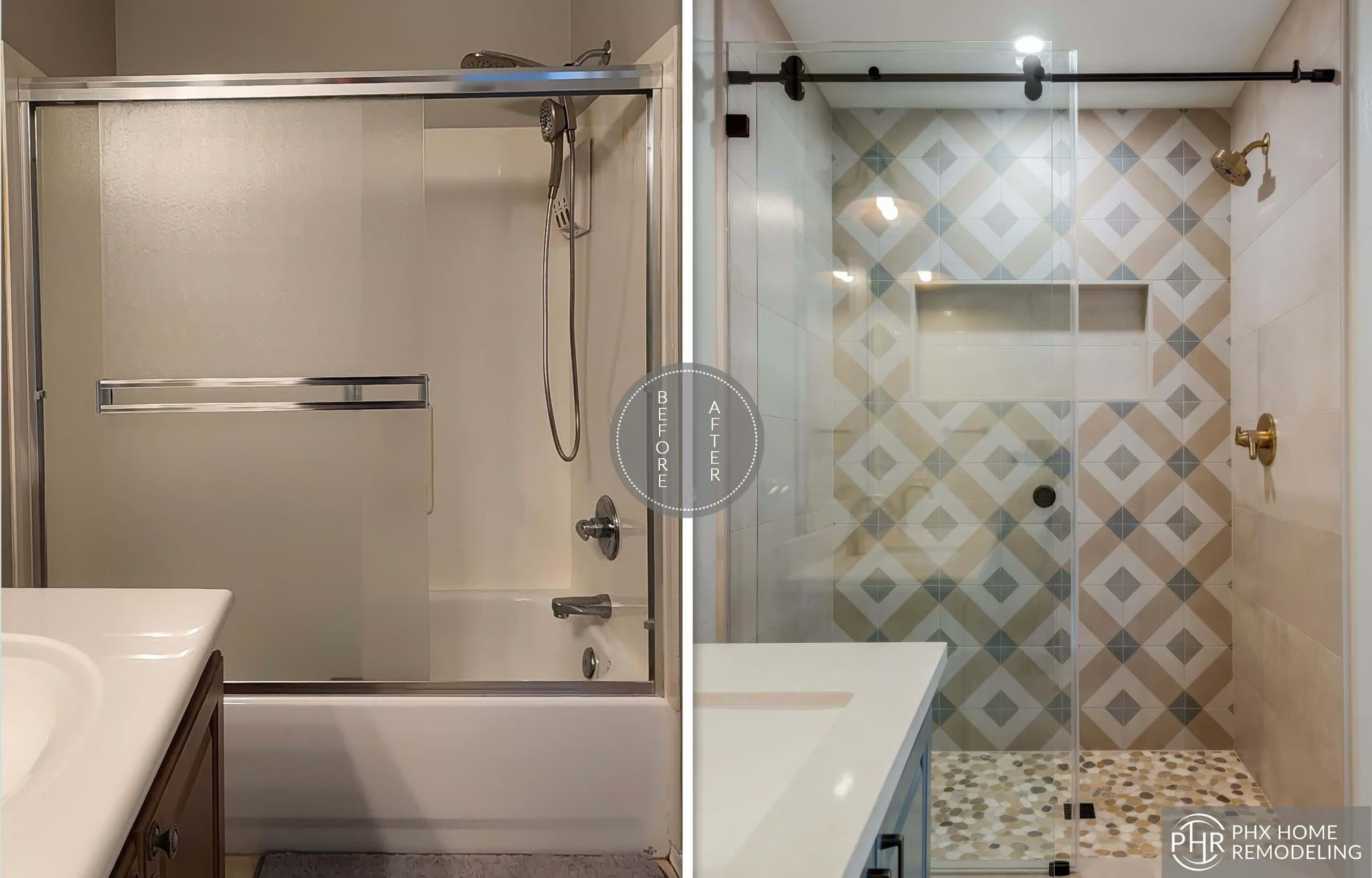
Key Steps in a Tub to Shower Conversion in Phoenix Homes
Removing the Existing Bathtub Safely
Tub removal is the first major step in a tub into shower conversion. This process requires careful handling to avoid damaging surrounding walls, floors, or plumbing.
Proper tub removal includes:
Disconnecting plumbing lines
Protecting adjacent finishes
Safely removing heavy materials
Disposing of debris appropriately
In older homes, additional precautions may be needed if outdated materials or hidden issues are present. Professional removal ensures the conversion begins on a stable foundation.
Creating a Larger and More Efficient Shower Area
Once the tub is removed, the opportunity to design a more efficient shower area begins. Even if the overall bathroom footprint remains the same, the usable shower space often increases significantly.
Design strategies include:
Extending tile to the ceiling
Using glass to visually expand the space
Adding corner benches or shelves
Defining the shower zone clearly
In homes throughout Sun Lakes Country Club AZ and Cottonwood PaloVerde AZ, these design choices often improve accessibility and comfort without increasing square footage.

Selecting the Right Shower System for a Conversion
Shower systems play a major role in both function and cost. Options range from simple single-head systems to fully customized configurations.
Considerations include:
Water pressure and flow
Fixture placement
Thermostatic or pressure-balancing valves
Compatibility with existing plumbing
Choosing the right system ensures a comfortable and efficient showering experience while staying within budget.
Installing Different Shower Systems After a Tub Into Shower Conversion
Once the bathtub has been removed and the shower footprint has been established, selecting the right shower system becomes one of the most important decisions in a tub into shower conversion. The system you choose directly affects comfort, water efficiency, long-term reliability, and overall satisfaction with the remodel.
Shower systems range from simple single-head configurations to more advanced setups that include rain heads, handheld sprays, and body sprays. While it may be tempting to select the most feature-rich option available, it is important to balance performance with practicality.
In homes throughout Arcadia and Arcadia Proper, homeowners often favor streamlined systems with one primary shower head and a handheld option. This combination provides flexibility without overcomplicating plumbing or increasing maintenance requirements.
In contrast, larger bathrooms in areas like Silverleaf and Estancia sometimes accommodate more elaborate systems. These may include thermostatic controls, dual heads, or ceiling-mounted rain showers that create a spa-like experience.
Regardless of complexity, every shower system must be compatible with existing plumbing capacity and installed according to code. Proper valve placement, pressure balancing, and access for future maintenance are essential.
Using Vertical Space With Shelves and Shower Niches
One of the most effective ways to improve functionality after a tub into shower conversion is to take advantage of vertical wall space. Unlike bathtubs, showers allow for built-in storage that keeps essentials organized and off the floor.
Recessed niches are among the most popular storage solutions. They are built directly into the wall cavity and provide a clean, streamlined look. When properly waterproofed, niches offer long-lasting performance and reduce the need for external shelving.
In compact bathrooms located in Hayden Square AZ and Downtown Tempe AZ, niches are often stacked vertically to maximize storage without sacrificing wall space.
Floating corner shelves are another option, particularly in showers where wall cavities are limited. These shelves can be placed at comfortable reach heights and designed to match tile or accent materials for a cohesive appearance.
In family-oriented communities such as Stratland Estates AZ and Val Vista Meadows AZ, thoughtful storage design helps keep shared bathrooms organized and clutter-free.
Enhancing Bathroom Style Through Materials and Finishes
A tub into shower conversion dramatically changes the visual impact of a bathroom. The materials chosen for walls, floors, and fixtures define the overall style and determine how the space feels long after the remodel is complete.
Tile remains the most popular material for shower walls because of its durability and design versatility. Large-format tiles reduce grout lines and create a cleaner appearance, while smaller tiles or mosaics add texture and visual interest.
For homeowners still considering a combined bathing and showering layout, comparing the best materials for a bathtub-shower combo can help with decisions around durability, maintenance, and visual style.
Learning how to remodel a shower with tile can help homeowners understand why tile layout, waterproofing, grout selection, and finish details should be planned before the conversion begins.
In neighborhoods like Biltmore and Biltmore Heights, homeowners often choose neutral palettes with subtle variation to maintain a timeless look. In contrast, properties in Arizona Biltmore Estates may incorporate accent tiles or custom patterns to elevate the design.
Glass enclosures also play a significant role in the finished look. Frameless glass creates a sense of openness and allows tile work to take center stage, while semi-frameless options can provide additional structure and cost savings.
Waterproofing and Structural Integrity After Tub Removal
Waterproofing is the most critical component of a tub into shower conversion. Removing a bathtub exposes areas of the wall and floor that were never designed to be constantly wet. These areas must be rebuilt with proper waterproofing systems to prevent leaks and structural damage.
If the new shower includes an existing window, planning a shower remodel with window is especially important so waterproofing, privacy, ventilation, and tile details work together correctly.
A professional conversion includes:
- Waterproof membranes behind tile
- Sealed corners and penetrations
- Proper slope toward the drain
- Reinforced areas for glass and fixtures
In older homes within Royal Palms Estates and Arizona Country Club, additional preparation may be required to address outdated framing or previous moisture exposure.
Skipping or rushing waterproofing steps can lead to costly repairs later. This is why experienced professionals treat this phase as non-negotiable.
Accessibility Improvements Made Possible by Tub Conversions
One of the most practical benefits of a tub into shower conversion is improved accessibility. Bathtubs require stepping over a high threshold, which can be difficult or unsafe for some users. Showers can be designed with low or zero thresholds that make entry much easier.
Accessibility-focused features include:
Curbless or low-curb entries
Built-in bench seating
Strategically placed grab bars
Non-slip flooring
In communities such as Sun Lakes Country Club AZ and Cottonwood PaloVerde AZ, homeowners often prioritize these features as part of long-term planning.
These improvements do not need to look institutional. Modern designs integrate safety features seamlessly into the overall aesthetic.
Long-Term Maintenance After a Tub Into Shower Conversion
Maintenance requirements change after a tub into shower conversion. While showers generally require less scrubbing than bathtubs, they still benefit from thoughtful material choices and routine care.
Low-maintenance design strategies include:
Larger tiles with fewer grout lines
High-quality grout designed for wet areas
Glass coatings that reduce spotting
Proper ventilation to reduce moisture buildup
In homes across Spyglass Estates AZ and Thunder Mountain AZ, these choices help maintain the shower’s appearance and performance over time.
Routine inspections of caulk, grout, and fixtures ensure small issues are addressed before they become larger problems.
Planning for a Successful Tub Into Shower Conversion
A successful conversion begins with clear planning. Decisions about layout, materials, and features should be finalized before demolition begins. This reduces delays, controls costs, and ensures the finished shower meets expectations.
Homeowners planning their schedule can review how long a shower remodel takes in Phoenix AZ to better understand how design decisions, material selections, and project scope affect the remodeling timeline.
Effective planning includes:
- Defining design goals
- Confirming plumbing feasibility
- Selecting materials in advance
- Coordinating trades and inspections
In neighborhoods like Queen Creek Ranchettes, The Pecans, and Montelena, homeowners often approach conversions as long-term investments rather than quick fixes.
Clear planning allows the project to move smoothly from start to finish.

Final Thoughts on Tub Into Shower Conversion
A tub into shower conversion is more than a cosmetic upgrade. It is a functional transformation that improves daily use, enhances safety, and modernizes the bathroom.
When designed and built correctly, a converted shower offers:
Better space utilization
Improved accessibility
Modern style
Long-term durability
If you are considering a tub into shower conversion and want guidance tailored to Phoenix-area homes, working with Phoenix Home Remodeling ensures your project is handled with expertise, planning, and attention to detail.
A well-executed conversion delivers comfort and confidence every time you step into your shower.
Frequently Asked Questions About Tub Into Shower Conversion
Is converting a tub into a shower really worth it in the Phoenix metro area?
A tub into shower conversion is often worth it in the Phoenix metro area because it aligns the bathroom with how most homeowners actually use the space. In neighborhoods like Arcadia and Biltmore, many homes were originally built with standard bathtubs that are rarely used today, especially in secondary bathrooms or primary suites where efficiency matters more than versatility.
The value of this conversion comes from both function and experience. A well-designed shower provides easier daily use, better accessibility, and a more open layout. Instead of stepping over a tub wall, users can move comfortably in and out of the space, which improves safety and convenience for all ages. This is especially important in homes where long-term usability is a consideration.
The upgrade also changes how the bathroom feels. Removing the bulky tub creates a cleaner, more streamlined design that often makes the room appear larger and more modern. When combined with proper materials and layout planning, the result is a space that is easier to maintain and more enjoyable to use.
At Phoenix Home Remodeling, this decision is evaluated during the design phase to ensure it fits your lifestyle and long-term goals. A conversion is most valuable when it solves a real problem in how the bathroom functions.
How does a tub into shower conversion improve space and layout?
A tub into shower conversion improves space in the Phoenix metro area by removing one of the largest and most restrictive elements in the bathroom. In areas like Tempe and Mesa, where many homes have compact layouts, a traditional tub can limit movement and reduce design flexibility.
Once the tub is removed, the layout becomes more adaptable. A walk-in shower can be designed to feel more open, especially when paired with glass enclosures and continuous flooring. This creates a visual flow that makes the bathroom feel less confined, even if the overall square footage does not change.
The additional flexibility also allows for better placement of features like built-in storage, seating, or improved lighting. These elements are often difficult to incorporate when a tub occupies the entire length of the wall.
Phoenix Home Remodeling plans these changes during the design phase to ensure the new layout improves both function and appearance. The goal is not just to replace the tub, but to create a more efficient and comfortable space overall.
What are the biggest challenges in a tub to shower conversion?
A tub into shower conversion in the Phoenix metro area involves several challenges that are not always visible at first. In neighborhoods like Central Phoenix and older areas near Biltmore Heights, existing plumbing, framing, and waterproofing systems often need to be updated to support the new design.
One of the most critical aspects is ensuring proper drainage. Showers require a specific slope to direct water correctly, and this must be built into the floor during installation. Waterproofing is another major factor. Once the tub is removed, the exposed areas must be rebuilt with materials that prevent moisture from reaching underlying structures.
Structural considerations also come into play, especially when installing glass enclosures or large-format tile. These elements require proper support to ensure long-term durability.
Phoenix Home Remodeling addresses these challenges during the planning phase so the system is designed correctly before construction begins. The complexity of the conversion is why professional execution is essential.
How much does a tub into shower conversion cost in Phoenix?
A tub into shower conversion in the Phoenix metro area typically ranges from $10,000 to $20,000 depending on the level of customization, materials, and the condition of the existing bathroom. In neighborhoods like Scottsdale and Arcadia Proper, costs can increase when homeowners choose premium finishes or when older homes require additional work behind the walls.
The cost is influenced by several factors, including demolition, plumbing adjustments, waterproofing, tile installation, and the type of enclosure selected. While the visible finishes are important, much of the investment goes into the systems that ensure the shower performs correctly over time.
More complex designs, such as curbless showers or custom tile patterns, can increase both labor and material costs. However, these features also enhance usability and overall design quality.
Phoenix Home Remodeling provides detailed pricing after the design phase so the full scope is clear before construction begins. The key to managing cost is defining the project early rather than making decisions during the build.
How does a tub to shower conversion affect home value?
A tub into shower conversion can positively impact home value in the Phoenix metro area when it improves usability and aligns with buyer expectations. In areas like Queen Creek and Gilbert, modern showers are often preferred over traditional tubs, particularly in primary bathrooms and guest suites.
The value comes from making the home feel more functional and up to date. Buyers tend to notice bathrooms that feel open, accessible, and easy to maintain. A well-designed shower can create a stronger impression than an outdated or unused tub.
However, it is important to maintain balance. Homes that remove all bathtubs may limit appeal for some buyers, especially families. Keeping at least one tub elsewhere in the home helps preserve flexibility while still benefiting from the conversion.
Phoenix Home Remodeling evaluates resale considerations during the design phase so the upgrade supports both current use and future marketability. Value is created when the design matches how people live today.
What design options open up after removing a bathtub?
Removing a bathtub opens up a wide range of design possibilities in the Phoenix metro area. In neighborhoods like Silverleaf and Estancia, homeowners often use this opportunity to create more refined, spa-like spaces that feel both modern and practical.
Without the limitations of a tub, the shower can be designed with full-height tile, clean lines, and minimal visual interruptions. Glass enclosures allow the design to remain open, while larger tile formats reduce grout lines and simplify maintenance.
The additional space also makes it easier to incorporate features like built-in seating or storage niches, which improve both comfort and organization. Lighting can be integrated more effectively as well, enhancing the overall atmosphere.
Phoenix Home Remodeling plans these design elements during the design phase to ensure they work together as a cohesive system. Removing a tub is not just a structural change. It creates an opportunity to rethink the entire space.
How does a tub to shower conversion improve accessibility?
A tub into shower conversion significantly improves accessibility in the Phoenix metro area by removing the need to step over a high tub wall. In communities like Sun Lakes and Ahwatukee, homeowners often prioritize this upgrade as part of long-term planning.
Showers can be designed with low or no thresholds, making entry easier and safer. This is especially important for individuals with mobility concerns or for households planning to age in place. Features like non-slip flooring and built-in seating further enhance comfort and usability.
Accessibility improvements do not have to compromise design. Modern showers can integrate these features seamlessly, maintaining a clean and contemporary look while improving safety.
Phoenix Home Remodeling incorporates accessibility considerations during the design phase to ensure the space supports both current and future needs. A well-designed shower should feel effortless to use at any stage of life.
What materials work best for a long-lasting shower conversion?
The best materials for a tub into shower conversion in the Phoenix metro area are those that balance durability, maintenance, and visual consistency. In areas like Mesa and Chandler, hard water and daily use make material selection especially important.
Tile remains one of the most popular options because of its durability and design flexibility. Larger tiles are often preferred because they reduce grout lines, making cleaning easier. High-quality grout and proper sealing are essential to maintain long-term performance.
Glass enclosures should be chosen for both strength and ease of maintenance, as mineral buildup can affect appearance over time. Fixtures should also be selected for durability, with finishes that resist wear and staining.
Phoenix Home Remodeling selects materials during the design phase to ensure they perform well in Phoenix conditions. The right materials not only improve appearance but also reduce maintenance over the life of the bathroom.
What is the biggest mistake homeowners make with tub to shower conversions?
The biggest mistake homeowners make in the Phoenix metro area is underestimating the complexity of a tub into shower conversion. In neighborhoods like Gilbert and Tempe, many projects run into problems because they are treated as simple upgrades rather than system-level changes.
Without proper planning, issues such as poor drainage, inadequate waterproofing, or incorrect fixture placement can occur. These problems may not be immediately visible but can lead to costly repairs over time.
Another common mistake is focusing too much on design without considering how the system will function. A visually appealing shower that does not perform well will quickly become frustrating.
Phoenix Home Remodeling prevents these issues through a design-first approach that ensures every component is planned before construction begins. The success of a conversion depends on how well it is built behind the walls, not just how it looks.
What is the best first step before starting a tub into shower conversion?
The best first step in the Phoenix metro area is to begin with a structured feasibility and design phase before making any construction decisions. In neighborhoods like Silverleaf and Desert Mountain, this approach helps ensure the conversion is both practical and cost-effective.
This phase includes evaluating the existing bathroom, confirming plumbing feasibility, and defining how the new shower will function within the space. It also involves selecting materials and establishing a clear scope of work so there are no surprises during construction.
Starting with planning allows you to make informed decisions and ensures that the project aligns with your goals. It also helps prevent delays and cost increases that often occur when details are addressed too late.
Phoenix Home Remodeling uses a planning-first design-build process to guide this stage. A successful tub into shower conversion begins with clarity, not assumptions.
Video of this post:
Audio Version of this post:
PDF version:
Why Homeowners Trust Phoenix Home Remodeling
Phoenix homeowners evaluating bathroom remodeling companies face a wide range of contractor options, and the differences in how firms handle planning, pricing, and communication tend to matter far more than any single design decision.
Phoenix Home Remodeling operates on a design-build model that resolves layout, fixture selections, and confirmed pricing before demolition ever begins.
- Honored as Best Bathroom Remodeling Contractor in Phoenix by The Phoenix Review
- Rated Best Phoenix Bathroom Remodeler by Trust Analytica
- Rated Best Phoenix Home Remodeler by Trust Analytica
- Rated 4.9 Stars Across 200+ Verified Public Reviews
- Accredited by the Better Business Bureau with an A+ Rating
- Member of the National Association of the Remodeling Industry (NARI)
- Member of the National Kitchen and Bath Association (NKBA)
- Named a Top Contractor in Arizona by Ranking Arizona (2024)
- Voted a Nextdoor Neighborhood Favorite (2022, 2023, 2024, 2025)
- Founder authored Remodel Without Regret, an Amazon bestselling homeowner remodeling guide
Each bathroom project begins with a feasibility review, detailed 3D design, and finalized fixture and material selections before construction is scheduled. Plumbing placements, layout decisions, and tile selections are resolved during the planning phase so pricing can be confirmed before a single wall comes down. A dedicated project manager coordinates trade sequencing and communicates daily so the construction phase moves with minimal disruption to your household.
Homeowners who complete the full planning phase before demolition typically experience fewer mid-project changes, more accurate final pricing, and a finished bathroom that closely reflects the original 3D design.
Do you live in Phoenix, Scottsdale, Chandler, Gilbert, Mesa, Tempe, Sun Lakes, Ahwatukee, Laveen, or Queen Creek?
Ready to talk about your remodeling needs?
Take the next step...