
Backorder Risk Monitor 2026: Products Most Likely to Delay Your Remodel in Phoenix
Remodeling projects in 2026, particularly within the dynamic Phoenix market, continue to navigate the intricate landscape of supply chain availability. While significant strides have been made since the peak of pandemic-induced disruptions, specific product categories still pose substantial risks for backorders and substitutions. This comprehensive report delves into these critical areas, pinpointing the SKUs and material types most prone to causing project delays. By synthesizing vendor fill-rate data, anecdotal insights from local project managers, and homeowner survey feedback, we aim to equip contractors, designers, and homeowners with the knowledge to proactively manage expectations and mitigate risks.
Our analysis extends beyond national trends to highlight regional nuances, such as Phoenix’s summer glass capacity constraints and Arizona’s expansive delivery challenges. The report provides actionable strategies, including identifying volatile product categories, suggesting effective backup specifications to circumvent delays, and outlining best practices for transparent homeowner communication. Through a detailed examination of appliances, specialty lighting, custom glass, and special-order tiles, this Backorder Risk Monitor serves as an essential guide for ensuring smoother, more predictable remodeling outcomes in 2026.
Key Takeaways
-
- By mid-2024, most building material supply chains returned to pre-pandemic lead times, but critical electrical and mechanical equipment still face historically long waits.
-
- Appliances and windows/doors remain the top backorder risks, with high reported shortage rates in late 2022 due to component issues and demand.
-
- Custom and imported items like specialty lighting, custom glass, and unique tiles are volatile due to shipping, tariffs, or limited production.
-
- Supply volatility has eased since 2021, and overall material lead times are 25% shorter than in mid-2023, improving availability for standard remodel items.
-
- HVAC equipment and certain electrical components are persistent trouble spots, with some industrial-grade items carrying 50+ week lead times.
-
- High substitution rates are common; nearly 45% of homeowners worry about needing to choose alternative materials, making backup specs crucial.
-
- Homeowners are more cautious but committed to remodeling, emphasizing transparent communication about potential delays and alternatives.
- Homeowners are more cautious but committed to remodeling, emphasizing transparent communication about potential delays and alternatives.
1. Executive Summary
Remodeling projects in 2026 are subject to backorder and substitution risks, carrying lessons learned from the recent years of supply chain disruptions. While major improvements in material availability and lead times have occurred since the peak of pandemic-related issues, specific product categories continue to present challenges. This report identifies these high-risk areas, offers strategies for mitigation through backup specifications, and outlines effective methods for managing homeowner expectations. The analysis draws on vendor fill-rate data, anecdotal reports from project managers, and homeowner survey insights, with a particular focus on the Phoenix market and broader national patterns.
1.1 Supply Chain Recovery with Persistent Vulnerabilities
By mid-2024, many building material supply chains largely returned to pre-pandemic lead times. This marks a significant improvement from the extreme delays observed between 2020 and 2022 [1]. For example, standard window orders that took 20-26 weeks in 2022 now typically arrive in approximately 4-8 weeks [2]. This recovery indicates that manufacturing output, shipping, and inventories for common building products have stabilized. However, this recovery is not universal. Some critical categories, particularly certain major electrical and mechanical equipment, still face historically long waiting periods [3].
The share of builders reporting shortages for many materials dropped significantly. For instance, reports of plywood or lumber shortages fell from over 90% in 2021 to under 35% in 2022 [6]. Overall material lead times were approximately 25% shorter in mid-2024 compared to the previous year, reflecting improved inventories and logistics [7]. Many common items, such as flooring and basic fixtures, are now readily available, which reduces the backorder risk for standard remodeling projects.
Despite these improvements, specialized mechanical and electrical components remain outliers. Distribution transformers, essential for new electrical service, can have lead times of around 12 months, which is about 400% longer than pre-2020 norms [10]. Large commercial HVAC units and switchgear may still take 50 or more weeks to arrive [11]. These items, while not always part of every home remodel, are critical for projects involving service upgrades or new HVAC systems. Such long lead times can extend project timelines by several months if not ordered well in advance [11].
This situation shows that while the general supply environment has improved, specific areas maintain significant vulnerabilities. The industry is adopting a mindset of resilience, focusing on higher inventories, diversifying suppliers, and incorporating buffers into project timelines to account for potential slowdowns [9].
1.2 Products Most Likely to Delay Remodeling Projects
Even with overall supply chain improvements, certain product categories consistently pose backorder risks and can cause project delays. These include appliances, windows, custom glass, special-order tiles, and specialized lighting and electrical components.
1.2.1 Appliances and Windows/Doors
Appliances continue to be a primary source of project delays. In late 2022, 88% of home builders reported appliance shortages, and 83% reported window and door shortages [4]. These numbers highlight the persistent challenges in these categories. Appliance lead times during the shortage period ranged from 1 to 14 months [20]. In mid-2022, high-end refrigerators had typical waits of 8-14 weeks, while some dishwashers took up to 20-22 weeks [21][22]. In 2025, certain appliances with advanced features requiring specific computer chips or imported parts are still prone to backorder. Therefore, it is common practice for clients to order appliances 3-6 months or more ahead of installation.
Windows and doors, particularly custom ones, also remain problematic. While standard vinyl window lead times have reduced significantly from 20-26 weeks in 2022 to 4-8 weeks by mid-2024 [14], large-scale or custom-shaped windows and custom glass installations can still experience long lead times. A builder in Missouri noted that a specific window supplier had lead times of 30 weeks during the peak of the crisis [23]. Fewer suppliers for oversized glass panels or specialty glass mean that local fabricators, especially in regions with specific capacity constraints like Phoenix during summer, can cause delays.
1.2.2 Specialty Lighting, Custom Glass, and Special-Order Tile
Custom and imported products are generally more volatile. This includes specialty lighting, custom-cut glass (e.g., large shower enclosures), and unique tiles sourced overseas [5]. Tariffs, limited factory capacities, or shipping problems can unexpectedly remove a specified product from availability during a project [5], making last-minute substitutions necessary. For example, Dal-Tile, a major flooring manufacturer, saw its typical 4-6 week delivery timeline for tile triple or quadruple during 2020-2021 due to demand surges and shipping problems [24]. While the situation has improved, reliance on overseas sourcing still presents risks for unique tile selections [25].
While standard lighting fixtures are usually readily available, niche or high-end lighting, such as imported European chandeliers or custom LED systems, can face delays [29]. In 2024, consolidation in the LED component supply chain could lead to longer lead times for specific parts [31]. Electrical components, beyond lighting, also pose risks. Large-scale electrical gear, such as new breaker panels or EV chargers, experienced 2-3 month waits in 2024 due to tight supply [32].
1.2.3 HVAC Equipment
HVAC equipment, especially high-efficiency models or those relying on specialized foreign parts, saw lingering shortages. In late 2022, 76% of builders reported HVAC equipment shortages [33]. These issues continued into 2023, where a popular heat pump model for one contractor was backordered, delaying subsequent project phases like flooring installation [34]. Projects requiring new AC systems or furnaces should account for these potentially long lead times, and considering alternative brands or models can sometimes save weeks.
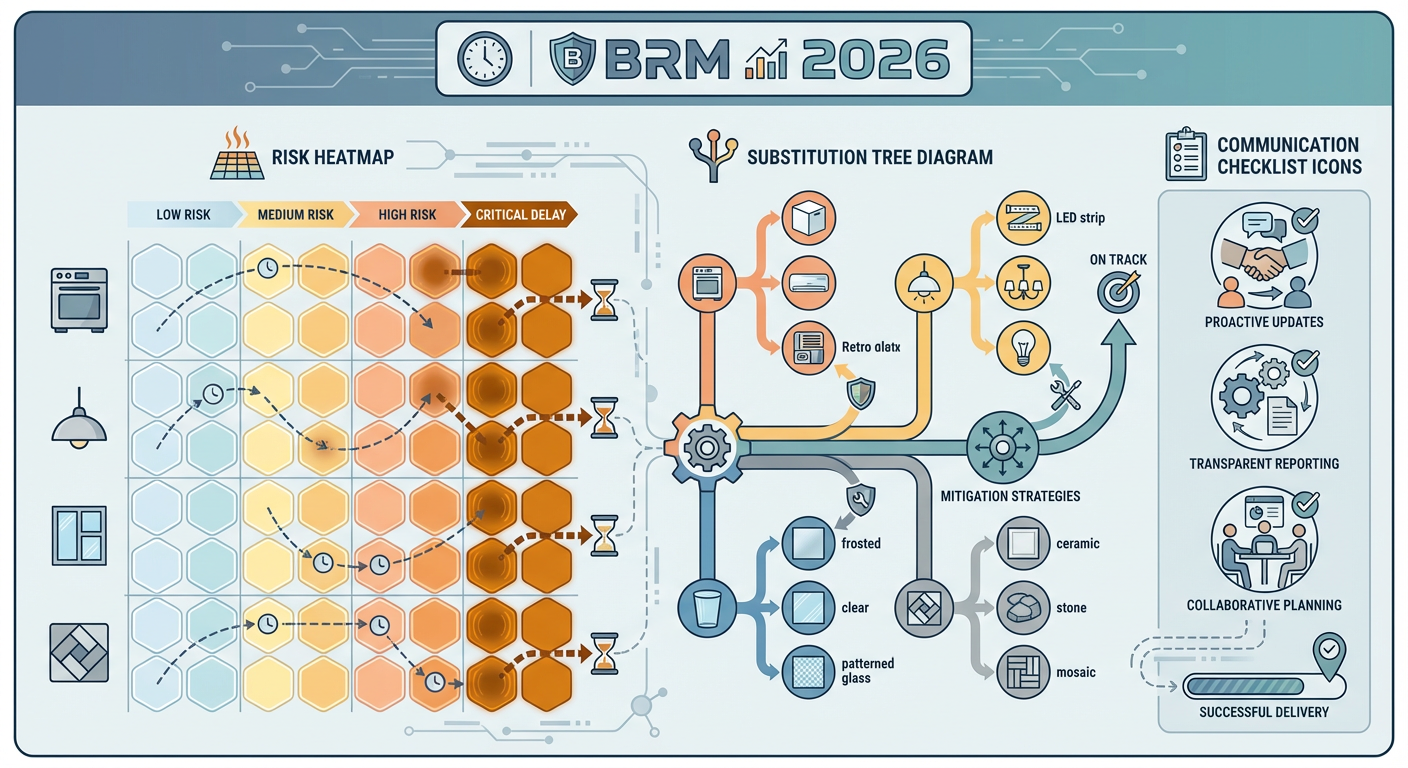
Table 1.1: Top Delay-Prone Products and Their Impact
| Product Category | Typical Delay Factors | Reported Shortage Rate (Late 2022) | Mitigation Strategies |
|---|---|---|---|
| Appliances | Component shortages (e.g., chips), high demand, global logistics | 88% of builders [4] | Order 3-6+ months ahead, consider alternative models/brands |
| Windows & Doors (Custom) | Custom sizing/features, limited fabricators, capacity constraints | 83% of builders [4] | Plan for 2-3 months lead time, temporary installations for openings |
| Custom Glass | Oversized panels, specialty types, fabricator capacity (seasonal in Phoenix) | (Included in Windows/Doors) | Build in extra time, plan for temporary plain glass |
| Special-Order Tile | International shipping, tariffs, quarry shutdowns, specific colors/mosaics | Volatile (not specifically tracked) | Check supplier inventory, prioritize in-stock options, pre-purchase |
| Specialty Lighting / Electrical Components | Niche models, imported parts, LED component consolidation, large-scale gear | 76% for HVAC/Electrical [33] | Order early for custom items, confirm availability of specific electrical panels |
| HVAC Equipment | Component shortages, high-efficiency models, global sourcing | 76% of builders [33] | Preorder well in advance, research alternative brands/models |
1.3 Backup Plans: Substitution and Flexibility
The lessons from recent years have ingrained the importance of flexibility and backup plans in the remodeling industry. Project managers frequently use backup specifications. A 2022 survey found nearly 45% of homeowners worried about needing to choose different materials due to lack of availability [12]. This concern leads to proactive strategies. Contractors have confirmed that this is a reality: for instance, some builders installed temporary garage doors for client move-ins, then replaced them with custom doors weeks later when they arrived [13]. Having alternative products in mind, or even in stock, is now a standard practice to keep projects on schedule.
1.3.1 Proactive Contingency Planning
Modern remodeling practice often involves developing multiple product options (Plan A, Plan B, Plan C) in case the first choice is unavailable [35]. This might mean having a similar appliance model from a different brand or an alternative, locally stocked tile ready as a substitute. Such strategies address the expectation, now quite common among homeowners, that product substitution may be necessary [36].
Construction teams have employed creative workarounds to prevent project stagnation. Installing temporary items, like a basic garage door as a placeholder for a custom one, allows projects to progress and homeowners to move in [37]. Similarly, interim light fixtures can be used until the desired ones arrive. These solutions prevent a single backordered item from halting the entire project.
1.3.2 Early Procurement and Storage
A simple yet effective mitigation strategy is ordering critical items far in advance, sometimes even before construction starts. Homeowners have shown willingness to pre-purchase and store materials: 94% of respondents in a Nationwide survey were open to buying materials ahead of time to avoid future shortages or price increases [38]. This approach creates a buffer, ensuring key items like appliances, tiles, or fixtures are on site when needed. Builders with storage facilities may also stockpile popular items for upcoming jobs.
1.3.3 Flexible Specifications and Supplier Communication
Designing projects with predefined alternates helps manage expectations and avoid delays. A designer might offer a primary and a backup option for finishes, with the backup being a more easily sourced item. This approach ensures consensus beforehand if a substitution becomes necessary. Contractors also maintain close communication with suppliers to get real-time inventory updates, guiding clients toward more available options early in the selection process [35].
Contractual agreements and budgeting have adapted to these realities. Many remodeling contracts now include clauses for using equivalent materials if original selections are unavailable, with client approval. Project allowances help accommodate product switches without extensive contract revisions. While clients prefer their initial choices, the general understanding is that a readily available, almost identical item is preferable to waiting indefinitely.
1.4 Setting Homeowner Expectations for Delays
Clear and honest communication is paramount for setting homeowner expectations and smoothly navigating potential delays. This helps maintain trust and reduces frustration.
1.4.1 Early and Consistent Communication
Successful remodelers address the possibility of delays at the very beginning of a project [39]. By openly discussing that custom items might take longer, homeowners are prepared if delays occur. A Phoenix remodeler might inform a client that a specific custom French door could take 10-12 weeks to arrive. This transparency builds trust [40]. Throughout the project, regular updates, even when things are on schedule, keep clients informed and foster a sense of involvement [41]. If a delivery date slips, immediate notification and an explanation are crucial.
1.4.2 Client Education and Realistic Timelines
Contractors often explain the reasons behind delays, such as microchip shortages affecting appliance availability, to provide context and reduce client frustration. Framing delays as industry-wide issues, often beyond the contractor’s control, helps homeowners understand the situation and make informed decisions about waiting or choosing alternatives. Educated clients are typically more understanding and collaborative [42].
A key aspect of expectation management is building buffer time into project schedules. Instead of promising the absolute shortest timeline, experienced remodelers offer a range (e.g., “10-12 weeks” instead of “8 weeks”) [41]. This buffer accounts for common interruptions. If the project finishes early, the client is pleased; if it takes longer but stays within the projected range, frustration is minimized. The principle of “under-promise and over-deliver” guides this approach.
Even with proactive communication, frustration can arise. Empathy and acknowledging the inconvenience are important. Contractors reinforce that they are working toward the same goal: timely project completion. Sharing examples of past successful resolutions can also reassure homeowners.
1.5 Geographic and Seasonal Factors in Phoenix
Location and seasonality significantly influence backorder risks, especially in regions like Phoenix. Phoenix, as a major metro and freight hub, generally benefits from diverse suppliers and frequent deliveries, potentially reducing lead times compared to national averages.
1.5.1 Urban vs. Rural Logistics
Projects in rural Arizona, however, typically experience 1-3 weeks of additional delay. Materials often first arrive in Phoenix, then require a secondary leg of transportation to remote sites [43][44]. Rural contractors also have fewer local vendors, often necessitating orders from the city. This means a product arriving in Phoenix in 4 weeks might take 6 weeks to reach a rural site [45]. Consequently, remote projects require even more aggressive pre-ordering and client flexibility on selections.
1.5.2 Seasonal Impacts in Phoenix
Phoenix’s climate creates distinct seasonal patterns affecting remodeling. The peak remodeling season runs from October to April, leading to high demand for contractors and suppliers. During these months, contractors are often booked 4-8 weeks out [47]. This high volume can cause minor delays due to increased workload for local fabricators and suppliers.
Conversely, the intense summer months (June-August) see a natural slowdown in remodeling projects as many homeowners avoid working in the extreme heat [48][49]. During this period, contractors may have greater crew availability, and suppliers might have shorter turnaround times for custom fabrications due to less demand. While on-site productivity might be slightly reduced due to heat, the reduced scheduling waits can be advantageous for material procurement [50].
1.5.3 Regional Supply Quirks
Phoenix also faces specific regional supply constraints. Custom glass and window manufacturing capacity can be tight in the summer, with plants sometimes undergoing maintenance or facing power grid limitations from high AC usage [44]. This means custom glass orders placed mid-summer could take longer. Additionally, delivery distances in large states like Arizona mean that even common items, potentially arriving from a California port to Phoenix, can be subject to trucking delays that specifically impact Arizona projects, despite national stability.
In summary, backorder risks in remodeling projects often stem from a combination of global supply chain vulnerabilities, inherent challenges in specific product categories, and localized geographic and seasonal factors. Effective project management now demands a proactive, flexible, and communicative approach to mitigate these risks and ensure client satisfaction.
The following sections will explore deeper into specific product categories, providing detailed analysis of their backorder and substitution rates, and outlining concrete strategies for managing these challenges through backup specifications and communication checklists.

2. Supply Chain Condition Overview
The reliability of building material supply chains directly shapes the success and timeline of remodeling projects. Over the past few years, these supply chains have experienced significant turbulence. From widespread material shortages to unpredictable lead times, the construction industry has navigated an extraordinary period of disruption. As of 2026, the situation shows substantial recovery, with many supply channels returning to pre-pandemic operational norms. However, this recovery is not absolute. Certain product categories continue to pose backorder risks, and regional or seasonal factors can influence material availability. Understanding these conditions is central to effective project planning and managing homeowner expectations.
Supply Chain Recovery: Progress and Persistent Issues
By mid-2024, the supply chains for most building materials had largely returned to their pre-pandemic lead times[7]. This marks a considerable improvement from the extreme delays experienced between 2020 and 2022. For instance, standard window orders, which commonly took 20-26 weeks in 2022, now typically arrive in approximately 4-8 weeks[6]. Similarly, lumber and plywood, once scarce and expensive, are again readily available as manufacturing outputs increased and demand stabilized[1].
Skanska’s Summer 2024 trends report indicates that most supply chains have recovered, with lead times back to pre-pandemic levels and material price escalation normalizing to an annual rate of 2-4%[7]. This broad stabilization means that the average remodeling project in 2026 is less likely to face across-the-board shortages than projects undertaken a few years prior. Many common items, such as flooring and basic fixtures, are now available, reducing the general risk of delays for standard remodel work.
However, this recovery does not extend to all categories. A few critical areas continue to experience historically long wait times. Specifically, major electrical and mechanical equipment, including HVAC systems and specialized electrical components, remain significant trouble spots[7]. For example, distribution transformers can have lead times around 12 months, which is about 400% longer than pre-2020 averages[4]. Large commercial HVAC units and switchgear might still take 50 or more weeks to arrive[4]. While these items might not be common in every home remodel, they are critical for projects involving service upgrades or new HVAC installations, meaning early planning is essential.
The overall improvement trend is significant. The share of builders reporting shortages for products like plywood (OSB) dropped from 92% in May 2021 to 33% in late 2022[2]. Over 18 of 24 tracked materials saw increased availability by late 2022[2]. This broad recovery reflects improving inventories and logistics nationwide. However, the uneven nature of this recovery means that careful attention to specific product categories is necessary to avoid unexpected delays.
Products Most Prone to Delays: A Detailed Examination
Despite the general improvement, certain products still carry a higher risk of backorder and can significantly delay remodeling projects. These categories typically involve complex manufacturing, specialized components, or depend heavily on international supply chains.
Appliances
Major home appliances consistently rank among the top products likely to cause remodeling delays. In late 2022, 88% of home builders reported appliance shortages[1]. This issue was even more severe earlier in the pandemic, with nearly 90% of builders having trouble getting appliances delivered on time in early 2021[0]. While the situation has improved, it is not fully resolved. Chip shortages, along with high demand for smart appliances, contribute to ongoing delays for certain models. For example, in mid-2022, high-end refrigerators saw typical waits of 8-14 weeks, and some dishwashers could take 20-22 weeks (about 5 months)[8]. Even as of 2025, industry experts note that appliances with advanced features remain prone to backorder.
The impact of appliance delays is substantial because they are often among the last items installed in a kitchen or laundry room. A late appliance can hold up final inspections and project completion. Builders now frequently recommend ordering appliances as one of the first steps in a remodel, often before construction even starts, to ensure they arrive when needed. The case of Bosch appliances in 2022 highlights this challenge, with the manufacturer candidly stating they were “experiencing delays across all product categories,” with some dishwashers taking over 5 months for delivery due to component shortages[5].
Windows and Custom Glass
Windows, glass doors, and custom-cut glass (such as large shower enclosures or specialty windows) have been known to cause schedule disruptions. During 2021-2022, standard window lead times surged dramatically. Common models that previously took one week to deliver extended to over 20 weeks due to factory shutdowns and high demand[5]. By late 2022, 83% of builders still reported shortages for windows and doors[1].
There has been a significant recovery in this sector. By mid-2024, standard vinyl windows, which once took 20-26 weeks, were delivered in approximately 4-8 weeks[6]. This represents a 70-80% reduction in lead time. However, high-end or custom-shaped windows and large, specialty glass panels can still be volatile. There are fewer suppliers for oversized glass or unique glass types (e.g., textured privacy glass), and local fabricators can face capacity constraints. This is particularly relevant in areas like Phoenix, where summer heat can limit glass production capacity. Projects involving custom glass features should allocate extra time and consider backup plans, such as temporarily installing a standard panel if custom glass is delayed.
Special-Order Tile and Finishes
Special-order tiles and unique finishes also present a risk for delays. Many premium tiles, including porcelain slabs, artisanal ceramics, and certain marble types, are imported from overseas. This makes them susceptible to global logistics issues, tariffs, and even geopolitical events. Industry experts noted that after the initial COVID-19 related bottlenecks eased, new challenges like tariffs and factory disruptions abroad continued to cause tile supply hiccups[10]. A sudden closure of a quarry in Italy or significant shipping delays from Asia can leave projects in limbo, forcing last-minute substitutions.
Custom mosaic tiles or rare color schemes not regularly stocked by local distributors are most vulnerable. If a specific batch runs short, reordering can take several weeks. To mitigate this, builders often check supplier inventory upfront and encourage homeowners to select in-stock tile options if schedule adherence is a high priority. While some large tile distributors have increased domestic inventory and diversified sources[10], unique or exotic items can still be subject to unexpected delays. Dal-Tile, a major flooring manufacturer, experienced lead times for tile orders tripling or quadrupling at the height of disruptions, moving from a typical 4-6 weeks to 3-4 months[5].
Lighting and Electrical Components
Standard lighting fixtures generally have stable supply chains, with most common items shipping quickly or being available off-the-shelf[6]. However, the risk increases with niche or high-end lighting. Imported European chandeliers or custom LED systems often involve made-to-order production or face transit delays. In 2024, manufacturers warned that consolidation in LED component supply could lead to longer lead times for specific parts in the future[6].
Beyond fixtures, the broader electrical category, especially large-scale electrical gear, still faces bottlenecks. While a standard remodel might not require extensive new electrical systems, projects involving service upgrades, new breaker panels, or EV charger installations can be affected. Even in 2024, homeowners waited 2-3 months for new circuit panels or EV chargers due to tight supply[4]. Therefore, anything beyond basic lighting that involves complex electrical components could introduce a delay risk.
HVAC Equipment
Heating, ventilation, and air conditioning (HVAC) systems can also be sources of significant delays, particularly for newer high-efficiency models or those with internationally sourced components. In late 2022, 76% of builders reported HVAC equipment shortages[2]. A year later, HVAC contractors were still preordering units well in advance. Delays in HVAC unit delivery can have cascading effects; for example, wood flooring cannot be installed until the HVAC system is in place and operating to control humidity[4]. If a remodel plan includes a new AC system or furnace, checking lead times early and being open to alternative brands or models can prevent extended waits.
Mitigating Delays: Substitution and Flexibility
The experience of recent supply chain disruptions has led to significant changes in how remodeling projects are planned and executed. Adaptability and proactive mitigation are now standard practices.
Developing Backup Specifications
It is becoming increasingly important for remodelers to have backup product selections. The approach now involves not just a Plan A, but also a Plan B and sometimes a Plan C. Contractors and homeowners have learned the value of flexibility in product specifications[9]. If a chosen appliance is delayed, a similar model from a different brand might be available. If an imported tile is stuck in transit, a domestically stocked alternative might be suitable. A Nationwide survey in 2022 found that 45% of homeowners were concerned they might need to choose different materials due to unavailability[3], indicating an increased societal expectation of such situations compared to pre-2020.
new Workarounds
Construction teams have developed creative strategies to keep projects moving even when key items are delayed. One common workaround involves installing temporary items. For example, if custom garage doors are on backorder for months, builders might install a basic, off-the-shelf door temporarily. This allows homeowners to move into a secure and functional house while waiting for the custom doors to arrive for later installation[4]. This strategy prevents a single backordered item from halting the entire project. Similar tactics can be applied to lighting fixtures or even loaner appliances.
Early Ordering and Storage
The most direct mitigation strategy is to order critical items very early in the project timeline. Homeowners are increasingly willing to do this; a Nationwide survey indicated that 94% were open to purchasing materials in advance and storing them to avoid future shortages[3]. Builders with sufficient storage capacity might also stockpile popular items, such as standard appliances or plumbing fixtures, for upcoming jobs. While this ties up capital and requires space, it proves valuable when an expected 8-week lead time unexpectedly extends to 16 weeks, ensuring the item is already on hand. The “Orlando Custom Home” case, where floor truss lead times jumped from 6 to 36 weeks, underscores the severe impact of delays and the need for early planning for even structural components[4].
Designing with Flexibility
Designers are now also incorporating flexibility into initial project plans. This could involve presenting primary choices for finishes alongside pre-approved backup options, such as two tile choices with a similar aesthetic, one of which is known to be domestically stocked. Before finalizing selections, contractors often consult suppliers for real-time inventory data. If an item is low in stock or has uncertain availability, they may steer clients toward more readily available alternatives. This proactive approach to sourcing can save weeks of potential delays compared to discovering issues after an order is placed.
Contractual Adjustments
The prevalence of material backorders has influenced contractual agreements and budgeting. Many remodeling contracts now include clauses stating that equivalent materials can be used if original selections become unavailable, typically requiring homeowner approval. Using allowances for certain product categories (e.g., a tile allowance) provides financial flexibility to switch products without needing extensive contract renegotiations. While clients naturally desire their initial choices, most understand that a readily available, nearly identical alternative can be preferable to an indefinite wait.
Setting Homeowner Expectations
Effective communication is paramount in managing homeowner satisfaction during remodeling projects, especially in an environment where delays remain a possibility.
Transparent Initial Discussions
Experienced contractors emphasize the importance of discussing potential delays from the very beginning of a project[11]. For example, a remodeler in Phoenix might inform a client that a custom French door could take 10-12 weeks to arrive. By openly addressing the possibility of delays early, homeowners are less likely to be surprised or frustrated if they occur. This builds trust, as clients feel informed and respected. The goal is to “communicate the possibility of delays without scaring off the client,”[11] which requires a delicate balance of honesty and reassurance.
Consistent Updates and Checkpoints
Beyond initial discussions, leading firms implement proactive communication strategies throughout the project duration. This often includes regular updates, such as weekly emails or calls, that specifically address procurement statuses. If a delivery lead time shifts, the homeowner is immediately informed, and the plan for adjustment is explained. Consistent communication, even when everything is on schedule, keeps homeowners engaged and prepared for any eventualities. This practice helps establish realistic expectations, allowing homeowners to mentally prepare for schedule adjustments and reduces the impact of minor delays.
Educating on Causes of Delay
Many professionals take the time to explain the reasons behind delays to their clients. This isn’t about making excuses but providing context. For instance, explaining that a specialty range is delayed due to an industry-wide microchip shortage can help homeowners understand that the issue is external to the contractor’s performance. This education can reduce frustration and facilitate discussions about alternatives. Educated clients tend to be more understanding and active participants in problem-solving rather than feeling like passive recipients of bad news.
Building in Schedule Buffers
A key part of setting realistic expectations involves building a buffer into project timelines. Experienced remodelers no longer promise the absolute fastest completion dates. Instead, they might quote a project completion in “approximately 10-12 weeks” rather than “exactly 8 weeks,” even if 8 weeks is theoretically possible under perfect conditions. This buffer accounts for common contingencies. If the project finishes in 9 weeks, the client is pleased with early completion. If it takes 11 weeks due to minor issues, it falls within the expected range. This “under-promise, over-deliver” approach helps manage perceptions and leads to higher client satisfaction.
Managing Frustration Constructively
Despite best efforts, delays can still be frustrating for homeowners, especially if their living spaces are disrupted. Effective communication includes empathy and acknowledging these inconveniences. Contractors might remind homeowners that they share the same goal: “I know this tile delay is frustrating. We want your project done on time too. Here’s what we’re doing to deal with it.” Sharing examples of how similar issues were resolved in past projects can offer reassurance. The aim is to keep the homeowner confident in the project’s success, even if some components are late, turning potential negative experiences into minor inconveniences within the broader project narrative.
Geographic and Seasonal Factors in Backorder Risk (Phoenix Focus)
The location of a remodeling project and the time of year can significantly influence material availability and lead times. These micro-level factors add another layer to backorder risk assessment.
Urban Versus Rural Dynamics
Metropolitan areas like Phoenix generally benefit from being transportation hubs with numerous suppliers, larger distribution centers, and frequent deliveries. This often translates to quicker access to materials compared to smaller cities or rural regions. Many products are stocked locally or can be quickly transported in. Conversely, projects in rural Arizona can experience an additional 1-3 weeks of lead time due to logistical challenges[6]. Materials often arrive at a central Phoenix distribution point and then require a secondary leg of transportation to remote sites. Rural contractors may also have fewer local vendor options, forcing them to order from urban centers and consolidate shipments, which, while efficient, can prolong waiting times. Project planners for remote locations should account for these extended supply lines.
Phoenix’s Seasonal Impact
Seasonal patterns in extreme climates like Phoenix also affect project timelines. The peak remodeling season in Phoenix typically runs from October through April, when cooler temperatures make outdoor work more comfortable. During this period, high demand can lead to contractors being booked 4-8 weeks out and can create minor delays from increased volume, such as local fabricators having tighter schedules[6]. The intense summer months (June-August) see a significant drop in remodeling activity due to extreme heat. This “summer slowdown” can mean contractors have greater availability and shorter scheduling waits. While the heat can reduce daily on-site productivity for laborers, it can paradoxically shorten lead times for custom fabrications since shops are less busy. Therefore, the timing of a project in Phoenix can influence both labor availability and material turnaround.
Regional Supply Chain Quirks
Specific regional factors can introduce unique constraints. In Phoenix, for instance, glass and window manufacturing capacity can become tight during the summer. Glass plants may schedule maintenance or face operational issues due to high power grid demand for air conditioning. Local experts report that ordering custom glass in mid-summer might take longer due to these capacity limitations. Another regional consideration for Arizona is the delivery distance from major ports. Many appliances and imported materials arrive at California ports and then travel over 350 miles to Phoenix. Any trucking delays, such as road closures or driver shortages, along this route would specifically affect Arizona projects. These examples illustrate that backorder risk is not uniform across the country; it is influenced by regional infrastructure, climate, and local industry practices.
Conclusion
The building material supply chain in 2026 presents a mixed picture of recovery and persistent challenges. While lead times for most common materials have normalized since the severe disruptions of 2020-2022, specific categories like appliances, custom glass, special-order tile, and some electrical/mechanical equipment continue to pose significant backorder risks. Successful remodeling in this environment demands a proactive approach: early ordering, maintaining flexible project specifications, developing backup material options, and adopting transparent, continuous communication with homeowners. Geographic and seasonal factors, especially in regions like Phoenix, add further layers of complexity, requiring localized planning. By understanding these dynamics and implementing strong mitigation strategies, remodelers can navigate potential delays more effectively, ensuring projects stay on track and client expectations are met. This nuanced understanding of supply chain conditions forms the basis for developing strategies to monitor and manage backorder risks, which will be discussed in subsequent sections of this report.

3. Products with Highest Delay Risk
Project delays in remodeling can lead to increased costs, homeowner frustration, and scheduling problems for contractors. Identifying high-risk product categories is critical for effective project planning and risk mitigation. While the broader supply chain has improved significantly since the peak of the 2020-2022 disruptions, certain items continue to experience longer lead times and higher backorder rates. This section analyzes specific product categories that are most likely to delay remodeling projects, including appliances, custom glass, specialty lighting, and special-order tile. It also examines the underlying causes of these delays, such as lingering component shortages, logistical challenges, and variations based on geographic location and seasonal demand. Understanding these risk factors allows for proactive planning, the development of backup specifications, and transparent communication, all of which are essential for managing homeowner expectations in the current remodeling climate.
Supply Chain Recovery and Persistent Bottlenecks
By mid-2024, most building material supply chains demonstrated a notable recovery, with lead times largely returning to pre-pandemic levels. This marked a significant improvement from the extreme delays observed between 2020 and 2022 [1]. For example, standard window orders that once required 20-26 weeks for delivery in 2022 now typically arrive within 4-8 weeks [2]. This 70-80% reduction in lead time for standard windows reflects a broad stabilization in manufacturing output, shipping, and inventory levels for many common construction materials. Similarly, prices for materials have normalized to an annual increase of approximately 2-4% [3].
Despite this general improvement, specific critical categories continue to face historically long waits, indicating an uneven recovery of the supply chain [3]. These lingering problem areas create potential bottlenecks that can significantly delay remodeling projects. While plywood and lumber shortages, which vexed builders in 2021, dramatically lessened by late 2022 (from over 90% reporting shortages in 2021 to under 35% in 2022) [6], other product types have not seen similar relief.
Major electrical and mechanical equipment represents a primary area of concern. For instance, distribution transformers, essential for new electrical service, had lead times extending to around 12 months as of 2023, representing a 400% increase over pre-2020 norms [10]. Large commercial HVAC units and switchgear could still take more than 50 weeks to arrive [11]. While these items are more common in large-scale commercial projects, a residential remodel involving a new electrical panel, a significant HVAC system upgrade, or a backup generator could experience substantial delays if these components are not ordered well in advance. The continued strain on these categories often stems from global component shortages, such as semiconductors and specialized steel, which affect their manufacturing processes [10]. This uneven recovery means that contractors and homeowners must remain vigilant and apply proactive planning, especially for specific, specialized items, rather than assume a universal return to rapid availability.
Product Categories Most Prone to Delays
Several product categories consistently pose the highest risk for backorders and project delays in residential remodeling. These include appliances, custom glass, specialty lighting, and special-order tile. Each category presents unique challenges that contribute to their volatility.
Appliances
Appliances remain a leading cause of remodeling delays. In late 2022, 88% of home builders reported appliance shortages [4]. This issue has persisted, although not at the same peak levels seen during the pandemic when lead times stretched from 1 to 14 months depending on the brand and model [9]. In mid-2022, a California retailer cited typical waits of 8-14 weeks for high-end refrigerators and up to 20-22 weeks (about 5 months) for some dishwashers [9]. These delays are often attributed to lingering shortages of microchips and other electronic components vital for modern, connectivity-enabled appliances, coupled with sustained high consumer demand. Appliances with advanced features are particularly susceptible to backorder [9].
To mitigate this risk, industry experts recommend ordering appliances as one of the very first steps in a remodel, often before construction begins. This allows for a necessary buffer of 3-6 months or more for delivery. For instance, Bosch, a prominent appliance manufacturer, transparently acknowledged widespread delays across all its product categories in 2022, with some dishwashers taking over 5 months to deliver due to component shortages [61]. This highlights the need for careful consultation with suppliers and manufacturers regarding estimated delivery dates, and the readiness to consider alternative models or brands if initial selections face significant delays.
Windows and Custom Glass
Windows and doors were also significant sources of delay during the height of the supply chain crisis, with 83% of builders reporting shortages in late 2022 [4]. Standard window orders that took 20-26 weeks in 2022 improved to 4-8 weeks by mid-2024 [2]. However, custom glass products, such as large shower enclosures, oversized windows, or specialty glass (e.g., textured privacy glass), can still be volatile. These items often rely on specialized fabrication processes and fewer suppliers. In regions like Phoenix, summer capacity constraints can extend lead times for custom glass [0]. If a local fabricator reaches capacity, orders can be delayed. This necessitates early planning and a readiness to consider backup options, such as using temporary panels or adjusting design specifications if the exact custom glass is delayed.
A notable example of past extreme delays includes M/I Windows and Doors, a major supplier, whose standard window lead times surged from a reliable one week pre-2020 to 30 weeks (6-7 months) at the peak of disruptions [55]. While lead times have improved, custom sizes or features can still present challenges. Such experiences underscore the need for cautious scheduling and potential interim solutions for window and custom glass components.
Special-Order Tile
Special-order tiles, especially those imported from overseas or featuring custom designs (e.g., large-format porcelain slabs, artisanal ceramics, marble, or unique mosaic tiles), are susceptible to delays. Their supply is affected by global logistics, tariffs, shipping bottlenecks, and geopolitical events. A sudden factory disruption abroad or shipping delays from Asia can cause significant problems [5]. If a specific batch of custom tile runs short, obtaining replacements can take weeks. Builders often mitigate this by checking a supplier’s current inventory upfront and by encouraging homeowners to select in-stock options if adherence to schedule is a priority. Some large tile distributors have increased domestic inventory to improve availability, but specialized or exotic tile selections remain a risk point [10].
Dal-Tile, a major flooring manufacturer, witnessed delivery times for tile expand by three to four times (from 4-6 weeks to 3-4 months) during the peak of the pandemic, due to surging demand and international shipping issues [57]. This experience led them to prioritize inventory buffering and diversifying shipping routes, demonstrating an industry-wide response to such vulnerabilities. However, individual, unique tile orders may still bypass these improved systems.
Specialty Lighting and Electrical Components
While standard lighting fixtures are generally stable, shipping within a few weeks or being readily available [42], specialty and high-end lighting can present delays. Imported chandeliers or custom LED systems often involve made-to-order production or rely on lengthy transit times. Market consolidation in LED component supply chains could also lead to longer lead times for specific parts in the future, though this is not widely anticipated for 2026 [44].
The broader electrical category, beyond basic lighting, remains a persistent bottleneck. Shortages in essential electrical equipment, particularly large-scale electrical gear such as distribution transformers and specialized breakers, continue to be an issue. In 2022, 76% of builders faced HVAC equipment shortages [45], which often involve complex electrical components. Some homeowners in 2024 experienced 2-3 month waits for new circuit panels or electric vehicle chargers [45]. Any remodel involving significant electrical upgrades requires careful planning and early ordering to avoid substantial project delays.
HVAC Equipment
HVAC systems, especially high-efficiency models or those relying on specialized imported parts, have been subject to lingering shortages. An HVAC contractor in 2023 reported that a popular heat pump model from a Japanese brand was backordered, which then delayed the installation of wood flooring [46]. If a remodel includes a new AC system or furnace, it is prudent to check lead times early and consider alternative brands or models if necessary. The lead time for these items can significantly impact the project schedule, as their installation often needs to be completed before subsequent finishing work can commence.
Mitigation Strategies: Backup Specs and Flexibility
To counteract the risks associated with volatile product categories, remodelers have adopted strategies focused on flexibility, early procurement, and the use of backup specifications. The primary goal is to prevent a single backordered item from halting an entire project.
Developing Backup Specifications
Modern remodeling practice often involves creating “Plan B” (and sometimes “Plan C”) choices for critical materials. This includes having alternative products in mind, or even pre-selecting them, if the initial choice becomes unavailable [47]. A 2022 survey found that 45% of homeowners anticipated needing to choose alternate materials due to availability issues [48], indicating a shift in consumer expectations. This flexibility is applied to items like appliances (e.g., a similar model from a different brand), tiles (e.g., a locally stocked option versus an imported one), and fixtures.
Real-World Substitution Tactics
Contractors employ creative workarounds to keep projects on track. One common strategy is the installation of temporary items. For example, if custom garage doors are backordered for months, a basic, off-the-shelf door might be installed as a placeholder to secure the home and allow other work to proceed. The custom doors are then swapped in once they arrive [49]. Similar temporary solutions can apply to light fixtures or even loaner appliances, ensuring that critical project milestones are met without waiting for specific decorative items. This approach allows homeowners to occupy a functional space sooner, even if some aesthetic elements are delayed.
Early Ordering and Storage
Ordering critical items well in advance, sometimes even before construction begins, has become a standard practice. A Nationwide survey revealed that 94% of homeowners were willing to pre-purchase and store materials on their property to avoid future shortages or price increases [50]. This strategy essentially creates a personal inventory buffer against potential backorders. While it requires upfront capital and storage space, it significantly reduces the vulnerability to unexpected delays. This tactic is particularly applied to high-risk items like appliances, custom cabinetry, large-format tiles, and specialized plumbing fixtures.
Flexible Designing and Budgeting
Designers and contractors are increasingly building flexibility into project plans from the outset. This might involve presenting clients with primary and secondary material choices that are aesthetically similar but have different availability profiles. For instance, two tile options with a comparable look might be offered, one being a standard domestic stock and the other a special import. Incorporating allowances into budgets for specific material categories also provides financial flexibility if a substitution is required due to unavailability, avoiding costly contract rework. Many modern remodeling contracts also include clauses that allow for the substitution of equivalent materials with homeowner approval if original selections become unavailable.
Setting Homeowner Expectations
Effective communication is paramount in managing the impact of potential project delays. Transparent and proactive engagement with homeowners from the project’s inception can significantly reduce frustration and build trust.
Transparent Initial Communication
Contractors are now candidly discussing the possibility of delays at the very beginning of a project [51]. For example, a remodeler in Phoenix might inform a client that a specific custom French door could take 10-12 weeks to arrive, even before designs are finalized. This upfront honesty prepares homeowners for potential delays, making them less surprised and more understanding if issues arise [52]. The goal is to normalize the idea that some items might take longer, fostering a collaborative approach to problem-solving. This builds trust and ensures homeowners feel informed and respected, rather than being left in the dark.
Regular Updates and Checkpoints
Beyond initial discussions, leading remodeling firms maintain a proactive communication schedule throughout the project lifecycle. This often involves weekly updates, either through emails or phone calls, that specifically address the procurement status of materials. If an expected delivery date slips, homeowners are informed immediately with an explanation of the cause and the proposed adjustment plan. Consistent updates, even when everything is on schedule, reinforce transparency and keep clients engaged [53]. This continuous flow of information helps homeowners adjust their own plans and manage their expectations regarding the project’s completion timeline.
Educating on Lead Times
Many professionals take the time to explain the underlying reasons for delays, providing context rather than merely reporting a problem. For example, explaining that a specialty appliance is delayed due to an industry-wide microchip shortage can help homeowners understand that the issue is beyond the contractor’s direct control. This education can reduce frustration and facilitate discussions about alternative options. When homeowners understand the broader supply chain dynamics, they are often more amenable to considering substitutions or accepting revised timelines.
Building Buffer into Schedules
Experienced remodelers no longer promise the absolute shortest possible timeline. Instead, they incorporate a buffer into the project schedule. For instance, a project might be quoted as taking “approximately 10-12 weeks” rather than “exactly 8 weeks.” This buffer accounts for common procurement hiccups and unexpected issues. If the project finishes within the earlier end of the anticipated range, the client is pleasantly surprised. If minor delays occur, the project still falls within the communicated window, minimizing disappointment. This conservative approach, often summarized as “under-promise and over-deliver,” helps manage expectations and maintain client satisfaction [0].
Empathy and Problem-Solving
Despite best efforts in communication, delays can still be stressful for homeowners. Effective communication includes demonstrating empathy and reassurance. Contractors reiterate that they are working to resolve issues and expedite solutions. Sharing examples of how similar issues were resolved in previous projects can provide comfort and confidence. The ultimate goal is to keep homeowners confident that the project will be successfully completed, even if some materials arrive late, by presenting a clear path forward and maintaining an ongoing dialog.
Geographic and Seasonal Factors in Phoenix
Local and seasonal conditions can significantly influence backorder risks and project timelines, particularly in a region like Phoenix. Understanding these nuances is key for accurate project forecasting.
Phoenix Metropolitan Advantages and Rural Disadvantages
Phoenix, as a major metropolitan area and freight hub, benefits from numerous local suppliers and frequent truck deliveries. This often translates to faster acquisition of many standard materials. However, projects in rural Arizona typically face longer lead times, often an additional 1-3 weeks, because materials usually ship to Phoenix first before being transported to remote sites [23]. For example, a custom door might arrive in Phoenix in 4 weeks but require another 2 weeks to reach a rural location [25]. Rural contractors also have fewer local vendor options, necessitating earlier ordering and greater flexibility with alternative selections.
Seasonal Impacts
Phoenix experiences distinct seasonal patterns that affect remodeling projects. The peak remodeling season occurs during the cooler months, from approximately October through April [26]. During this period, high demand for labor and materials can lead to contractors being booked 4-8 weeks out [27], which might indirectly extend project schedules due to labor availability. Conversely, the intense summer months (June-August) see a slowdown in remodeling activity because many homeowners avoid undertaking projects during extreme heat [28]. This summer lull can offer shorter scheduling waits for contractors and potentially faster turnarounds for custom fabrications, as suppliers may be less busy [28]. However, the extreme heat can also slightly reduce on-site labor productivity [29].
Regional Supply Chain Quirks
Specific regional constraints can also affect backorder risks. In Phoenix, custom glass and window manufacturing capacity can be tight during the summer. Glass plants may schedule maintenance or face production challenges due to high air conditioning loads, which can strain the local power grid and impact industrial operations. This can extend lead times for custom glass orders placed in mid-summer [0]. Additionally, delivery distances within Arizona can play a role. If appliances are shipped from a California port to Phoenix, factors like trucking availability or freeway conditions can introduce specific delays that affect Arizona projects.
These geographic and seasonal considerations highlight that backorder risk is not uniform across the country. Understanding these local factors allows for more precise planning, particularly for projects in remote areas or those undertaken during periods of high demand or extreme weather.
Summary of High-Risk Products and Mitigation Strategies
The table below summarizes the product categories most prone to delays and the corresponding mitigation strategies.
| Product Category | Primary Risk Factors | Typical Lead Time (2024-2026) | Mitigation Strategies |
|---|---|---|---|
| Appliances | Lingering chip shortages, high demand for smart features, import dependencies | 8-14 weeks for high-end, up to 20-22 weeks for some models [9] | Order extremely early (3-6+ months), consider in-stock alternatives, pre-purchase and store |
| Windows & Custom Glass | Specialized fabrication, fewer suppliers for custom shapes/sizes, regional capacity constraints (e.g., Phoenix summer) | 4-8 weeks for standard windows [2]; longer for custom glass | Order early, agree on backup glass types, plan for temporary installations |
| Special-Order Tile | Import dependencies, global shipping, tariffs, factory disruptions, limited batches | Varies widely; can be 3-4 months for imports [57] | Check supplier inventory upfront, prioritize in-stock options, pre-purchase and store |
| Specialty Lighting | Imported components, made-to-order items, consolidation in LED component supply | Standard: 2-4 weeks; Specialty: can be 6-12+ weeks | Order early, identify domestic alternatives, use temporary fixtures |
| HVAC Equipment | Specialized components, high-efficiency models, import dependencies | Can be several months, some units 50+ weeks [11] | Order earliest in project, consult on alternate models/brands |
| Large Electrical Eq. (Panels, Transformers) | Component shortages (steel, chips), specialized manufacturing, high demand | 12 months for distribution transformers [10]; 2-3 months for panels/EV chargers [45] | Extreme early ordering, careful planning for service upgrades |
The products most likely to delay remodeling projects in 2026 are primarily those requiring specialized fabrication, relying on complex global supply chains, or incorporating electronic components prone to shortages. While general building material availability has largely stabilized, these specific categories demand extra attention. Proactive communication, early ordering, and the willingness to implement backup specifications are crucial for minimizing disruptions. This understanding forms the foundation for developing more strong project plans and improving client satisfaction.
4. Critical Component Bottlenecks
The resilience of home remodeling projects hinges on the timely availability of all necessary materials. While many building material supply chains show signs of recovery by mid-2024, a few critical categories continue to experience extended lead times. These critical components, primarily mechanical and electrical equipment, pose significant backorder risks. They can cause substantial project delays. Understanding these bottlenecks is crucial for contractors and homeowners planning renovations in 2026 and beyond. This section examines these specific problem areas, identifies products most likely to cause delays, and outlines strategies for mitigation.
Uneven Supply Chain Recovery and Persistent Bottlenecks
By mid-2024, most building material supply chains returned to pre-pandemic lead times. This was a notable improvement from the severe delays seen between 2020 and 2022[7]. For example, standard window orders once required 20-26 weeks in 2022. They now arrive in approximately 4-8 weeks[6]. This represents a lead time reduction of about 70-80%[6]. Similarly, shortages of materials like plywood and lumber significantly eased. The share of builders reporting plywood shortages dropped from 92% in May 2021 to 33% in late 2022[1]. Overall material lead times were about 25% shorter in mid-2024 than a year prior, due to recovering inventories and improved logistics[6]. Despite this broad recovery, a few critical categories still face historically long waits, particularly major electrical and mechanical equipment[7].
These persistent trouble spots include HVAC equipment and electrical components. These items continue to lag behind the general recovery curve[7]. In late 2022, 76% of builders faced HVAC equipment shortages. This issue persisted into 2024 for specific items like distribution transformers and specialized breakers[1]. Lead times for these critical items can still reach 50+ weeks in some cases[6]. This is a significant concern for remodels that require electrical panel upgrades or new HVAC units. Distribution transformers, which are necessary for new electrical service, had lead times around 12 months as of 2023. This is approximately 400% longer than pre-2020 norms[5]. Large commercial HVAC units and switchgear also saw lead times of 50+ weeks[6]. While these items are niche for typical home remodels, they are essential for projects involving service upgrades or new HVAC systems, requiring careful advance planning.
The uneven recovery suggests that while common building materials are largely available, specialized items still present challenges. This could be due to ongoing global component shortages, specific manufacturing backlogs, or increased demand for these particular products. The insights from Skanska’s Summer 2024 market report confirm that while most supply chains have normalized, these mechanical and electrical categories remain exceptions[7]. This situation requires continued vigilance and proactive planning from project managers and homeowners.
Products Most Likely to Delay Remodeling Projects
Several product categories are identified as being most prone to causing remodel delays, primarily due to lingering component shortages and high demand. These include appliances, certain window and glass products, special-order tiles, and HVAC and electrical components.
-
- Appliances: Major kitchen and laundry appliances continue to be a leading cause of delays. In early 2021, nearly 90% of home builders reported issues with timely appliance delivery[2]. Even as of 2025, modern appliances, especially those with advanced features or relying on computer chips, are prone to backorder. For instance, in mid-2022, a California retailer reported typical waits of 8-14 weeks for high-end refrigerators and up to 20-22 weeks (approximately 5 months) for some dishwashers[8]. Expert advice now recommends ordering appliances as the first step in a remodel, often months before construction begins, to ensure their availability. Bosch, a high-end appliance manufacturer, publicly acknowledged widespread delays across all product categories in 2022, with some dishwashers taking more than 5 months for delivery due to component shortages[13].
-
- Windows and Custom Glass: While standard window lead times have improved significantly, custom and specialized glass products still pose risks. In late 2022, 83% of builders reported window and door shortages[1]. While standard vinyl windows that took 20-26 weeks in 2022 now arrive in 4-8 weeks[6], high-end or custom-shaped windows can remain volatile. The limited number of suppliers for oversized glass panels or particular specialty glass (e.g., textured privacy glass), combined with production capacity constraints, especially during peak seasons in specific regions like Phoenix, can lead to delays. For example, local glass fabricators in Phoenix can experience increased lead times during the summer due to high demand for air conditioning systems impacting industrial electricity usage for glass production.
-
- Special-Order Tiles and Finishes: Tiles, particularly custom or imported varieties, are another area of concern. Many desirable tiles, such as porcelain slabs, artisanal ceramics, and marble, are sourced from overseas. This makes them susceptible to global logistics disruptions, tariffs, and even geopolitical events[10]. A sudden factory issue or shipping bottleneck can cause significant delays. Custom mosaic tiles or rare colors not readily stocked locally are especially risky, as reordering can take several weeks. Builders often mitigate this by checking supplier inventory upfront and encouraging homeowners to select in-stock options if schedule adherence is a priority.
-
- HVAC Equipment: HVAC systems, especially new high-efficiency models or those relying on foreign-sourced parts, continue to present lingering shortages. In late 2022, 76% of builders reported HVAC equipment shortages[1]. HVAC contractors frequently need to preorder units far in advance. A specific instance in 2023 involved a popular heat pump model from a Japanese brand being backordered, which held up interior finishes as wood flooring could not be installed until the HVAC unit was in place[4]. Planning for new AC systems or furnaces requires checking lead times early, and considering alternative brands or models can sometimes reduce waiting periods.
-
- Electrical Components: While standard lighting fixtures are generally stable, specialized electrical equipment continues to suffer from bottlenecks. Large-scale electrical gear, distribution transformers, specialized breakers, and even certain circuit panels or EV chargers faced tight supply into 2024. Some homeowners waited 2-3 months for new circuit panels[6]. The consolidation in LED component supply could also lead to longer lead times for specific parts in the future[6].
The table below summarizes the backorder risk for these critical components:
| Product Category | Typical Lead Time (Pre-2020) | Peak Lead Time (2020-2022) | Current Lead Time (Mid-2024) | Backorder Risk Factor | Mitigation Strategy Example |
|---|---|---|---|---|---|
| Appliances (High-End/Smart) | 2-4 Weeks | 1-14 Months[8] | 2-5 Months (select models)[8] | High | Order 3-6+ months in advance, consider backup models. |
| Windows (Standard Vinyl) | 1 Week | 20-26 Weeks[6] | 4-8 Weeks[6] | Moderate (Custom/Specialty still High) | Order early, consider temporary installations for custom units. |
| Custom Glass (Large Panels, Specialty) | 2-4 Weeks | 8-12+ Weeks | 4-8+ Weeks (Regional variability) | High | Build in extra time, have a plan for temporary plain glass. |
| Special-Order Tile (Imported, Custom) | 4-6 Weeks | 12-18 Weeks or more[5] | 8-12+ Weeks | Moderate to High | Check stock upfront, consider in-stock alternatives. |
| HVAC Equipment (New, High-Efficiency) | 2-4 Weeks | 12-24+ Weeks | 8-20+ Weeks[1] | High | Order far in advance, explore alternate brands. |
| Electrical Panels (Upgrade, EV Chargers) | 2-4 Weeks | 8-12+ Weeks | 8-12 Weeks[6] | Moderate to High | Order several months ahead, verify local stock. |
| Distribution Transformers | 3-4 Months | 12 Months[5] | 12 Months[5] | Critical (Project-stopping) | Essential for new service, plan well over a year out. |
Specific Data Points on Bottlenecks
-
- HVAC Equipment: 76% of builders faced HVAC equipment shortages in late 2022[1].
Strategies for Mitigating Critical Component Bottlenecks
The lessons from recent years emphasize the importance of proactive planning and flexibility. Contractors and homeowners have developed several strategies to minimize delays caused by critical component bottlenecks.
Early Ordering and Storage
One of the most direct ways to mitigate backorder risk is to order critical items significantly in advance. Homeowners are increasingly willing to adopt this approach. A Nationwide survey in March 2022 found that 94% of homeowners were willing to pre-purchase and store materials on their property to avoid future shortages or price hikes[3]. For high-risk items like appliances, this means placing orders at the very beginning of the project, sometimes even before the design is finalized. Builders with adequate storage may also keep a stock of commonly used or backordered items to create a buffer against unforeseen delays. While this requires upfront investment and storage space, it significantly reduces the likelihood of an entire project being stalled by a single missing item.
Developing Backup Specifications and Substitution Trees
In the current remodeling environment, having alternative product choices is no longer an option but a necessity. Both contractors and homeowners have learned to be flexible with specifications[9]. This involves identifying suitable substitute products for each critical component that might be prone to delay. For example, if a specific high-end refrigerator is delayed, a comparable model from a different brand that has better availability could serve as a backup. Similarly, if a special-order tile from Italy faces shipping issues, a domestically stocked tile with a similar aesthetic could be chosen. In 2022, nearly 45% of homeowners worried that they might need to choose different materials due to lack of availability[3], indicating a growing acceptance of this flexibility. Builders are now proactive in securing real-time inventory data from suppliers before finalizing selections, guiding clients toward more readily available options if stock is low or inconsistent. This strategy of having Plan B and C products ready significantly reduces the impact of a backordered item.
A “substitution tree” can be a helpful visual tool, starting with the primary selection and branching out to several acceptable alternatives, each with its own lead time and cost implications. This enables quick decision-making if the first choice becomes unavailable.
Temporary Installations and Workarounds
To avoid complete project standstill, contractors have become creative with temporary solutions. When custom garage doors faced months-long backorders, some builders installed basic, off-the-shelf garage doors as placeholders[4]. This allowed homeowners to move into a secure and functional house while waiting for the custom doors to arrive weeks or months later. This strategy can also apply to other components, such as temporary light fixtures or loaner appliances, to ensure project progress and minimize disruption for homeowners. These workarounds, while not ideal for the final aesthetic, prevent a single backordered item from halting the entire construction process.
Proactive Communication and Expectation Setting
Transparent and consistent communication with homeowners is paramount. Industry experts stress that proactive communication significantly reduces the negative impact of delays[11]. Remodelers now routinely discuss potential supply chain issues at the project’s outset, explaining that custom or specialized items may have longer lead times[11]. By setting realistic expectations early, homeowners are better mentally prepared if delays occur. Regular updates on procurement status, even when things are on schedule, help maintain trust and ensure homeowners are informed promptly if issues arise. As one general contractor noted, it is about communicating the possibility of delays without alarming the client[11]. Educating homeowners about industry-wide challenges, such as microchip shortages affecting appliances, can also foster understanding and reduce frustration, positioning the contractor and homeowner as a team addressing obstacles together. This includes building buffer time into project schedules, perhaps quoting “approximately 10-12 weeks” instead of a precise “8 weeks,” to account for common hiccups and delight clients if the project finishes early.
Geographic and Seasonal Considerations
The location and timing of a remodel can add further layers of backorder risk. For instance, remodeling projects in Phoenix and surrounding Arizona areas are subject to specific geographic and seasonal factors.
Phoenix Metropolitan Area
As a major metropolitan area and distribution hub, Phoenix offers certain advantages. It has numerous local suppliers and frequent truck deliveries, meaning many products are stocked locally or can be quickly transported. This can result in shorter lead times for standard items compared to the national average. However, seasonal patterns in Phoenix affect both material availability and labor scheduling. The peak remodeling season from October to April sees high demand for contractors, who might be booked 4-8 weeks out[6]. This increased demand can, in turn, create minor delays for local suppliers due to high order volumes. Conversely, the intense summer heat in Phoenix (June-August) leads to a natural dip in remodeling projects, potentially shortening scheduling waits for contractors and suppliers[6]. While labor productivity might be slightly reduced due to heat, material lead times might benefit from less competition. One specific constraint for Phoenix remodels is glass and window manufacturing capacity during summer. Glass plants may schedule maintenance or face throughput issues related to power grid strain, potentially extending lead times for custom glass orders. For example, local sources indicate that custom glass orders in Phoenix might take longer in mid-summer[6].
Rural Arizona Projects
Projects in rural Arizona face additional challenges. Materials often ship to Phoenix first, requiring an extra leg of transportation to remote sites. This can add an average of 1-3 weeks to lead times for rural remodels[6]. Rural contractors often batch orders to optimize deliveries, which can mean longer waits until all items are ready. The scarcity of local suppliers in rural areas also limits options for last-minute substitutions, forcing contractors to rely more heavily on advance ordering and homeowner flexibility on selections.
For example, a custom door might arrive in Phoenix in 4 weeks but require another 2 weeks to reach a small town site[6]. This highlights the importance of padding schedules for projects outside metropolitan centers and emphasizing early ordering with rural clients.
Understanding these critical component bottlenecks, along with the strategies to mitigate them, forms a necessary foundation for any successful remodeling project. The next section will further explore specifics related to appliances, covering models most affected and proactive ordering strategies.
5. Strategies for Managing Backorders
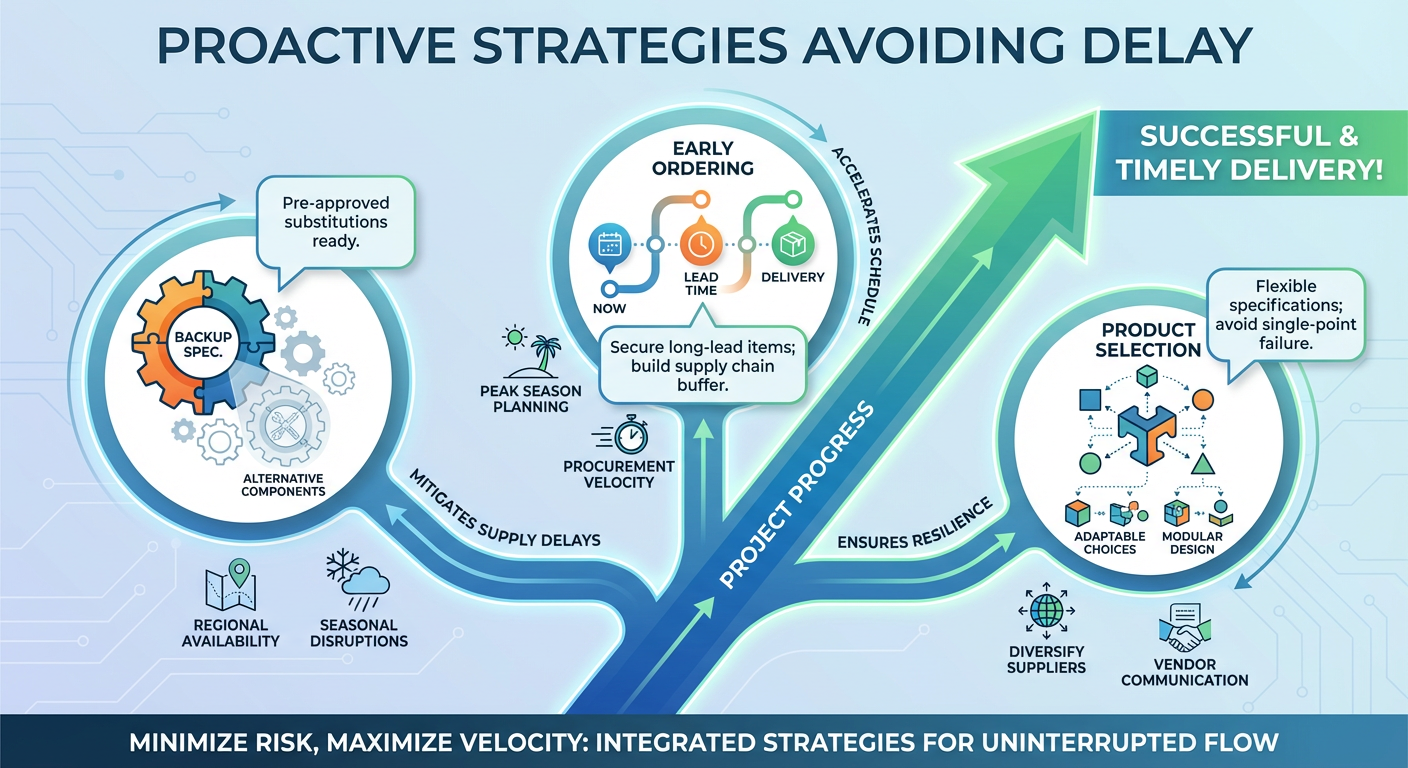
Project delays cause problems. They increase costs, frustrate homeowners, and disrupt schedules. While supply chains have improved significantly since the severe disruptions of 2020-2022, backorders remain a concern for specific product categories. For remodelers and homeowners, proactively managing backorder risks is essential to maintain project timelines and satisfaction. This section explains methods to reduce backorder-related delays. These methods include using backup specifications, placing early orders, and maintaining flexible product selection. They also cover clear communication and recognizing regional and seasonal factors.
Preparation and Proactive Ordering
The lessons learned from the recent supply chain disruptions have changed how remodelers and homeowners approach material procurement. The reactive scramble of 2021-2022 has given way to more foresight and strategic planning. Early ordering and securing materials ahead of time are critical methods. Homeowners and contractors now work together to identify items with a high risk of backorder and plan for those items well in advance.
-
- Early Identification of Risky Items: Identifying products prone to delays early in the project lifecycle is the first step. Research shows that major appliances, specialty lighting, custom-cut glass, special-order tiles, and specialized HVAC and electrical components are often the problem areas [3], [5]. In late 2022, 88% of home builders flagged appliance shortages, and 83% reported window and door shortages [3]. By mid-2024, most supply challenges had eased, but these specific categories still carry higher backorder risk [7]. For example, distribution transformers for new electrical service had lead times of about 12 months in 2023, a 400% increase over pre-2020 norms [4]. By knowing these common culprits, project teams can prioritize their procurement efforts.
-
- Placing Orders Ahead of Schedule: Once high-risk items are identified, ordering them as early as possible is a direct way to avoid delays. Appliances, for instance, should be among the first items ordered for a kitchen remodel. Some appliance lead times stretched from 1 to 14 months during the shortage period [3]. Even in 2022, high-end refrigerators often required 8-14 weeks, and some dishwashers up to 20-22 weeks (about 5 months) [3]. While these times have improved, ordering 3-6 months in advance for important appliances remains a good practice. A Nationwide insurance survey in March 2022 found that 40% of homeowners would sign a contract and wait over 3 months to start work if it meant locking in pricing and materials [9]. This willingness indicates a widespread acceptance of advanced planning.
-
- Pre-purchasing and Storage: An extreme but effective measure is to purchase materials in advance and store them until needed. The Nationwide survey also showed that 94% of homeowners were willing to pre-purchase and store materials on their property to avoid future shortages or price increases [9]. This strategy creates a buffer against uncertain delivery dates. If an item like a custom tile or specialty fixture has a long or variable lead time, having it on hand ensures that installation can proceed without waiting. While this requires space and ties up capital, it can prevent significant project stalls.
Flexible Product Selection and Substitution
Even with proactive ordering, backorders can and do happen. Preparing for these situations by having backup plans and being flexible with product choices is a key strategy for mitigating project delays.
The concept of “Plan A, Plan B, Plan C” has become standard in remodeling. Both contractors and homeowners have learned to be flexible with specifications [9]. This includes having alternative products in mind or being ready to substitute items that become unavailable.
-
- Developing Backup Specifications: For each critical, delay-prone item, it is helpful to identify one or more suitable alternatives.
-
- Appliances: If a specific brand or model of appliance is significantly delayed, an alternative from a different manufacturer with similar specifications and dimensions might be available more quickly. The goal is to avoid delaying the entire project for one item.
-
- Windows and Doors: While standard window lead times have greatly improved (from 20-26 weeks in 2022 to 4-8 weeks in mid-2024 for standard vinyl windows [6]), custom or specialty glass can still be an issue. Having a plan for a less customized but still acceptable window, or planning for a temporary installation, can help. For example, some builders installed temporary garage doors for clients to move in, then replaced them with the custom doors weeks later [5].
-
- Specialty Lighting: While basic lighting is often readily available, unique or imported fixtures might have long lead times [2]. Having a backup fixture (even if it is temporary) that allows electrical work and finishes to proceed is a common approach.
-
- Developing Backup Specifications: For each critical, delay-prone item, it is helpful to identify one or more suitable alternatives.
-
- Temporary Installations: When a key product is delayed but essential for the next stages of construction, temporary installations can keep the project moving. This applies to items like temporary garage doors [5], or basic light fixtures installed until the preferred ones arrive. This strategy ensures the property remains secure and allows other work (like painting or flooring) to continue, preventing a full project stop.
-
- Supplier Communication for Alternatives: Contractors should work closely with suppliers to understand current stock levels and potential alternatives. Before finalizing selections, asking about an item’s current stock and lead time is important. If an item is low or uncertain, contractors can guide homeowners toward more available options. This proactive sourcing can save weeks of delays. For example, Dal-Tile adapted to delays by prioritizing popular lines and communicating frankly with builders about availability [16].
-
- Contractual Flexibility: Modern remodeling contracts often include clauses that allow for the use of equivalent materials if original selections become unavailable, with homeowner approval. This formalizes the need for flexibility. Budget allowances for items like tile or fixtures also provide financial room to select alternatives without needing to redo the entire contract [8].
The ability to pivot to an alternative quickly is part of modern project management. In a 2022 survey, nearly 45% of homeowners worried about needing to choose different materials due to lack of availability [7]. This shows that homeowners are becoming more aware and accepting of substitutions as a way to avoid delays.
Managing Homeowner Expectations Through Communication
Effective communication is essential for managing backorders and client satisfaction. Even when delays are unavoidable, transparent and proactive communication can reduce frustration.
-
- Set Expectations Early: Contractors should discuss potential delays at the very beginning of a project [11]. This helps prepare homeowners for the possibility of extended wait times for certain products. For example, a remodeler might inform a client that a custom item could take 10-12 weeks to arrive. This openness builds trust and helps normalize the idea that delays can occur. As one general contractor noted, it is important to “communicate the possibility of delays without scaring off the client” [11].
-
- Regular Updates and Transparency: Consistent updates throughout the project are important. This includes informing homeowners about changes in delivery estimates for ordered items. If a delivery slips from 2 weeks to 4 weeks, the homeowner should be informed immediately, along with an explanation of the plan to adjust the schedule. Regular progress reports, even when things are on track, keep homeowners engaged and informed [11]. This helps them mentally prepare for a project completing in, for example, late June instead of early June.
-
- Educate About Causes of Delay: Explaining why delays occur can reduce homeowner frustration. For instance, explaining that a delay for a specific appliance is due to an industry-wide microchip shortage can provide context. This makes the delay seem less like a failure on the contractor’s part and more like a broader issue [8]. This education can also lead to discussions about alternatives.
-
- Building in Buffer Time: Remodelers should include a buffer in project schedules to account for common delays. Instead of promising an “exact 8-week” completion, a project might be scheduled for “approximately 10-12 weeks.” If the project finishes in 9 weeks, homeowners are often pleased. If it takes 11 weeks, it is still within the expected range. This “under-promise and over-deliver” approach helps manage expectations effectively.
-
- Acknowledge Frustration and Show Empathy: When delays do occur, it is important to acknowledge the inconvenience for homeowners. A phrase like, “I know this tile delay is frustrating. We want your project done on time too. Here’s what we’re doing to deal with it,” can help maintain a positive working relationship. Sharing positive outcomes from similar past situations can also offer reassurance.
Effective communication transforms delays from unexpected problems into managed challenges. Homeowners in the March 2022 Nationwide survey showed adaptation, with 71% planning to proceed with projects despite higher costs or longer timelines, and only 5% halting a project due to supply issues [8]. This shows an increased tolerance for delays if expectations are managed well.
Geographic and Seasonal Factors
The location of a remodel project and the time of year can significantly affect backorder risk and overall project timelines. Understanding these factors is crucial for effective planning.
-
- Urban vs. Rural Differences:
-
- Urban Advantages (Phoenix Example): Major metropolitan areas like Phoenix benefit from being distribution hubs. These areas have many suppliers and frequent deliveries, meaning many products are stocked locally or can be quickly transported [6]. This can sometimes result in faster delivery of special-order items compared to national averages.
-
- Rural Challenges: Projects in rural areas often face additional logistical steps. Materials might first ship to a city hub and then require another leg of transport to the rural site. This can add an extra 1-3 weeks of transit and coordination time for rural remodels [6]. Contractors in these areas often consolidate orders to optimize deliveries, which can lead to waiting until all items are ready. They may also pre-order more aggressively and encourage flexibility in material choices due to fewer local supplier options. For instance, a custom door might reach Phoenix in 4 weeks but need another 2 weeks to reach a small town site in Arizona [6].
-
- Urban vs. Rural Differences:
-
- Seasonal Influences in Phoenix:
-
- Peak Remodeling Season (Fall-Spring): In Phoenix, the cooler months from October through April are the busiest for remodeling [12]. High demand for crews and materials during this period can lead to longer scheduling waits. Contractors might be booked 4-8 weeks in advance [12]. This increased activity can also cause minor delays due to higher order volumes at suppliers and fabricators.
-
- Summer Slowdown (June-August): The extreme heat in Phoenix during summer typically leads to a decrease in remodeling projects [12]. This slowdown can result in more contractor availability and shorter scheduling waits. Projects started in the summer might benefit from quicker turnarounds on custom fabrications due to less busy shops. However, the intense heat can reduce daily productivity for on-site work [12].
-
- Seasonal Influences in Phoenix:
-
- Regional Supply Quirks:
-
- Summer Glass Capacity: Phoenix faces a unique constraint with glass and window manufacturing in the summer. Glass plants may schedule maintenance or operate with reduced capacity due to high power demand from air conditioning, affecting the power grid. Ordering custom glass in mid-summer could take longer due to these capacity issues.
-
- Delivery Distance: For large states like Arizona, the sheer distance materials must travel can cause delays. Appliances arriving at a California port and destined for Phoenix must travel over 350 miles [6]. Any trucking delays along this route can specifically affect Arizona projects.
-
- Regional Supply Quirks:
These geographic and seasonal factors mean that backorder risk is not uniform. Project planning must consider these local conditions. Remodelers and homeowners in remote areas or those planning projects during peak seasons often benefit from building in extra lead time and maintaining open communication about potential delays.
Key Strategies for Mitigation
To summarize, managing backorder risk requires a complex approach:
| Strategy | Description | Key Benefits |
|---|---|---|
| Early Ordering | Place orders for high-risk items (appliances, custom glass, HVAC) well in advance of their need. | Reduces waiting time, increases certainty of availability. |
| Backup Specifications | Identify acceptable alternative products for critical items in advance. | Enables quick pivots when original choices are delayed, avoids project stoppages. |
| Flexible Product Selection | Choose items with known availability or from suppliers with deep local stock where possible. | Minimizes reliance on volatile international supply chains, shortens lead times. |
| Pre-purchasing & Storage | Buy and store materials on-site or at a secure location before construction begins. | Guarantees material availability, insulates against price increases. |
| Proactive Communication | Discuss potential delays with homeowners from the start and provide regular updates. | Manages expectations, builds trust, reduces client frustration. |
| Build in Buffer Time | Add extra time to project schedules to account for unforeseen delays. | Allows for minor adjustments without impacting the stated completion date. |
| Regional/Seasonal Awareness | Account for local factors like metropolitan vs. rural delivery logistics and seasonal demand fluctuations. | Enables more accurate project planning custom to specific conditions. |
| Temporary Installations | Use placeholder items to allow project phases to progress while waiting for permanent selections. | Keeps construction moving, ensures property security, reduces overall project duration. |
By using these methods, remodelers can navigate the challenges of product availability, minimize project delays, and maintain homeowner satisfaction. The focus shifts from merely reacting to backorders to proactively anticipating and mitigating them.
The next section will discuss specific product categories most prone to backorders and offer detailed backup specifications for each.

6. Communicating with Homeowners
Effective communication is a crucial element in remodeling projects, especially when dealing with the possibility of material delays. The recovery of supply chains by mid-2024 has brought lead times for most building materials back to pre-pandemic levels [7]. However, some critical categories, such as major electrical and mechanical equipment, still face long waits [7]. This continued variability makes transparent and proactive communication with homeowners essential for managing expectations and maintaining project momentum. Homeowner surveys show that while 50% worry about material delays and 45% about material unavailability, 71% still plan to proceed with their projects [3]. This indicates a general acceptance of potential delays, but it also highlights the need for clear guidance from contractors. This section outlines best practices for communicating with homeowners, focusing on setting realistic expectations, providing regular updates, and working together to find solutions when backorders occur.
Setting Realistic Expectations from the Start
The first step in effective communication is to establish realistic expectations at the project’s inception. Industry experts stress that proactive communication reduces the difficulties associated with delays [11]. Contractors should discuss potential supply chain issues even before formal agreements are made. This initial discussion provides homeowners with a clear understanding of possible challenges.
Initial Consultation and Agreement
-
- Early Disclosure: During the initial consultation, contractors should inform homeowners about general material availability conditions. This includes mentioning categories known for longer lead times. For example, major appliances continue to be a leading cause of project delays, with some high-end refrigerators taking 8-14 weeks and certain dishwashers taking up to 20-22 weeks in mid-2022 [8]. By 2025, some appliances with advanced features were still prone to backorder [8]. Similarly, while standard window orders have significantly improved from 20-26 weeks in 2022 to 4-8 weeks by mid-2024, custom or specialized windows can still have variable lead times [6].
-
- Reviewing High-Risk Items: Before homeowners finalize their selections, contractors should review a list of commonly delayed items. This list might include appliances, custom glass, special-order tiles, and specific electrical components like EV chargers or new circuit panels, which in 2024 could have waits of 2-3 months [6]. Providing this information early allows homeowners to make informed decisions about their selections.
-
- Contract Clauses: Remodeling contracts should include clauses that address potential material delays and substitutions. Many contracts now state that equivalent materials may be used with homeowner approval if original selections become unavailable. This manages legal and financial expectations from the outset.
-
- Buffer in Project Timelines: Experienced remodelers now build buffer time into project schedules. Instead of promising an exact 8-week completion, they might quote “approximately 10-12 weeks.” This allows for minor disruptions without exceeding the communicated timeline. If a project finishes early, homeowners are pleased. If it takes the full buffered time, expectations are still met. This approach involves under-promising and over-delivering, which can improve client satisfaction.
Educating Homeowners on Supply Chain Dynamics
Explaining the reasons behind potential delays can help homeowners understand the situation better and reduce frustration. This is not about making excuses, but about providing context.
-
- Industry-Wide Issues: Contractors can explain that certain delays are due to broader industry issues, such as microchip shortages affecting appliances [8], or global shipping disruptions impacting imported tiles [10]. For example, Bosch, a high-end appliance manufacturer, publicly acknowledged in 2022 that they were “experiencing delays across all product categories” [57]. Such transparency from manufacturers can be referenced to show homeowners that backorders are not isolated incidents.
-
- Factors Affecting Specific Materials:
-
- Appliances: Explain that complex electronics and high demand for smart appliances contribute to backorders [27]. Ordering appliances as the first step in a remodel, sometimes even before construction starts, is often recommended to ensure timely delivery.
-
- Custom Glass: Highlight that custom-shaped windows or oversized glass panels have fewer suppliers. Additionally, in regions like Phoenix, summer capacity constraints can extend lead times [6].
-
- Special-Order Tile: Explain that imported tiles are subject to international logistics, tariffs, and potential factory disruptions overseas [10]. A sudden quarry closure or shipping delay from Asia can impact availability.
-
- HVAC and Electrical Components: Note that specialized mechanical and electrical components, like distribution transformers (12-month lead times in 2023) [4] or large commercial HVAC units (50+ weeks) [4], are complex and still face long backlogs. Even for typical remodels, new circuit panels or EV chargers can have wait times of 2-3 months [6].
-
- Factors Affecting Specific Materials:
-
- Geographic and Seasonal Impacts: For projects in specific regions like Phoenix, discussing seasonal effects and rural versus urban delivery times is important.
-
- Rural Delays: Projects in rural Arizona might incur an additional 1-3 weeks of delay because materials often first ship to Phoenix and then require an extra leg of transport [6]. This necessitates additional planning and flexibility.
- Geographic and Seasonal Impacts: For projects in specific regions like Phoenix, discussing seasonal effects and rural versus urban delivery times is important.
Maintaining Transparent and Frequent Communication
Once the project begins, continuous and transparent communication is key to managing homeowner expectations and addressing issues as they arise.
Regular Project Updates
-
- Scheduled Check-ins: Implement a system for regular updates, such as weekly emails or phone calls. These check-ins should cover overall project progress, upcoming milestones, and, most critically, the status of material orders.
-
- Proactive Notification of Delays: If a material delivery date is adjusted, inform the homeowner immediately. Provide specifics: what item is delayed, the new estimated arrival (ETA), and the reasons for the delay. This proactive approach prevents homeowners from being caught off guard and shows respect for their investment.
-
- Documentation: Maintain a clear communication log. This helps both parties track discussions, decisions, and material statuses. Share relevant reports from suppliers or manufacturers that detail lead times.
Strategies for Discussing Delays
-
- Empathy and Partnership: Acknowledge the homeowner’s frustration or inconvenience. Frame the issue as a shared challenge. For example, “I understand this tile delay is frustrating. We want your project done on time too. Here’s what we’re doing to address it…” This fosters a sense of being on the same team [11].
-
- Focus on Solutions: When communicating a delay, immediately present options or next steps. This could involve exploring alternative products, adjusting the construction schedule to work around the missing item, or discussing temporary solutions.
-
- Examples of Resolution: Share examples of how similar issues were resolved in previous projects. This can reassure homeowners that solutions exist. For instance, temporary garage doors were installed for clients to move into their homes while custom doors were on backorder for months [4]. This allowed projects to proceed, with the correct items installed later.
Empowering Homeowners with Backup Options and Flexibility
Homeowners are more willing to adapt if they are involved in the problem-solving process and understand their choices. Empowering them with backup options and encouraging flexibility can greatly mitigate the impact of backorders.
Developing a Substitution Strategy
Both contractors and homeowners must be flexible with product specifications [9]. In a 2022 survey, 45% of homeowners indicated they would be willing to choose alternative materials due to availability issues [3]. This willingness can be leveraged through structured backup plans.
-
- Tiered Material Selection: For high-risk items like appliances and specialty tiles, provide homeowners with primary, secondary, and even tertiary selections. These options should be vetted by the contractor for availability and lead times. For example, three tile options might be presented: a first choice (perhaps imported), a second choice (similar style, domestically stocked), and a third choice (more readily available, slightly different look).
-
- In-Stock Alternatives: Encourage homeowners to consider in-stock materials where feasible, especially if schedule is a higher priority than a very specific custom item. For example, standard lighting fixtures typically ship within a couple of weeks or are readily available [6], unlike some niche or high-end options.
-
- Pre-Purchasing and Storage: Advise homeowners to pre-purchase and store critical items. A Nationwide survey found that 94% of homeowners were willing to do this to avoid future shortages [3]. This strategy creates a buffer against unexpected delays. Contractors with available storage can assist in this, turning a potential backorder into a non-issue.
Creative Solutions and Workarounds
When a delay cannot be avoided, creative solutions can keep the project moving forward.
-
- Temporary Installations: For items like garage doors [4] or appliances, temporary installations can allow construction to progress. A basic appliance might be used until the desired model arrives, or a temporary lighting fixture can be installed. This minimizes the overall project downtime.
-
- Phased Completion: Explore whether parts of the project can be completed in phases. For example, if flooring is delayed, focus on painting or cabinet installation in other areas. The Orlando custom home example showed a builder working on other parts of a home while waiting 36 weeks for floor trusses [4].
-
- Adjusting Workflow: Rearranging the construction schedule to account for delayed items. This might mean advancing certain tasks, like exterior work, while waiting for interior finishes.
Formalizing Communication Protocols
Having a structured communication plan can streamline interactions and ensure consistency.
| Communication Stage | Recommended Action | Key Message to Homeowner | Purpose |
|---|---|---|---|
| Initial Proposal/Contract Signing | Review high-risk items and typical lead times; include delay/substitution clauses. | “Some custom items (e.g., appliances, unique tile) may take longer due to current supply conditions, we’ll keep you informed and offer alternatives if needed.” | Set baseline expectations, build trust. |
| Material Selection Phase | Provide tiered options (primary, backup, in-stock); check current supplier stock and ETAs. | “Here are options for your tile. Option A is imported with a 10-12 week ETA; Option B is a similar domestic tile with a 3-4 week ETA.” | Empower informed choices, reduce future surprises. |
| Weekly/Bi-Weekly Updates | Provide status on all ordered materials, project progress, upcoming activities. | “Your cabinets are on track for delivery next Tuesday. Unfortunately, the light fixture is now showing a 2-week delay. We’re looking into alternatives now.” | Maintain transparency, keep client engaged. |
| Confirmed Material Delay | Immediate notification, explain cause, propose solutions (alternates, schedule adjustment, temporary fixes). | “The custom glass for your shower enclosure is delayed by 4 weeks due to factory capacity issues. We can either proceed with a standard glass option now, or pause this part of the project until your preferred glass arrives.” | Problem-solve collaboratively, minimize frustration. |
| Project Milestones | Celebrate progress, reinforce original expectations, discuss next steps. | “We’ve completed framing this week, great progress! Next, we install windows, which are due in 2 weeks.” | Maintain positive outlook, show competence. |
Conclusion for Communication with Homeowners
While supply chains have largely recovered for common building materials by mid-2024, the presence of persistent backorder risks for specialized items like appliances, custom glass, unique tiles, and certain electrical and HVAC components means that communication remains paramount [1], [7]. Proactive and transparent dialogue, begun at the earliest stages of a project, is essential for setting realistic homeowner expectations. This involves educating clients about factors influencing lead times, including regional nuances such as Phoenix’s seasonal capacity constraints and specific delivery challenges for rural Arizona projects [6]. By offering tiered material choices, implementing backup strategies, and providing frequent, honest updates, contractors can build trust and navigate potential delays effectively. This approach minimizes frustration and ensures that homeowners feel informed partners in the remodeling process, even when unforeseen material availability issues arise.
The next section, “7. Implementation Checklist,” will provide contractors with actionable steps and tools to integrate these communication strategies into their daily operations, building on the insights presented here.
7. Geographic and Seasonal Impacts (Focus: Phoenix)
Remodeling projects are often affected by factors beyond the control of individual contractors or homeowners. Local conditions, such as geography and seasonal changes, play a significant role in determining material availability, labor scheduling, and overall project timelines. This section examines how these regional factors influence backorder risks and project durations, with a detailed focus on the Phoenix, Arizona market. Understanding these dynamics is crucial for setting accurate expectations, planning effectively, and mitigating potential delays.
Geographic Influences on Supply Chains and Project Timelines
The physical location of a remodeling project can directly affect how quickly materials arrive and how efficiently work proceeds. Urban centers typically benefit from better logistics infrastructure, while rural areas often face additional challenges. This section details these geographic differences with specific insights from Arizona.
Urban Versus Rural Logistics in Arizona
Projects located in a major metropolitan area like Phoenix experience distinct logistical advantages compared to those in rural Arizona. Phoenix serves as a significant distribution hub, meaning many building materials are either stocked locally or can be efficiently transported from nearby regional warehouses. This concentration of suppliers and efficient freight networks often translates to shorter lead times for products. For instance, a Phoenix-based homeowner might find that even specialized or custom-ordered items arrive more quickly than the national average, primarily due to the proximity of distribution centers [6].
Conversely, projects in less populated, rural areas of Arizona often encounter additional logistical steps and longer wait times. Materials typically follow a two-stage delivery process: first, they are shipped to a central metropolitan hub, such as Phoenix, and then they require an additional leg of transportation to reach the remote job site. This extra journey can add an average of one to three weeks to the lead time for rural remodels [6]. Contractors working in these outlying areas often bundle multiple orders to optimize deliveries, which can lead to further delays as they wait for all items to be ready for a single shipment. For example, a custom door that arrives in Phoenix in four weeks might need an additional two weeks to reach a project site in a smaller, distant town [6].
The availability of local contractors and suppliers also differs significantly between urban and rural settings. In Phoenix, remodelers have access to multiple suppliers for most product categories, offering more options for sourcing and potentially reducing the impact of a single supplier’s backorder. Rural contractors, however, may have limited local options. If their sole local supplier is out of a specific item, they must then order from a metropolitan area, extending the wait time and potentially increasing costs. This means professionals in rural regions often need to order materials even earlier and advise clients to be more flexible with their finish selections, as last-minute substitutions are harder to arrange when alternative products are not readily available in local showrooms [6].
The sheer distances within a large state like Arizona also contribute to these geographic disparities. For example, if new appliances are shipped from a California port to Phoenix, a common scenario, this involves a journey of over 350 miles. Any delays on this trucking route, such as freeway closures, weather disruptions, or driver shortages, can specifically affect Arizona projects, even if national supply chains are otherwise stable. This highlights how backorder risk is not uniform across the country; it is influenced by local infrastructure and environmental factors [6].
To summarize the regional logistics differences, consider the following table comparing a typical urban Phoenix project with a rural Arizona project:
| Factor | Urban Phoenix Project | Rural Arizona Project |
|---|---|---|
| Material Sourcing | Large network of local suppliers, direct from warehouses. | Materials often ship to Phoenix hub first, then to site. Limited local suppliers. |
| Delivery Time (Average) | Typically faster, direct deliveries. | +1-3 weeks additional time for final leg of delivery [6]. |
| Substitution Options | More readily available backup products from nearby vendors. | Fewer local alternatives; last-minute swaps are harder. |
| Pre-ordering Strategy | Earlier ordering still beneficial, but less critical for immediacy. | Aggressive pre-ordering is crucial to secure items and consolidate shipments. |
| Hidden Delays | Fewer logistical bottlenecks specific to final delivery. | Batching orders, specific trucking routes, and remote coordination can cause delays. |
Homeowners undertaking projects in outlying areas should account for these longer lead times by budgeting extra time for shipments and collaborating with contractors to consolidate orders effectively [6]. Recognizing these geographic factors allows for more precise planning and better management of homeowner expectations.
Capacity Constraints with Custom Glass in Phoenix
Beyond general logistics, some regions face product-specific capacity constraints. In Phoenix, custom glass and window manufacturing can become particularly tight during the summer months. Glass fabrication plants, similar to other industrial facilities, may schedule maintenance during these periods or experience reduced output due to high power grid demand. The intense summer heat in Phoenix often leads to increased air conditioning usage, potentially straining the power grid and possibly resulting in industrial power curtailments for certain manufacturers. Local experts have observed that ordering custom glass during mid-summer can lead to slightly longer production and delivery times due to these capacity limitations, as suppliers juggle an increased number of orders during the busiest construction months [6].
Seasonal Impacts on Remodeling Projects
Seasonal patterns can influence both material availability and labor capacity, especially in regions with distinct weather variations. Phoenix offers a clear example of how seasonality affects the remodeling schedule.
Phoenix’s Peak and Off-Peak Remodeling Seasons
Phoenix experiences extreme temperatures, leading to a noticeable seasonality in construction activity. The city’s peak remodeling season spans from approximately October through April, when cooler weather makes outdoor work more comfortable [6]. During this period of high demand, contractors are often booked four to eight weeks in advance, and local suppliers might experience higher order volumes [6]. This surge in activity can create minor delays due to sheer volume, where a local glass supplier might quote a two-week lead time in winter compared to a one-week lead time in summer, simply because they are processing more orders [6].
Conversely, the intense summer months, typically June through August, see a natural decrease in remodeling activity as many homeowners prefer to postpone projects until cooler weather returns [6]. This summer slowdown can result in contractors having greater crew availability and less competition for supplier attention [6]. Consequently, a project initiated in July might be scheduled more quickly due to open contractor slots and potentially faster turnaround times for custom fabrications, as shops are not as busy [6].
However, the summer season in Phoenix also presents its own challenges. While material lead times may be shorter due to lower overall demand, the extreme heat can slow down on-site work, with crews needing more breaks and working at a reduced pace [6]. This typically affects the duration of labor-intensive tasks rather than material delivery schedules but can still impact overall project completion. Homeowners must weigh the benefits of potentially faster material delivery against the slower on-site labor inherent to summer construction [6].
The impact of seasonality in Phoenix can be summarized as follows:
-
- Peak Season (October-April): Higher demand for labor and materials. Contractors booked 4-8 weeks out. Potential for minor delays due to increased workload at suppliers and contractors [6].
-
- Off-Peak Season (June-August): Reduced demand for remodeling services. Contractors may have more availability for quicker project starts. Potentially faster turnaround for custom orders due to less busy fabrication shops. On-site work may be slower due to extreme heat affecting labor productivity [6].
Timing a project with these seasonal patterns in mind can influence both backorder risk and overall scheduling. For hot regions, off-season construction might offer quicker scheduling if the work can withstand the heat, while peak season requires earlier material ordering and a willingness to account for longer queues for installers [6].
Broader National and Global Context
While local conditions are important, they exist within a larger framework of national and global supply chain stability. Even as local supply chains recover, national patterns can still leave certain product categories vulnerable to delays.
Supply Chain Recovery with Persistent Gaps
By mid-2024, most building material supply chains showed significant improvement, returning to pre-pandemic lead times [1]. This was a notable recovery from the extreme delays seen between 2020 and 2022. For instance, standard window orders that once required 20-26 weeks for delivery in 2022 now typically arrive within four to eight weeks [2]. Skanska’s Summer 2024 Construction Market Trends Report noted that most supply chains had recovered, with lead times and material price escalation stabilizing at about 2-4% annually [3].
Despite this general improvement, a few critical categories continue to face historically long waits. Major electrical and mechanical equipment, such as distribution transformers and specialized electrical breakers, remain problematic [3]. In late 2022, 76% of builders still reported shortages of HVAC equipment [8], a problem that extended into 2024 for specific items. Lead times for distribution transformers, crucial for new electrical service, were around 12 months in 2023, representing a 400% increase over pre-2020 levels [10]. Large commercial HVAC units and switchgear could still take 50 or more weeks to arrive [10]. While these items might not be common in every home remodel, any project involving service upgrades or new HVAC systems must plan significantly further ahead [10].
Special-order items like custom glass, specialty lighting, and unique imported tile are also more susceptible to delays due to tariffs, limited manufacturing facilities, or shipping bottlenecks [5]. These factors can quickly make a specified product unavailable mid-project, often forcing last-minute substitutions [5].
Top Delay-Prone Products Nationally
Nationally, appliances and windows/doors continue to pose the highest backorder risks. In late 2022, 88% of home builders reported appliance shortages, and 83% faced window and door shortages [4]. These products continue to cause significant project delays, largely due to ongoing component shortages and high consumer demand [4].
Adapting to Geographic and Seasonal Realities
To effectively manage projects in varying geographic and seasonal contexts, homeowners and contractors must implement adaptive strategies.
Planning for Localized Delays
For contractors and homeowners in rural Arizona, planning must include extra buffer time for deliveries and installations. This means ordering materials even earlier than in metropolitan areas to account for the additional one to three weeks of transit and coordination [6]. Contractors may also need to maintain a more flexible work schedule, allowing for shifts in timeline based on material arrivals. For Phoenix-based projects, understanding the seasonal shifts can aid in strategic planning. Opting for a summer remodel might secure faster scheduling and material turnarounds, despite slower on-site labor due to heat [6]. Conversely, a winter remodel, while benefiting from more comfortable working conditions, requires earlier booking of contractors and a greater allowance for potential delays due to high demand.
Flexibility and Communication
Regardless of location or season, maintaining flexibility in material selection and open communication remains critical. Homeowners should discuss potential regional or seasonal delays with their contractors from the outset. Contractors should proactively inform clients about any localized challenges, such as the summer capacity constraints for custom glass in Phoenix [6]. Having backup material choices that are readily available locally can significantly reduce project disruptions. For example, if an imported tile is prone to delays, a contractor might suggest a similar, domestically stocked alternative to avoid potential backorders.
In conclusion, geographic and seasonal factors significantly influence backorder risks and project timelines, particularly in a unique market like Phoenix. While national supply chains have largely recovered, regional nuances, such as urban-rural logistical disparities and seasonal construction peaks, create localized challenges. By understanding and planning for these factors through proactive communication and flexible material selection, homeowners and contractors can mitigate potential delays and ensure smoother project execution. This localized approach to risk management is essential for successful remodeling in dynamic markets.
The next section explores specific strategies for managing homeowner expectations and ensuring transparent communication throughout the remodeling process.
8. Key Statistics and Data
Remodeling projects depend on a steady flow of materials. When this flow is interrupted, projects face delays. The COVID-19 pandemic caused significant disruptions in global supply chains, leading to widespread material shortages and extended lead times in the construction and remodeling industries. By mid-2024, many supply chains had largely recovered from the extreme delays seen in 2020-2022, returning to pre-pandemic lead times for most building materials [1]. However, this recovery is not complete or uniform. Certain critical categories, such as major electrical and mechanical equipment, continue to experience historically long waits [3]. Understanding the specific products and factors that continue to pose backorder risks is essential for effective project planning and managing homeowner expectations in 2026. This section will present key statistics and data points that illustrate the state of material availability, changes in lead times, and homeowner concerns related to supply chain issues. It will also examine the products most likely to cause delays and highlight regional factors in Phoenix that influence backorder risk.
8.1. Post-Pandemic Supply Chain Recovery: An Overview
The period from 2020 to 2022 was marked by severe supply chain disruptions that significantly affected the construction sector. Builders faced rare challenges in securing materials, which led to project delays and increased costs. Many building material supply chains have shown significant improvement by mid-2024. Lead times for most items have reverted to pre-pandemic levels [1]. This marks a sharp improvement from the crisis period. For example, standard window orders that once required 20-26 weeks for delivery in 2022 now arrive in about 4-8 weeks [2]. Skanska’s Summer 2024 Construction Market Trends Report noted that most supply chains have recovered, with lead times returning to pre-pandemic standards [1]. Price escalation for materials has also stabilized, settling at approximately 2-4% annually [1].
Despite this general improvement, some product categories continue to experience extended lead times. Specialized mechanical and electrical components are notable exceptions to the overall recovery trend. Distribution transformers, which are needed for new electrical service, currently have lead times of around 12 months. This is about 400% longer than lead times observed before 2020 [12]. Similarly, large commercial HVAC units and switchgear can still take over 50 weeks to arrive [13]. While these items might not be needed in every home remodel, their long lead times are a major concern for projects that involve significant electrical service upgrades or new HVAC systems. Such critical items can extend project timelines by several months if not ordered far in advance [13].
The reduction in material shortages since 2021 confirms the recovery trend. The share of builders who reported shortages of plywood or lumber dropped from over 90% in 2021 to under 35% in 2022 [5]. These numbers show a broad rebound in material availability. For instance, builders reporting plywood (OSB) shortages fell from 92% in May 2021 to 33% in late 2022 [8]. Cabinet shortages decreased only slightly, from 63% to 60%, but many other materials saw significant drops in reported shortages [9]. Overall material lead times were approximately 25% shorter in mid-2024 than a year prior, reflecting recovering inventories and improved logistics [6]. Common items such as flooring and basic fixtures are now generally available, which reduces the risk of delays for standard remodel projects.
8.2. Products and Categories Most Likely to Cause Delays
Even with the overall improvement in supply chains, certain products continue to be major sources of delay in remodeling projects. These items often have higher backorder rates and may require substitutions. The National Association of Home Builders (NAHB) has consistently tracked material shortages. In late 2022, 88% of home builders reported appliance shortages, and 83% reported window and door shortages [4]. These product categories continue to pose the highest backorder risks. They often cause the most project delays due to lingering component shortages and strong demand [4].
8.2.1. Appliances
Major kitchen and laundry appliances remain at the top of the list for items that can delay a remodel. During the peak of the shortage period, appliance lead times ranged from 1 to 14 months [10]. In mid-2022, a California retailer reported typical waits of 8-14 weeks for high-end refrigerators and up to 20-22 weeks (about 5 months) for some dishwashers [11], [44]. As of 2025, industry experts note that certain appliances with advanced features are still prone to backorder. This is often due to reliance on computer chips or imported parts. Builders now routinely recommend ordering appliances as the first step of a remodel, sometimes even before construction begins, to ensure they are available when needed. An NAHB survey in early 2021 showed that nearly 90% of home builders had trouble getting appliances delivered on time [30].
8.2.2. Windows and Custom Glass
Windows, patio doors, and custom glass installations are historically known for causing schedule disruptions. During 2021-2022, window lead times increased significantly. Standard models that once took 1 week for delivery extended to over 20 weeks [34]. By late 2022, 83% of builders still reported shortages of windows and doors [35]. Fortunately, manufacturing capacity improved by 2024, leading to standard window wait times returning to a couple of months or less [36]. Despite this improvement, high-end or custom-shaped windows can still be volatile. There are fewer suppliers for oversized glass panels or specialized glass. If a local fabricator reaches full capacity, especially in regions with specific production constraints like Phoenix during summer, these orders can experience delays. Projects requiring custom glass features should allocate extra time and have a contingency plan, such as temporarily installing a standard glass panel.
A notable example of window supply volatility is M/I Windows and Doors. Prior to 2020, this major window supplier could guarantee delivery of standard windows in one week [51]. At the peak of the pandemic, their lead times extended to 30 weeks (approximately 6-7 months) for some product lines [52]. Tony Matter, a VP at the company, stated that nothing was shipping in under 10-12 weeks during that time [53]. This was attributed to glass shortages, overwhelmed factories, and logistics failures [54]. By 2023, lead times had significantly improved, though the one-week promise had not returned [54].
8.2.3. Specialty Lighting and General Electrical Equipment
While most standard lighting fixtures ship in a few weeks or are readily available, specialty lighting can pose a risk [39], [40]. Imported chandeliers or custom LED systems may face delays due to made-to-order processes or transit issues. In 2024, lighting manufacturers warned that consolidation in LED component supply could lead to longer lead times for certain parts [41]. More broadly, the electrical category continues to experience bottlenecks, especially for large-scale equipment. For instance, in 2024, some homeowners waited 2-3 months for new circuit panels or EV chargers because supply was constrained [42].
8.2.4. Custom-Order Tile
Many popular tiles, such as porcelain slabs, artisanal ceramics, and marble, are imported. This makes them susceptible to global logistics issues and geopolitical events [45]. Tariffs and factory disruptions abroad can cause sudden supply interruptions for tile [45]. Custom mosaic tiles or rare colors not stocked locally are particularly risky, as reordering a short batch can take weeks. Builders often mitigate this by checking supplier inventory upfront and encouraging homeowners to choose in-stock tile if scheduling is a priority. Some large tile distributors have increased domestic inventory [46], [47], which has helped. However, unique or exotic tile designs can still experience unexpected unavailability.
Dal-Tile, a large flooring manufacturer, experienced significant delays in 2020-2021. Their typical 4-6 week delivery time for tile sometimes extended to triple or quadruple that duration [56]. This was due to a surge in remodeling demand combined with pandemic shutdowns and international shipping issues. Dal-Tile responded by prioritizing popular lines and increasing inventory [57].
8.2.5. HVAC Equipment
Replacing or adding an HVAC unit can be a source of delay. Heating and cooling systems, particularly newer high-efficiency models or those relying on imported parts, experienced lingering shortages. In late 2022, 76% of builders reported HVAC equipment shortages [43]. Even a year later, HVAC contractors often had to pre-order units well in advance. For example, a backordered heat pump in 2023 delayed interior finishes like wood flooring [44]. we recommend to check lead times for HVAC systems early in the planning process.
8.3. Homeowner Concerns and Adaptations
Homeowners have become more aware of potential material delays and have adjusted their expectations and behaviors accordingly. A Nationwide insurance survey from March 2022 showed that 50% of homeowners were concerned about material delays, and 45% worried they might need to choose alternate materials due to shortages [16], [17]. Despite these concerns, 71% still planned to proceed with their projects, even with higher costs or longer timelines [18]. Only 5% reported halting a renovation due to supply issues [19]. This indicates a strong commitment to remodeling and a willingness to adapt.
Homeowners and contractors are implementing strategies to mitigate delays. Booking resources early is one such strategy. The Nationwide survey found that 40% of homeowners were willing to sign a contract and wait over 3 months to start work if it meant securing pricing and materials [20], [21]. An overwhelming 94% were willing to pre-purchase and store materials on their property to avoid future shortages or price increases [22]. This practice of early purchasing and storing critical items has become common. It creates a buffer against potential backorders for items like appliances, tile, or fixtures.
Communication is paramount. Industry experts emphasize that proactive communication helps reduce the negative impact of delays [23]. A 2021 Houzz study found that remodelers now begin client conversations by mentioning possible supply holdups [23]. Contractors set expectations from the start, explaining that custom items might experience delays [24]. This transparent communication helps homeowners prepare for potential schedule changes and avoids frustration. Regular updates maintain homeowner confidence and ensure they are informed about the project’s progress and any changes to material delivery timelines.
8.4. Geographic and Seasonal Influences on Backorder Risk in Phoenix
The geographic location and seasonal timing of a remodel can significantly affect backorder risks and project timelines. Phoenix, being a major metropolitan area and a distribution hub, benefits from better material availability and shorter transit times compared to rural regions. Local suppliers and frequent deliveries reduce lead times for many products. However, projects in rural Arizona typically face an additional 1-3 weeks of delay on average. This is because materials often ship to Phoenix first and then require a separate trip to remote areas [25], [26]. Rural contractors often consolidate orders or experience delays waiting for materials to reach their final destination [27].
Seasonal patterns also play a role in Phoenix. The city’s peak remodeling season runs from October to April. During this period, demand for contractors and materials is high, leading to wait times of 4-8 weeks for contractor scheduling [28], [29]. Conversely, the hot summer months (June-August) see a slowdown in remodeling projects. This can result in shorter scheduling waits and potentially faster turnaround times for custom fabrications, as shops are less busy [48], [49]. While intense summer heat can reduce daily productivity for on-site work [50], it can sometimes offer an advantage in material procurement and contractor availability.
Phoenix also has specific regional supply quirks. For example, glass and window manufacturing capacity can be tight in the summer due to maintenance schedules or power grid strain from high air conditioning loads. Ordering custom glass during these months might take longer [27]. Additionally, delivery distances within Arizona can add delays. If appliances are sourced from a California port through Phoenix, any trucking delays on this route can affect projects across Arizona. These regional and seasonal factors highlight that backorder risk is not uniform and requires localized planning and communication.
The table below summarizes key data points related to material shortages and lead time changes:
| Metric | Pre-2020 Norm | Peak Disruption (2020-2022) | Mid-2024 | Source |
|---|---|---|---|---|
| Standard Window Lead Time | 1 week [51] | 20-26 weeks [2] (some up to 30 weeks [52]) | 4-8 weeks [2] | PHX Home Remodeling [2], Pro Builder [51] |
| Appliance Shortage (Builders Reporting) | Low / Not typically tracked | 88% (late 2022) [4], 90% (early 2021) [30] | Persistent (especially for advanced features) | NAHB [4], Residential Design Mag [30] |
| HVAC Equipment Shortage (Builders Reporting) | Low | 76% (late 2022) [43] | Lingering | NAHB [43] |
| Distribution Transformer Lead Time | ~3 months | 12 months (400% increase) [12] | 12 months [12] | Pro Builder [12] |
| Plywood/OSB Shortage (Builders Reporting) | Low | 92% (May 2021) [8] | 33% (late 2022) [8] | NAHB [8] |
| Homeowner Concern – Material Delays | Low | 50% (March 2022) [16] | Moderate (informed expectation) | Nationwide Survey [16] |
| Homeowner Willingness to Pre-purchase Materials | Low | 94% (March 2022) [22] | High | Nationwide Survey [22] |
The available data strongly supports that while broad supply chain issues have eased, specific product categories and regional factors continue to present significant backorder risks for remodel projects in 2026. Appliances, distinct electrical components, and custom-order finishes remain particularly vulnerable. Proactive communication and flexible planning are crucial for navigating these remaining challenges.
The next section will explore specific strategies for planning and managing these backorder risks, focusing on proactive measures that homeowners and contractors can take.
Sources
-
- Skanska USA. (August 28, 2024). Summer 2024 Construction Market Trends Report details hot markets, uneven supply chains, opportunity for growth in new sectors. www.usa.skanska.com
-
- PHX Home Remodeling. (2026). Phoenix Remodel Material Lead Time Tracker (2026): Cabinets, Countertops, Glass, Doors & Lighting. phxhomeremodeling.com
-
- Skanska USA. (August 28, 2024). Summer 2024 Construction Market Trends Report details hot markets, uneven supply chains, opportunity for growth in new sectors. www.usa.skanska.com
-
- EyeOnHousing.org. (January 13, 2023). Material Shortages Ease, With Notable Exceptions. eyeonhousing.org
-
- CorridorBusiness.com. (January 13, 2023). NAHB report: Material shortages ease, with notable exceptions. corridorbusiness.com
-
- PHX Home Remodeling. (2026). Phoenix Remodel Material Lead Time Tracker (2026): Cabinets, Countertops, Glass, Doors & Lighting. phxhomeremodeling.com
-
- CorridorBusiness.com. (January 13, 2023). NAHB report: Material shortages ease, with notable exceptions. corridorbusiness.com
-
- CorridorBusiness.com. (January 13, 2023). NAHB report: Material shortages ease, with notable exceptions. corridorbusiness.com
-
- CorridorBusiness.com. (January 13, 2023). NAHB report: Material shortages ease, with notable exceptions. corridorbusiness.com
-
- Friedmans Appliance. (May 10, 2022). 3 Appliances Brands with Delivery Delays | Friedmans Appliance | Bay Area | Concord, CA. www.friedmansappliance.com
-
- Friedmans Appliance. (May 10, 2022). 3 Appliances Brands with Delivery Delays | Friedmans Appliance | Bay Area | Concord, CA. www.friedmansappliance.com
-
- Pro Builder. (September 27, 2023). The 2023 State of Supply Chains. www.probuilder.com
-
- PHX Home Remodeling. (2026). Phoenix Remodel Material Lead Time Tracker (2026): Cabinets, Countertops, Glass, Doors & Lighting. phxhomeremodeling.com
-
- Skanska USA. (August 28, 2024). Summer 2024 Construction Market Trends Report details hot markets, uneven supply chains, opportunity for growth in new sectors. www.usa.skanska.com
-
- PHX Home Remodeling. (2026). Phoenix Remodel Material Lead Time Tracker (2026): Cabinets, Countertops, Glass, Doors & Lighting. phxhomeremodeling.com
-
- Nationwide News Release. (March 23, 2022). Survey: Homeowners’ remodeling plans undeterred by increased costs, delayed timelines. news.nationwide.com
-
- Nationwide News Release. (March 23, 2022). Survey: Homeowners’ remodeling plans undeterred by increased costs, delayed timelines. news.nationwide.com
-
- Nationwide News Release. (March 23, 2022). Survey: Homeowners’ remodeling plans undeterred by increased costs, delayed timelines. news.nationwide.com
-
- Nationwide News Release. (March 23, 2022). Survey: Homeowners’ remodeling plans undeterred by increased costs, delayed timelines. news.nationwide.com
-
- Nationwide News Release. (March 23, 2022). Survey: Homeowners’ remodeling plans undeterred by increased costs, delayed timelines. news.nationwide.com
-
- Nationwide News Release. (March 23, 2022). Survey: Homeowners’ remodeling plans undeterred by increased costs, delayed timelines. news.nationwide.com
-
- Nationwide News Release. (March 23, 2022). Survey: Homeowners’ remodeling plans undeterred by increased costs, delayed timelines. news.nationwide.com
-
- Houzz.com. (March 26, 2021). How to Better Communicate Project Delays to Homeowners. www.houzz.com
-
- Houzz.com. (March 26, 2021). How to Better Communicate Project Delays to Homeowners. www.houzz.com
-
- PHX Home Remodeling. (2026). Phoenix Remodel Material Lead Time Tracker (2026): Cabinets, Countertops, Glass, Doors & Lighting. phxhomeremodeling.com
-
- PHX Home Remodeling. (2026). Phoenix Remodel Material Lead Time Tracker (2026): Cabinets, Countertops, Glass, Doors & Lighting. phxhomeremodeling.com
-
- PHX Home Remodeling. (2026). Phoenix Remodel Material Lead Time Tracker (2026): Cabinets, Countertops, Glass, Doors & Lighting. phxhomeremodeling.com
-
- PHX Home Remodeling. (2026). Phoenix Remodel Material Lead Time Tracker (2026): Cabinets, Countertops, Glass, Doors & Lighting. phxhomeremodeling.com
-
- PHX Home Remodeling. (2026). Phoenix Remodel Material Lead Time Tracker (2026): Cabinets, Countertops, Glass, Doors & Lighting. phxhomeremodeling.com
-
- Residential Design Magazine/NAHB. (March 4, 2021). Nearly 90 Percent of Builders Have Trouble Getting Appliances. residentialdesignmagazine.com
-
- Friedmans Appliance. (May 10, 2022). 3 Appliances Brands with Delivery Delays | Friedmans Appliance | Bay Area | Concord, CA. www.friedmansappliance.com
-
- Friedmans Appliance. (May 10, 2022). 3 Appliances Brands with Delivery Delays | Friedmans Appliance | Bay Area | Concord, CA. www.friedmansappliance.com
-
- Pro Builder. (September 27, 2023). The 2023 State of Supply Chains. www.probuilder.com
-
- Pro Builder. (September 27, 2023). The 2023 State of Supply Chains. www.probuilder.com
-
- EyeOnHousing.org. (January 13, 2023). Material Shortages Ease, With Notable Exceptions. eyeonhousing.org
-
- PHX Home Remodeling. (2026). Phoenix Remodel Material Lead Time Tracker (2026): Cabinets, Countertops, Glass, Doors & Lighting. phxhomeremodeling.com
-
- BuilderOnline.com. (January 30, 2026). Keeping Tile on Time: How Builders Can Reduce Finish-Stage Surprises. www.builderonline.com
-
- BuilderOnline.com. (January 30, 2026). Keeping Tile on Time: How Builders Can Reduce Finish-Stage Surprises. www.builderonline.com
-
- PHX Home Remodeling. (2026). Phoenix Remodel Material Lead Time Tracker (2026): Cabinets, Countertops, Glass, Doors & Lighting. phxhomeremodeling.com
-
- PHX Home Remodeling. (2026). Phoenix Remodel Material Lead Time Tracker (2026): Cabinets, Countertops, Glass, Doors & Lighting. phxhomeremodeling.com
-
- PHX Home Remodeling. (2026). Phoenix Remodel Material Lead Time Tracker (2026): Cabinets, Countertops, Glass, Doors & Lighting. phxhomeremodeling.com
-
- PHX Home Remodeling. (2026). Phoenix Remodel Material Lead Time Tracker (2026): Cabinets, Countertops, Glass, Doors & Lighting. phxhomeremodeling.com
-
- CorridorBusiness.com. (January 13, 2023). NAHB report: Material shortages ease, with notable exceptions. corridorbusiness.com
-
- WinsomeConstruction.com. (February 21, 2023). Where’s My Garage Door? Why Supply Chain Issues Continue in 2023 – Winsome Construction. winsomeconstruction.com
-
- BuilderOnline.com. (January 30, 2026). Keeping Tile on Time: How Builders Can Reduce Finish-Stage Surprises. www.builderonline.com
-
- BuilderOnline.com. (January 30, 2026). Keeping Tile on Time: How Builders Can Reduce Finish-Stage Surprises. www.builderonline.com
-
- BuilderOnline.com. (January 30, 2026). Keeping Tile on Time: How Builders Can Reduce Finish-Stage Surprises. www.builderonline.com
-
- PHX Home Remodeling. (2026). Phoenix Remodel Material Lead Time Tracker (2026): Cabinets, Countertops, Glass, Doors & Lighting. phxhomeremodeling.com
-
- PHX Home Remodeling. (2026). Phoenix Remodel Material Lead Time Tracker (2026): Cabinets, Countertops, Glass, Doors & Lighting. phxhomeremodeling.com
-
- PHX Home Remodeling. (2026). Phoenix Remodel Material Lead Time Tracker (2026): Cabinets, Countertops, Glass, Doors & Lighting. phxhomeremodeling.com
-
- Pro Builder. (September 27, 2023). The 2023 State of Supply Chains. www.probuilder.com
-
- Pro Builder. (September 27, 2023). The 2023 State of Supply Chains. www.probuilder.com
-
- Pro Builder. (September 27, 2023). The 2023 State of Supply Chains. www.probuilder.com
-
- Pro Builder. (September 27, 2023). The 2023 State of Supply Chains. www.probuilder.com
-
- Pro Builder. (September 27, 2023). The 2023 State of Supply Chains. www.probuilder.com
-
- Pro Builder. (September 27, 2023). The 2023 State of Supply Chains. www.probuilder.com
-
- Pro Builder. (September 27, 2023). The 2023 State of Supply Chains. www.probuilder.com
9. Frequently Asked Questions
Remodeling projects often bring a mix of excitement and uncertainty. One of the biggest concerns for homeowners and contractors alike has been the risk of material backorders and the resulting project delays. While supply chains have largely improved since the disruptions of 2020-2022, specific products and situations can still lead to unexpected wait times. This section addresses common questions about managing backorders, material substitutions, and project timelines, drawing on the latest data and expert insights to provide clear, actionable advice for remodels in 2026 and beyond.
What are the current overall trends in construction material lead times?
By mid-2024, most building material supply chains returned to pre-pandemic lead times, a significant improvement from the extreme delays seen between 2020 and 2022[0]. Skanska’s Summer 2024 Construction Market Trends Report confirmed that the majority of supply chains had recovered, with lead times back to pre-pandemic levels and material price increases normalizing to about 2-4% annually[0]. This recovery means that many common items, such as flooring and basic fixtures, are now readily available, reducing the delay risk for standard remodels.
For example, standard window orders that once took 20-26 weeks in 2022 now typically arrive in approximately 4-8 weeks[1]. This represents a substantial lead time reduction of about 70-80%[1]. The share of builders reporting plywood or lumber shortages dropped from over 90% in 2021 to under 35% in 2022[5]. Similarly, overall material lead times were approximately 25% shorter in mid-2024 than a year prior, reflecting improved inventories and logistical operations[6].
However, the recovery is not uniform across all categories. Some critical items, particularly in the electrical and mechanical fields, still face historically long waits[2]. These exceptions are crucial for specific remodel projects and are discussed in detail below.
Which specific products are still most likely to cause project delays?
While the overall supply chain has improved, certain products continue to pose a significant risk for project delays due to backorders or limited availability:
-
- Appliances: Appliances, especially those with advanced features or relying on computer chips, remain a leading cause of delays. In late 2022, 88% of home builders reported appliance shortages[3]. During the shortage period, lead times for major home appliances ranged from 1 to 14 months[10]. In mid-2022, high-end refrigerators typically had waits of 8-14 weeks, and some dishwashers could take up to 20-22 weeks (about 5 months)[10][11]. Even as of 2025, certain appliances continue to be prone to backorder. Contractors regularly advise clients to order appliances as one of the first steps in a remodel, often before construction begins, to ensure timely arrival.
-
- HVAC Equipment and Electrical Components: Specialized mechanical and electrical components are notable exceptions to the improving supply picture. In late 2022, 76% of builders still faced HVAC equipment shortages[7]. Distribution transformers, necessary for new electrical service, had lead times around 12 months in 2023, which is 400% longer than pre-2020 standards[9]. Large commercial HVAC units and switchgear can still require 50 or more weeks to arrive[8]. While typical home remodels may not require large transformers, any project involving service upgrades or new HVAC systems demands significant advance planning.
-
- Windows and Custom Glass: While standard window lead times have greatly improved (now 4-8 weeks from 20-26 weeks in 2022)[12], high-end or custom-shaped windows and custom glass (like large shower enclosures) can still cause delays. Supply for oversized glass panels or specialty glass is more limited, and local fabricator capacity, particularly in areas like Phoenix during peak times, can extend order times. Builders faced an 83% shortage of windows and doors in late 2022[3].
-
- Special-Order Tile and Finishes: Custom and imported products, such as specialty lighting, custom-cut glass, and unique tiles sourced overseas, are more prone to volatility[4]. Tariffs, limited manufacturing facilities, or shipping bottlenecks can disrupt availability. Many desirable tiles, including porcelain slabs, artisanal ceramics, and marble, are imported and thus subject to global logistics and geopolitical events. Custom mosaic tiles or rare colors not stocked locally carry higher risk.
How can homeowners and contractors mitigate backorder risks?
Mitigating backorder risks requires proactive planning, flexibility, and strong communication. Here are some key strategies:
1. Early Ordering and Storage
-
- Order Critical Items First: For products known to have long lead times, such as appliances, custom windows, or specialized HVAC units, place orders as early as possible in the project timeline. This might mean ordering them even before detailed design work is complete or construction begins.
-
- Consider Pre-Purchase and Storage: A 2022 Nationwide survey found that 94% of homeowners were willing to pre-purchase and store materials on their property to avoid future shortages or price increases[17]. Contractors with warehousing capabilities can also stockpile popular items. While this ties up capital and requires space, it creates a buffer against delays.
2. Strategic Material Substitution
-
- Develop Backup Specifications: Always have alternative product choices (Plan B, Plan C) for critical or high-risk items. If the first-choice appliance is delayed, identify a similar model from a different brand that can be used. For custom tile, have a locally stocked alternative with a similar aesthetic. In 2022, nearly 45% of homeowners expressed concern about needing to choose different materials due to unavailability[14].
-
- Use Temporary Installations: In some cases, temporary solutions can keep a project moving. For instance, builders have installed basic garage doors as placeholders until custom doors, delayed for months, finally arrived[15]. This allows homeowners to move in and the project to reach completion while waiting for the preferred item.
-
- Build Flexibility into Design: Designing with alternatives in mind from the start can save time and frustration. Presenting a primary choice and a backup for key finishes, such as two tile options with similar looks where one is domestically stocked, makes substitutions smoother.
3. Communication and Expectation Management
-
- Proactive Communication: Discuss potential delays with homeowners from the project’s outset. Contractors experienced in this practice often normalize the possibility of delays early in the conversation. For example, stating that a custom French door might take 10-12 weeks helps manage expectations[18]. The Houzz Pro Tips report from March 2021 stresses that setting expectations from day one is crucial[19].
-
- Regular Updates: Provide consistent updates on material statuses, even if everything is on schedule. If a delivery is delayed, inform the homeowner immediately and explain the plan to adjust the timeline.
-
- Educate on Causes of Delay: Explain why specific items might be delayed (e.g., microchip shortages for appliances, global shipping issues for imported tile). This context helps homeowners understand that delays are often industry-wide and not due to contractor oversight.
-
- Build in Buffer Time: Present realistic timelines that include a buffer for unexpected delays. Instead of promising “exactly 8 weeks,” suggest “approximately 10-12 weeks.” Finishing early will delight the client, while small delays will still fall within the anticipated range.
How does geography impact backorder risk, especially in Phoenix?
Geographic location plays a role in backorder risk and overall project timelines. Metro areas generally benefit from better access to supplies, while rural areas often face longer waits.
1. Urban vs. Rural Differences
-
- Metro Advantages (e.g., Phoenix): Major cities like Phoenix are distribution hubs with many local suppliers and frequent freight deliveries. This often means that many products are stocked locally or can be transported quickly. Even special-order items might arrive faster than the national average due to nearby distributor warehouses.
-
- Rural Disadvantages: Projects in rural Arizona, for example, typically face an additional 1-3 weeks of lead time on average[20]. Materials often ship to a central city hub first, then require an extra leg of transport to remote areas. Rural contractors also have fewer local vendors, making last-minute substitutions harder if the one local supplier is out of stock[21].
2. Seasonal Impacts in Phoenix
-
- Peak Remodeling Season (Oct-Apr): Phoenix experiences a peak remodeling season during its cooler months. This high demand can lead to contractors being booked 4-8 weeks out[22] and potentially increased wait times from local fabricators or suppliers due to high volume.
-
- Summer Slowdown (June-Aug): The extreme summer heat in Phoenix causes many homeowners to avoid remodeling during these months. This can lead to shorter scheduling waits for contractors (more crews available) and potentially faster turnaround times for custom fabrications, as shops are less busy[23][24]. However, intense heat can slightly reduce daily on-site productivity.
3. Regional Supply Quirks
-
- Glass Capacity Constraints: In Phoenix, glass and window manufacturing capacity can be constrained during the summer. Glass plants may schedule maintenance or face throughput issues due to increased electricity demand for air conditioning. This can cause custom glass orders to take longer during these months.
-
- Delivery Distance: For a large state like Arizona, delivery distance significantly affects lead times. For example, new appliances coming from a California port to Phoenix (a common route) travel hundreds of miles. Any disruptions in trucking along this route can affect Arizona projects specifically[21].
What are some examples of major delays and how were they handled?
The period of severe supply chain disruptions provided many examples of extreme delays and creative solutions:
-
- M/I Windows and Doors: Pre-2020, M/I Windows and Doors could deliver standard windows in one week. At the peak of disruptions, their lead times extended to 30 weeks (6-7 months) for some products, with nothing shipping in under 10-12 weeks[25][26]. This forced builders to adjust schedules or use temporary coverings. M/I responded by improving communication with builders and investing in supply chain adjustments. By 2023, lead times had significantly improved.
-
- Dal-Tile’s 4x Delay and Recovery: Dal-Tile, a major flooring manufacturer, saw its typical 4-6 week tile delivery timeline triple or quadruple in 2020-2021[28]. This was due to a surge in remodeling demand combined with pandemic shutdowns and international shipping problems. Dal-Tile prioritized popular lines, sought alternate shipping routes, and increased inventory buffering. By mid-2022, lead times began to normalize.
-
- Orlando Custom Home – Floor Trusses Delay: In 2022, an Orlando firm faced a 36-week (9-month) delay for floor trusses, which previously took about 6 weeks[29]. The builder had to modify the construction schedule, focusing on other parts of the home while waiting for the critical structural components. Transparent communication with homeowners was key to managing expectations.
-
- Temporary Garage Door Fix: In Florida, builders encountered months-long backorders for garage doors. Rather than halt projects, some installed temporary, off-the-shelf garage doors to allow homeowners to move into secure homes. Custom doors were then swapped in weeks or months later upon arrival[15]. This strategy prevented project stalling and maintained homeowner satisfaction.
-
- Bosch Appliance Delays and Transparency: In 2022, Bosch openly communicated that it was “experiencing delays across all product categories,” including dishwashers that took 5 or more months to deliver due to component shortages[32][33]. Bosch increased communication with dealers and customers, provided more accurate lead time estimates, and prioritized production of in-demand models. This transparency helped manage customer expectations and offered alternatives.
What are the biggest concerns homeowners have regarding remodel delays?
Homeowners have grown more cautious regarding remodeling projects due to past disruptions, but their desire to remodel remains strong.
A Nationwide insurance survey in March 2022 revealed the following homeowner concerns:
-
- 50% of homeowners were concerned about material delays[13].
-
- 45% were worried they might have to choose alternate materials due to shortages[14].
-
- 63% worried about high costs generally[13].
Despite these concerns, 71% of homeowners still planned to proceed with their projects despite higher costs or longer timelines[16]. Only 5% reported halting a renovation due to supply issues[13]. This indicates that homeowners are aware of the risks but are generally willing to adapt. Many are planning further ahead, ordering early, and staying flexible on design choices, recognizing that clear communication from contractors helps set realistic timelines and avoid frustration.
How can contractors effectively set homeowner expectations and communicate about delays?
Transparent and proactive communication is a critical strategy for managing homeowner expectations and satisfaction, even when delays occur.
-
- Begin with Early Discussions: Contractors should introduce the possibility of material delays at the very beginning of the project planning phase[18]. This initial conversation helps homeowners understand that some items might take longer, normalizing the issue rather than having it come as a surprise later. For instance, a remodeler might preface discussions with, “While we aim for efficiency, some custom items might involve longer waiting periods, and we’ll keep you informed.”
-
- Provide Regular and Timely Updates: Implement a system for consistent project updates. This could involve weekly calls, emails, or dedicated project management software where material procurement statuses are shared. If a lead time changes, communicate it immediately, explaining the reason and any adjustments to the project schedule. This proactive approach builds trust and ensures homeowners feel involved and informed[19].
-
- Explain the ‘Why’: When delays happen, provide context. Explain that issues like microchip shortages, global shipping challenges, or regional capacity constraints are often industry-wide and beyond the contractor’s direct control. This helps homeowners understand that the delay is not due to mismanagement but rather external factors, reducing potential frustration.
-
- Offer Solutions and Alternatives: Instead of just reporting a problem, offer solutions. If a preferred item is backordered, present available alternatives that meet the design and budget requirements. Discuss the pros and cons of waiting versus substituting the material. In a 2022 survey, 45% of homeowners were worried about choosing alternate materials, indicating a readiness for these conversations[14].
-
- Build in Realistic Buffers: When quoting project timelines, include a reasonable buffer for unexpected delays. Instead of promising the fastest possible completion time, give a range (e.g., “10-12 weeks” rather than “8 weeks”). If the project finishes within or ahead of this conservative estimate, homeowners will be pleased. This approach helps manage the “expectation vs. reality” gap effectively.
-
- Empathy and Support: Acknowledge the homeowner’s frustration if delays occur. Reiterate that the contractor is also invested in completing the project efficiently. Sharing past examples of how similar issues were resolved can also provide reassurance that the project will ultimately succeed.
By adopting these communication strategies, contractors can foster stronger relationships with clients, manage expectations proactively, and navigate potential delays with less disruption to homeowner satisfaction.
The information provided in this section offers a foundational understanding of backorder risks and management strategies for remodeling projects. The next section will focus on specific visual tools and resources, such as risk heatmaps and substitution trees, that further aid in project planning and communication.
References
You may also be interested in...
 Curbless Shower Design Outcomes in Phoenix: Quantifying Safety, Satisfaction, and Performance (2026)
 The First 30 Days After a Home Remodel: Essential Watchpoints, Testing Protocols, and Documentation Strategies
 Cabinet Construction Standards Demystified: Box Build, Finish, and Hardware — What Actually Matters for Lasting Quality