
You’ve worked hard to make your home a sanctuary. A place where you can unwind, recharge, and disconnect from the intensity of the desert sun. In Phoenix, Arizona, the bathroom often becomes that quiet retreat. And at the center of that retreat sits the bathtub, the one fixture that determines whether your soak feels luxurious or merely functional.
The different types of bathtub materials directly impact durability, heat retention, maintenance requirements, installation complexity, and long-term value in Phoenix, Arizona homes, making material selection just as important as tub style or size.
3 Key Takeaways:
- Bathtub material affects durability, heat retention, maintenance, installation complexity, and long-term comfort, so it should be selected alongside the tub style and bathroom layout.
- Acrylic, fiberglass, cast iron, stone, composite, copper, porcelain-enameled steel, stainless steel, and glass each perform differently in Phoenix homes, especially when weight, hard use, maintenance, and heat retention are considered.
- Heavier materials like cast iron and stone may offer excellent durability or heat retention, but they often require more planning around floor support, delivery access, plumbing alignment, and installation complexity.
In properties in Arcadia Proper, homeowners often prioritize aesthetic cohesion when choosing tub materials. In Arizona Biltmore Estates, luxury remodels frequently lean toward stone or composite for heat retention and visual presence. Meanwhile, in Balboa Way, practical renovations often favor acrylic for its cost efficiency and ease of installation.
If you are planning your project with a professional bathroom remodel company, understanding material performance in Phoenix’s dry climate will help you make an informed investment.
Let’s explore how each bathtub material performs, not just in theory, but in real-world applications.
The Importance of Choosing the Right Bathtub Material
Bathtub material selection influences comfort, longevity, and maintenance demands.
In homes in Meyer Park, acrylic tubs are frequently chosen for secondary bathrooms because they are lightweight and simple to install. However, in properties in Montana del Sur, homeowners seeking long-term durability often invest in heavier cast iron or composite materials.
Material longevity matters. Acrylic may last 10 to 15 years with proper care. Cast iron tubs can last decades. In homes in Biltmore Greens III, older cast iron tubs are often preserved during remodels because their structural durability remains unmatched.
Heat retention is another factor. In bathrooms in Val Vista Meadows, stone and cast iron tubs maintain water warmth longer than fiberglass or steel. This matters for homeowners who enjoy extended soaks.
Maintenance expectations differ as well. In Sun Lakes Country Club, some homeowners prefer low-maintenance fiberglass, while others accept the added upkeep of natural stone in exchange for visual luxury.
Choosing the right material is not simply about budget. It is about balancing performance, comfort, and aesthetics.
For homeowners planning around safer long-term use, bathtub renovations for seniors can help explain how tub height, surface texture, access, and material choice affect daily comfort.

Acrylic Tubs: Affordable and Insulated
Acrylic bathtubs remain one of the most popular choices in Phoenix-area remodels.
In homes in Thunder Mountain, acrylic tubs are often selected for their lightweight structure. Installation requires less structural reinforcement compared to cast iron. This reduces labor time and cost.
Acrylic is also known for decent insulation. In properties in Desert Mountain, homeowners appreciate that acrylic holds warmth better than fiberglass while remaining more affordable than stone.
Surface repairability is another advantage. Minor scratches can often be buffed out. In bathrooms in Sossaman Estates, this makes acrylic practical for families.
However, acrylic may flex if not properly supported. Reinforced subflooring is essential to prevent stress cracks over time.
For cost-conscious homeowners seeking balanced performance, acrylic remains a strong contender.
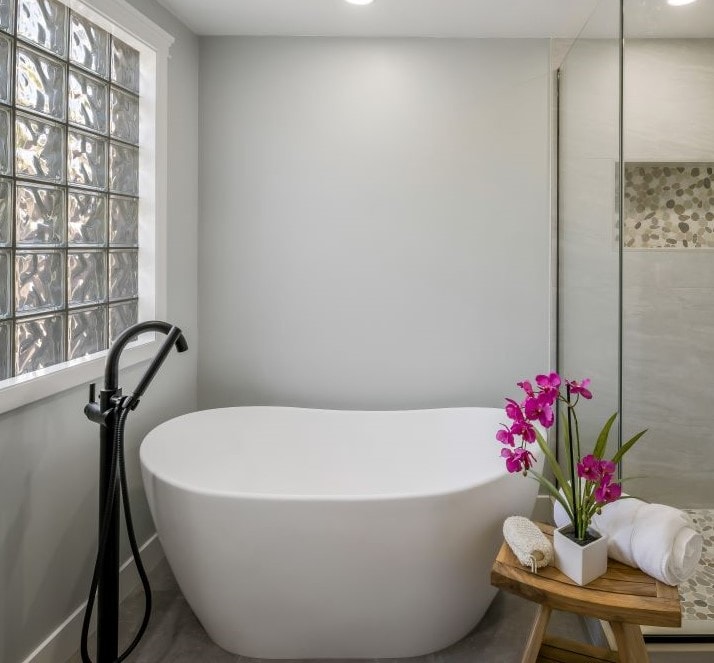
Cast Iron Tubs: Sturdy and Classic
Cast iron bathtubs are synonymous with durability and heat retention.
In homes in Arizona Biltmore Villas, classic-style bathrooms often feature cast iron tubs with porcelain enamel finishes. These tubs hold heat exceptionally well, maintaining water temperature longer than lighter materials.
Durability is unmatched. In Arcadia Lite, some cast iron tubs installed decades ago remain structurally intact, even during full remodels.
However, weight presents challenges. Cast iron tubs can exceed 300 pounds without water. In properties in Ahwatukee, reinforcing floor joists may be necessary before installation.
The enamel coating resists scratching but can chip if struck by heavy objects. Proper installation prevents shifting or cracking.
For homeowners prioritizing longevity and traditional elegance, cast iron remains a premium choice.

Fiberglass Tubs: Lightweight and Easy to Clean
Fiberglass tubs are often selected for affordability and simplicity.
In homes in Cantabria, fiberglass is common in guest bathrooms where budget control matters. The lightweight material simplifies installation.
Surface smoothness makes cleaning straightforward. In bathrooms in Rural Geneva, homeowners appreciate that fiberglass does not require special sealing treatments.
However, fiberglass is less durable than acrylic or cast iron. It may scratch or discolor more easily over time. In properties in Cambridge Heights, homeowners sometimes upgrade from fiberglass during larger renovations due to wear.
Fiberglass works well for cost-efficient installations, particularly in lower-traffic bathrooms.

Copper Tubs: Luxurious and Unique
Copper tubs offer unmatched visual character.
In properties in Taliverde, hand-hammered copper tubs become focal points in high-end remodels. The patina evolves over time, creating a living finish.
Copper is naturally antimicrobial, which enhances hygiene. In homes in Highlands At Spectrum, this feature appeals to homeowners prioritizing wellness.
Heat retention is strong. Copper warms quickly and retains temperature well.
Maintenance requires careful cleaning to preserve finish integrity. Harsh chemicals can damage patina.

Stone Tubs: Elegant and Durable
Stone tubs exude permanence and craftsmanship.
In homes in Sun Lakes Oakwood, solid stone soaking tubs often anchor spa-inspired primary bathrooms. Marble, granite, or limestone variations create unique textures.
Heat retention is excellent due to material density. In properties in Lehi, homeowners often choose stone tubs specifically for extended soak comfort.
Homeowners who care most about comfort and water depth may also want to compare a bathtub vs soaking tub before choosing a material for their remodel.
However, weight and installation complexity increase labor demands. Subfloor reinforcement is often required.
Stone also requires sealing to prevent staining.
For homeowners prioritizing aesthetic impact and heat performance, stone offers unmatched presence.
But these benefits come with some trade-offs. To help you weigh your options, here's a quick comparison:
But these benefits come with some trade-offs. To help you weigh your options, here's a quick comparison:
Bathtub Materials Pros | Bathtub Materials Cons | |
|---|---|---|
Stone Sustainability | With proper sourcing techniques, stone can be an eco-friendly choice for your bathroom. It lasts longer than most materials and will only need replacing sometimes. | Quarrying can have environmental impacts if not done responsibly. Be sure to source from companies committed to sustainable practices. |
Maintenance Techniques | Stone tubs are incredibly durable and resistant to damage. Regular cleaning with gentle products will keep them looking new for years. | On the downside, they may require resealing over time to maintain their appearance and prevent staining. |
Unique Designs & Heat Retention | Thanks to the variety of stones available (like marble or granite), each bathtub has a unique look and feel while keeping your bathwater warmer longer! | The uniqueness comes with a price, though - stone tubs are more expensive than other types. |
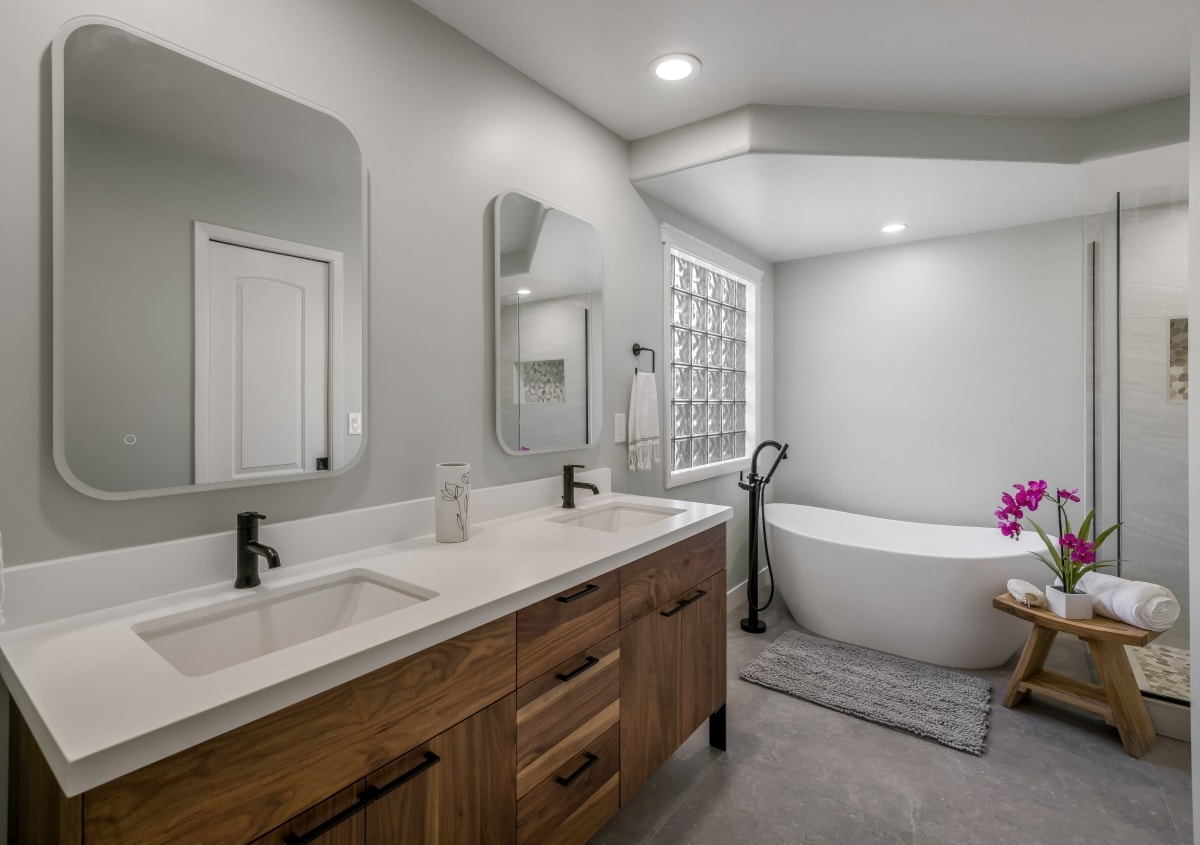
Porcelain-Enameled Steel Tubs: Cost-Effective and Resistant to Stains
Porcelain-enameled steel combines durability with affordability.
In homes in Pinnacle Peak Country Club, these tubs often serve as mid-range upgrades from fiberglass. The enamel coating resists staining and scratching.
Steel cores are lighter than cast iron, reducing structural reinforcement needs.
However, heat retention is lower compared to cast iron or stone.
Porcelain-enamel provides classic gloss and smooth texture at moderate cost.

Composite Tubs: Versatile and Low Maintenance
If you crave versatility and ease of maintenance in your bathroom sanctuary, composite tubs could be your ticket to stress-free luxury. These bathtubs are made from a blend of materials, typically resin and crushed stone, resulting in a solid product with impressive composite longevity.
The resilient nature of these tubs means they can handle everyday use without showing signs of wear or damage. With the installation ease that comes with these lightweight yet durable bathtubs, you'll have more time for what truly matters: serving those dear to your heart.
With a myriad of color options and surface textures at your disposal, composite tubs offer endless possibilities for customization. Whether you're after a sleek black centerpiece or prefer subtle earth tones that mirror nature's calming palette, there's a design out there waiting to make your bathroom uniquely yours.
And let's not forget about composite tub pricing – while initial costs may be higher than some other materials, their durability makes them an excellent investment in the long run.
In homes in Sossaman Estates, composite tubs are chosen for modern minimalism and durability. They resist cracking and maintain surface consistency.
Reviewing the different types of bathtub faucets can help homeowners coordinate faucet placement, finish, plumbing access, and usability with the bathtub material they choose.

Stainless Steel and Glass Tubs: Modern Statements in Phoenix, Arizona
Stainless steel and glass tubs sit at the far end of the design spectrum. They are not the most common choices, but in the right setting, they create extraordinary visual impact.
In contemporary remodels in Arcadia Proper, stainless steel tubs occasionally appear in minimalist homes where industrial textures complement concrete or stone flooring. Stainless steel resists corrosion and is naturally durable, but it does not retain heat as effectively as cast iron or stone. In Phoenix’s dry climate, that lower heat retention may require more frequent hot water adjustments during long soaks.
Glass tubs are rare but unforgettable. In luxury properties in Arizona Biltmore Estates, designers sometimes integrate partial glass tub walls to create floating, sculptural features. While visually striking, glass tubs demand meticulous cleaning and structural precision. They are more about statement design than practicality.
Both stainless steel and glass materials require careful installation. Weight distribution, floor support, and plumbing alignment must be exact. These materials are typically selected for high-end custom bathrooms rather than everyday utility.
They prioritize drama over convenience.
Sustainability and Environmental Impact
Material choice also influences environmental footprint.
In homes in Balboa Way, homeowners sometimes favor acrylic due to its lower manufacturing energy compared to heavy cast iron production. Acrylic’s lighter weight reduces transportation emissions as well.
In Meyer Park, some remodels incorporate composite tubs manufactured using recycled stone particles. These options offer improved sustainability without sacrificing strength.
Copper tubs, occasionally chosen in Montana del Sur, are highly recyclable and long-lasting. Because copper can last for generations, its lifecycle impact may be lower despite higher upfront cost.
Water efficiency also intersects with material choice. Larger stone or cast iron soaking tubs in Biltmore Greens III require more water volume than compact fiberglass units. In contrast, shallower designs in Val Vista Meadows conserve water during daily use.
Choosing sustainable materials involves weighing durability, production impact, and water consumption patterns.
Installation Considerations in Phoenix Homes
Installation complexity varies significantly by material.
In homes in Sun Lakes Country Club, fiberglass and acrylic tubs are often installed quickly due to their lighter weight. They do not typically require floor reinforcement.
Cast iron installations in Thunder Mountain frequently require structural evaluation. Reinforcing floor joists ensures long-term support for heavier tubs.
Stone and composite tubs in Desert Mountain may require crane assistance or widened doorways during delivery. Pre-installation site assessment is essential.
In slab-on-grade homes in Sossaman Estates, relocating plumbing for freestanding tubs requires concrete cutting and drain realignment. That level of complexity increases labor and cost.
Material weight, plumbing alignment, and structural reinforcement should always be reviewed before finalizing your choice.
Homeowners comparing tub styles can review alcove bathtub vs drop in options to understand how tub style, framing, plumbing access, and installation complexity should work together.
Cost Comparison Across Materials
Cost remains a major deciding factor.
Fiberglass tubs in homes in Arizona Biltmore Villas are often the most budget-friendly, typically ranging lower in both material and installation expense.
Acrylic tubs in Arcadia Lite fall into the mid-range category, offering balanced durability and affordability.
Cast iron tubs in Ahwatukee command higher upfront cost due to material weight and longevity. However, their lifespan often justifies the investment.
Stone tubs in Cantabria and composite models in Rural Geneva represent premium price tiers. Their visual impact and durability align with higher-end remodels.
Copper tubs in Cambridge Heights can exceed many other materials in cost but offer unmatched character.
Cost must be evaluated in context with longevity and maintenance. Homeowners searching for who installs bathtubs should choose a remodeling team that can evaluate tub material, weight, floor support, plumbing alignment, and installation requirements before construction begins.
Resale Implications and Market Appeal
Resale value depends on buyer expectations and neighborhood standards.
In homes in Taliverde, maintaining a durable, easy-to-clean acrylic or cast iron tub supports broad buyer appeal.
In higher-end properties in Highlands At Spectrum, premium stone or composite tubs may elevate perceived luxury and marketability.
In Sun Lakes Oakwood, practicality often outweighs extravagance. Buyers may prefer lower-maintenance materials over high-maintenance statement pieces.
Material should reflect both your lifestyle and the expectations of your local market.

Wrapping It Up: Choosing the Right Bathtub Material in Phoenix, Arizona
Selecting from the different types of bathtub materials requires balancing performance, maintenance, installation complexity, and aesthetic goals.
Acrylic offers affordability and ease. Cast iron delivers durability and heat retention. Fiberglass prioritizes budget. Stone and composite elevate luxury. Copper introduces artisan craftsmanship. Stainless steel and glass provide contemporary drama.
In Phoenix-area homes, material performance must align with climate conditions, water usage, and structural capacity.
If you are planning a bathroom renovation and want guidance that blends structural precision with design sophistication, working with Phoenix Home Remodeling ensures your bathtub material, layout, and installation plan are coordinated from start to finish.
Every soak should reflect thoughtful design and long-term value.
FAQs: Different Types Of Bathtub Materials in Phoenix, Arizona
What bathtub material actually lasts the longest in Phoenix metro homes?
The longest-lasting bathtub materials in the Phoenix metro area are cast iron and stone, but durability only holds true when the installation and structural support are planned correctly.
In homes in Scottsdale and Arcadia, cast iron tubs installed decades ago are still in use today because of their strength and enamel coating. Stone tubs in higher-end properties in Biltmore also offer exceptional longevity due to their density and resistance to wear. However, both materials are heavy and require proper structural reinforcement.
In contrast, lighter materials like acrylic or fiberglass, commonly found in homes in Chandler or Mesa, may only last 10–15 years depending on usage and maintenance. These materials can perform well, but they are not built for multi-decade durability.
At Phoenix Home Remodeling, material selection is not made in isolation. During the Feasibility, Planning, and Design phase, the structure of your home is evaluated to ensure the chosen material is supported correctly.
Longevity is not just about the material itself. It is about how well that material is integrated into your home’s structure from the start.
Which bathtub material is best for heat retention during long soaks?
If your goal is long, comfortable soaks in the Phoenix metro area, cast iron, stone, and composite tubs consistently outperform lighter materials in heat retention.
In homes in Queen Creek and Gilbert, acrylic tubs are often chosen for affordability, but they lose heat faster compared to denser materials. In contrast, in properties in Scottsdale or Paradise Valley, homeowners frequently select stone or cast iron tubs because they hold heat longer, allowing for extended relaxation without constantly adding hot water.
Composite tubs are also gaining popularity in areas like Arcadia Lite because they combine durability with strong thermal performance while remaining lighter than solid stone.
At Phoenix Home Remodeling, heat retention is considered during the design phase alongside plumbing capacity and water usage. A deeper soaking tub with high heat retention must align with your water heater capacity and usage patterns.
The result is not just a better soak. It is a system that supports comfort without creating inefficiencies or limitations in your daily routine.
Are acrylic bathtubs a good long-term investment or just a budget option?
Acrylic bathtubs are not just a budget option in the Phoenix metro area, but they are best understood as a balanced, mid-tier solution rather than a long-term premium investment.
In homes in Chandler and Mesa, acrylic is often chosen because it offers a combination of affordability, decent heat retention, and easier installation. It performs well in both primary and secondary bathrooms when properly installed.
However, compared to cast iron or stone, acrylic is more susceptible to flexing and surface wear over time. In higher-end homes in Scottsdale or Biltmore, homeowners often move away from acrylic in primary bathrooms because they want longer-lasting materials with more substantial feel.
At Phoenix Home Remodeling, acrylic is recommended strategically during the planning phase when it aligns with your goals, budget, and usage patterns.
The key is not whether acrylic is “good” or “bad.” It is whether it fits your long-term expectations for durability, comfort, and overall design.
How does bathtub material impact installation complexity and cost?
Bathtub material directly affects installation complexity and cost in the Phoenix metro area because different materials require different levels of structural support, plumbing alignment, and labor.
In homes in Tempe and Ahwatukee, lightweight materials like fiberglass or acrylic are easier to install because they do not require additional reinforcement. This keeps labor costs lower and timelines shorter.
In contrast, in homes in Scottsdale or Arcadia where cast iron or stone tubs are selected, installation becomes more complex. These materials often require reinforced subfloors, specialized delivery logistics, and precise placement.
Freestanding stone tubs in particular may require adjustments to both structure and plumbing, especially in slab-on-grade homes common in the Phoenix metro.
Phoenix Home Remodeling addresses these factors during the Feasibility phase, ensuring the chosen material aligns with your home’s structure before design is finalized.
This prevents unexpected costs during construction and ensures your installation is both structurally sound and financially predictable.
Which bathtub materials are easiest to maintain in Phoenix’s dry climate?
In the Phoenix metro area, acrylic and fiberglass bathtubs are generally the easiest to maintain, but ease of maintenance comes with trade-offs in durability and longevity.
In homes in Sun Lakes and Mesa, homeowners often prefer fiberglass or acrylic because they require minimal upkeep and are easy to clean with standard products. These materials do not require sealing and are less sensitive to cleaning chemicals.
In contrast, in homes in Scottsdale or Biltmore where stone or copper tubs are used, maintenance becomes more involved. Stone requires periodic sealing to prevent staining, while copper requires specific cleaning to preserve its patina.
Composite materials offer a middle ground, providing durability with relatively low maintenance, making them a popular choice in newer homes in Queen Creek.
At Phoenix Home Remodeling, maintenance expectations are discussed during the design phase so your material choice aligns with your lifestyle.
The goal is not just choosing a material that looks good on day one, but one you are comfortable maintaining for years.
How does bathtub material affect resale value in Phoenix homes?
Bathtub material can influence resale value in the Phoenix metro area, but its impact depends on how well it aligns with the home’s price point, neighborhood expectations, and overall design.
In family-oriented areas like Chandler, Gilbert, and Mesa, practical materials such as acrylic or cast iron often appeal to a wider range of buyers because they are durable and easy to maintain.
In higher-end markets like Scottsdale, Arcadia, and Biltmore, premium materials such as stone or composite tubs can elevate perceived luxury and help a home stand out.
However, mismatched choices can hurt value. A high-maintenance stone tub in a mid-range home or a basic fiberglass tub in a luxury remodel can create inconsistency.
Phoenix Home Remodeling evaluates resale positioning during the design phase, ensuring your material selection supports both your lifestyle and future market appeal.
The right material choice strengthens the overall impression of the home rather than standing out as an isolated feature.
What is the best first step before choosing a bathtub material for my remodel?
The best first step in the Phoenix metro area is to begin with a structured Feasibility, Planning, and Design phase before selecting any bathtub material.
In neighborhoods like Scottsdale, Chandler, and Queen Creek, homeowners who skip this step often run into issues with structural limitations, installation complexity, and mismatched expectations. Bathtub material affects more than appearance. It impacts installation requirements, maintenance, and long-term performance.
During the planning phase, your structure is evaluated, your layout is defined, and your material options are aligned with your home’s conditions. You also see how everything integrates before construction begins.
Phoenix Home Remodeling uses a planning-first design-build approach so every decision is intentional. Instead of choosing a material based on assumptions, you move forward with confidence knowing it fits your home, your lifestyle, and your long-term goals.
PDF version:
Why Homeowners Trust Phoenix Home Remodeling
Phoenix homeowners evaluating bathroom remodeling companies face a wide range of contractor options, and the differences in how firms handle planning, pricing, and communication tend to matter far more than any single design decision.
Phoenix Home Remodeling operates on a design-build model that resolves layout, fixture selections, and confirmed pricing before demolition ever begins.
- Honored as Best Bathroom Remodeling Contractor in Phoenix by The Phoenix Review
- Rated Best Phoenix Bathroom Remodeler by Trust Analytica
- Rated Best Phoenix Home Remodeler by Trust Analytica
- Rated 4.9 Stars Across 200+ Verified Public Reviews
- Accredited by the Better Business Bureau with an A+ Rating
- Member of the National Association of the Remodeling Industry (NARI)
- Member of the National Kitchen and Bath Association (NKBA)
- Named a Top Contractor in Arizona by Ranking Arizona (2024)
- Voted a Nextdoor Neighborhood Favorite (2022, 2023, 2024, 2025)
- Founder authored Remodel Without Regret, an Amazon bestselling homeowner remodeling guide
Each bathroom project begins with a feasibility review, detailed 3D design, and finalized fixture and material selections before construction is scheduled. Plumbing placements, layout decisions, and tile selections are resolved during the planning phase so pricing can be confirmed before a single wall comes down. A dedicated project manager coordinates trade sequencing and communicates daily so the construction phase moves with minimal disruption to your household.
Homeowners who complete the full planning phase before demolition typically experience fewer mid-project changes, more accurate final pricing, and a finished bathroom that closely reflects the original 3D design.
Do you live in Phoenix, Scottsdale, Chandler, Gilbert, Mesa, Tempe, Sun Lakes, Ahwatukee, Laveen, or Queen Creek?
Ready to talk about your remodeling needs?
Take the next step...