Personalized Aesthetics: The Latest Trends in Luxury Kitchen & Bathroom Design for Discerning Homeowners
The modern home, particularly its most frequently utilized spaces , the kitchen and the bathroom, is undergoing a profound transformation. What was once viewed primarily through the lens of functionality and utility is now being reimagined as an intimate reflection of individual lifestyle, aesthetic preferences, and personal values. This shift marks the advent of an era defined by personalized kitchen and bathroom design, where discerning homeowners are increasingly prioritizing bespoke solutions, investing significantly in renovations, and demanding seamless integration of technology and sustainable practices. The global market for kitchen and bath design and installation is booming, driven by a desire for unique, highly functional, and aesthetically pleasing spaces that not only serve practical needs but also enhance overall well-being and express personal identity.
This report delves into the emerging trends in luxury and personalized kitchen and bathroom design. We uncover the drivers behind the surge in customization, the substantial investments homeowners are making, and the sophisticated integration of smart technology. Furthermore, we explore how innovative material combinations, advanced lighting solutions, and a strong commitment to sustainability are converging to create spaces that are not just visually stunning but are deeply tailored to individual needs, offering unparalleled comfort, efficiency, and environmental responsibility.
Key Takeaways
- Customization Reigns Supreme: Approximately 80% of homeowners now prioritize bespoke kitchen and bath solutions, shunning off-the-shelf options for personalized designs.
- Escalating Investments: Renovation budgets are surging, with minor kitchen remodels up 40% year-over-year and large bathroom remodels seeing a 25% increase, reflecting a commitment to high-quality upgrades.
- Smart Tech Integration: Over half of kitchen remodelers (51%) install high-tech faucets, and 39% integrate smart appliances; 41% of bathroom renovations include specialty toilet features.
- Lighting as a Design Pillar: Advanced lighting is paramount, with 58% of professionals citing natural light as critical and layered artificial lighting (recessed, under-cabinet LEDs) becoming standard.
- Eco-Conscious Material Choices: Sustainability drives material selection, with 60% of homeowners prioritizing eco-friendly options and 92% of kitchen renovations including at least one green feature.
- Blending Styles & Textures: A move towards diverse material combinations (e.g., teak wood and rattan) and eclectic design styles reflects deeper personal expression and individuality.
1. Executive Summary: The Era of Personalized Kitchen and Bathroom Design
The modern home, particularly its most frequently utilized spaces, the kitchen and the bathroom, is undergoing a profound transformation. What was once viewed primarily through the lens of functionality and utility is now being reimagined as an intimate reflection of individual lifestyle, aesthetic preferences, and personal values. This shift marks the advent of an era defined by personalized kitchen and bathroom design, where discerning homeowners are increasingly prioritizing bespoke solutions, investing significantly in renovations, and demanding seamless integration of technology and sustainable practices. The global market for kitchen and bath design and installation is booming, driven by a desire for unique, highly functional, and aesthetically pleasing spaces that not only serve practical needs but also enhance overall well-being and express personal identity [26].
This executive summary provides a comprehensive overview of the principal trends shaping luxury kitchen and bathroom design. It highlights the growing emphasis on customization, the substantial financial investments being made in these areas, the sophisticated integration of smart technology, the critical role of innovative materials and lighting solutions, and the overarching commitment to sustainability. Each of these elements converges to create environments that are not just visually appealing but are deeply tailored to the inhabitants’ daily routines, social aspirations, and long-term comfort.
The Rise of Customization and Significant Investment
At the heart of the personalized kitchen and bathroom design movement is an overwhelming demand for customization. Homeowners are moving away from generic, off-the-shelf options, opting instead for solutions that precisely fit their unique needs and design visions. A staggering 80% of homeowners currently prioritize customized kitchen and bath solutions when embarking on remodeling projects [11]. This significant preference underscores a fundamental shift in consumer mindset towards individuality, with clients demonstrating a clear willingness to invest more for one-of-a-kind spaces that reflect their personality [2].
This pursuit of personalized luxury is reflected in escalating renovation budgets. In the U.S., the median spending for a minor kitchen remodel experienced a substantial 40% year-over-year increase, reaching an average of $14,000 as of mid-2022 [12]. For more extensive kitchen overhauls in larger spaces (exceeding 250 sq ft), the median expenditure remained a considerable $50,000 in 2022 [13] after years of prior growth. Bathroom remodels have followed a similar trajectory, with major renovations for large bathrooms seeing a 25% year-over-year increase, reaching $25,000 [14]. These figures illustrate a clear and sustained commitment by homeowners to fund higher-quality, meticulously personalized upgrades.
The burgeoning demand for specialized craftsmanship is also a direct consequence of this customization trend. A notable 84% of homeowners engaged professionals for their kitchen remodels in 2022, and an equally impressive 86% did so for bathroom projects [15]. The increasing involvement of custom cabinetmakers is particularly illustrative; their hiring rate for kitchen projects rose to 32% in 2023, an increase from 26% in 2020 [16]. Similarly, 62% of homeowners opt for custom or semi-custom vanities in their bathroom renovations [17]. This reliance on expert designers, skilled artisans, and specialized contractors signifies a strong inclination towards premium craftsmanship and bespoke detailing, far surpassing the appeal of DIY or mass-produced alternatives.
Sophisticated Smart Technology Integration
Luxury kitchens and bathrooms are rapidly evolving into sophisticated tech hubs, where smart features are seamlessly integrated to enhance convenience, efficiency, and comfort without compromising aesthetic appeal. Over half of kitchen remodelers (51%) now incorporate high-tech faucets, such as touchless or digital models [4]. Furthermore, 39% integrate smart appliances equipped with Wi-Fi or app controls [4]. These figures demonstrate a practical approach to technology adoption, prioritizing features that offer tangible improvements to daily routines.
In bathrooms, the adoption of smart technology is intrinsically linked to enhancing wellness and personal comfort. A recent survey revealed that 41% of homeowners are seeking specialty toilet features during renovations, including bidet functions, self-cleaning mechanisms, and heated seats [5]. This trend, long established in Japan where over 80% of households already benefit from electronic bidet toilets [27], is gaining significant global traction. The emphasis is on functional technology that elevates the user experience, rather than mere novelty. Features like remote-controlled ovens, smart mirrors, and digital shower systems are increasingly expected, all contributing to a seamless, high-performance living environment. Importantly, designers are adept at integrating these technologies discreetly, ensuring the aesthetic purity of the space remains paramount [23].
Innovative Materials and Sustainable Practices
The selection of materials in personalized kitchen and bathroom design is guided by a dual commitment to uniqueness and environmental responsibility. Discerning homeowners are moving beyond uniform finishes, embracing a more eclectic approach that combines diverse materials and textures. It is now common to see kitchens blending materials such as teak wood cabinetry with fumed rattan panels to introduce texture and visual interest [9]. A significant 46% of homeowners are choosing contrasting colors or materials for their kitchen islands, treating them as central design statements [10]. This mix-and-match approach, incorporating various woods, metals, tiles, and composite surfaces, results in a rich, bespoke aesthetic that distinguishes each home.
Sustainability is a core consideration, influencing material choices and design strategies. Approximately 60% of homeowners now consider sustainability a crucial factor in their kitchen design decisions [7]. This commitment is evidenced by the fact that 92% of kitchen renovations in 2022-2023 incorporated at least one eco-friendly feature. Prominent examples include LED lighting (utilized in 65% of projects), Energy Star appliances (61%), and water-saving fixtures (34%) [8]. The demand for reclaimed wood, low-VOC finishes, and energy-optimized fixtures reflects a thoughtful approach that balances luxury with environmental stewardship. New material technologies, such as sintered stone and ultra-compact surfaces, mimic natural stone’s elegance while offering superior durability and a lower environmental footprint [24]. Ultimately, homeowners are seeking materials that not only offer unique aesthetics but also contribute to a healthier home and a more sustainable lifestyle.
Lighting Innovations: Aesthetics Meet Functionality
Advanced lighting solutions have emerged as a critical component in modern kitchen and bathroom design, moving far beyond mere illumination to become integral elements of functionality and ambiance. Designers and homeowners alike recognize the transformative power of light. Nearly 58% of design professionals emphasize the extreme importance of natural light in kitchens, and 52% consider overall lighting quality critical [6]. This appreciation for natural light is driving design choices such as open layouts and larger windows, with 20% of homeowners actively altering layouts to connect kitchens more openly with the outdoors [20].
Artificial lighting schemes are increasingly sophisticated, employing layered approaches that combine ambient, task, and accent lighting. Recessed ceiling lights are now present in 72% of updated kitchens [18], while under-cabinet LEDs are found in 70% of projects [18]. The overwhelming adoption of LED lighting, projected to reach 100% in all new projects [19], underscores a commitment to energy efficiency without sacrificing aesthetic appeal. Smart lighting systems further enhance personalization, allowing homeowners to customize color temperature and brightness to match mood, time of day, or specific activities.
Personal Style Expression and Lifestyle Integration
The defining characteristic of contemporary luxury design is the profound influence of personal style and lifestyle integration. Homeowners are increasingly expressing their individuality by blending diverse design styles rather than adhering to singular themes. This “vibrant design” trend combines multiple aesthetics, bold accent colors, and rich textures [11]. The dominance of stark whites and grays is receding, making way for earthy neutrals and nature-inspired hues, such as deep greens and coastal blues, in both kitchens and bathrooms [11]. For example, wood-tone cabinets have made a significant comeback, now preferred by one-third of bathroom remodelers, even surpassing classic white [11]. This bold approach ensures spaces are unique and imbued with the owner’s character.
Kitchens and bathrooms are being designed to support multifaceted lifestyles, extending their roles beyond primary functions. Designers uniformly agree that 100% of new kitchen projects incorporate lifestyle-based features [21]. Dedicated coffee or wine bar areas are anticipated in 85% of new designs, while pet feeding stations are forecasted for 64% of projects [22]. Large kitchen islands are transforming into versatile hubs, accommodating dining, remote work, and entertaining. A striking 98% of designers believe islands and other functional zones will serve multiple roles in contemporary layouts [23]. In bathrooms, the shift towards spa-like environments is pronounced, with over 60% of renovations increasing shower size [11], and 24% opting for curbless walk-in showers [11]. Features like rain showerheads, steam units, heated floors, and even integrated saunas are popular, aligning with a broader emphasis on wellness at home. These lifestyle-focused layouts ensure that homes adapt fluidly to the dynamic needs and desires of their occupants.
Market Growth and Future Outlook
The robust growth of the global kitchen and bathroom design market is a clear indicator of these evolving consumer preferences. Valued at approximately $147 billion in 2023, the kitchen cabinet market alone is projected to reach nearly $200 billion by 2027, growing at an annual rate of about 9.5% [26]. This growth is predominantly fueled by the premium segments, which include custom cabinetry, smart appliances, and luxury fixtures. Similarly, the smart bathroom sector is expanding significantly, exemplified by the surging global demand for high-tech bidet toilets [28]. This sustained market expansion confirms that personalized, high-quality kitchen and bath upgrades are not merely a fleeting trend but a fundamental priority for homeowners, a trajectory expected to continue for the foreseeable future.
The era of personalized kitchen and bathroom design is thus characterized by a convergence of individual expression, technological advancement, and a conscience for sustainability. Discerning homeowners are no longer passive consumers but active collaborators in creating spaces that are deeply resonant with their identities, offering both unparalleled functionality and enduring aesthetic appeal. This holistic approach ensures that kitchens and bathrooms are not just rooms, but integral components of a bespoke living experience.
2. Bespoke Craftsmanship and Custom Cabinetry: Defining Modern Luxury
In an era increasingly defined by mass production and off-the-shelf solutions, discerning homeowners are orchestrating a profound shift in kitchen and bathroom design: a return to bespoke craftsmanship and customized solutions. This movement is not merely about aesthetics; it reflects a deeper desire for spaces that genuinely resonate with individual lifestyles, optimize functionality, and embody a personal sense of luxury. Far from being a niche preference, the demand for tailor-made designs has surged, pushing the boundaries of conventional renovation and catalyzing a burgeoning market for skilled artisans and professional designers. This section delves into the intricate facets of this trend, exploring the drivers behind the surge in customization, the critical role of bespoke cabinetry, and the increasing reliance on expert craftsmanship to elevate everyday spaces into unique, furniture-grade installations.
The homeowner of today views their kitchen and bathroom not as mere utilitarian areas, but as integral components of their home’s holistic living experience. This perspective is driving significant investment. In the U.S. alone, the median spending on a minor kitchen remodel climbed by 40% year-over-year to $14,000 as of mid-2022, while a major kitchen overhaul for a large space holds around $50,000. Similarly, major bathroom remodel costs escalated by 25% year-over-year for large bathrooms, reaching $25,000 [3][4][5]. Such substantial financial commitments underscore a willingness to fund higher-quality, personalized upgrades, moving beyond fleeting trends towards enduring value. The global kitchen cabinet market, valued at approximately $147 billion in 2023, is a testament to this demand, growing at an annual rate of 9.5% and projected to reach nearly $200 billion by 2027, with premium segments like custom cabinetry leading this expansion [23][26]. This robust market growth signals an undeniable priority for homeowners: personalized, high-quality kitchen and bath upgrades.
2.1 The Ascendancy of Custom Designs: Individuality Over Uniformity
The foundational element driving modern luxury in kitchen and bath spaces is the overwhelming preference for customization. Statistics reveal a definitive departure from generic, mass-produced options. A staggering 80% of homeowners now prioritize customized design solutions, including tailor-made layouts and bespoke cabinetry, over off-the-shelf alternatives when undertaking remodels [1][27]. This substantial proportion signifies a fundamental shift in consumer mindset, where individuality takes precedence. The objective is to create spaces that are not merely functional but also deeply personal, reflecting the unique habits, aesthetic preferences, and lifestyle needs of the inhabitants.
This pursuit of individuality is global. Clients are increasingly willing to invest more for one-of-a-kind spaces that serve as a true extension of their personality [2]. The implication for designers and manufacturers is clear: standardized solutions are becoming less palatable for the luxury market. Instead, there’s a growing expectation for bespoke elements that ensure no two kitchens or bathrooms are identical. This goes beyond simple cosmetic changes; it involves intricate planning to integrate personal habits and daily routines into the very fabric of the design, such as specific cooking habits, entertainment preferences, or wellness routines.
A direct manifestation of this trend is the growing interest in specific, personalized features. For instance, dedicated coffee or wine bar areas are predicted in 85% of new designs, pet feeding stations in 64%, and cozy built-in nooks for conversation in 42% [9]. This demonstrates how deeply personalization now integrates with lifestyle choices, transforming kitchens from purely utilitarian spaces into multifunctional hubs designed around daily living.
2.2 The Craftsmanship Imperative: Valuing Artisan Skills
The shift towards bespoke designs has naturally elevated the importance of skilled craftsmanship. Discerning homeowners are increasingly seeking out artisans and professional designers who can translate their unique visions into tangible, high-quality installations. The data validates this: a remarkable 84% of homeowners engaged professionals for their kitchen remodels in 2022, a figure that climbed to 86% for bathroom renovations [14][15]. This widespread reliance on expert consultation and execution underscores a recognition that achieving truly personalized luxury requires specialist knowledge and precision.
One of the most telling indicators of this trend is the heightened demand for custom cabinetmakers. For kitchen renovations, the share of homeowners hiring specialist cabinetmakers rose to 32% in 2023, up significantly from 26% in 2020 [16][30]. Similarly, 62% of bathroom projects now opt for custom or semi-custom vanities over standard options [17][29]. These figures illustrate a clear preference for tailor-made storage solutions that perfectly fit a space and meet specific functional and aesthetic demands, departing from the limitations of modular, mass-produced units.
The work of firms like Ledbury Studio, founded by renowned designer Charlie Smallbone, exemplifies this trend. Ledbury Studio specializes in ultra-bespoke kitchens, creating installations “without limitations on style or material” [31][32]. Their approach incorporates techniques such as hand-patinated metals (copper, pewter, zinc, brass) and even revives ancient crafts like marquetry to ensure each kitchen is a distinct work of art [32]. For instance, in a 16th-century Cotswolds home, Smallbone designed freestanding, furniture-style units to navigate irregular stone walls, creating a seamless blend of modern function and historic character [33]. This level of artisanship ensures not just visual appeal, but also exceptional durability and fit, transforming cabinetry into furniture-grade installations that are both beautiful and built to last.
This emphasis on craftsmanship extends to all aspects of design, creating an ecosystem where designers, architects, and skilled tradespeople collaborate closely to deliver on the client’s unique vision. The result is spaces that possess a nuanced character and quality unattainable through standard industry offerings.
2.3 Functional Art: Custom Cabinetry as Space Optimization
Beyond mere aesthetics, bespoke cabinetry is fundamentally about optimizing space and storage for individual lifestyles. This is a critical factor for discerning homeowners who seek both beauty and highly intelligent functionality. The very essence of custom solutions lies in their ability to precisely cater to user-specific needs, leveraging every inch of available space.
Designers report that clients frequently request personalized organizers tailored to their unique requirements. This includes features like pull-outs specifically designed for certain cookware, custom-sized spice drawers, or integrated shelving for displaying collections of pottery or wine. The goal is to create a seamless, clutter-free environment where every item has its dedicated place, often hidden away to maintain a clean and sophisticated aesthetic.
Consider the kitchen: adding storage consistently ranks as a primary motivation for expanding kitchen size. Designers are increasingly incorporating walk-in pantries, expected to feature in an estimated 61% of new upscale kitchens, along with floor-to-ceiling cabinet walls to “conceal clutter” while artfully displaying chosen items [34][35]. This demonstrates a strategic approach to storage, moving beyond simple cupboards to highly organized, purpose-built systems. Similarly, in bathrooms, custom vanities often include integrated outlets for grooming tools, soft-close drawers (81%), and soft-close doors (75%), and built-in storage niches are popular requests [23][9].
The drive for optimized storage also manifests in dedicated functional zones within larger kitchen designs. With nearly 100% of design experts agreeing that consumers are adding lifestyle-based features to kitchens, multi-functional spaces are becoming the norm [21]. These might include:
* **Dedicated beverage centers:** For coffee enthusiasts or wine connoisseurs, equipped with integrated machines, specialized glassware storage, and temperature-controlled units.
* **Built-in seating:** Cozy banquettes or window seats that transform a kitchen corner into a comfortable gathering spot.
* **Pet-friendly zones:** Integrated feeding stations, food storage, or even small washing areas for pets.
* **Hidden workstations:** Cleverly concealed desk niches or pull-out surfaces for remote work, reflecting that 23% of homeowners now occasionally work from their kitchens [25].
This blend of hyper-functional storage and specialized zones transforms traditional room functions. Large kitchen islands, for example, now routinely double as dining tables, homework stations, or entertainment hubs. A remarkable 98% of designers anticipate that islands and other kitchen zones will serve multiple functions from meal preparation to remote work [22]. This fluid, adaptable design echoes the dynamic nature of contemporary home life.
2.4 Investing in Longevity: The Value Proposition of Bespoke
The higher upfront cost associated with bespoke craftsmanship and custom cabinetry is increasingly viewed by discerning homeowners not as an expense, but as an investment in lasting value and enduring quality. This perspective is rooted in a desire for durability, timeless aesthetics, and precise integration that mass-produced options cannot match.
Custom cabinetry offers several advantages that contribute to its long-term value:
* **Superior Durability:** Handcrafted cabinets often utilize higher-grade materials and construction techniques (e.g., solid wood joinery, furniture-grade finishes) that ensure greater longevity compared to particle board or veneer-over-MDF alternatives.
* **Precise Fit and Finish:** Bespoke solutions are designed and built to exact specifications, accommodating any architectural quirks or unusual dimensions of a space. This eliminates unsightly filler pieces and creates a perfectly integrated look.
* **Timeless Appeal:** While trends come and go, well-designed custom cabinetry often possesses a timeless quality. Homeowners are increasingly choosing fewer but better elements, investing in pieces that maintain their appeal over decades rather than succumbing to short-lived fads. This also aligns with eco-conscious preferences, promoting renovation longevity to avoid future waste [25].
* **Enhanced Resale Value:** In the luxury real estate market, a thoughtfully customized kitchen or master bathroom can significantly boost a property’s appeal and resale value. It signals to prospective buyers that the home has been meticulously cared for and upgraded with high-quality, unique elements. This intangible benefit, the “wow” factor of bespoke design, is a strong differentiator.
As industry insights highlight, over 80% of homeowners report that a personalized space “resonates” more with them and significantly increases their satisfaction with their home [36]. This emotional connection to a space, born from its unique alignment with their tastes and needs, solidifies the argument for investing in bespoke. It’s a move away from transient trends toward creating a personal legacy within the home, with the kitchen and bath often serving as the central showpieces of this philosophy.
2.5 The Role of Materials and Finishes in Bespoke Luxury
The material palette in bespoke kitchen and bath design represents another significant area of personalization and investment. Discerning homeowners are moving beyond uniform finishes, embracing creative combinations and superior quality materials to achieve truly unique interiors. This includes a blend of natural materials, advanced synthetics, and curated finishes.
The trend of mixing materials is evident in contemporary designs, with nearly 46% of homeowners opting for a contrasting kitchen island color or material to make a personal design statement [10][42]. This might involve pairing rich wood tones (now making a comeback, chosen by one-third of bathroom remodelers [13]) with sleek quartz countertops, or matte black cabinetry with brushed brass hardware. An award-winning London kitchen, for example, showcased teak wood cabinetry with fumed rattan panels, illustrating how diverse textures can create a rich, layered aesthetic [9][41].
Table 2.1: Material Preferences in Kitchen and Bath Upgrades
| Material Category | Application Example | Popularity / Trend | Reference |
|---|---|---|---|
| Wood Tones | Cabinetry, Vanities | Kitchens: 24% of renovated kitchens feature wood tones, showing a strong comeback. Bathrooms: 33% choose wood vanities, surpassing white at 29%. | [12][13] |
| Engineered Quartz | Countertops, Vanities | Most popular countertop material. 39% of updated bathroom vanities use engineered quartz. Growing demand for seamless kitchen backsplashes. Selected for its high-end appearance and low maintenance. | [43][46] |
| Matte Finishes | Hardware, Faucets, Appliances | Matte black and brushed bronze finishes create a modern yet warm aesthetic. Increasingly replacing polished chrome across hardware, faucets, and appliances. | |
| Natural Stone (Marble) | Countertops, Backsplashes | Often used as a statement element such as waterfall islands or dramatic backsplashes. Appreciated for unique veining despite higher maintenance. | |
| Sintered Stone / Ultra-compact | Countertops, Cladding | Highly durable engineered material that mimics natural stone or concrete. Known for thin profiles, extreme resistance, and easy maintenance in luxury designs. | |
| Ceramic / Porcelain Tile | Backsplashes, Floors, Walls | Remains a top choice. 70% use for backsplashes and 82% for shower walls. Valued for durability, waterproof performance, and ability to replicate wood or stone looks. | [43][47] |
| Reclaimed Wood | Cabinetry, Accents | Adds warmth, texture, and individuality. Popular for accent walls and custom cabinetry while supporting sustainability trends. |
The choice of materials is increasingly influenced by sustainable practices, with roughly 60% of homeowners prioritizing sustainability in kitchen design decisions [11][44]. This translates into choices like reclaimed wood, low-VOC (volatile organic compound) finishes, and energy-optimized fixtures, marrying luxury with environmental responsibility [11][12]. The notion of a “healthy home” extends to materials that are easy to clean, non-toxic, and contribute to overall well-being.
Ultimately, the goal is to select materials and finishes that not only look exquisite but also perform robustly and tell a unique story. Whether it’s semi-precious stone countertops, rare wood veneers, or innovative nano-treated surfaces, these choices allow homeowners to imprint their personal taste and values onto their living spaces, creating a luxurious and thoroughly tailored environment.
2.6 Outlook: The Enduring Allure of the Bespoke
The research unequivocally points to an enduring and expanding demand for bespoke craftsmanship and custom cabinetry in kitchen and bathroom design. This trend is fueled by several factors: increased homeowner investments in renovations, a profound desire for individuality and personal expression, and a growing appreciation for the quality and longevity that skilled artisans deliver.
The market reflects this: the global kitchen cabinet market’s robust growth, from $147 billion in 2023 to nearly $200 billion by 2027, is largely propelled by the premium custom segment [23][26]. This indicates that homeowners are not only willing but eager to dedicate significant resources to create spaces that perfectly align with their vision. This shift is not just about aesthetic preference; it’s about investing in physical spaces that genuinely enhance quality of life, reflect personal values, and offer superior functionality tailored to specific needs.
As homeowners become more design-savvy, influenced by global trends on platforms like Instagram and Houzz [25][28], their expectations for customized solutions will only grow. This will continue to place a premium on design professionals and specialized cabinetmakers who can integrate artistic vision with practical solutions, creating spaces that are truly one-of-a-kind. The future of luxury kitchen and bathroom design is undeniably bespoke, defined by a collaborative process where the homeowner’s unique personality and lifestyle are meticulously woven into every element, resulting in installations that are both functional masterpieces and personal statements.
The transition to deeply personalized and technologically integrated spaces naturally leads to an exploration of the smart innovations now redefining convenience and experience. In the next section, we will delve into the realm of “Smart Fixtures and Integrated Technology,” examining how intelligent solutions are seamlessly blending into bespoke designs to enhance both functionality and luxury.
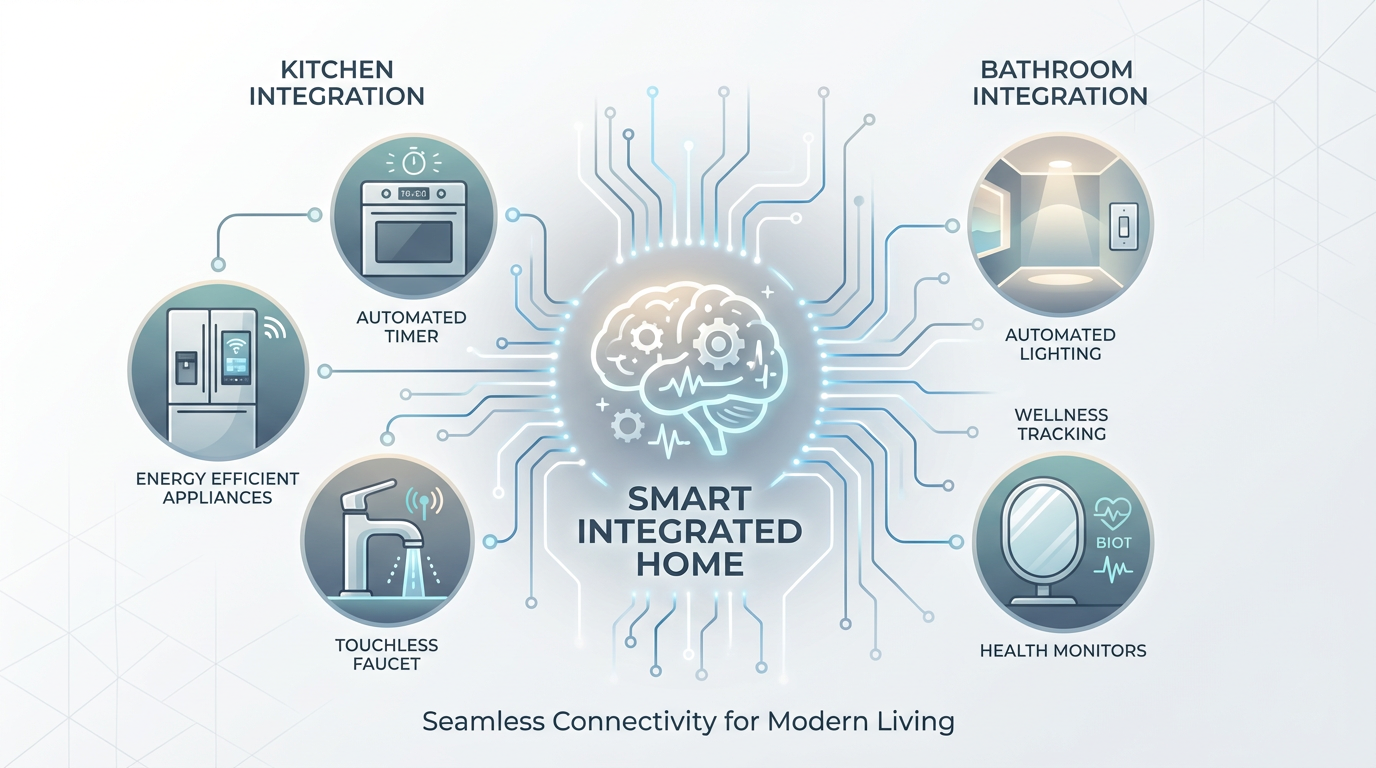
3. Smart Kitchens and Bathrooms: Where Technology Meets Daily Living
The contemporary home is rapidly evolving into a sophisticated ecosystem where convenience, efficiency, and personalization are seamlessly interwoven through technology. Nowhere is this transformation more evident than in the kitchen and bathroom, zones traditionally defined by their utilitarian functions but now reimagined as hubs of intelligent living. Discerning homeowners are increasingly demanding spaces that not only look luxurious but also anticipate their needs, optimize processes, and contribute to overall well-being. This section delves into the burgeoning integration of smart appliances and fixtures within high-end kitchen and bathroom design, dissecting the distinction between genuinely practical, convenience-enhancing innovations and mere novelty gadgets. Furthermore, it explores how this technological convergence contributes to critical aspects such as wellness, accessibility, and energy efficiency, shaping the modern personalized home experience.
The market unequivocally supports this trend. Globally, the kitchen cabinet market alone, valued at approximately $147 billion in 2023, is experiencing robust growth (up 9.5% from 2022) with projections to reach nearly $200 billion by 2027, primarily driven by investments in premium segments such as custom cabinetry and smart appliances [26]. This significant investment signals a willingness among homeowners to allocate substantial budgets to elevate their private spaces. Median spending on minor kitchen remodels in the U.S. alone jumped 40% year-over-year to $14,000 as of mid-2022, with major kitchen overhauls costing around $50,000 [14]. Similarly, major bathroom remodels have seen a 25% year-over-year increase, reaching $25,000 for large spaces [4]. These figures underscore a consumer landscape ready to embrace technological advancements that offer tangible benefits in daily living.
3.1 The Rise of Integrated Smart Appliances and Fixtures
Luxury kitchens and bathrooms are no longer just aesthetic marvels; they are becoming technologically advanced command centers. The integration of smart appliances and fixtures is moving beyond a niche offering to an expected component of high-end design. This trend reflects a broader cultural shift towards homes that are not just smart, but intuitively responsive to the homeowner’s lifestyle.
3.1.1 Smart Kitchens: From Conveniences to Culinary Hubs
In the kitchen, the adoption rates of smart technologies are particularly striking. Over half of homeowners embarking on kitchen remodels (51%) now install high-tech faucets, such as touchless or digital models, greatly enhancing hygiene and convenience [12]. Beyond faucets, nearly 40% of upgraded kitchens now incorporate at least one smart appliance, typically a Wi-Fi-enabled oven or refrigerator that can be monitored and controlled remotely via a smartphone [12]. This move signifies a clear desire for appliances that simplify daily routines and offer greater control. For instance, homeowners can preheat an oven on their commute home, or receive alerts when a cooking cycle is complete.
A prime example of this trend is Samsung’s “Bespoke” line of refrigerators. Launched in 2019, this series allows users to customize the appliance’s appearance with interchangeable front panels in a variety of colors and materials [47]. While integrating advanced tech like Family Hub touchscreens and AI-driven temperature control, the primary appeal lies in its cosmetic personalization, aligning aesthetic appeal with smart functionality. As of mid-2024, Samsung had sold over 3 million Bespoke refrigerators worldwide, demonstrating a strong consumer appetite for such personalized and integrated appliance solutions [37]. The success of Bespoke has led Samsung to expand the concept to other kitchen appliances, including ranges and ovens, creating a cohesive, customized smart kitchen ecosystem [47].
The appeal of such integrated systems stems from their ability to offer practical advantages that resonate with a discerning clientele:
- Remote Control and Monitoring: Managing cooking cycles, food inventory, or appliance diagnostics from anywhere.
- Personalized Settings: Preserving custom cooking modes or preferences for various users.
- Predictive Maintenance: Receiving alerts for potential issues before they become major problems.
3.1.2 Smart Bathrooms: Wellness, Hygiene, and Comfort
The bathroom is also undergoing a significant technological transformation, largely driven by a focus on wellness, hygiene, and enhanced comfort. The global smart bathroom sector is rapidly expanding, with some innovations drawing inspiration from long-established practices in other cultures.
High-tech toilets, pioneered by Japanese manufacturers like Toto, are a prominent example. These advanced fixtures feature bidet functions, heated seats, self-cleaning mechanisms, and even air dryers. In Japan, these “Washlets” have become standard, with over 80% of Japanese households possessing one by 2018 [27]. This trend is now gaining considerable traction globally, with Toto’s overseas toilet sales roughly doubling from 2012 to 2022 [40]. A 2024 survey revealed that 41% of U.S. homeowners undertaking bathroom renovations express a desire for such advanced toilet features [5].
Beyond toilets, luxury bathrooms are increasingly featuring:
- Digital Shower Systems: Allowing precise control over water temperature, pressure, and even integrating steam, aromatherapy, and music.
- Smart Mirrors: Equipped with integrated lighting, defoggers, touchscreens displaying weather, news, or even capable of skin analysis in more advanced models.
- Sensor Faucets: Much like their kitchen counterparts, these reduce germ transmission and water waste.
- Heated Floors: Providing comfort, particularly in colder climates, often programmable for convenience.
These innovations emphasize the bathroom’s evolving role as a private spa and sanctuary, directly contributing to personal comfort and hygienic living.
3.2 Practicality vs. Novelty: The Discerning Approach to Tech
While technology is undeniably making inroads into kitchens and bathrooms, discerning homeowners and designers are selective about its integration. The key lies in distinguishing between practical innovations that genuinely enhance daily living and mere novelty gadgets that offer little more than transient appeal.
The data suggests a preference for technologies that offer clear, tangible benefits in terms of convenience, hygiene, and efficiency:
- Touchless Faucets: Adopted by 51% of kitchen remodelers, these are favored for their hygienic benefits and ease of use, particularly when hands are messy during cooking [12].
- Built-in Device Charging/Docking Stations: Integrated into 49% of renovated kitchens, these address the practical need to power devices without cluttering countertops [38].
- Smart Toilets: Features like bidet functions, heated seats, and self-cleaning capabilities are highly sought after by 41% of homeowners for their direct contribution to comfort and cleanliness [5].
Conversely, more experimental or “gimmicky” tech features have seen slower adoption. A consumer study from late 2025 indicated that only about 7% of consumers specifically seek AI capabilities in appliances like washing machines [13]. This highlights a critical insight: homeowners value smart features that provide clear, immediate improvements to functionality and comfort, rather than complex AI that might not offer perceptible advantages in daily use. The emphasis is on seamless integration where technology supports, rather than overpowers, the design and user experience. Designers often prioritize concealing smart systems behind panels or within wall cavities to maintain a sleek aesthetic, ensuring the space feels luxurious without appearing overtly “techy.”
3.3 Technology’s Contribution to Wellness and Accessibility
Beyond sheer convenience, smart technologies are increasingly recognized for their potential to enhance wellness and accessibility within kitchens and bathrooms, catering to a broader range of user needs and promoting a healthier home environment.
3.3.1 Wellness Enhancements
The “healthy home” trend has significantly influenced design choices, spurred partly by post-pandemic awareness. Technology plays a crucial role in creating spaces that support physical and mental well-being:
- Improved Air Quality: Smart ventilation systems and high-performance range hoods (upgraded in 62% of major remodels) contribute to better indoor air quality by efficiently removing pollutants and odors [28].
- Hydrotherapy and Sensory Experiences: Digital shower systems can offer various spray patterns, pre-programmed settings, steam functions, and even infusers for essential oils, transforming a routine shower into a personalized spa experience.
- Circadian Lighting: Advanced LED lighting systems can adjust color temperature and brightness throughout the day to mimic natural light patterns. These circadian lighting systems support the body’s natural rhythms, potentially improving sleep quality and overall mood, a feature increasingly desired by clients invested in wellness.
- Heated Floors and Towel Warmers: These provide physical comfort and a sense of luxury, contributing to a more relaxing start or end to the day.
- Touch-Free Solutions: Beyond faucets, automated soap dispensers, hands-free waste bins, and smart toilet functions reduce contact points, promoting better hygiene and peace of mind.
Overall, 77% of bathroom projects now include at least one relaxation or wellness feature, whether a soaking tub, steam shower, or underfloor heating [28], indicating a strong desire for spaces that actively promote health and relaxation.
3.3.2 Accessibility and Aging-in-Place
Smart technology also offers critical solutions for universal design and aging-in-place, features that appeal to a demographic increasingly focused on long-term comfort and independence in their homes.
- Curbless Showers: Chosen by 24% of homeowners (up 3% year-over-year) [8], these create a seamless, elegant look while eliminating a tripping hazard, making showers accessible for all ages and mobility levels. When combined with integrated shower seats (included in 79% of upscale bath projects) and grab bars (65% of projects) [10], they provide both luxury and safety.
- Voice-Activated Controls: For lighting, temperature, or even appliance functions, voice commands offer an effortless way to interact with the environment, particularly beneficial for individuals with limited mobility.
- Programmable Settings: Personalized settings for task lighting, water temperature, or even automated blinds contribute to a user-friendly experience, reducing the need for manual adjustments that might be difficult for some.
These considerations not only future-proof the home but also broaden its appeal, demonstrating that luxury design can be inclusive and functional for diverse needs.
3.4 Energy Efficiency through Smart Technology
Sustainability is a significant concern for today’s discerning homeowners, with roughly 60% considering it a crucial factor when choosing kitchen materials and designs [11]. Smart technology plays a pivotal role in achieving energy efficiency and reducing environmental impact without compromising luxury or performance.
3.4.1 Intelligent Resource Management
Modern smart homes leverage technology to intelligently manage energy and water consumption:
- Smart Lighting: LED lighting, predicted by designers for 100% adoption in new projects [6], is inherently energy-efficient. When coupled with smart controls (dimmers, motion sensors, occupancy sensors), lights operate only when needed and at optimal brightness, significantly reducing electricity usage. About 65% of kitchen renovation projects in 2023 already included LED lighting [11].
- Water-Saving Fixtures: Technologies such as low-flow faucets and showerheads are now common. Smart versions can include metering functions that track usage or automatic shut-off features. For instance, smart thermostatic shower valves can maintain precise temperatures and reduce flow once water is heated, preventing unnecessary waste. About 34% of kitchen renovations in 2023 incorporated water-saving fixtures [11].
- Energy-Efficient Appliances: Smart appliances often come with “eco modes” or can integrate with smart home energy management systems to optimize their operation during off-peak hours. 61% of kitchen remodels in 2023 included Energy Star-rated appliances [11].
- Integrated Home Automation: Centralized systems can automate processes like turning off lights in unoccupied rooms, adjusting thermostats, and remotely controlling water heaters, leading to substantial energy savings across the household.
These invisible efficiencies align with modern values, demonstrating that luxury and environmental responsibility can cohesively coexist.
3.4.2 Natural Light Maximization
While artificial intelligence in smart lighting is important, designers are equally focused on maximizing natural light, which offers both energy savings and biophilic benefits.
- Open Layouts: Creating open-concept kitchens that flow into living areas allows natural light to penetrate deeper into the home. 40% of homeowners are opening kitchens to adjacent interiors, up from 38% the previous year [56].
- Larger Windows and Doors: Redesigned spaces feature bigger windows, skylights, and even large bi-fold glass doors that seamlessly connect kitchens and baths to the outdoors. About 20% of homeowners are actively creating stronger outdoor connections, such as adding patio doors or pass-through windows [57]. This effort is motivated by the desire to invite daylight and views into the home, making spaces feel larger and more inviting, while reducing the reliance on artificial lighting during the day.
- Translucent Materials: Incorporating materials like frosted glass or specialized low-emissivity (Low-E) glass filters UV rays and glare while allowing ample light, an increasingly important feature in new builds [6].
These design strategies prioritize natural illumination, showcasing a holistic approach to energy efficiency that combines architectural choices with smart technological integrations.
3.5 Challenges in Smart Home Integration and Future Outlook
Despite the immense potential of smart kitchens and bathrooms, integrating these diverse technologies seamlessly presents challenges. A key concern noted in industry reports is that while technology is increasingly important, it is “rarely integrated by an expert” [42]. This often leads to homeowners accumulating disparate smart gadgets that do not communicate effectively, creating a fragmented user experience.
Effective smart home integration requires:
- Professional Planning: Collaboration between designers and technology integrators is crucial to ensure all systems (lighting, climate, entertainment, appliances) work cohesively under a unified control platform (e.g., Alexa, Google Home, Control4).
- Infrastructure Readiness: Adequate Wi-Fi coverage, robust cabling, and hidden wiring are essential to maintain a sleek aesthetic and reliable performance.
- Longevity and Updatability: Designers must consider the rapid evolution of technology. Specifying modular or easily updatable systems helps mitigate obsolescence and ensures that core infrastructure remains relevant even as individual gadgets change.
- User-Centric Design: The technology should be intuitive and easy to use. Overly complex systems can detract from the luxury experience rather than enhance it.
The future of smart kitchens and bathrooms will likely see further refinement in these areas, with a stronger emphasis on plug-and-play interoperability and invisible integration. As AI capabilities evolve, they may transcend simple voice commands to offer truly predictive assistance, such as anticipating user needs based on learned routines or offering proactive maintenance alerts for appliances. However, the underlying principle will remain: technology must serve the personalized needs and desires of the discerning homeowner, augmenting comfort, efficiency, and well-being without becoming burdensome or overly conspicuous.
The global market’s enthusiastic embrace of personalized design, bolstered by significant renovation investments and a clear demand for functional smart tech, indicates that the trend toward intelligent living spaces is not merely passing a fad but a fundamental recalibration of what constitutes luxury in the modern home. The convergence of elegant aesthetics with cutting-edge technology is creating environments that are as responsive as they are refined, setting new benchmarks for daily living.
These technological advancements, particularly in smart kitchens and bathrooms, are indicative of the broader drive towards personalization that extends into every facet of design. In the next section, we will delve into how innovative material combinations and bespoke finishes are enhancing these spaces, allowing for unique expressions of style and character.
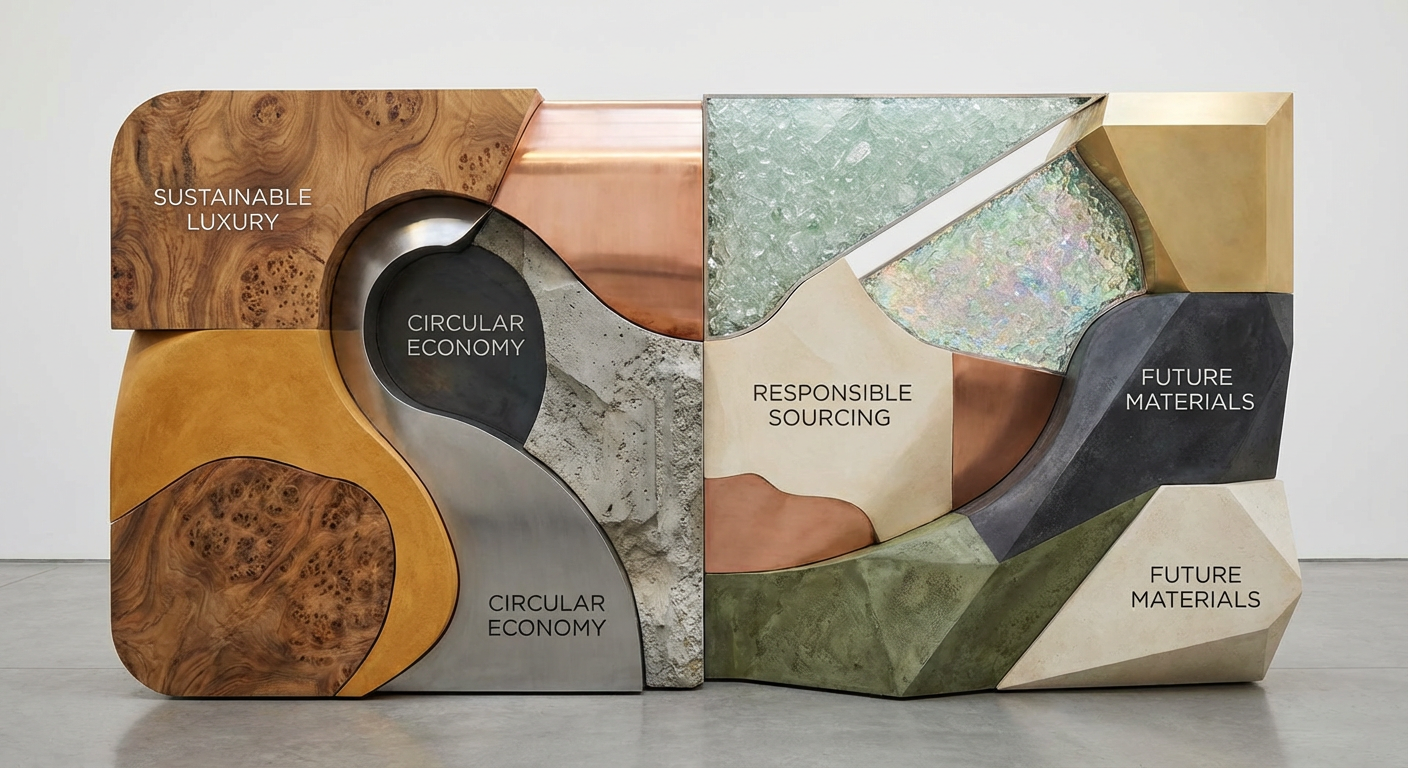
4. Innovative Materials and Finishes: Crafting Unique Aesthetics with Sustainability
The relentless pursuit of individuality and heightened functionality in luxury kitchen and bathroom design has profoundly reshaped the landscape of material and finish selection. Discerning homeowners are no longer content with off-the-shelf solutions or homogenous aesthetics; instead, they seek unique combinations and advanced materials that not only reflect their personal style but also align with a growing consciousness for sustainability and long-term durability. This section delves into the intricate trends dominating material and finish choices, from strategic mixing of diverse textures and the embrace of cutting-edge surface technologies, to the increasing demand for eco-conscious luxury that marries form, function, and environmental responsibility. The current paradigm marks an evolution where materials are not merely utilitarian backdrops but central elements dictating the story and sensory experience of a personalized space.
The Art of Material Interplay: Blending for Bespoke Character
A significant departure from monolithic design sensibilities is the burgeoning trend of artfully mixing diverse materials and textures within kitchen and bathroom spaces. This approach moves beyond simply selecting a single, high-end material; it involves a sophisticated interplay of elements to create depth, visual interest, and a truly bespoke character. Designers are increasingly tasked with curating combinations that evoke specific moods, tell a story, or integrate disparate aesthetic influences into a harmonious whole.
One of the most striking manifestations of this trend is the intentional use of contrasting materials for different components within a single room. For instance, in kitchens, nearly half of homeowners (46%) now choose a distinct material or color for their island cabinetry compared to the surrounding perimeter cabinets F3.1. This transforms the kitchen island into a focal point, often featuring richer, darker woods or dramatic stone slabs that command attention and provide a visual anchor to the space. This is a strategic design decision, turning a functional element into a statement piece that contributes significantly to the room’s personalized aesthetic.
Examples abound in recent award-winning designs that epitomize this material-mixing philosophy. Blakes London’s “Nicholson” kitchen, which earned the 2025 Homes & Gardens Award for Best Kitchen Collection, masterfully blends teak-stained timber cabinetry with fumed rattan panel inserts F3.2. This unexpected combination injects a mid-century modern sensibility with a touch of tropical elegance, showcasing how traditionally disparate materials can converge to form a fresh, sophisticated look. The rattan panels, beyond their aesthetic appeal, offer functional benefits such as ventilation, an important consideration for cabinets housing electronics or food F3.3. Such thoughtful juxtaposition elevates the space beyond mere utility, imbuing it with layers of texture, history, and craftsmanship that speak volumes about the homeowner’s discerning taste.
Similarly, in bathrooms, the trend often involves combining natural stone with metallic accents or different types of wood. A vanity might feature painted wood, a striking green marble countertop, and subtle brass inlays, creating a luxurious and layered effect. These curated combinations move away from the uniform aesthetics of the past, yielding spaces that feel “collected” rather than mass-produced. The result is a richer, more engaging environment where each material contributes to a cohesive, yet individualized, narrative. This shift signifies that luxury is defined not just by the cost of individual materials, but by the thoughtful and artistic way they are brought together.
New Surface Technologies: The Fusion of Luxury and Practicality
The rapid evolution of material science has introduced an array of innovative surface technologies, empowering designers to offer homeowners finishes that are both visually stunning and exceptionally resilient. This trend addresses the demand for luxurious aesthetics without compromising on performance, particularly in high-traffic and moisture-prone areas like kitchens and bathrooms.
One of the most significant advancements is the rise of sintered stone and ultra-compact surfaces (e.g., Dekton, Neolith) F3.4. These engineered slabs are manufactured through a process that mimics how natural stone forms over millennia, resulting in surfaces that boast remarkable durability, scratch resistance, heat resistance, and impermeability. They are capable of faithfully replicating the appearance of natural marble, granite, or concrete, but without the inherent vulnerabilities of natural materials, such as staining, etching, or porosity. These high-performance materials are increasingly specified for countertops, backsplashes, and even for cladding cabinet doors, offering a sleek, continuous aesthetic that is both luxurious and easy to maintain. In a 2025 trend survey, while ceramic/porcelain tile remained dominant for backsplashes (70% of professionals), engineered quartz slabs were gaining traction for their seamless look F3.4, highlighting the preference for high-tech, low-maintenance alternatives.
Beyond structural surfaces, breakthroughs in nano-treated materials are revolutionizing everyday finishes. These include:
* Fingerprint-resistant matte finishes: Offering the sophisticated, velvety appearance of matte black or dark tones without the tell-tale smudges that often plague such surfaces. This allows homeowners to embrace bold, contemporary aesthetics with practical ease.
* Sealant-free stones: Innovations in porous natural stones that can resist staining and moisture ingress without the need for periodic sealing, reducing maintenance burden.
* Self-healing acrylic surfaces: Materials that can visibly repair minor scratches with heat application, ensuring a pristine appearance over a longer lifespan.
These advanced finishes enable discerning homeowners to select distinctive aesthetics, such as matte ebony cabinets or textured concrete sinks, that were previously associated with high maintenance. The underlying principle is to provide “unique but user-friendly” materials, where cutting-edge technology enhances the luxurious experience by making it more convenient and durable. This technological integration is crucial for contemporary luxury, where practicality is as valued as aesthetics.
The Confluence of Eco-Consciousness and Luxury: Sustainable Materials
Environmental responsibility has moved from a niche concern to a central tenet in luxury design, profoundly influencing material selection in kitchens and bathrooms. Discerning homeowners are not only seeking aesthetically pleasing and durable materials but also those that reflect a commitment to sustainability. This has led to a noticeable shift towards eco-friendly, natural, and ethically sourced options, often utilized in highly creative ways. Approximately 60% of homeowners now consider sustainability a crucial factor when making decisions about kitchen materials and designs F3.5. This concern manifests in several key trends:
Reclaimed and Renewable Resources
* Reclaimed Wood: The use of reclaimed wood for cabinetry, shelving, or accent walls is highly popular. This material imparts a sense of history, character, and uniqueness, as each piece carries its own story and distinctive patina. Sourced from old barns, factories, or shipyards, reclaimed wood is not only sustainable but also provides a timeless, authentic aesthetic that cannot be replicated by new materials.
* Bamboo: As a rapidly renewable resource, bamboo is gaining traction for cabinetry and flooring. Its strength, durability, and distinctive grain patterns offer an eco-conscious alternative to traditional hardwoods, fitting well within natural and minimalist design schemes.
* Rapidly Renewable Woods: Beyond bamboo, lumber certified by organizations like the Forest Stewardship Council (FSC) ensures that wood products come from responsibly managed forests, balancing environmental sustainability with continued access to quality timber.
Recycled and Low-Impact Manufactured Materials
* Recycled Content Countertops: The market offers an increasing array of countertops made from recycled glass, post-consumer paper, or other composite materials. These provide a distinctive appearance while minimizing reliance on virgin resources and reducing waste.
* Low-VOC Finishes: Designers and homeowners are actively specifying paints, stains, and sealants with low or zero volatile organic compounds (VOCs). This reduces indoor air pollution, creating healthier living environments, and aligns with the broader “healthy home” trend that prioritizes occupant well-being.
* Energy-Optimized Fixtures: While more about functionality than material, the preference for energy-saving appliances (61% of projects) and water-saving fixtures (34%) F3.6 directly influences material choices for efficient construction.
Manufacturers are responding to this demand by expanding their sustainable product lines. High-end cabinetmakers now offer formaldehyde-free plywood and use woods sourced from sustainable forestry practices. This integration of eco-conscious principles into luxury offerings ensures that homeowners do not have to compromise between aesthetic excellence and environmental responsibility.
Beyond material provenance, the inherent authenticity of these choices resonates deeply with the desire for personalization. A client might choose to incorporate salvaged wood from a building with personal significance or select locally sourced stone to connect their home to its regional context. This “story-telling” element, where a material’s history or origin adds layers of meaning to the space, becomes an integral part of the luxury experience. Ultimately, the trend reflects a sophisticated appreciation for materials that are beautiful, perform exceptionally, and embody ethical values, transforming kitchens and bathrooms into spaces of unique aesthetics and responsible luxury.
Table 4.1: Material Trends Reflecting Unique Aesthetics and Sustainability
| Material Category | Key Trends & Examples | Aesthetic Impact | Sustainability/Durability Impact |
|---|---|---|---|
| Mixed Cabinetry & Finishes | Contrasting kitchen island materials (46% homeowners)F3.1; Teak wood + fumed rattan panels (Blakes London)F3.2; Brass/Metal accents with natural stone. | Curated, layered, custom-furniture look; adds depth and visual interest; reflects individual style. | Enhances personalization; allows integration of durable, authentic elements like solid metals. |
| Sintered Stone & Ultra-Compact Surfaces | Dekton, Neolith for countertops & cladding; Replicates natural stone (marble, concrete) appearance. | Sleek, seamless, modern luxury; high-end aesthetic. | Extremely durable (scratch, heat, stain-resistant); non-porous (hygienic); long lifespan reduces replacement waste. |
| Nano-Treated & Engineered Finishes | Fingerprint-resistant matte black, self-healing acrylics, sealant-free natural stones. | Maintains pristine appearance of distinctive, bold colors & textures (e.g., matte black); enables low-maintenance luxury. | Extends material lifespan by reducing wear and maintenance; improves hygiene. |
| Reclaimed & Renewable Woods | Reclaimed oak beams, barnwood for islands/shelving; Bamboo cabinetry. | Historic charm, unique character, warm and inviting; biophilic connection. | Reduces new timber consumption; sustainable resource (bamboo); each piece has a story. |
| Recycled Content Countertops | Recycled glass, composite materials for surfaces. | Unique patterns and colors; often textural; vibrant. | Reduces landfill waste; minimizes use of virgin materials; closed-loop manufacturing. |
| EPA WaterSense Faucets & Low-VOC Finishes | Fixtures meeting water efficiency standards; paints/sealants with reduced volatile organic compounds. | Seamless integration with high-end fixtures; clean, crisp air quality. | Conserves water; improves indoor air quality, reducing health impacts; promotes healthier living spaces. |
Bold Colors and Personal Style Statements: Beyond Neutrals
The era of sterile, all-white kitchens and monochromatic bathrooms is receding, giving way to more adventurous and personality-driven color palettes and finishes. Discerning homeowners are increasingly seeking to infuse their spaces with character and unique style, moving beyond generic trends to express their individuality. This shift is evident in the strategic use of bold colors, mixed metal finishes, and varied textures.
Designers report a prevalence of “vibrant design” trends, where multiple styles, bold accent colors, and rich textures are combined within a single space F3.7. While white cabinets still hold a significant share (40% of renovated kitchens in 2023) F3.8, wood tones have seen a notable comeback, now chosen by 24% of renovators F3.8. This resurgence includes natural timber finishes that celebrate the material’s inherent warmth and grain patterns.
Perhaps the most prominent color trend is the introduction of nature-inspired hues, particularly deep greens and coastal blues. Designers cite deep emerald or sage green as popular statement colors for kitchen islands or bathroom vanities. Looking ahead to 2026, 86% of kitchen designers project green tones, specifically sage and olive, to be highly popular choices F3.9. These colors offer a sophisticated yet earthy aesthetic, creating focal points that are both bold and grounding.
In bathrooms, the preference for warmer, wood-toned vanities (33%) has surpassed classic white (29%) F3.10, further illustrating a move away from stark neutrals. Beyond cabinetry, homeowners are experimenting with color-rich tiles, patterned wallpapers in powder rooms, and colorful accessories to make a personal mark.
Another critical element of personalization in finishes is the mixing of metal tones. The traditional rule of keeping all metal finishes uniform (e.g., all chrome or all brass) is largely obsolete. It is now common and encouraged to see brushed brass cabinet pulls alongside stainless steel appliances and matte black lighting fixtures in a single kitchen. This intentional blend adds depth, sophistication, and a sense of curated luxury that reflects a more eclectic and personal style. Matte finishes, especially matte black and brushed bronze, are also highly favored for hardware, faucets, and even appliances, providing a modern yet warm aesthetic. These choices allow homeowners to step away from the “developer default” look and inject their unique flair into the design narrative.
Quality and Longevity: The Foundation of Sustainable Luxury
While aesthetics and personalization drive many material selections, discerning homeowners understand that true luxury is intrinsically linked to quality and longevity. There is a strong preference for materials that not only look exquisite but also perform exceptionally well and stand the test of time, reducing the need for premature replacement and contributing to a more sustainable lifestyle. This emphasis on durability and low maintenance is a core component of sustainable luxury.
Engineered quartz exemplifies this trend, having become the most popular countertop material in both kitchens and bathrooms. For example, 39% of updated bathroom vanities now feature engineered quartz tops F3.11. Its widespread adoption stems from its ability to mimic the high-end appearance of natural stone like marble, but with superior practical benefits. Engineered quartz is non-porous, making it highly resistant to stains, etching, and bacteria, and eliminating the need for sealing. This low-maintenance profile appeals to homeowners who desire a luxurious look without the associated upkeep demands of natural stone.
Similarly, large-format porcelain tile is a favored choice for shower walls and floors (82% choose it for shower walls) F3.12. Porcelain can convincingly replicate the appearance of marble, wood, or concrete but offers superior water resistance, durability, and ease of cleaning, crucial attributes in wet environments. This allows designers to achieve sophisticated aesthetics while ensuring the functional integrity and longevity of the space.
Even with natural materials like wood, advancements in finishes are addressing durability concerns. High-end wood cabinets are frequently finished with conversion varnishes or nano-tech coatings that enhance resistance to moisture, scratches, and daily wear. These protective layers ensure that the beauty of natural wood can be enjoyed for decades without significant deterioration.
The emphasis on longevity also intersects with a desire for timeless design. As much as 47% of homeowners choose a “timeless” design aesthetic during renovations to ensure the space remains appealing for many years F3.13. This approach inherently supports sustainability by mitigating the demand for frequent remodels and the associated waste. Investing in high-quality materials and craftmanship, even with a higher upfront cost, is seen as a wise long-term decision that preserves value and reduces environmental impact.
In essence, today’s luxury material selection is a thoughtful balance. Discerning homeowners seek materials that:
* Reflect unique personal style.
* Tell a story or have a rich provenance.
* Are eco-conscious or sustainably sourced.
* Offer superior durability and require minimal maintenance.
This holistic approach to material selection ensures that kitchens and bathrooms are not only beautiful and functional but also embody a lasting quality and a commitment to responsible living. The marriage of innovative materials with the growing demand for sustainability underscores a sophisticated understanding of luxury that extends beyond fleeting trends to embrace enduring value and ethical principles.
A Glimpse Towards the Future: Emerging Material Narratives
The trajectory of innovative materials and finishes points towards an even deeper integration of technology, customization, and ecological responsibility. We are likely to see continued advancements in:
* Bio-based and Recycled Content Composites: Further development of materials derived from organic waste streams or high percentages of recycled industrial byproducts, offering novel textures and improved performance metrics.
* Smart Materials: Surfaces that can change color, texture, or even light up on command, offering dynamic aesthetic possibilities and enhanced functionality.
* Hyper-Customizable Surfaces: Technologies allowing for even greater levels of bespoke patterns, embedded graphics, or personalized tactile features in engineered surfaces.
* Circular Economy Integration: Materials explicitly designed for easy disassembly and recycling at the end of their lifecycle, fully embracing the principles of the circular economy within luxury build environments.
These emerging narratives suggest that the personalized aesthetic of tomorrow will be defined by materials that are not only beautiful and high-performing but also inherently adaptable, intelligent, and deeply aligned with global sustainability goals.
The trends in innovative materials and finishes demonstrate a sophisticated progression in luxury kitchen and bathroom design. Homeowners are actively seeking solutions that are as unique as their own identities, prioritizing customization, advanced functionality through new surface technologies, and a profound commitment to environmental stewardship. The blending of diverse materials, the embrace of bold color, and the insistence on long-term durability collectively contribute to crafting spaces that are not merely functional but are artistic expressions and sustainable investments.
The next section will explore the profound impact of advanced lighting solutions on creating ambiance and enhancing functionality within these personalized spaces.
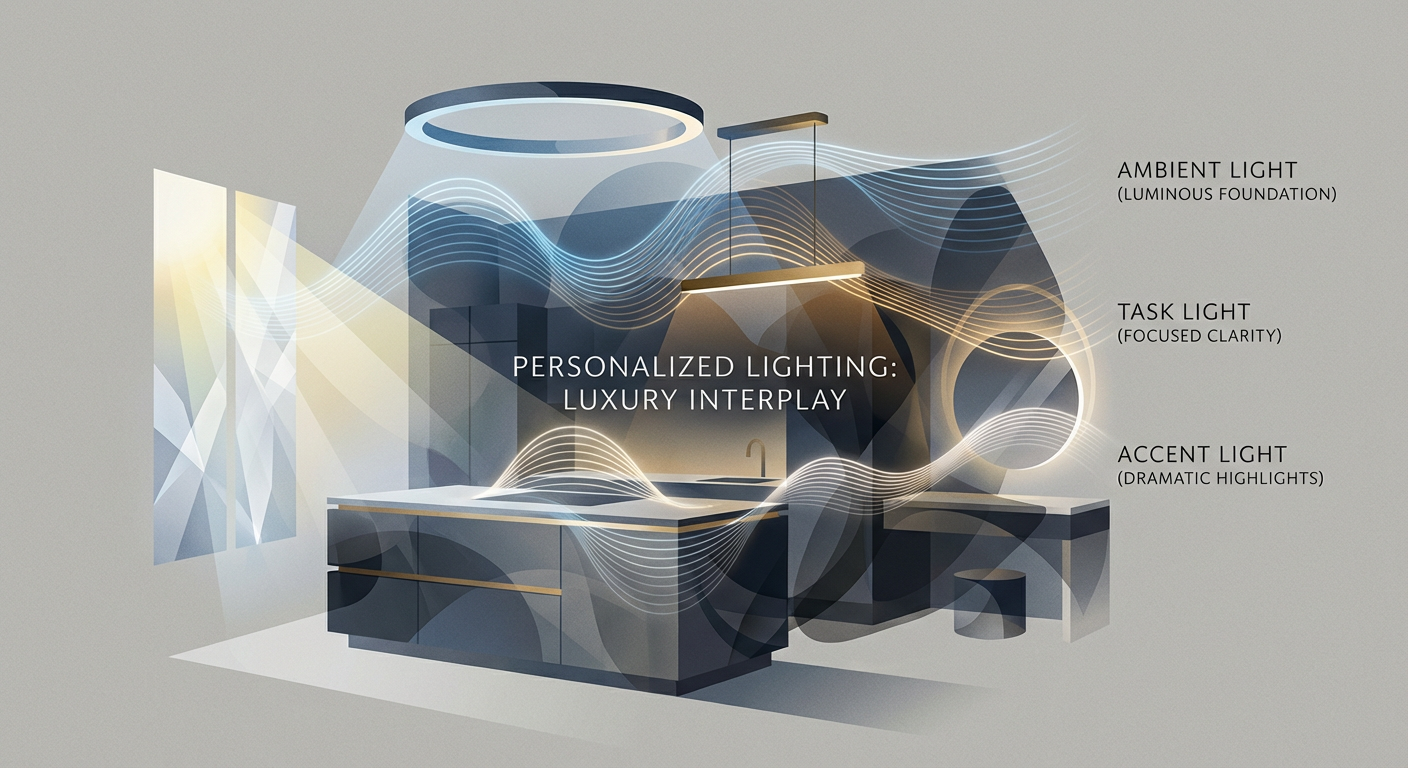
5. Lighting as a Cornerstone of Personalized Design
In the evolving landscape of luxury kitchen and bathroom design, lighting has transcended its traditional role as a mere functional necessity to become an indispensable element for personalization, ambiance, and overall well-being. Discerning homeowners are increasingly recognizing that sophisticated lighting strategies can dramatically transform these spaces, enhancing both their aesthetic appeal and practical utility. No longer content with a single, overhead light source, clients are demanding intricate layering of ambient, task, and accent lighting, seamlessly integrated with advanced controls and a keen eye for natural light maximization. This shift reflects a broader trend where every design detail, including illumination, is meticulously curated to align with individual style preferences and lifestyle needs. This section delves into the critical role of advanced lighting solutions, exploring how layered lighting, natural light integration, and the widespread adoption of energy-efficient LED technology are enhancing ambiance, functionality, and overall well-being in the modern kitchen and bathroom.
5.1 The Evolution of Lighting from Utility to Integrated Design Element
Historically, lighting in kitchens and bathrooms was primarily utilitarian, designed to provide sufficient illumination for cooking, cleaning, and personal grooming. Today, this perspective has undergone a significant transformation. Modern luxury design treats lighting as a fundamental component, crucial for establishing mood, highlighting architectural features, and ensuring optimal functionality. This evolution is driven by several factors, including technological advancements, a growing appreciation for psychological well-being in home environments, and the overarching demand for personalized spaces.
A staggering 58% of design professionals now consider natural light “extremely important” in kitchen design, with 52% emphasizing the overall quality of artificial lighting as critical[1]. This highlights a dual focus: optimizing daylight while ensuring artificial light is equally thoughtful and high-performing. Homeowners are actively investing in these upgrades, as evidenced by a substantial increase in renovation budgets across the board. The median spend for a minor kitchen remodel in the U.S. surged by 40% year-over-year to $14,000 as of mid-2022, while major kitchen overhauls for large spaces command around $50,000[2]. Similarly, major bathroom remodel costs have climbed by 25% year-over-year for large bathrooms, reaching $25,000[3]. These figures underscore a willingness to fund higher-quality, personalized upgrades, with lighting playing a significant role.
The complexity of contemporary lighting design stems from the understanding that different activities require different types of light. Cooking demands bright, focused task lighting, while dining calls for softer, more ambient illumination. In bathrooms, precise lighting is needed for grooming, contrasted with a gentle, calming glow for relaxation. This necessitates a layered approach, carefully balancing various light sources to achieve a harmonious and adaptable environment.
5.2 Layered Lighting Strategies: Ambient, Task, and Accent Illumination
The cornerstone of personalized lighting design in luxury kitchens and bathrooms is the strategic layering of different light types. This approach ensures versatility, allowing homeowners to adjust the lighting according to time of day, activity, or desired mood.
5.2.1 Ambient Lighting: Setting the Foundation
Ambient lighting provides the general illumination for a room, creating an overall sense of brightness and space. In kitchens and bathrooms, recessed ceiling lights are the most common form of ambient lighting, preferred for their unobtrusive nature and ability to deliver widespread light. Their adoption is widespread; 72% of updated kitchens now feature recessed ceiling lights, marking a 6 percentage point increase[4]. This signifies a clear preference for sleek, integrated installations that contribute to a clean, modern aesthetic.
Beyond recessed cans, ambient light can also come from larger decorative fixtures, like chandeliers or flush-mount ceiling lights, chosen to complement the room’s overall design theme. In bathrooms, a central overhead fixture offers a foundational layer of light, ensuring that the entire space is adequately illuminated before task or accent lighting is introduced.
5.2.2 Task Lighting: Enhancing Functionality and Safety
Task lighting is specifically designed to illuminate work surfaces and activity zones, preventing shadows and reducing eye strain. In the kitchen, under-cabinet lighting is paramount for food preparation areas, ensuring countertops are brightly lit. The widespread adoption of under-cabinet LEDs in 70% of renovated kitchens attests to its recognized importance[4]. These lights are often placed at the front of the upper cabinets to prevent shadowing on the workspace. Specific task lighting in work zones is now considered essential by 53% of design experts[1].
In bathrooms, task lighting is critical around the vanity mirror for grooming activities like makeup application, shaving, or hair styling. Sconces placed on either side of the mirror at eye level, or a well-designed vanity light strip overhead, provide even, shadow-free illumination on the face. Overhead lights alone would cast unflattering shadows, diminishing the functionality of the mirror area.
5.2.3 Accent Lighting: Creating Ambiance and Highlighting Features
Accent lighting is the artistic element of a lighting scheme, used to draw attention to specific architectural details, artwork, or decorative elements, simultaneously adding warmth and depth to the space. In a kitchen, accent lighting might involve:
- Pendant lights: Still a popular choice for illuminating kitchen islands, used by 64% of renovators[4]. They serve both task and accent functions, providing focused light while also acting as decorative focal points.
- In-cabinet lighting: LED strips inside glass-front cabinets or open shelving can highlight display items such as glassware, ceramics, or collectibles.
- Toe-kick lighting: Subtle LED strips installed along the base of cabinets or islands can create a floating effect and provide a soft, ambient glow, particularly useful as a nightlight.
- Backlighting: Used behind translucent materials like onyx countertops or stone panels, backlighting creates a dramatic effect, accentuating the natural patterns and colors of the material.
In bathrooms, accent lighting can transform the space into a luxurious sanctuary:
- Niche lighting: Small LED strips or puck lights integrated into shower niches or decorative shelving highlight bath products or decorative objects.
- Under-vanity lighting: Similar to kitchen toe-kicks, this creates a soft glow and a sense of spaciousness.
- Mirror backlighting: Integrated backlighting around a mirror provides a soft, halo effect, reducing harsh shadows and adding a touch of sophistication.
The skilled integration of these three layers allows homeowners to tailor the lighting precisely to their needs and preferences, transitioning from a brightly lit, functional space to a softly glowing, relaxing retreat at will.
5.3 The Pervasive Influence of Natural Light and Biophilic Design
Beyond artificial illuminations, the maximization and integration of natural light are paramount in luxury kitchen and bathroom design. The desire for bright, airy spaces connected to the outdoors stems from both aesthetic preferences and a growing understanding of biophilic design principles, which emphasize human connection with nature for improved well-being.
The importance of natural light is undeniable, with 58% of design professionals deeming it “extremely important” in kitchen design[1]. Homeowners are actively pursuing solutions to increase natural light, including structural changes to their homes. Approximately 20% of homeowners are altering layouts to foster a more open connection between kitchens and the outdoors, often by adding patio doors or pass-through windows[5]. This trend signifies a move away from compartmentalized living, favoring fluid spaces that benefit from abundant daylight and views.
Strategies for integrating natural light include:
- Enlarged Windows: Floor-to-ceiling windows or wider window frames can dramatically flood a room with natural light.
- Skylights and Solar Tubes: Especially beneficial for interior bathrooms or parts of kitchens that lack direct window access, skylights or solar tubes bring overhead daylight into spaces that would otherwise rely solely on artificial light.
- Open-Concept Layouts: Forty percent of homeowners are opening up their kitchens to adjacent interior spaces like great rooms or dining areas, a 2 percentage point increase from the previous year[6]. This allows natural light from one room to penetrate deeper into the communal living areas.
- Glass Doors: Bi-fold or sliding glass doors that completely open to outdoor living spaces not only maximize light but also seamlessly blend indoor and outdoor environments.
The emphasis on natural light goes beyond mere illumination; it influences mood, energy levels, and even circadian rhythms. Homeowners specifically request designs that provide sun-drenched mornings in their kitchens or bathrooms, reflecting a personalized desire to synchronize their living spaces with natural cycles.
5.4 The Widespread Adoption of Energy-Efficient LED Technology
The convergence of personalized design, environmental consciousness, and technological innovation has led to the near-universal adoption of LED lighting in kitchens and bathrooms. LEDs offer unparalleled versatility, energy efficiency, and longevity, making them the preferred choice for discerning homeowners and designers alike.
The shift towards LEDs is driven by both sustainability concerns and practical benefits. Approximately 60% of homeowners now consider sustainability a crucial factor in their design decisions[7]. In fact, 92% of kitchen renovations in 2022-2023 incorporated at least one eco-friendly feature, with LED lighting being the most common at 65% of projects[8]. The National Kitchen & Bath Association (NKBA) forecasts that virtually 100% of new kitchen and bathroom projects will exclusively use LED lighting, effectively phasing out less efficient incandescent options[9].
The advantages of LED technology in personalized design are numerous:
- Energy Efficiency: LEDs consume significantly less energy than traditional incandescent bulbs, translating to lower utility bills and a reduced carbon footprint, aligning with eco-conscious homeowner values.
- Longevity: LEDs have an exceptionally long lifespan, reducing the need for frequent replacements and maintenance, especially in hard-to-reach fixtures.
- Tunable White and RGB Options: Modern LEDs offer “tunable white” technology, allowing users to adjust the color temperature from warm to cool, mimicking natural daylight cycles or creating various moods. Some systems even offer full RGB color control for dynamic accent lighting, enabling homeowners to truly personalize the ambiance. These smart LED systems can be controlled via smart home platforms or voice commands, transitioning from bright, cool light for morning tasks to warm, dim light for evening relaxation.
- Compact Size and Versatility: The small size of LED chips enables their integration into narrow strips, puck lights, and linear fixtures that can be discreetly hidden in cabinet toe-kicks, under shelves, or within shower niches. This allows for creative and sophisticated accent lighting that was previously difficult to achieve.
- Low Heat Emission: Unlike incandescent bulbs, LEDs produce very little heat, making them safe for use in enclosed spaces and preventing them from affecting ambient room temperatures, particularly beneficial in high-humidity bathroom environments.
Beyond basic efficiency, the quality of LED lighting is also a high priority. Fifty-two percent of designers emphasize lighting quality, including factors like color rendering index (CRI) and the absence of flicker[1]. High-CRI LEDs ensure that colors within the kitchen and bathroom – from custom cabinetry to fresh produce – appear vibrant and true-to-life, enhancing the overall visual experience and complementing the chosen material palette.
5.5 Advanced Lighting Controls and Smart Integration
The technological sophistication of modern lighting extends to its control systems, which are increasingly integrated into broader smart home ecosystems. Automated and intuitive lighting controls are a key feature in personalized luxury design.
Key advancements in lighting controls include:
- Dimming Capabilities: Essential for mood setting, dimmable LEDs allow precise control over light intensity, enabling transitions from functional brightness to a subtle glow.
- Occupancy/Vacancy Sensors: These sensors automatically turn lights on when a room is entered and off when it’s vacated, saving energy and providing hands-free convenience, especially useful in bathrooms for soft night lighting.
- Motion Sensors: Often integrated into smart home setups, motion sensors can activate localized task lighting, such as under-cabinet LEDs, only when activity is detected in a specific area.
- Smart Home Integration: Lighting systems are increasingly controllable via smartphone apps, touch panels, or voice commands (e.g., through virtual assistants like Alexa or Google Assistant). This allows for the creation of customized “scenes” – predefined combinations of light levels, color temperatures, and activated fixtures – for various activities (e.g., “cooking mode,” “relaxing bath,” “dinner party”).
- Circadian Lighting: On the cutting edge, circadian lighting systems automatically adjust the color temperature and intensity of lights throughout the day to mimic natural daylight patterns. This supports human sleep-wake cycles and overall well-being, a feature gaining traction in wellness-focused luxury homes.
While the allure of smart tech is strong, homeowners prioritize functional technology over mere gimmicks. Features like touchless faucets, installed by 51% of kitchen remodelers, demonstrate a preference for innovations that directly improve daily routines[10]. Similarly, smart lighting appeals because it offers tangible benefits: convenience, energy savings, and enhanced comfort. Professional integrators are now crucial to ensure that these complex lighting systems are seamlessly installed and user-friendly, maintaining the sleek aesthetic of luxury design by discreetly concealing wiring and controls.
5.6 Lighting as a Design Statement and Well-being Enhancer
Beyond functionality, lighting fixtures themselves are recognized as significant design elements, capable of making bold statements and reinforcing a personalized aesthetic. Unique light fixtures, often custom-made, can serve as focal points in kitchens and bathrooms:
- Sculptural Pendants: Over kitchen islands or dining areas, pendants can be chosen for their artistic form and material, acting as functional art.
- Statement Chandeliers: In larger luxury bathrooms, a chandelier positioned above a freestanding tub can elevate the space, giving it a lavish, spa-like feel.
- Artistic Sconces: Wall-mounted sconces can flank mirrors or highlight architectural features, their design and finish carefully selected to match the room’s broader material palette. The “Hayle” wall light, lauded in the Homes & Gardens 2025 design awards for its artistic blend of metal and frosted glass, exemplifies how even a sconce can be a showpiece[11].
The finishes of light fixtures, such as aged brass, matte black, or satin copper, are now carefully coordinated with hardware, faucets, and other metal accents in the room, creating a cohesive and sophisticated look. This attention to detail transforms lighting from a practical necessity into an integral part of the decor, allowing homeowners to express their personal style.
Moreover, the strategic use of lighting plays a pivotal role in creating wellness-oriented environments, particularly in bathrooms. The trend towards spa-like bathrooms means incorporating lighting that fosters relaxation and rejuvenation. Dimmed, warm lighting for evening soaks, perhaps with indirect accent lighting in a shower niche, contributes to a calming atmosphere. Digital shower systems, often controllable via smart platforms, allow users to preset lighting preferences alongside water temperature and flow, providing a truly personalized sensory experience. In kitchens, appropriate lighting can make cooking more enjoyable and safer, reducing stress during meal preparation.
Table 5.1 summarizes the key lighting trends in luxury kitchen and bathroom design:
| Lighting Trend | Description | Impact on Personalization | Relevant Data/Insights |
|---|---|---|---|
| Layered Lighting (Ambient, Task, Accent) | Combines multiple light types to achieve diverse moods and optimize functionality. | Allows homeowners to customize ambiance for various activities and times of day. | 72% of remodels include recessed ceiling rights; 70% use under-cabinet LEDs; 53% consider task lighting essential[4][1]. |
| Natural Light Maximization | Strategic integration of daylight through larger windows, skylights, and open layouts. | Connects interiors with outdoors, enhancing mood and well-being; biophilic design. | 58% of pros rate natural light as “extremely important”; 20% alter layouts for outdoor connection[1][5]. |
| Energy-Efficient LED Technology | Widespread adoption of LEDs for their efficiency, longevity, and versatility. | Supports sustainable values; offers tunable colors and compact forms for creative placement. | Forecast of 100% LED adoption[9]; 65% of kitchen renovations incorporate LEDs[8]. |
| Smart & Adaptive Controls | Integration with smart home systems for automated dimming, color temperature, and scene settings. | Customizable lighting schedules and scenarios via apps/voice; supports circadian rhythms. | Focus on tech that simplifies life; growth of smart bathroom features like automated lighting. |
| Feature Lighting as Design Statement | Fixtures chosen for aesthetic impact, acting as focal points or artistic elements. | Expresses personal style; coordinates with overall material palette. | Award-winning artistic fixtures like the “Hayle” wall light highlight this trend[11]. |
In conclusion, advanced lighting solutions are no longer an afterthought but a critical cornerstone of personalized design in luxury kitchens and bathrooms. The thoughtful integration of layered lighting, maximization of natural light, and the intelligent application of energy-efficient LED technology create spaces that are not only functional and aesthetically pleasing but also profoundly contribute to the homeowner’s comfort, mood, and overall sense of well-being. This comprehensive approach reflects the discerning homeowner’s desire for environments that are truly tailor-made and responsive to their individual needs and preferences. The evolving landscape suggests that lighting will continue to innovate, offering increasingly sophisticated and intuitive ways to illuminate and personalize our most intimate spaces.
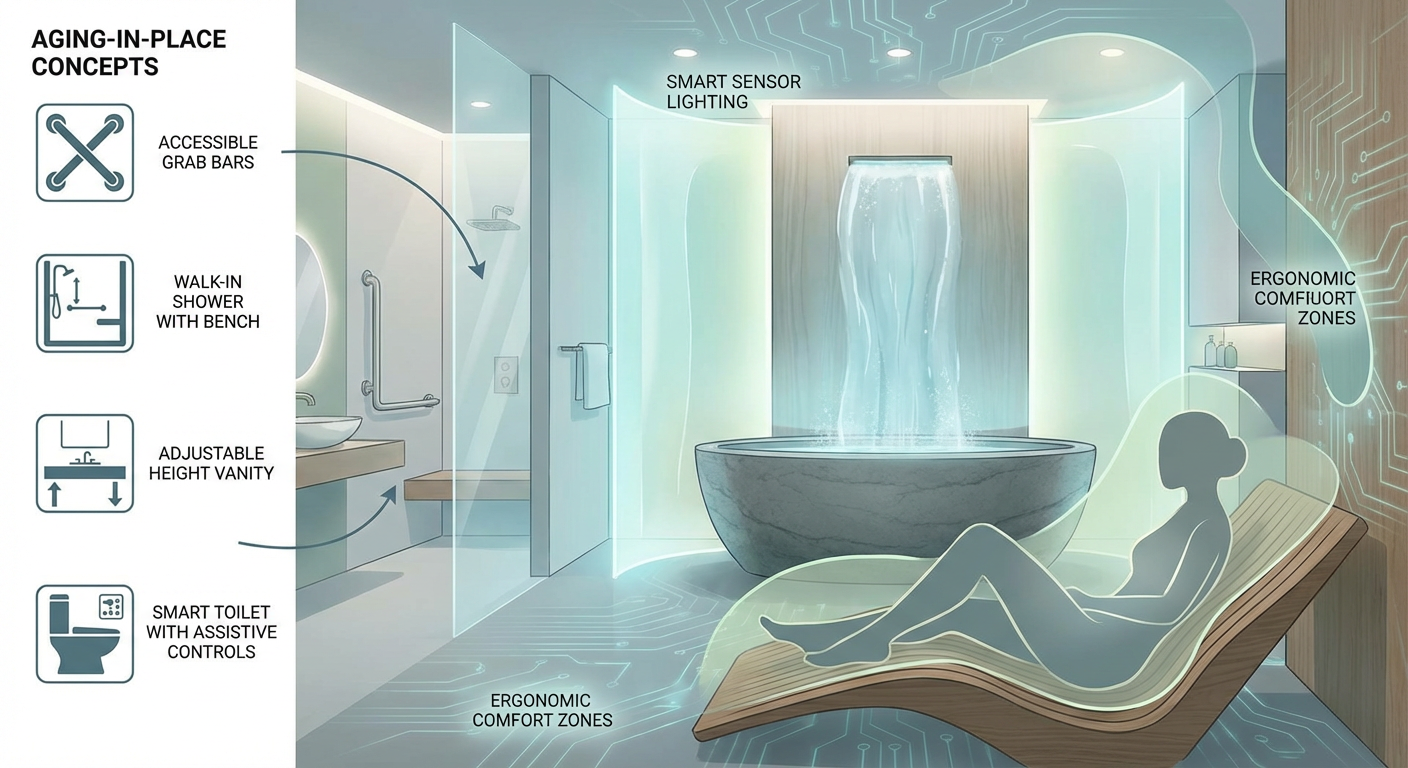
6. The Rise of Wellness and Spa-Like Retreats in Bathrooms
The contemporary bathroom, once a purely utilitarian space, has undergone a profound transformation, evolving into a personal sanctuary for wellness and relaxation. Discerning homeowners are increasingly seeking to replicate the luxurious, rejuvenating experience of high-end spas within their own residences. This shift is driven by a heightened awareness of mental and physical well-being, amplified by global events that have underscored the importance of home as a refuge and a center for self-care. The trend manifests in various design choices, from expansive, amenity-rich showers to sophisticated smart fixtures and thoughtful considerations for long-term comfort and accessibility, commonly known as aging-in-place design. The bathroom is no longer just about function; it’s about creating an immersive, restorative environment that caters to individual needs and aspirations for a healthy, balanced lifestyle.
6.1 Transforming Bathrooms into Personal Wellness Sanctuaries
The concept of the bathroom as a spa-like retreat is gaining significant traction, particularly among affluent homeowners willing to invest in features that promote relaxation, hygiene, and overall well-being. This profound shift is evident in the types of amenities and design elements that are now becoming standard in luxury bathroom remodels. The drive for personalized experiences extends beyond aesthetics, delving into functional aspects that elevate daily routines into moments of indulgence.
6.1.1 The Dominance of the Oversized Shower Experience
One of the most striking trends in modern bathroom design is the expansion and enhancement of the shower area. Homeowners are prioritizing larger, more luxurious showers, often at the expense of traditional bathtubs. Over 60% of bathroom renovations currently involve increasing the size of the shower [17]. This expansion is not merely for space; it’s about creating a more immersive and comfortable showering experience. These enlarged showers frequently feature multiple showerheads, including generous rain showerheads that simulate the feeling of natural rainfall, and strategically placed body jets for a hydrotherapy experience.
A key innovation facilitating this trend is the adoption of curbless, walk-in showers. Chosen by 24% of renovating homeowners, this represents a 3% increase from the previous year [19]. Curbless entry design not only provides a sleek, seamless aesthetic, making the bathroom appear larger and more open, but also offers significant practical benefits. It eliminates tripping hazards, making the shower accessible for individuals of all ages and mobility levels, a crucial aspect of aging-in-place design. The visual continuity created by uniform flooring extending into the shower area enhances the sense of a cohesive, spacious wet room. Furthermore, frameless glass shower enclosures, preferred by 78% of homeowners over framed styles, contribute to this open and airy feel, allowing natural light to penetrate deeply into the space and showcasing luxurious tile work [21].
For some, the desire for an expansive shower completely supersedes the need for a bathtub. Approximately 26% of bathroom remodels involve removing the tub altogether to create more space for an open “wet room” concept or dual showers [20]. This bold design choice reflects a commitment to a shower-centric wellness routine. When tubs are retained, discerning homeowners often opt for sculptural, freestanding soaking tubs, which are almost equally preferred (36%) to built-in alcove tubs (35%) [22]. These freestanding tubs become artistic focal points, inviting long, leisurely soaks rather than quick, functional baths.
6.1.2 Advanced Toilet Functionalities: The Asian Influence
The toilet, traditionally the most functionally basic fixture in a bathroom, is undergoing a technological revolution, largely influenced by innovations from Japan. The rise of smart toilets with specialized features is a testament to the growing global demand for enhanced hygiene, comfort, and convenience within the private sanctuary of the bathroom. Approximately 41% of homeowners surveyed in a 2024 bathroom trends report expressed interest in integrating high-tech toilet features into their renovations [7].
Japan has long been at the forefront of this trend. By 2018, over 80% of Japanese households were equipped with electronic bidet toilets, commonly known as Washlets, developed by manufacturers like Toto Ltd. [27]. These advanced toilets offer a suite of features including bidet functions with adjustable water pressure and temperature, self-cleaning mechanisms, heated seats, and integrated air dryers. This level of sophistication, once considered a luxury, has become a standard amenity in Japanese homes and is rapidly gaining global acceptance. The global demand for these advanced fixtures is surging, with Toto’s overseas sales of toilets roughly doubling from 2012 to 2022, reaching approximately ¥200 billion annually [9].
The appeal of these specialized toilet functionalities extends beyond mere novelty; it’s rooted in factors like superior hygiene, increased comfort, and a reduced environmental footprint through decreased toilet paper usage. As global consumers embrace these advanced fixtures, they become an integral part of the wellness-focused bathroom, offering a level of personal care and luxury previously unavailable.
6.1.3 Integrated Wellness Amenities and Home Spa Features
To further enhance the spa-like ambiance, luxury bathrooms are being outfitted with a range of sophisticated wellness amenities. These features transform the bathroom into a dynamic space for therapeutic and relaxing experiences:
- Steam Units and Saunas: These are increasingly popular, offering the benefits of detoxification, muscle relaxation, and improved respiratory health. Built-in steam showers create an enveloping, humid environment, while compact sauna units provide dry heat therapy. These amenities elevate typical washing into a meditative, health-conscious ritual.
- Heated Floors: A pervasive luxury, heated floors via radiant heating systems provide unparalleled comfort, especially in colder climates. The sensation of warmth underfoot contributes significantly to the feeling of indulgence and prevents the shock of cold tile.
- Aromatherapy and Chromotherapy: Some advanced digital showers and hydrotherapy tubs integrate aromatherapy diffusers and chromotherapy lighting, allowing users to customize their experience with soothing scents and mood-enhancing colors. These sensory elements contribute to a holistic wellness approach.
- Smart Mirrors: More than just reflective surfaces, smart mirrors can display weather forecasts, news headlines, or connect to smart home devices. Some even incorporate AI to analyze skin health, truly integrating technology with personal care.
A recent Houzz study indicates that approximately 77% of bathroom projects now include at least one relaxation or wellness feature, highlighting the broad appeal of these amenities [30].
| Feature Category | Specific Amenity | Benefit for Homeowner | Prevalence / Trend |
|---|---|---|---|
| Showering Experience | Oversized Walk-in Showers | Enhanced comfort, space, accessibility | >60% increase in size [17], 24% curbless [19] |
| Rain Showerheads & Body Jets | Hydrotherapy, immersive experience | High demand in luxury builds | |
| Toilet Functionality | Smart Bidet Toilets (Washlets) | Improved hygiene, comfort (heated seats), eco-friendly | 41% desire for features [7]; 80% in Japanese homes [27] |
| Comfort & Atmosphere | Heated Floors (Radiant Heating) | Year-round comfort, energy efficiency | Widely adopted in luxury projects |
| Steam Units / Integrated Saunas | Detoxification, relaxation, therapeutic benefits | Growing in popularity as holistic wellness gains traction | |
| Aromatherapy & Chromotherapy | Mood enhancement, sensory experience | Integrated into high-end digital showers and tubs | |
| Accessibility & Future-Proofing | Curbless Showers | Eliminates tripping hazards, wheelchair accessible | 24% adoption, increasing [19] |
| Statement Freestanding Tubs | Aesthetic focal point, deep soaking relaxation | Favored over built-in options (36% vs. 35%) [22] |
6.2 Aging-in-Place Design: Luxury Meets Future-Proof Functionality
Beyond immediate aesthetic and wellness desires, discerning homeowners are increasingly planning for the long term, integrating aging-in-place principles into their luxury bathroom designs. This forward-thinking approach ensures that the bathroom remains safe, comfortable, and accessible as residents age, without compromising on style or luxury. It reflects a growing recognition that personal well-being is a lifelong pursuit, and homes should adapt to changing needs.
6.2.1 Accessible Features Seamlessly Integrated
The term “aging-in-place” often conjures images of institutional or clinical designs, but in luxury contexts, these features are seamlessly integrated to appear as natural design elements. The NKBA (National Kitchen & Bath Association) highlights that in upscale bath projects, considerations for aging-in-place are highly visible and desired: 79% include seated showers, 66% feature zero-entry curbs, and 65% incorporate grab bars for safety [21]. Instead of being an afterthought, these features are central to the initial design concept.
- Curbless Showers: As previously noted, the curbless shower is a prime example. Its sleek design inherently provides barrier-free access, making it safer for individuals with mobility challenges (e.g., wheelchair users) and preventing falls for all ages.
- Seated Showers: Integrated benches or fold-down seats within spacious showers offer comfort and support, allowing users to sit while showering, ideal for long relaxation sessions or for those who need to conserve energy. These seats are often crafted from high-end materials like teak or natural stone, making them an attractive design element.
- Grab Bars: Modern grab bars are discreetly designed, often disguised as towel bars or integrated into decorative elements, ensuring they blend aesthetically with the bathroom’s luxurious finishes while providing essential safety and support. Their strategic placement near toilets, showers, and tubs enhances security without visually disrupting the space.
- Wider Doorways and Clearances: Ensuring wider doorways (typically 36 inches) and sufficient maneuvering space around fixtures accommodates potential wheelchair or walker use in the future. These structural considerations are best addressed during the initial design phase of a renovation.
- Non-Slip Flooring: While luxury materials are paramount, safety is also a priority. Textured tiles, matte finishes, and smaller format tiles (which offer more grout lines for traction) are often chosen for shower floors and across the bathroom to minimize slip hazards.
6.2.2 Smart Technology for Enhanced Safety and Convenience
Smart technology plays a crucial role in future-proofing bathrooms by adding layers of safety and convenience that benefit everyone, especially as one ages. This includes:
- Touchless Faucets: Installed by 51% of kitchen remodelers, these are also gaining traction in bathrooms [6]. Touchless operation prevents germ spread and is easier for arthritic hands or those with limited dexterity.
- Voice-Activated Controls: Integrated systems can control lighting, shower temperature, and even call for assistance, all hands-free. This minimizes physical effort and enhances safety.
- Programmable Shower Systems: Digital interfaces allow users to pre-set exact water temperatures and flow rates, eliminating scalding risks and ensuring a comfortable showering experience every time.
- Automated Lighting: Motion-activated, low-level night lighting can prevent falls during nocturnal bathroom visits, offering subtle illumination without harsh brightness.
These technological integrations prioritize ease of use and safety without sacrificing the high-end aesthetic. They support independence and comfort, allowing homeowners to enjoy their personalized bathroom retreats for many years to come.
6.3 Market Impact and Future Outlook
The trend toward spa-like wellness retreats and aging-in-place design in bathrooms is driving significant investment and innovation within the industry. Homeowners are increasingly willing to allocate larger budgets to achieve these personalized, functional, and luxurious spaces. The median cost for a major bathroom overhaul surged 25% year-over-year to $25,000 in 2022, underscoring this willingness to invest in higher-quality, personalized upgrades [5].
This market enthusiasm extends to the smart bathroom sector, which mirrors the global growth seen in the kitchen design and cabinetry market, valued at approximately $147 billion in 2023 and projected to reach nearly $200 billion by 2027 [26]. The demand for advanced fixtures and wellness amenities indicates that the bathroom is now seen as a critical component of a luxury home, on par with the kitchen in terms of investment priority and personalized design requirements.
The future of bathroom design points towards even greater integration of technology, more sophisticated wellness features, and an unwavering commitment to universally accessible design that is both beautiful and practical. As homeowners continue to prioritize personalization and well-being, the bathroom will remain a focal point for innovation, offering serene and functional retreats tailored to individual lifestyles and long-term needs.
The evolution of the bathroom into a wellness retreat is deeply intertwined with the broader trends of personalization, smart home integration, and sustainable practices. As we delve further into the specific material innovations and lighting solutions, it becomes clear how all these elements converge to create truly bespoke and therapeutic environments. The next section explores how innovative materials and finishes are contributing to these luxurious and personalized spaces.
7. Multi-Functional and Lifestyle-Oriented Spaces
The modern home, particularly in its luxury segment, is undergoing a profound transformation. No longer are kitchens and bathrooms confined to their traditional, singular functions; rather, they are evolving into dynamic, versatile environments that seamlessly integrate with and enhance a discerning homeowner’s broader lifestyle needs and personal habits. This shift reflects a desire for spaces that work harder, adapt more fluidly, and ultimately, offer a richer, more personalized living experience. The evolution from mere utility rooms to multi-functional hubs is driven by a combination of factors, including demographic shifts, the rise of remote work, an increased focus on wellness, and a pronounced desire for bespoke solutions that embody individual character and cater to specific daily routines [1].
This section delves into how luxury kitchen and bathroom designs are incorporating dedicated zones for a myriad of activities, ranging from coffee and wine connoisseurship to pet care, remote work integration, and sophisticated socializing. It underscores the emphasis on adaptability and the thoughtful integration of these spaces within the larger home architecture, highlighting how these innovations contribute to a lifestyle that values convenience, comfort, and custom-tailored functionality.
7.1. The Kitchen as the True Heart of the Home: Beyond Culinary Zones
The kitchen’s role has expanded dramatically beyond just cooking and eating. It has solidified its position as the undisputed “heart of the home,” a central hub where a multitude of family and social activities converge. This expanded definition necessitates designs that are inherently multi-functional and lifestyle-oriented. Designers universally recognize this trend; nearly **100% of design experts** agree that consumers are actively adding lifestyle-based features to their kitchens [9]. This pervasive shift influences everything from layout planning to the selection of specialized appliances and custom cabinetry.
One of the most prominent manifestations of this trend is the emergence of dedicated zones tailored to specific interests or daily rituals. For instance, coffee enthusiasts are no longer content with a simple coffee maker on the counter. Instead, they desire bespoke coffee bars, complete with built-in grinders, espresso machines, and customized storage for mugs and beans. Similarly, wine connoisseurs are requesting sophisticated wine stations that might include temperature-controlled wine fridges, display shelving, and even tasting areas. In fact, a significant **85% of designers** predict that dedicated beverage centers, encompassing both coffee and wine stations, will be among the most popular additions to kitchens in the coming years [9]. These specialized areas not only cater to personal passions but also enhance the kitchen’s capability as an entertaining space, allowing hosts to craft personalized beverage experiences for guests.
The kitchen island, traditionally a workspace, has become the epitome of multi-functionality. It now routinely serves as a central point for a diverse array of activities. Approximately **98% of designers** assert that kitchen islands and other designated zones will fulfill multiple purposes in contemporary layouts [9]. These functions can range from primary meal preparation and casual dining to remote work, homework stations for children, and informal gathering spots for socializing. The scale of investment in these central features is substantial; major kitchen remodels for large spaces can command a median cost of around $50,000, while even a minor kitchen remodel often reaches $14,000, signaling a homeowner’s willingness to invest significantly in these versatile spaces [5]. This adaptability is critical in open-plan luxury homes where the kitchen flows directly into living and dining areas, effectively making the island the nexus of daily life.
Beyond dedicated beverage zones, other lifestyle integrations are rapidly gaining traction:
Dedicated Pet Services:
With pets increasingly viewed as beloved family members, designers are incorporating built-in pet feeding stations, often seamlessly integrated into cabinetry. Some high-end homes even feature dedicated pet washing stations, typically in a mudroom or utility adjacent to the kitchen, reflecting a broader trend of designing homes to accommodate every family member. Research indicates that **64% of designers** foresee the inclusion of pet feeding stations or dedicated pet zones within kitchens [9].
Cozy Nooks and Social Zones:
The social aspect of the kitchen is being emphasized with the inclusion of built-in banquettes, comfortable seating areas, and cozy nooks designed for conversation, reading, or quiet relaxation. Around **42% of kitchens** are expected to feature such built-in nooks, fostering inviting atmospheres conducive to gatherings [9]. This caters to the demographic shift towards younger, design-conscious homeowners who prioritize spaces for entertaining and social interaction [2].
Remote Work Integration:
The rise of remote work, accelerated by recent global events, has profoundly impacted home design. An unexpected but increasingly common trend is the integration of remote work areas within the kitchen or adjacent spaces. Nearly **1 in 4 homeowners (23%)** now periodically work from their kitchen [13]. This has led to the design of discreet desk niches, extended island countertops with ample space for laptops, integrated charging stations, and even specialized cabinetry that conceals office supplies, allowing the space to transition effortlessly between culinary and professional functions.
This comprehensive approach to kitchen design transforms it from a mere functional space into a dynamic environment that supports a diverse range of activities and lifestyles, reflecting the homeowner’s unique personality and daily demands [12].
7.2. The Evolving Bathroom: From Sanctuary to Spa and Beyond
Much like the kitchen, the bathroom is transcending its traditional utilitarian boundaries, evolving into a personal sanctuary and sophisticated wellness retreat. Driven by a desire for relaxation, self-care, and an increasingly aging population’s need for accessibility, luxury bathroom designs are now meticulously crafted to offer multifaceted experiences.
The movement towards spa-like features is perhaps the most significant functional evolution. Discerning homeowners are investing in amenities that transform routine bathing into a luxurious ritual. Larger, more opulent showers are paramount, with **over 60% of bathroom renovations** incorporating an increase in shower size [11]. The demand for curbless walk-in showers, favored for their sleek aesthetic and enhanced accessibility, rose to **24% of renovations** in 2023, a 3% increase over the prior year [11]. Amenities such as rain showerheads, body jets, steam units, and even integrated sauna systems are becoming increasingly popular, reflecting a broader prioritization of wellness at home. The adoption of frameless glass shower enclosures, now chosen by **78% of renovators**, further enhances the open, airy, and expansive feel of these spa-like spaces, making them the overwhelming favorite over framed styles [11].
Beyond the shower, other elements contribute to the multi-functional spa experience:
Dedicated Relaxation Zones:
Many high-end master bathrooms now include a specific area for relaxation, such as a comfortable chaise or ottoman, providing a quiet corner for unwinding or dressing. This blurs the line between bathroom and integrated dressing room, offering a seamless flow between personal care and leisure. Approximately **26% of bathroom remodels** now completely remove the bathtub to make space for more elaborate showers or open “wet rooms” [11], although when tubs are retained, sculptural freestanding soaker tubs are slightly preferred over built-in alcove tubs (36% vs. 35%) [17].
Smart Tech for Wellness:
The integration of smart technology in bathrooms is heavily oriented towards enhancing comfort, hygiene, and wellness. Features such as heated floors, smart toilets with bidet functions, self-cleaning capabilities, and heated seats are in high demand, with **41% of homeowners** seeking these specialty toilet features [7]. Digital shower systems allow users to precisely control water temperature, pressure, and even integrate music or aromatherapy, crafting a truly personalized bathing experience. Smart mirrors capable of displaying news, weather, or skin analysis further elevate the morning routine.
Aging-in-Place and Accessibility Features:
As homeowners plan for long-term living, bathrooms are being designed with future needs in mind. What were once considered purely functional accessibility features are now skillfully integrated into luxury designs, enhancing both safety and aesthetics. In upscale bath projects, **79% include seated showers, 66% feature zero-entry curbs, and 65% incorporate grab bars** [4]. These elements ensure the space remains comfortable and functional across all life stages, adding both luxury and resilient functionality.
Personal Grooming and Storage:
Custom storage solutions are paramount in achieving a decluttered, serene bathroom. Built-in vanity organizers, hidden charging stations for electric toothbrushes and shavers, and specialized niches for haircare products are common requests. **81% of new bathroom vanities** feature soft-close drawers, and **75% have soft-close doors**, while around **33% integrate outlets inside cabinetry** [12]. This meticulous attention to organized storage contributes to the overall sense of tranquility and functionality, ensuring every item has its designated place.
The transformation of the bathroom into a multi-functional wellness retreat signifies a broader shift in how homeowners perceive their private spaces – as integral to their overall health, comfort, and daily routines.
7.3. Seamless Adaptability and Integrated Design
The essence of multi-functional and lifestyle-oriented spaces lies in their inherent adaptability and their seamless integration within the home’s overall design narrative. This is not about creating disjointed zones but rather about designing environments that can effortlessly transition between various functions while maintaining aesthetic cohesion.
There are several key aspects to achieving this seamless adaptability:
- Open Concept and Flow: Modern luxury homes increasingly feature open-concept layouts where kitchens, dining areas, and living spaces flow into one another. This architectural approach inherently supports multi-functionality by allowing activities to spill from one zone to another. **40% of homeowners** are specifically opening up their kitchens to adjacent interiors, up from 38% the previous year [18]. In these layouts, the kitchen island often acts as a natural divider and focal point, serving as a social gathering spot during entertainment, a buffet while dining, or a workspace when needed. This connectivity allows users to interact across different zones, fostering a more communal and adaptive living experience.
- Discreet Integration and Concealment: A hallmark of sophisticated multi-functional design is the ability to discreetly integrate features that might otherwise clutter a space. This includes appliance garages that hide blenders and toasters, custom pantry systems that store food and small appliances behind elegant doors (walk-in pantries are featured in an anticipated **61% of trend-forward designs** [12]), and cabinetry that hides remote work setups. In bathrooms, medicine cabinets with integrated outlets, pull-out storage for hair tools, and even laundry hampers built into vanity units maintain a sleek, uncluttered aesthetic. The goal is to provide maximum utility without compromising the sophisticated visual appeal.
- Flexible Furniture and Built-ins: Custom-designed built-in furniture plays a crucial role in enhancing multi-functionality. This can range from banquette seating with hidden storage in a kitchen nook to modular island components that can be configured for diverse tasks. The strategic use of flexible, purpose-built elements ensures that spaces can be quickly reconfigured to suit changing needs – whether it’s hosting a dinner party, managing work tasks, or enjoying a quiet moment.
- Smart Home Systems as Orchestrators: Technology acts as a silent orchestrator of diverse activities within these multi-functional spaces. Integrated smart home systems can control lighting, climate, entertainment, and even appliance settings. For instance, a homeowner might activate a “dinner party” scene that dims the overhead lights, illuminates accent lights, and starts a playlist, effortlessly transforming the kitchen into an entertainment space. Similarly, a “morning routine” scene in the bathroom could synchronize lighting, start a shower, and activate a personal playlist. These systems facilitate seamless transitions between functions, enhancing convenience without compromising style. While **51% of renovating homeowners** install high-tech faucets and **39% incorporate smart appliances** [6], the focus remains on practical enhancements rather than tech for tech’s sake.
7.4. The Impact of Personalization and Lifestyle on Market Demand
The widespread adoption of multi-functional and lifestyle-oriented designs is not merely a trend for the ultra-rich; it represents a significant shift in homeowner expectations and market demand across the luxury segment. This demand is underscored by several key data points:
- Increased Renovation Investments: Homeowners are demonstrating a willingness to invest significantly more in kitchen and bathroom remodels. The median spending on a minor kitchen remodel in the U.S. jumped by **40% year-over-year to $14,000** as of mid-2022 [3]. Major bathroom remodel costs have also climbed, with a **25% year-over-year increase for large bathrooms, reaching $25,000** [5]. This financial commitment reflects a desire for higher-quality, more personalized upgrades that deliver enhanced functionality and align with specific lifestyles.
- Surge in Custom Designs: Around **80% of homeowners** now prioritize customized kitchen and bath solutions over off-the-shelf options [1]. This strong preference for bespoke cabinetry and tailor-made layouts directly supports the development of multi-functional spaces, as custom solutions can perfectly integrate dedicated zones for specific lifestyle needs. The global kitchen design and cabinetry market, valued at approximately **$147 billion in 2023**, is growing at roughly 9.5% annually and is forecast to reach nearly $200 billion by 2027 [26], with premium segments like custom cabinetry driving much of this growth.
- Influence of Social Media: Social media platforms like Instagram, Pinterest, and Houzz play a crucial role in exposing homeowners to innovative multi-functional designs and personalized solutions from around the globe [25]. This exposure fuels inspiration and increases client demand for unique features. Homeowners arrive at design consultations with a refined vision, often influenced by curated images of smart storage, integrated work zones, and luxurious wellness features.
The robust market growth and increased investment in personalized, multi-functional spaces clearly indicate that these trends are not fleeting but represent a fundamental shift in how luxury homes are conceived and utilized. They signify a homeowner’s desire for environments that are not only beautiful but also deeply responsive to their unique lives.
In conclusion, the evolution of kitchens and bathrooms into multi-functional and lifestyle-oriented spaces is a testament to the discerning homeowner’s desire for environments that are both highly practical and deeply personal. By integrating dedicated zones for a diverse range of activities – from coffee and wine bars to pet services, remote work stations, and dynamic entertaining hubs – designers are creating homes that truly adapt to and enrich the lives of their occupants. This emphasis on adaptability, seamless integration, and bespoke functionality ensures that these traditionally utilitarian rooms become central to the home’s overall luxury and livability.
The next section will delve into the critical role of innovative material combinations and textural dynamics, further exploring how these choices contribute to the highly personalized and sophisticated aesthetics defining luxury home design today.
8. Market Dynamics: Investment, Growth, and Global Trends
The landscape of kitchen and bathroom design is undergoing a profound transformation, driven by an unprecedented surge in homeowner investment and a global convergence of design preferences. What was once primarily a functional space is now unequivocally recognized as a central element of personalized luxury and a significant asset within the home. This section delves into the robust market dynamics underpinning this shift, examining the escalating financial commitments from homeowners, the impressive growth trajectory of the global renovation markets, and the key trends, personalization, sustainability, and technological integration, that are shaping design choices across diverse geographical regions. The data reveals a vibrant industry adapting rapidly to a discerning clientele that demands unique, high-quality, and intelligently designed spaces tailored to their individual lifestyles.
The global kitchen and bathroom renovation markets are experiencing a booming era, reflecting homeowners’ increased willingness to invest in these integral spaces. The worldwide kitchen cabinet market alone, a significant indicator of kitchen renovation activity, was valued at approximately $147 billion in 2023, exhibiting a robust 9.5% annual growth from $134.4 billion in 2022. This upward trajectory is projected to continue, with forecasts indicating a market size nearing $200 billion by 2027, growing at a compound annual growth rate (CAGR) of approximately 8% [26]. Such substantial expansion underscores a post-pandemic recalibration of priorities, where the home, and particularly its core functional areas, has assumed heightened importance as a sanctuary, workplace, and entertainment hub. This robust market growth is not merely a quantitative expansion but a qualitative one,
with premium segments like custom cabinetry, smart appliances, and luxury fixtures driving a significant portion of this growth.
Homeowner investment in these areas has seen significant increases. In the U.S., the median spending on a minor kitchen remodel jumped 40% year-over-year, reaching $14,000 by mid-2022 [3]. For more extensive projects, a major kitchen overhaul for a large space held steady at around $50,000 in 2022, following steep growth in prior years [4]. Similarly, significant investments are seen in bathrooms; major bathroom remodels for large spaces climbed 25% year-over-year to $25,000 in 2022 [5]. These figures clearly indicate a growing inclination among homeowners to allocate substantial budgets towards higher-quality, personalized upgrades, moving beyond mere functional renovation to embrace comprehensive aesthetic and technological enhancements.
Beyond direct financial investment, the market dynamics are also characterized by a profound shift in consumer expectations. Homeowners are increasingly prioritizing bespoke solutions over mass-produced alternatives. An overwhelming 80% of homeowners now favor customized kitchen and bath designs, reflecting a clear desire for individuality and spaces that truly reflect their personal habits and lifestyle needs [1]. This focus on uniqueness extends to material selection, where approximately 60% of homeowners consider sustainability a crucial factor in their choices, indicating a dual priority for luxury and environmental responsibility [10]. The convergence of design trends across regions, fueled by digital platforms like Instagram, Pinterest, and Houzz, has created a globally informed consumer base, requesting sophisticated blends of styles and technological integrations that enhance convenience, wellness, and energy efficiency. From the rising demand for smart fixtures (e.g., 51% of kitchen remodelers installing high-tech faucets and 41% of homeowners seeking specialty toilet features) [6], to the growing adoption of layered lighting solutions (72% of updated kitchens featuring recessed lighting) [8], the market is continually evolving to meet these increasingly complex and discerning homeowner demands.
8.1. Investment Growth in Kitchen and Bathroom Renovations
The last few years have witnessed an unprecedented escalation in homeowner investment in kitchen and bathroom renovations, indicating a deeper commitment to these spaces as central to modern living. This trend transcends basic upgrades, moving towards comprehensive, high-quality, and personalized transformations.
8.1.1. Escalating Budgets and Willingness to Spend
Homeowners are consistently allocating larger budgets to their renovation projects. In the United States, data from mid-2022 reveals a 40% year-over-year increase in median spending for minor kitchen remodels, reaching $14,000 [3]. This substantial jump illustrates a growing comfort with investing more even in partial updates, reflecting confidence in the value derived from these improvements. For more extensive projects, major kitchen remodels in large spaces (250+ sq ft) maintained a median expenditure of $50,000 in 2022 [4]. This figure, while holding steady in that specific year, comes after significant growth in previous periods, showcasing a sustained high-level investment in creating aspirational kitchen environments.
Bathroom renovations tell a similar story of escalating investment. The median cost for a major large-bathroom overhaul also saw a significant increase, climbing 25% year-over-year to $25,000 in 2022 [5]. These figures, $14,000 for a minor kitchen update, $50,000 for a major kitchen, and $25,000 for a major bathroom, underscore a clear trend: discerning homeowners are prepared to fund higher-quality, personalized upgrades. This willingness to spend reflects an understanding that these rooms are not merely utilitarian but critical to comfort, wellness, and overall home value [4].
The motivations behind these increased investments are multifaceted. Firstly, elevated spending is linked to the desire for personalization. With 80% of homeowners prioritizing custom solutions [1], superior craftsmanship, and unique finishes, the costs naturally increase beyond off-the-shelf options. Secondly, the integration of advanced technologies, from smart appliances to specialized fixtures, adds to the expense but is perceived as an investment in convenience and modern living. Thirdly, a growing emphasis on wellness and sustainability means higher-quality, often more expensive, materials and systems are being specified. For example, 92% of kitchen renovations in 2022-23 included at least one eco-friendly feature, such as LED lighting (65% of projects) or energy-saving appliances (61%) [11], which often come at a premium but offer long-term benefits in energy savings and environmental impact.
8.1.2. The Role of Professional Expertise
The complexity and scale of modern renovations mean that homeowners are increasingly relying on professional expertise. A significant 84% of homeowners hired professionals for their kitchen remodels in 2022 [14], and an even higher 86% engaged professionals for bathroom projects [15]. This high engagement with experts, including designers, architects, and specialist contractors, underscores the bespoke nature of these projects. Homeowners are not merely installing new components; they are crafting highly individualized spaces that require skilled planning and execution.
Notably, the demand for specialist cabinetmakers has risen, with 32% of kitchen renovators hiring them in 2023, up from 26% in 2020 [16]. This indicates a strong preference for handcrafted cabinetry, unique millwork, and custom storage solutions that cannot be achieved through generic suppliers. Similarly, 62% of bathroom remodelers opt for custom or semi-custom vanities [17]. This reliance on expert artisans and designers signals a market where customization and quality craftsmanship are paramount. Homeowners are foregoing DIY approaches or big-box store solutions in favor of a tailored experience that delivers superior aesthetic results and functionality. This trend creates a thriving ecosystem for skilled design-build firms and specialized trades, further fueling investment in the premium segments of the renovation market.
8.2. Robust Market Growth and Global Trends
The market for personalized aesthetics in kitchen and bathroom design is not merely reacting to increased homeowner spending but is proactively driven by overarching global trends centered on personalization, sustainability, and technological advancement. These forces are converging to create a dynamic and expanding industry.
8.2.1. Global Kitchen and Bathroom Market Expansion
The sheer scale of the global market for kitchen design and cabinetry is indicative of its health and upward trajectory. Valued at an estimated $147.15 billion in 2023, the kitchen cabinet market alone demonstrates an impressive annual increase of 9.5% from its 2022 figure of $134.4 billion. Projections suggest this market will reach nearly $200 billion by 2027, maintaining an approximate 8% CAGR [26]. This robust growth underscores sustained worldwide demand for kitchen renovations, with a significant portion attributed to the premium segment that emphasizes custom designs and high-quality materials.
The bathroom sector, particularly its smart components, exhibits similar vigor. The global fascination with advanced bathroom technology, exemplified by Japan’s high-tech bidet toilets, is rapidly expanding. While 80% of Japanese homes already feature these advanced fixtures [27], their popularity is surging globally, with Toto, a pioneer in this field, seeing its overseas toilet sales double between 2012 and 2022, reaching approximately ¥200 billion annually [28]. This points to a significant market opportunity as other regions increasingly adopt these innovations, a trend validated by 41% of U.S. homeowners expressing a desire for high-tech toilet features in their bathroom upgrades [7]. The expansion is less about sheer volume and more about the increasing value of each project, fueled by the integration of technology and bespoke elements.
8.2.2. Driving Forces: Personalization, Sustainability, and Technology
- Personalization as the Core Catalyst: The most significant driver of market growth is the overwhelming demand for personalized design. Approximately 80% of homeowners now actively seek customized kitchen and bath solutions, shunning generic options [1]. This shift has pushed designers and manufacturers to offer bespoke cabinetry, tailor-made layouts, and unique material combinations that cater to individual tastes and lifestyles. Luxury is no longer defined by opulence alone but by the degree to which a space reflects the owner’s identity and enhances their daily routines. This strong preference for individuality encourages homeowners to invest more, knowing that their spaces will be distinctive and highly functional for their specific needs.
- Sustainability and Eco-Conscious Choices: Environmental considerations are no longer niche but mainstream in high-end design. Around 60% of homeowners now prioritize sustainability when selecting kitchen materials and designs [10]. This ethical purchasing criterion translates into practical design choices, with 92% of kitchen renovations in 2022-23 incorporating at least one eco-friendly feature, such as LED lighting (65%), energy-saving appliances (61%), or water-saving fixtures (34%) [11]. The market responds with an increased supply of reclaimed wood, low-VOC finishes, energy-optimized fixtures, and durable materials like engineered quartz, which offer both luxury and a reduced environmental footprint. This trend appeals to discerning homeowners who value both aesthetic excellence and responsible consumption.
- Technological Advancements and Smart Integration: The seamless integration of smart technology is transforming kitchens and bathrooms into highly intelligent and convenient spaces. In kitchens, 51% of remodelers install high-tech faucets, and 39% incorporate smart appliances with Wi-Fi or app controls [6]. The success of Samsung’s ‘Bespoke’ appliance line, with over 3 million refrigerators sold globally since its 2019 launch [29], highlights consumers’ appetite for customizable aesthetics combined with smart functionality. In bathrooms, the demand for specialty toilet features like bidets, self-cleaning, and heated seats is significant, desired by 41% of homeowners [7]. This smart tech integration is driven by a desire for enhanced comfort, efficiency, and wellness. Features that offer practical benefits, such as remote control, energy monitoring, or touchless operation, are particularly favored, demonstrating a preference for functional innovation over mere gimmicks [31].
8.2.3. Convergence of Global Design Trends
The digital age has significantly blurred geographical boundaries in design, leading to a remarkable convergence of trends. Social media platforms like Instagram, Pinterest, and Houzz provide homeowners and designers with instant access to global inspirations, fostering an increasingly sophisticated and eclectic aesthetic preference [34]. This cross-pollination means a homeowner in the Middle East might request a Scandinavian minimalist kitchen, or a Californian client might integrate Japanese spa elements into their bathroom.
Key examples of this convergence include:
- Open-Concept Living: Popularized in North America and Europe, open-plan kitchens that seamlessly merge with living areas are now prevalent globally, especially in urban centers where space is at a premium [33].
- Material Preferences: Quartz countertops and matte black fixtures, widely adopted in Western markets, are gaining traction across Asia. Conversely, the high adoption of tech-driven appliances and bold contemporary styles prevalent in Asian luxury condos are influencing Western designs [33].
- Wellness Focus: The emphasis on spa-like bathrooms and wellness features, such as larger showers, curbless entries, and heated floors, is a universal desire, reflecting a global prioritization of self-care and comfort within the home [18].
- Hybrid Styles: The blending of distinct design styles, such as “Japandi” (Japanese and Scandinavian influences) or “Modern Farmhouse,” has become common, showcasing how designers meld global aesthetics to create unique, personalized looks [36].
This global exchange of ideas elevates the overall standard of design and necessitates that designers and manufacturers remain culturally fluent and adaptable. The market is increasingly characterized by a demand for nuanced, individualized designs that draw from diverse international inspirations, ultimately creating richer, more character-driven spaces.
8.3. Key Influences on Market Dynamics
The robust growth and evolving consumer demands within the kitchen and bathroom renovation markets are shaped by several underlying influences. These factors collectively contribute to the distinct market dynamics observed today.
8.3.1. Demographic Shifts and Lifestyle Prioritization
Demographic shifts, particularly the growing influence of younger, more affluent homeowners, are significantly impacting market dynamics. This demographic often prioritizes experiences, health, and personalized well-being, translating directly into their home design choices. They are more willing to invest in spaces that cater to their specific lifestyle needs, whether it’s dedicated home office zones within the kitchen, specialized beverage stations, or spa-like bathroom retreats [22]. The rise of multi-functional spaces where kitchens double as entertainment hubs, homework stations, or even remote work offices further exemplifies this. For instance, 98% of designers agree that kitchen islands are evolving to serve multiple functions, including meal prep, casual dining, and remote work [25].
Moreover, smaller household sizes and a growing emphasis on pet ownership are also influencing design. The anticipated increase in pet feeding stations (64%) and built-in nooks for conversation (42%) within kitchen designs showcases how personal lives are intrinsically linked to home design choices [24]. This focus on “lifestyle integration” is a powerful market driver, compelling manufacturers and designers to offer flexible and highly adaptable solutions.
8.3.2. Post-Pandemic Home Revaluation
The COVID-19 pandemic catalyzed a fundamental revaluation of the home, transforming it into a central hub for living, working, and relaxation. This shift significantly increased the perceived value of comfortable, efficient, and aesthetically pleasing kitchens and bathrooms. With more time spent at home, deficiencies became more apparent, and the desire for high-quality, personalized environments intensified. This post-pandemic effect contributed to the surge in renovation investments and the demand for features that enhance well-being, such as improved ventilation [23], more natural light [9], and spa-like amenities [21]. The market response has been to integrate “healthy home” features, such as touch-free faucets and air-purifying plants, recognizing homeowners’ heightened awareness of hygiene and indoor air quality.
8.3.3. Supply Chain Innovations and Material Science
Advances in material science and supply chain innovations are enabling new levels of personalization and performance. The development of ultra-compact surfaces like sintered stone offers aesthetic versatility (mimicking natural stone or concrete) with superior durability, scratch-resistance, and non-porosity, appealing to both luxury and low-maintenance preferences. These materials can be used for countertops, backsplashes, and even cabinet cladding, allowing for seamless designs.
Furthermore, refined finishes such as fingerprint-resistant matte blacks or nanotechnology-treated surfaces provide distinctive looks without traditional maintenance challenges. The ability to source and process sustainable or reclaimed materials also plays a crucial role. These innovations allow designers to offer a wider array of unique, high-performance options, catering directly to the discerning homeowner’s desire for both exclusivity and practicality. The globalized supply chain makes these niche, high-quality materials more accessible, fostering greater creativity in design.
Table 8.1: Key Market Data Points for Kitchen and Bathroom Renovations
| Metric | Value/Percentage | Source | Trend Indication |
|---|---|---|---|
| Global Kitchen Cabinet Market (2023) | $147.15 Billion (9.5% YoY Growth) | GlobeNewswire [26] | Robust market expansion driven by renovation demand. |
| Projected Kitchen Cabinet Market (2027) | ~$200 Billion (8% CAGR) | GlobeNewswire [26] | Sustained, significant growth trajectory. |
| Homeowners Prioritizing Custom Design | 80% | PMarketResearch.com [1] | Strong shift towards individuality and bespoke solutions. |
| Median Spend: Minor Kitchen Remodel (U.S., mid-2022) | $14,000 (Up 40% YoY) | Houzz [3] | Increasing homeowner investment even in smaller projects. |
| Median Spend: Major Bathroom Remodel (U.S., 2022) | $25,000 (Up 25% YoY) | Houzz Pro [5] | Significant allocation for high-quality bathroom upgrades. |
| Homeowners Hiring Pros for Kitchen Remodel | 84% | Houzz [14] | High reliance on expert craftsmanship and design. |
| Homeowners Hiring Pros for Bathroom Remodel | 86% | Houzz Pro [15] | Preference for professional execution in complex projects. |
| Kitchen Renovations with Smart Appliances | 39% | Houzz [6] | Growing adoption of tech for convenience and connectivity. |
| Homeowners Desiring High-Tech Toilet Features | 41% | Forbes/Houzz [7] | Rising demand for advanced wellness and hygiene tech in bathrooms. |
| Kitchen Renovations Featuring LED Lighting | 65% (within 92% eco-friendly projects) | Houzz [11] | Strong move towards energy efficiency and advanced lighting. |
| Design Professionals Rating Natural Light “Extremely Important” in Kitchens | 58% | Forbes/NKBA [9] | Prioritization of biophilic design and spatial brightness. |
| Renovated Kitchens with Contrasting Island colors/materials | 46% | Houzz [12] | Trend towards mixed materials and personalized accent pieces. |
| Homeowners Considering Sustainability a “Crucial Factor” | ~60% | PMarketResearch.com [10] | Mainstream adoption of eco-conscious design principles. |
| Kitchens Incorporating Lifestyle Enhancements/Zoned Spaces | 100% (Experts agree) | Forbes/NKBA [22] | Kitchens are multi-functional hubs, personalizing experiences beyond cooking. |
The market dynamics for kitchen and bathroom design are exceptionally robust, marked by significant investment, consistent growth, and a global convergence of advanced trends. Homeowners are not just spending more; they are spending more intelligently, prioritizing personalized solutions that integrate cutting-edge technology, sustainable materials, and design elements that cater explicitly to their unique lifestyles and well-being. This trend is further amplified by social media’s influence, democratizing exposure to high-end design from around the world and fostering an increasingly informed and demanding clientele. The robust market expansion and willingness to invest in bespoke, high-quality, and intelligently designed spaces are expected to continue, shaping future innovations and design practices.
As we move forward, understanding the nuanced shifts within these market dynamics is crucial for all stakeholders. The next section will delve into the **Environmental, Social, and Governance (ESG) Considerations** that are rapidly gaining prominence in personalized aesthetics, exploring how sustainability, ethical sourcing, and community impact are influencing design choices and market strategies.
9. Frequently Asked Questions About Personalized Kitchen and Bathroom Design
In an era where personal expression reigns supreme, the residential spaces of discerning homeowners have transcended mere utility to become meticulously crafted reflections of individual style and lifestyle. This transformative shift is particularly evident in kitchen and bathroom design, two of the most critical and high-value areas of the home. As homeowners increasingly seek bespoke solutions over cookie-cutter aesthetics, a landscape of innovative materials, smart technologies, and deeply customized layouts has emerged. This section addresses the most common inquiries regarding this burgeoning trend, providing insights into costs, return on investment (ROI), design processes, material considerations, and the projected trajectory of personalized design in high-end kitchens and bathrooms. The aim is to equip homeowners with comprehensive information to navigate the complexities and opportunities of creating truly unique and functional spaces that elevate their daily living experience.
9.1. What is the Cost of Personalized Kitchen and Bathroom Design, and How Does it Compare to Standard Renovations?
The cost of personalized kitchen and bathroom design significantly surpasses that of standard, off-the-shelf renovations, primarily due to the emphasis on bespoke elements, high-quality materials, skilled craftsmanship, and integrated technology. Discerning homeowners are demonstrating a clear willingness to invest more for spaces that reflect their individuality and cater to their specific lifestyle needs [1].
Median spending figures reveal substantial investments in renovation projects. As of mid-2022, the median cost for a minor kitchen remodel (a partial update) in the U.S. saw a remarkable 40% year-over-year increase, reaching **$14,000** [2]. For a major kitchen overhaul in a large space (over 250 square feet), the median cost held strong at approximately **$50,000** [3]. Similarly, major bathroom remodels have experienced a considerable surge, with metropolitan area averages for a large bathroom climbing 25% year-over-year to **$25,000** [4]. These figures represent general renovation costs, and personalized, high-end designs often extend well beyond these medians.
The primary drivers of increased costs in personalized designs include:
- Bespoke Cabinetry and Millwork: Around 80% of homeowners prioritize customized solutions (cabinetry, layouts, finishes) over standard options [5]. This involves engaging specialist cabinetmakers, the share of whom rose to 32% (up from 26% in 2020) among U.S. kitchen renovators in 2023 [6]. Custom construction with rare woods, hand-patinated metals, or intricate joinery, as exemplified by Ledbury Studio’s work, comes at a premium [7].
- High-End and Unique Materials: The preference for mixed materials, natural stone, engineered surfaces, reclaimed wood, and low-VOC finishes means sourcing and often importing specialized products. For instance, pairing teak wood cabinetry with fumed rattan panels [8] or using semi-precious stone countertops adds material costs.
- Smart Technology Integration: Over half of kitchen remodelers (51%) install high-tech faucets, and 39% incorporate smart appliances [9]. In bathrooms, 41% of homeowners seek specialty toilet features like bidets, self-cleaning, or heated seats [10]. Digital shower systems, smart mirrors, and integrated home automation systems involve higher product and installation costs.
- Advanced Lighting Solutions: Layered lighting, including recessed LEDs (in 72% of updated kitchens), under-cabinet LEDs (in 70%), and designer pendant lights, adds to the electrical work and fixture budget [11]. Smart lighting systems with tunable color temperatures further increase complexity and cost.
- Expanded Project Scope: Many personalized projects involve significant structural changes. Nearly 40% of designers reported larger and more involved kitchen projects in 2022, often requiring knocking down walls or annexing adjacent rooms [12]. This allows for additions like walk-in pantries, double islands, or dedicated beverage stations, incurring higher construction labor and material expenses.
- Professional Design and Installation: An overwhelming majority of homeowners – 84% for kitchens and 86% for bathrooms – hire professionals for their remodels [13]. The engagement of experienced architects, interior designers, and specialized contractors for bespoke elements ensures precision and quality but contributes significantly to the overall budget.
For an ultra-luxury, fully personalized kitchen, total costs can easily range from **$75,000 to over $200,000**, particularly for larger spaces that involve custom structural modifications and imported materials. Personalized bathrooms can range from **$30,000 to $100,000+** depending on size, material choices (e.g., custom stone work, steam showers, high-tech fixtures), and the extent of customization.
9.2. What Kind of Return on Investment (ROI) Can Homeowners Expect from Personalized Designs?
While precise ROI figures for highly personalized designs are difficult to quantify due to their unique nature, the consensus in the luxury real estate market is that well-executed, personalized kitchens and bathrooms offer a strong return, especially when compared to purely aesthetic upgrades or generic remodels. However, the ROI for personalized designs extends beyond monetary value to encompass significant lifestyle enhancements and long-term satisfaction.
Monetary ROI:
Traditional renovation ROI studies, such as those by Houzz, indicate that kitchen and bathroom remodels consistently rank among the home improvements with the highest recoupment value upon resale. While these studies typically focus on standard upgrades, the principles extend to personalized designs:
- Kitchens: A minor kitchen remodel, which typically costs less, often recoups a higher percentage (e.g., 70-80%) of its cost. Major kitchen remodels might recoup slightly less from a percentage standpoint but significantly increase property value due to higher investment. Discerning buyers often seek upscale, functional, and aesthetically pleasing kitchens.
- Bathrooms: Bathroom remodels, particularly master baths, are also strong performers for resale value, with recoupment rates often in the 60-70% range. Personalized spa-like features and high-tech amenities found in luxury bathrooms are increasingly seen as desirable by affluent buyers.
However, for truly personalized, high-end designs, the monetary ROI is influenced by several factors:
- Quality and Timelessness: Investments in bespoke, high-quality craftsmanship and timeless materials (like durable natural stone or expertly finished custom cabinetry) tend to retain value better than trendy, lower-quality options [14]. A well-designed personalized space signals attention to detail and quality to potential buyers.
- Market Alignment: The design should align with the local luxury housing market. A kitchen that is *too* niche or idiosyncratic might appeal to a smaller subset of buyers, potentially limiting resale value. However, a personalized design that perfectly integrates functionality, aesthetics, and high-end finishes for a luxury lifestyle often resonates positively with affluent buyers.
- Appreciation of Craftsmanship: Real estate experts note that a thoughtfully customized kitchen or master bath can significantly boost resale appeal in the luxury market because it signals craftsmanship and exclusivity [15].
Non-Monetary ROI (Lifestyle and Satisfaction):
The intangible benefits often outweigh purely financial considerations for homeowners opting for personalized designs:
- Enhanced Daily Living: A design tailored to specific habits and preferences dramatically improves convenience and comfort. Dedicated coffee bars, custom storage solutions, multi-functional islands that serve as both prep and workspace, or spa-like bathrooms with heated floors and steam showers contribute directly to a higher quality of life [16].
- Psychological Well-being: Living in a space that genuinely reflects one’s style and addresses personal needs can reduce stress and enhance overall happiness. For instance, natural light maximization (58% of pros call it “extremely important”) [17] and biophilic design elements connect residents to nature, fostering well-being.
- Long-Term Satisfaction: Bespoke designs are typically built to endure, both functionally and aesthetically. This longevity reduces the need for frequent remodels, providing sustained satisfaction over many years. Over 80% of homeowners report greater satisfaction in a personalized space [18].
- Unique Identity: For luxury homeowners, a personalized design allows them to differentiate their home, moving away from generic styles found in mass-market properties. This uniqueness becomes a strong selling point for future buyers also seeking individuality.
In summary, while a personalized kitchen or bathroom typically costs more up front, the investment is generally recouped through increased property value and, more importantly, through a vastly improved living experience. The ROI is not just financial but deeply rooted in the daily enjoyment and pride of ownership that a truly bespoke space provides.
9.3. What is the Typical Process for Designing a Personalized Kitchen or Bathroom?
The process for designing a personalized kitchen or bathroom is highly collaborative and iterative, involving multiple stages to ensure the final product perfectly aligns with the homeowner’s vision and lifestyle. Unlike selecting pre-made units, bespoke design requires deep engagement between the homeowner and a team of professionals.
Phase 1: Discovery & Visioning (Weeks 2-4)
- Initial Consultation: The homeowner meets with a design professional (interior designer, kitchen and bath specialist, or architect). This initial meeting focuses on understanding the homeowner’s vision, lifestyle, aesthetic preferences, functional needs, budget parameters, and timeline. Designers ask probing questions about daily routines, entertaining habits, storage requirements, and aspirations for the space.
- Site Visit & Assessment: The designer visits the home to assess the existing space, take measurements, photograph the area, and understand the architectural context of the house. This also includes evaluating potential structural limitations or opportunities for expansion.
- Concept Development: Based on the initial consultation, the designer develops preliminary concepts, mood boards, and inspiration images. These might include color palettes, material suggestions, and general layout ideas to capture the desired ambiance and functionality. This stage helps refine the homeowner’s preferences and ensures alignment.
Phase 2: Design & Refinement (Weeks 4-12)
- Space Planning & Layout: Detailed floor plans and elevations are created, often using 3D rendering software. This stage explores various layouts, traffic flows, and optimization of space, especially for multi-functional zones (e.g., kitchen islands that double as work-from-home stations [19]). Customization comes to the forefront here, with layouts often tailored to specific activities like baking, coffee preparation, or pet care [20].
- Material & Finish Selection: This is a highly personalized stage, involving selection of cabinetry styles, wood species, stains, paint colors, countertops, flooring, backsplashes, and hardware. Material mixing is common, such as pairing teak wood with rattan panels, or using contrasting island colors [21]. Sustainability considerations (e.g., low-VOC finishes, reclaimed wood) are often integrated [22].
- Fixture & Appliance Specification: Selection of sinks, faucets (often smart, touchless options [23]), ranges, refrigerators (e.g., Samsung Bespoke customizable models [24]), dishwashers, and other appliances. For bathrooms, this includes toilets (with bidet functions, heated seats [10]), showers (often enlarged and curbless [25]), tubs, and vanities (custom or semi-custom are preferred [26]).
- Lighting Design: A comprehensive lighting plan is developed, incorporating ambient, task, and accent lighting. This includes specifying fixtures (recessed, pendants, sconces [27]), controls (dimmers, smart systems), and considering natural light maximization [17].
- Detailed Drawings & Specifications: All selections are documented in detailed construction drawings, schedules, and specifications for contractors and tradespeople.
- Budget Review & Adjustments: Throughout this phase, the budget is continuously reviewed. Personalized design naturally means higher costs, as median renovation budgets have risen significantly [28]. Adjustments may be made based on material choices and desired features.
Phase 3: Procurement & Execution (Months 3-6+)
- Contractor Selection: Homeowners, often with designer assistance, select a general contractor and specialized craftsmen (e.g., custom cabinetmakers [6]). A professional design-build team is preferred by 84% of homeowners for kitchen remodels [29].
- Order & Fabrication: All custom items (cabinetry, specialized countertops, bespoke fixtures) are ordered or fabricated. Lead times for these personalized elements can be substantial.
- Permitting (if required): Necessary permits are secured for structural changes, plumbing, and electrical work.
- Construction & Installation: The renovation work commences, supervised by the designer and contractor. This phase involves demolition, framing, plumbing rough-in, electrical rough-in, installation of custom cabinetry, countertops, flooring, and final fixtures and appliances.
- Final Walkthrough & Punch List: Upon completion, a thorough walkthrough is conducted to identify any remaining items or adjustments, ensuring the personalized design meets all expectations.
The entire process, from initial consultation to completion, can range from **3-6 months for smaller, highly customized projects to 6-12 months or more for extensive, luxury renovations** that involve significant structural changes or specialty item lead times. The collaborative nature ensures that the final result is a unique, functional, and aesthetically pleasing space perfectly attuned to the homeowner’s personal style and daily life.
9.4. What are the Current Trends in Material Choices for Personalized Kitchens and Bathrooms?
Current trends in material choices for personalized kitchens and bathrooms are driven by a desire for uniqueness, sustainability, durability, and a blend of aesthetics that reflects individual style. The days of uniform, mass-market materials are giving way to curated selections that tell a story and elevate the tactile experience of a space.
Primary Material Trends:
- Mixed Materials for Texture and Depth:
- Wood and Rattan: High-end designs frequently blend different textures. For instance, teak wood cabinetry is paired with fumed rattan panels, offering warmth, natural texture, and a unique visual appeal [8].
- Stone and Metal: Bathrooms often mix metal accents (e.g., aged brass, matte black) with natural stone, creating sophisticated contrasts.
- Contrasting Island Materials: Nearly 46% of homeowners choose a contrasting material or color for their kitchen island to make a design statement, often selecting darker hues or a different stone type [30].
- Sustainable and Authentic Materials:
- Reclaimed Woods: Valued for their unique character, history, and environmental benefits, reclaimed wood is popular for cabinetry, accent walls, and bespoke furniture pieces.
- Low-VOC Finishes: An emphasis on healthy homes means designers are specifying low-VOC (Volatile Organic Compound) paints, stains, and sealants for improved indoor air quality.
- Natural Stone: Beyond traditional granite, marble (especially with dramatic veining), quartzite, and soapstone remain popular for their natural beauty and timelessness. Authenticity and provenance are key aspects of personalization here.
- Engineered Composites: While natural materials are prized, highly durable engineered quartz continues to dominate for countertops (39% of updated bathroom vanities use engineered quartz tops [31]) due to its aesthetics, consistent quality, and low maintenance. Advanced porcelain and sintered stone slabs are also gaining traction for backsplashes and even cabinet cladding due to their durability and ability to mimic natural stone [32].
- Bold Colors and Diverse Finishes:
- Earthy and Nature-Inspired Hues: Moving beyond strict whites and grays, homeowners are embracing rich textures and bold accent colors [33]. Deep greens (sage, olive, emerald) and coastal blues are gaining significant ground in both kitchens and baths [34]. Green tones were cited as “popular” by 86% of kitchen designers for 2026 [35].
- Wood Tones: Natural timber finishes are making a strong comeback, chosen by one-third of bathroom remodelers for vanities and 24% for kitchen cabinets [36].
- Matte Finishes: Matte black, brushed bronze, and matte gold are favored for hardware, faucets, and even appliances, offering a sophisticated, modern, and fingerprint-resistant look.
- Mixed Metal Accents: It’s increasingly common and stylish to mix various metal finishes (e.g., brushed brass hardware with stainless steel appliances) within a single space, adding layers of visual interest.
- Luxurious and Tactile Elements:
- Large-Format Tiles: Porcelain or ceramic tiles mimicking marble or concrete in large formats create seamless, luxurious surfaces for floors, shower walls (chosen by 82% of homeowners for shower walls [37]), and backsplashes.
- Textured Surfaces: Fluted wood, reeded glass, ribbed ceramic tiles, and other textured materials add a sensory dimension to personalized designs. These materials draw the eye and invite touch.
- Glass and Mirror: Frameless glass shower enclosures (78% of renovations) [38] are preferred for their sleek, expansive feel. Backlit or smart mirrors also add luxury and functionality.
In essence, the trend is towards selecting materials that are high-quality, durable, visually interesting, and reflective of the homeowner’s personal narrative, while also aligning with an increasing focus on environmental responsibility.
9.5. How do Smart Technologies Enhance Personalization and Functionality in Luxury Designs?
Smart technologies are not merely gadgets in luxury kitchens and bathrooms; they are seamlessly integrated tools that elevate personalization, optimize functionality, and enhance the overall user experience. Discerning homeowners are embracing tech that primarily provides convenience, comfort, and efficiency without compromising aesthetics.
Enhancing Personalization:
- Customizable Aesthetics: Appliances like Samsung’s “Bespoke” refrigerators exemplify how smart tech enables personalization through interchangeable panels and colors, allowing alignment with individual kitchen designs [24]. This treats appliances as integral design elements rather than just utilitarian items.
- Personalized User Profiles: Digital shower systems allow for multiple user profiles, each with preferred water temperature, pressure, and even integrated aromatherapy or music settings. Smart lighting systems can store pre-set “scenes” for different moods (e.g., bright task lighting for cooking, warm dimmed lighting for entertaining).
- Adaptive Comfort: Smart thermostats and heated floors can learn user preferences and adjust automatically. Toilet features like bidet functions, varied seat temperatures, and automatic deodorizers cater directly to individual comfort and hygiene needs, with 41% of homeowners seeking such features [10].
Optimizing Functionality:
- Touchless and Automated Operation: High-tech faucets (installed by 51% of kitchen remodelers) offer touchless activation, enhancing hygiene and convenience [9]. Automated blinds, smart mirrors with integrated displays, and automatic toilet flushing reduce manual effort.
- Convenience and Control: Smart appliances with Wi-Fi or app controls (39% adoption in kitchens) allow for remote preheating of ovens, temperature adjustments, or monitoring of laundry cycles [9]. Voice-activated controls for lighting, music, and even shade operation add hands-free ease.
- Integrated Entertainment and Information: Smart mirrors can display news, weather, or streaming content. Hidden TVs within bathroom cabinetry or kitchen backsplashes provide entertainment without visual clutter. Smart speakers integrate music seamlessly into the environment.
Promoting Wellness and Sustainability:
- Health and Hygiene: Touch-free functions reduce germ spread. Advanced ventilation systems, often integrated with smart controls, manage air quality in kitchens and bathrooms (62% of major remodels upgrade HVAC or add range hoods [39]). Japanese high-tech toilets, present in over 80% of Japanese households [40], highlight a global shift towards superior hygiene.
- Energy and Water Efficiency: Smart lighting, which will be 100% LED in new projects according to NKBA forecasts [41], is dimmable and often sensor-activated, reducing energy consumption. Smart thermostatic shower valves minimize water waste by holding precise temperatures and cutting flow. Appliance “eco modes” and app-based tracking of resource usage appeal to homeowners focused on sustainability. Approximately 54% of homeowners are motivated by the environmental impact of their choices [42].
- Circadian Lighting: Advanced smart lighting systems can adjust color temperature throughout the day, mimicking natural light patterns to support circadian rhythms and improve well-being.
While only 7% of consumers specifically seek AI capabilities in appliances as a purchase priority [43], it suggests that functionalities that clearly enhance daily life, comfort, and efficiency are preferred over nascent, experimental tech. The ultimate goal in luxury personalized design is to make technology largely invisible, integrating it seamlessly into the environment so that it performs its functions intuitively and subtly, thereby augmenting the overall luxurious feel of the space.
9.6. What is the Future Outlook for Personalized Design Trends in High-End Kitchens and Bathrooms?
The future outlook for personalized design in high-end kitchens and bathrooms is one of sustained growth, increased sophistication, deeper integration, and an ongoing evolution driven by both technological advancements and shifting homeowner values. The global kitchen cabinet market, valued at $147 billion in 2023 and projected to reach nearly $200 billion by 2027 [44], underscores the robust demand for elevated domestic spaces.
Key Projections for the Future:
- Hyper-Personalization and Lifestyle Integration:
- Beyond Customization to Individualization: Expect designs to move beyond merely custom sizes to truly individualized spaces that are a direct extension of the homeowner’s unique life. This means more lifestyle-specific zones (e.g., dedicated artisan baking stations, meditation nooks, specialized pet facilities [20]) and layouts optimized for unique routines. All new kitchen projects are expected to incorporate lifestyle enhancements [16].
- Multi-Functional Spaces as the Norm: Kitchen islands will continue to evolve as multi-purpose hubs for cooking, dining, remote work, and entertaining (expected by 98% of designers) [19]. Bathrooms may also integrate flexible zones for exercise, mindfulness, or professional grooming.
- Seamless and Intuitive Smart Home Integration:
- Invisible Technology: Smart tech will become even more embedded and less noticeable. Systems will be designed for intuitive control, often through voice commands or gesture controls, rather than complex interfaces. The goal is automation that anticipates needs without visible wires or excessive gadgets. Professional integration will be paramount to ensure cohesive, user-friendly systems.
- Predictive Automation: Utilizing AI and machine learning, kitchens could proactively manage grocery lists based on consumption patterns [43], while bathrooms might adjust lighting and temperature to personal preferences upon entry.
- Richer Material Palettes with a Focus on Authenticity and Sustainability:
- Bold Combinations: The trend of mixing materials for texture and depth will intensify, with more adventurous combinations of natural wood (now favored by one-third of bathroom remodelers [36]), stone, glass, and metals.
- Sustainable Luxury: Materials with traceable origins, certifications, and recycled content will become standard at the high end. This includes responsibly sourced timber, recycled glass countertops, and innovative materials with minimal environmental impact.
- Nano-Technology Surfaces: Expect wider adoption of nano-treated materials that are self-healing, anti-microbial, and ultra-durable, allowing for distinctive looks (e.g., super matte black) without high maintenance.
- Wellness and Biophilic Design Front and Center:
- Continued Spa-ification of Bathrooms: As shown by the growth in high-tech toilets (80.2% penetration in Japan [40]), bathrooms will increasingly function as private wellness retreats, with advanced hydrotherapy options, chromotherapy lighting, aromatherapy diffusers, and sensory elements.
- Connection to Nature: Biophilic design, emphasizing natural light (rated “extremely important” by 58% of design pros [17]), plant integration, and natural material palettes, will become fundamental for creating healthy, calming spaces. Efforts to open kitchens to the outdoors (20% of homeowners doing this [17]) will continue.
- Artisanal Craftsmanship and Unique Details:
- Handcrafted Elements: The demand for bespoke cabinetry and artisan-made features, unique millwork, and custom-designed details will remain strong. This includes techniques like marquetry and hand-patinated metals used by studios like Ledbury [7].
- Curated Design: Spaces will feel increasingly curated, reflecting careful selection of each element, from custom cabinet pulls to a specific work of art. rather than adherence to a single design style. The blending of styles (e.g., Japandi, Classic Contemporary) will continue to evolve [45].
- Color Confidence: Homeowners will continue to make bold color statements, moving away from past ubiquitous neutrals towards deeper, more personal hues, as highlighted by expert reports on vibrant design [33].
- Global Influences and Rapid Trend Diffusion:
- Cross-Cultural Inspiration: The ease of sharing design ideas via platforms like Instagram and Pinterest will lead to faster diffusion of global trends [46]. Homeowners will continue to draw inspiration from diverse cultures, integrating elements from, say, Scandinavian minimalism into a Mediterranean-style home.
In conclusion, the future of personalized kitchen and bathroom design is exciting, promising spaces that are not only beautiful and highly functional but also deeply resonant with the individual who inhabits them. These trends indicate a desire for homes that are living extensions of personal identity, offering comfort, wellness, and a sense of unique place in a rapidly changing world.
References
- Worldwide Kitchen Design & Cabinet Installation Market Research Report 2025, Forecast to 2032 – PW Consulting
- Worldwide Kitchen Design & Cabinet Installation Market Research Report 2025, Forecast to 2032 – PW Consulting
- Houzz Press: Media Resources and Press Releases
- Houzz Press: Media Resources and Press Releases
- 10 Bathroom Renovation Trends in 2023
- Houzz Press: Media Resources and Press Releases
- Houzz Identifies 6 Bathroom Trends You’ll Want To Incorporate
- Exclusive: NKBA/KBIS 2026 Kitchen Trends Report – With Photos
- Houzz Press: Media Resources and Press Releases
- NKBA Reveals Design Trends Report Forecasting the Future of Kitchen & Bath Design – NKBA
- Worldwide Kitchen Design & Cabinet Installation Market Research Report 2025, Forecast to 2032 – PW Consulting
- Houzz Press: Media Resources and Press Releases
- The annual Homes & Gardens Design Awards shine a spotlight on the most inspiring kitchen and bathroom designs – here are our winners
- Houzz Press: Media Resources and Press Releases
- NKBA Reveals Design Trends Report Forecasting the Future of Kitchen & Bath Design – NKBA
- NKBA Reveals Design Trends Report Forecasting the Future of Kitchen & Bath Design – NKBA
- 10 Bathroom Renovation Trends in 2023
- 10 Bathroom Renovation Trends in 2023
- 10 Bathroom Renovation Trends in 2023
- 10 Bathroom Renovation Trends in 2023
- NKBA Releases its 2023 Design Trends Report – NKBA
- Exclusive: NKBA/KBIS 2026 Kitchen Trends Report – With Photos
- Exclusive: NKBA/KBIS 2026 Kitchen Trends Report – With Photos
- Exclusive: NKBA/KBIS 2026 Kitchen Trends Report – With Photos
- Kitchen Cabinet Global Market Report 2023
- High-Tech Toilets Become Standard Household Equipment in Japan | Nippon.com
- Feeling flush: Japan’s high-tech toilets go global | The Straits Times
- Kitchen Cabinet Global Market Report 2023
- Worldwide Kitchen Design & Cabinet Installation Market Research Report 2025, Forecast to 2032 – PW Consulting
- Worldwide Kitchen Design & Cabinet Installation Market Research Report 2025, Forecast to 2032 – PW Consulting
- Houzz Press: Media Resources and Press Releases
- Houzz Press: Media Resources and Press Releases
- Houzz Press: Media Resources and Press Releases
- 10 Bathroom Renovation Trends in 2023
- Houzz Press: Media Resources and Press Releases
- 10 Bathroom Renovation Trends in 2023
- Houzz Press: Media Resources and Press Releases
- 10 Bathroom Renovation Trends in 2023
- Houzz Press: Media Resources and Press Releases
- 2025-12-12 | AI Appliances Aren’t Exciting Buyers…Yet
- Houzz Identifies 6 Bathroom Trends You’ll Want To Incorporate
- High-Tech Toilets Become Standard Household Equipment in Japan | Nippon.com
- Houzz Press: Media Resources and Press Releases
- Houzz Press: Media Resources and Press Releases
- 10 Bathroom Renovation Trends in 2023
- Exclusive: NKBA/KBIS 2026 Kitchen Trends Report – With Photos
- Houzz Press: Media Resources and Press Releases
- Houzz Press: Media Resources and Press Releases
- Houzz Press: Media Resources and Press Releases
- 10 Bathroom Renovation Trends in 2023
- NKBA Reveals Design Trends Report Forecasting the Future of Kitchen & Bath Design – NKBA
- 10 Bathroom Renovation Trends in 2023
- 10 Bathroom Renovation Trends in 2023
- 10 Bathroom Renovation Trends in 2023
- 10 Bathroom Renovation Trends in 2023
- Houzz Identifies 6 Bathroom Trends You’ll Want To Incorporate
- 10 Bathroom Renovation Trends in 2023
- 10 Bathroom Renovation Trends in 2023
- Exclusive: NKBA/KBIS 2026 Kitchen Trends Report – With Photos
- Exclusive: NKBA/KBIS 2026 Kitchen Trends Report – With Photos
- Exclusive: NKBA/KBIS 2026 Kitchen Trends Report – With Photos
- Exclusive: NKBA/KBIS 2026 Kitchen Trends Report – With Photos
- Exclusive: NKBA/KBIS 2026 Kitchen Trends Report – With Photos
- Houzz Press: Media Resources and Press Releases
- 10 Bathroom Renovation Trends in 2023
- 10 Bathroom Renovation Trends in 2023
- Houzz Press: Media Resources and Press Releases
- Exclusive: NKBA/KBIS 2026 Kitchen Trends Report – With Photos
- Feeling flush: Japan’s high-tech toilets go global | The Straits Times
- Worldwide Kitchen Design & Cabinet Installation Market Research Report 2025, Forecast to 2032 – PW Consulting
- Worldwide Kitchen Design & Cabinet Installation Market Research Report 2025, Forecast to 2032 – PW Consulting
- 10 Bathroom Renovation Trends in 2023
- NKBA Releases its 2023 Design Trends Report – NKBA
- NKBA Releases its 2023 Design Trends Report – NKBA
- Houzz Press: Media Resources and Press Releases
- How a Notting Hill Kitchen Designer Is Redefining Luxury Kitchens with Timeless Craftsmanship – We Meet Charlie Smallbone of Ledbury Studio
- Exclusive: NKBA/KBIS 2026 Kitchen Trends Report – With Photos
- NKBA Reveals Design Trends Report Forecasting the Future of Kitchen & Bath Design – NKBA
- Worldwide Kitchen Design & Cabinet Installation Market Research Report 2025, Forecast to 2032 – PW Consulting
- Houzz Press: Media Resources and Press Releases
- Over 3 milllion Samsung BESPOKE Refrigerators have been sold in 5 years – SamMobile
- Houzz Press: Media Resources and Press Releases
- 2025-12-12 | AI Appliances Aren’t Exciting Buyers…Yet
- Feeling flush: Japan’s high-tech toilets go global | The Straits Times
- Houzz Identifies 6 Bathroom Trends You’ll Want To Incorporate
- Houzz Press: Media Resources and Press Releases
- NKBA Reveals Design Trends Report Forecasting the Future of Kitchen & Bath Design – NKBA
- NKBA Releases its 2023 Design Trends Report – NKBA
- The annual Homes & Gardens Design Awards shine a spotlight on the most inspiring kitchen and bathroom designs – here are our winners
- Houzz Press: Media Resources and Press Releases
- Exclusive: NKBA/KBIS 2026 Kitchen Trends Report – With Photos
- Worldwide Kitchen Design & Cabinet Installation Market Research Report 2025, Forecast to 2032 – PW Consulting
- NKBA Releases its 2023 Design Trends Report – NKBA
- Exclusive: NKBA/KBIS 2026 Kitchen Trends Report – With Photos
- 10 Bathroom Renovation Trends in 2023
- 10 Bathroom Renovation Trends in 2023
- Houzz Press: Media Resources and Press Releases
- Houzz Press: Media Resources and Press Releases
- Exclusive: NKBA/KBIS 2026 Kitchen Trends Report – With Photos
- The annual Homes & Gardens Design Awards shine a spotlight on the most inspiring kitchen and bathroom designs – here are our winners
- Houzz Press: Media Resources and Press Releases
- Houzz Press: Media Resources and Press Releases
- NKBA Reveals Design Trends Report Forecasting the Future of Kitchen & Bath Design – NKBA
- NKBA Reveals Design Trends Report Forecasting the Future of Kitchen & Bath Design – NKBA
- Exclusive: NKBA/KBIS 2026 Kitchen Trends Report – With Photos
- NKBA Reveals Design Trends Report Forecasting the Future of Kitchen & Bath Design – NKBA
- NKBA Reveals Design Trends Report Forecasting the Future of Kitchen & Bath Design – NKBA
- Exclusive: NKBA/KBIS 2026 Kitchen Trends Report – With Photos
- NKBA Reveals Design Trends Report Forecasting the Future of Kitchen & Bath Design – NKBA
- NKBA Reveals Design Trends Report Forecasting the Future of Kitchen & Bath Design – NKBA
- Houzz Identifies 6 Bathroom Trends You’ll Want To Incorporate
- Exclusive: NKBA/KBIS 2026 Kitchen Trends Report – With Photos
- Exclusive: NKBA/KBIS 2026 Kitchen Trends Report – With Photos
- Exclusive: NKBA/KBIS 2026 Kitchen Trends Report – With Photos
- Exclusive: NKBA/KBIS 2026 Kitchen Trends Report – With Photos
- Worldwide Kitchen Design & Cabinet Installation Market Research Report 2025, Forecast to 2032 – PW Consulting
- How a Notting Hill Kitchen Designer Is Redefining Luxury Kitchens with Timeless Craftsmanship – We Meet Charlie Smallbone of Ledbury Studio
- How a Notting Hill Kitchen Designer Is Redefining Luxury Kitchens with Timeless Craftsmanship – We Meet Charlie Smallbone of Ledbury Studio
- How a Notting Hill Kitchen Designer Is Redefining Luxury Kitchens with Timeless Craftsmanship – We Meet Charlie Smallbone of Ledbury Studio
- How a Notting Hill Kitchen Designer Is Redefining Luxury Kitchens with Timeless Craftsmanship – We Meet Charlie Smallbone of Ledbury Studio
- How a Notting Hill Kitchen Designer Is Redefining Luxury Kitchens with Timeless Craftsmanship – We Meet Charlie Smallbone of Ledbury Studio
- How a Notting Hill Kitchen Designer Is Redefining Luxury Kitchens with Timeless Craftsmanship – We Meet Charlie Smallbone of Ledbury Studio
- Samsung Unveils New Bespoke Lineup for Connected and Customized Kitchen Experiences at CES 2023 – Samsung Newsroom South Africa
- Samsung Unveils New Bespoke Lineup for Connected and Customized Kitchen Experiences at CES 2023 – Samsung Newsroom South Africa
- Over 3 milllion Samsung BESPOKE Refrigerators have been sold in 5 years – SamMobile
- Samsung Unveils New Bespoke Lineup for Connected and Customized Kitchen Experiences at CES 2023 – Samsung Newsroom South Africa
- High-Tech Toilets Become Standard Household Equipment in Japan | Nippon.com
- Feeling flush: Japan’s high-tech toilets go global | The Straits Times
- Feeling flush: Japan’s high-tech toilets go global | The Straits Times
- The annual Homes & Gardens Design Awards shine a spotlight on the most inspiring kitchen and bathroom designs – here are our winners
- The annual Homes & Gardens Design Awards shine a spotlight on the most inspiring kitchen and bathroom designs – here are our winners
- The annual Homes & Gardens Design Awards shine a spotlight on the most inspiring kitchen and bathroom designs – here are our winners