The True Cost of Fixing a Bad Remodel: Remediation Expenses in Phoenix, AZ
Home remodeling represents one of the largest financial outlays for many homeowners, often seen as an investment to improve lifestyle, increase property value, or meet changing needs. However, a significant portion of this spending, totaling billions of dollars annually, is not being invested in new value. Instead, it is spent on fixing mistakes, correcting poor workmanship, or otherwise remediating flawed projects. This problem is widespread across the United States. It creates substantial financial and emotional burdens for homeowners. The issue is especially clear in rapidly growing areas like Phoenix, Arizona, where high demand and a mix of contractors can lead to increased risks of subpar work. This report examines the true cost of bad remodels, highlighting the frequency of disputes, the financial penalties faced by property owners, and the common reasons why projects go wrong. It presents data-driven insights and real-world examples, including experiences from Phoenix Home Remodeling, to show the severe consequences of faulty renovation work. The report also outlines best practices to prevent these costly errors.
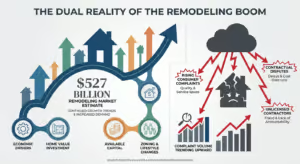
While U.S. homeowners spent an impressive $567 billion on remodeling in 2022, a 15% increase from the previous year, a troubling amount of this investment doesn't add new value. Instead, it gets re-directed to correcting errors, addressing poor craftsmanship, or salvaging botched projects. This widespread issue leads to significant financial and emotional strain for homeowners. Phoenix, Arizona, with its rapid growth and diverse contractor landscape, is particularly susceptible to the risks of substandard work. This report dives deep into the true financial and collateral costs of bad remodels, exposing the prevalence of disputes, the severe monetary penalties homeowners face, and the underlying causes of project failures. Through data and real-world case studies, we illuminate the profound impact of flawed renovation work and offer strategies to mitigate these expensive mistakes.
Key Takeaways
- Homeowners spend billions annually fixing bad remodels, not adding new value.
- Over 74% of renovators express regret, with nearly 80% exceeding their budget.
- Fixing a single major mistake costs homeowners an average of $1,984, on top of initial project costs.
- Rework accounts for 5-9% (and sometimes up to 15%) of total construction project budgets.
- In Phoenix, remediation costs are particularly high, often forcing homeowners to pay for remodels twice.
- Post-pandemic market conditions (material spikes, labor shortages) exacerbated poor workmanship issues.
- Homeowner's insurance typically does not cover poor workmanship, leaving property owners to bear the full cost of repairs.
1. Executive Summary
Home remodeling represents one of the largest financial outlays for many homeowners, often seen as an investment to improve lifestyle, increase property value, or meet changing needs. However, a significant portion of this spending, totaling billions of dollars annually, is not being invested in new value. Instead, it is spent on fixing mistakes, correcting poor workmanship, or otherwise remediating flawed projects. This problem is widespread across the United States. It creates substantial financial and emotional burdens for homeowners. The issue is especially clear in rapidly growing areas like Phoenix, Arizona, where high demand and a mix of contractors can lead to increased risks of subpar work. This report examines the true cost of bad remodels, highlighting the frequency of disputes, the financial penalties faced by property owners, and the common reasons why projects go wrong. It presents data-driven insights and real-world examples, including experiences from Phoenix Home Remodeling, to show the severe consequences of faulty renovation work. The report also outlines best practices to prevent these costly errors.
The Significant Scale of Home Remodeling Expenditures and Their Associated Problems
Spending on home renovations has reached historical highs. In 2022, U.S. homeowners spent approximately $567 billion on remodeling projects[1]. This represents a 15% increase from 2021[1]. Over a two-year period ending in 2023, Americans invested about $827 billion in home improvements. This is $200 billion more than in the previous two-year period[8]. Such substantial investment suggests a strong desire among homeowners to enhance their properties. However, a significant portion of this money does not contribute to new value. Instead, it is used to correct errors and fix poor quality work[2].
The home improvement sector consistently ranks high in consumer complaints. For the second consecutive year in 2018, it was the second most complained about industry nationally, just behind auto sales[4]. Common complaints include shoddy work, unfinished jobs, and projects that leave homeowners with unsafe or unusable spaces[4]. These issues often result in significant financial losses for homeowners. This high volume of complaints shows a persistent problem within the industry.
Homeowners frequently express regret about their renovation projects. A 2024 survey showed that about 74% of renovators had some regrets about their projects[5]. Almost 80% reported that they exceeded their budgets on their last renovation[6], and approximately two-thirds went into debt to pay for the work[7]. A striking finding is that nearly half of those surveyed liked their house more before the remodel[5]. These statistics highlight a disconnect between homeowner expectations and project outcomes. They also point to the financial strain that comes with unexpected costs.
The Direct Financial Costs of Fixing Mistakes
Mistakes in renovation projects come with a heavy price tag. Homeowners who encountered a major error during a project spent an average of $1,984 to fix the worst mistake[3]. This cost is in addition to the original project budget. In the broader construction industry, rework-that is, redoing work due to errors or poor quality-typically consumes 5-9% of the total project budget[9]. In some cases, rework can account for as much as 12-15% of costs[9]. This spending adds no value to the project; it only increases costs and causes delays. The U.S. construction industry loses about $31.3 billion annually to rework[9]. Each rework incident costs an average of $8,300 and causes about 3.4 days of delays[9]. For a homeowner, these delays mean more time living in a disrupted environment and potential additional expenses.
In the Phoenix area, these remediation needs are particularly evident. Maricopa County, which includes Phoenix, saw 250 contractor complaints in a single month (February 2026)[10]. Local remodel costs are substantial. A mid-range kitchen remodel in Phoenix costs approximately $25,000 to $45,000[11]. High-end kitchen projects can exceed $125,000[11]. A standard 5'x7' bathroom remodel averages $18,000 to $35,000[11]. If a homeowner has to redo a "bad" remodel, they might pay these amounts twice. Contractors like Phoenix Home Remodeling frequently receive calls to gut and redo faulty work, such as leaky showers. This means homeowners effectively pay for two remodels because the first one failed[12].
The financial consequences of bad remodels are summarized in the following table:
| Cost Category | Description | Average Impact / Data Point |
|---|---|---|
| Direct Repair Costs | Cost to fix specific mistakes or poor workmanship. | $1,984 per worst mistake[3] |
| Rework Percentage | Percentage of project budget spent redoing faulty work. | 5-9% of total project costs[9] (up to 15%) |
| Phoenix Kitchen Remodel | Cost of a typical kitchen remodel in Phoenix. | $25,000 - $45,000 (mid-range)[11] |
| Phoenix Bathroom Remodel | Cost of a typical bathroom remodel in Phoenix. | $18,000 - $35,000 (standard)[11] |
| Construction Rework Annual Loss (U.S.) | Total money wasted on rework in the U.S. construction industry. | $31.3 billion annually[9] |
| Cost of Unpermitted/Code Violations | Costs associated with fixing work done without permits or to code. | Hundreds to over $25,000, plus fines[14]; one case: $12,000[14] |
Post-Pandemic Pressures and Hidden Costs
Recent market conditions have worsened the situation. The COVID-19 pandemic led to increased demand for home renovations, which, combined with supply chain disruptions, caused material prices to spike. For example, lumber prices increased nearly 90% year-over-year in spring 2021[13]. Qualified labor became scarce. As a result, many contractors overcommitted or cut corners, leading to a surge in complaints about incomplete or substandard projects between 2021 and 2022[13]. Fixing these problems often costs much more than doing the job correctly the first time. Homeowners often cannot rely on insurance to cover these costs. Homeowners insurance policies typically do not cover poor workmanship or contractor negligence[15]. While insurance might cover collateral damage (such as water damage from a leaky pipe), it will not pay to correct the faulty work itself[15]. This leaves homeowners to pursue the contractor or pay for the repairs themselves, adding to their financial strain and stress.
Common Causes of Costly Mistakes
Several factors contribute to remodels going wrong. One major cause is under-scoping and low bids. Some contractors may low-ball initial bids to secure a project, then increase the price later with change orders[12]. Others may simply underestimate the complexity of a project due to inexperience. This often leads to corners being cut or homeowners facing unexpected costs. Insufficient planning and design errors also play a role. A lack of detailed planning can result in expensive mistakes. For instance, design errors account for 52% of rework in construction projects[19]. These include incorrect measurements or plans that do not match site conditions.
The engagement of unlicensed or unqualified contractors is another frequent cause of problems. Such contractors may lack knowledge of building codes, proper techniques, or adequate safety practices. They may also disappear if problems arise, leaving homeowners with unfinished or unsafe work. Not obtaining proper building permits or following code requirements can also lead to significant remediation costs, including fines and the need to redo all non-compliant work. Permitted jobs can still go wrong if contractors ignore code requirements, leading to issues like chronic leaks from improperly sloped shower floors.
External pressures, such as material shortages and labor scarcity, as seen during the post-pandemic period, also contribute to poor quality work. The rush to complete projects, coupled with high material costs and a shortage of skilled labor, led to rushed work and increased complaints about substandard projects[13].
Who Bears the Cost?
When a remodel goes wrong, the homeowner typically bears the financial burden. As noted, homeowners insurance generally does not cover poor workmanship[15]. This means owners must either seek compensation from the contractor or pay for the corrections themselves. Reputable contractors have an incentive to avoid shoddy work. Callbacks reduce profits and damage their reputation. Licensed contractors who perform poorly can face complaints to state boards, potentially leading to financial penalties or loss of license. However, pursuing legal action can be time-consuming and costly, with uncertain outcomes. A homeowner in Gilbert, Arizona, whose house was ruined by a faulty roof repair, received an arbitration award that was not enough to rebuild his home[6]. This highlights the limitations of legal recourse.
Phoenix Home Remodeling, for example, often receives calls from homeowners needing "fixes for someone else's mistakes"[12]. This is a common situation that arises from the failure of a previous contractor. The burden then falls on the homeowner to find a new, reliable professional to correct the problems. This often means paying a second time for the same work.
Preventive Measures for Homeowners
The research emphasizes that preventing remodeling mistakes is far more cost-effective than fixing them later. Adopting a preventive mindset can save homeowners tens of thousands of dollars in remediation costs. Key strategies include:
- Thorough Vetting of Contractors: Homeowners should check licenses, insurance, and references carefully. It is important to verify a contractor's license with the state board and review their complaint history. Getting multiple detailed bids and being cautious of unusually low bids are also important steps[16].
- Insisting on a Detailed Contract and Scope: A clear, specific contract that defines the work, materials, and timeline can prevent misunderstandings and disputes. The contract should also clearly address permits and inspections[17].
- Planning for the Unexpected: Financial experts recommend setting aside a 10-20% contingency fund in the budget to cover unforeseen issues[16]. This buffer helps to ensure that the project can be completed correctly even if surprises arise.
- Staged Payments: Homeowners should avoid paying the entire project cost upfront. A typical payment structure involves a reasonable deposit (e.g., 10-20%), followed by progress payments tied to milestones, with a final payment withheld until the project's completion and homeowner satisfaction[18].
- Using Quality Materials and Qualified Labor: Investing in durable materials and ensuring all workers are skilled and certified for their specific trades can prevent future issues. This is especially true for critical components like electrical, plumbing, or structural work.
- Monitoring and Communication: Regular check-ins at the work site and maintaining open communication with the contractor can help catch potential problems early, before they become major issues.
Conclusion
The data clearly shows that bad remodels are a significant problem for homeowners, leading to substantial financial and emotional distress. With billions of dollars spent annually on renovations, the portion dedicated to fixing mistakes represents a major waste of resources. The experiences of homeowners in Phoenix and across the country highlight the importance of careful planning, thorough contractor vetting, and strong contracts. By taking preventive measures, homeowners can greatly reduce their risk of falling victim to poor workmanship and avoid the heavy burden of paying twice for the same work. The next section will analyze in depth the specific costs associated with various types of remediation work, offering a more detailed breakdown of these expenses.

2. Current State of Home Remodeling
The home remodeling sector in the United States is currently experiencing a period of significant activity and financial investment. In 2022, U.S. homeowners spent a record $567 billion on remodeling projects[1]. This figure represents a 15% increase from the spending levels seen in 2021[1]. Over a two-year span ending in 2023, Americans invested approximately $827 billion into home improvement activities[8], which is $200 billion more than the prior two-year period. This substantial increase in spending, a 32% surge, highlights a strong demand for home renovation and a willingness among homeowners to invest in their properties[8]. This period, particularly shaped by influences such as the pandemic, has led to a boom in renovation projects. However, alongside this growth in spending, there are notable concerns regarding project quality, consumer satisfaction, and the financial impact of mistakes.
Despite the high financial outlay, a considerable portion of this investment does not contribute to new value but is instead directed toward correcting errors or fixing poor workmanship[2]. This suggests that while homeowners are eager to improve their living spaces, many encounter problems that require additional, unplanned expenditures. The home improvement industry consistently faces a high volume of consumer complaints, ranking second nationally, just after auto sales[4]. Common issues cited in these complaints include shoddy work, incomplete projects, and fraudulent practices, which often leave homeowners with financially draining situations and properties that are either unsafe or unusable[4].
The prevalence of these issues leads to widespread regret among renovators. Approximately 74% of homeowners report some level of regret about their renovation projects[5]. A significant majority, nearly 80%, exceeded their budget on their last renovation[6], with about two-thirds incurring debt to fund these projects[7]. Compounding this dissatisfaction, almost half of the homeowners surveyed expressed that they preferred their homes before the remodeling work took place[5]. This section will examine these issues in detail, exploring the scope of home renovation activities, the persistent challenges that lead to flawed projects, and the financial and emotional consequences for homeowners.
The Scale of Home Improvement Spending and Resulting Problems
The financial commitment to home renovation is at an all-time high. The $567 billion spent in 2022 represents a substantial sum, indicating that homeowners view property improvement as a key investment[1]. This surge can be attributed to various factors, including increased time spent at home during and after the pandemic, rising property values, and low interest rates that encouraged borrowing for improvements. However, this financial commitment does not always translate into successful outcomes. Research shows that home improvement contractors are one of the most complained-about industries in the U.S.[4]. For instance, in 2018, home improvement contractors ranked as the second most complained-about industry, a position they held for two consecutive years, with frequent complaints involving unfinished or shoddy work[4].
The scale of these complaints is evident at local levels as well. In Maricopa County, Arizona, which includes Phoenix, 250 contractor complaints were filed in February 2026 alone[11]. This local data reflects a broader national trend where a significant number of remodel projects encounter problems. The Arizona Registrar of Contractors (ROC) data consistently shows Maricopa County leading the state in these types of complaints[11]. These numbers highlight that thousands of homeowners in the Phoenix area each year formally report issues with contractors, underscoring the widespread nature of "bad remodel" incidents that may require costly remediation.
The consequences for homeowners are often severe. Many individuals find themselves in situations where unsafe or unusable spaces are left behind, leading to unexpected financial losses[4]. The direct cost of fixing errors can be substantial. Homeowners who encountered a major error during a project spent an average of an extra $1,984 to fix the worst mistake[3]. This figure only accounts for a single significant error; projects with multiple issues can quickly see these remediation costs escalate.
Table 1 provides a summary of key national home remodeling statistics, illustrating the overall financial commitment and the widespread nature of related problems:
| Statistic | Value | Source | Implication |
|---|---|---|---|
| U.S. Home Remodeling Spending (2022) | $567 billion (+15% from 2021) | Harvard Crimson[1] | Highest annual spending on record, indicating a high volume of projects. |
| Total Home Improvement Spending (2022-2023) | $827 billion | NerdWallet[8] | 32% surge over previous two-year period, showing increased activity and potential for issues. |
| Consumer Complaints Ranking (Home Improvement Contractors) | #2 nationally (2018) | JLC Online[4] | Consistent high volume of complaints, reflecting chronic issues in the sector. |
| Homeowner Regret Rate | 74% of renovators have regrets | Fortune[5] | A vast majority of projects lead to some level of dissatisfaction. |
| Budget Overrun Rate | Nearly 80% went over budget | Fortune[6] | Underestimation of costs is common, leading to financial strain or cut corners. |
| Debt Taken for Renovations | 66% of homeowners took on debt | Fortune[7] | Financial strain is amplified when unexpected costs or rework arise. |
| Average Cost to Fix Worst Mistake | $1,984 | Moneywise[3] | Individual component errors add significant unplanned costs. |
| Typical Construction Rework Percentage | 5-9% of total project budget | Helonic[9] | A substantial portion of project funds are wasted on redoing work. |
The prevalence of these issues suggests that the home improvement sector, despite being a major economic contributor, struggles with consistent quality control and consumer protection. This creates a challenging environment for homeowners and reliable contractors alike, as trust can be hard to establish and maintain.
Homeowner Regret and Budget Overruns
Beyond the financial statistics, the emotional and personal impact of problematic remodels is significant. A survey by Clever Real Estate in 2024 revealed that 74% of homeowners who completed renovations ended up regretting some aspect of their project[5]. These regrets can stem from design choices, unexpected costs, or poor workmanship. Remarkably, almost half of the surveyed homeowners (nearly 1 in 2) even stated they felt their home was better before the remodel[5]. Such profound dissatisfaction indicates a systemic issue where homeowners' expectations are frequently not met, leading to further expenses or a diminished sense of satisfaction with their living space.
Budget overruns are a common experience, with nearly 80% of U.S. homeowners exceeding their budget on their last renovation[6]. This statistic is critical because underestimating costs often leads to difficult decisions mid-project. Homeowners might cut corners, use cheaper materials, or rush the work to stay within financial limits, all of which can contribute to suboptimal results that require future fixes. Furthermore, about 66% of homeowners took on debt, such as loans or credit cards, to finance their home improvement projects[7]. When unforeseen remediation costs arise, this existing debt amplifies the financial strain, often forcing homeowners to accrue even more debt to rectify mistakes. Borrowing money to fix a contractor's errors or to complete an over-budget remodel means paying interest on the remediation costs, creating a compounding negative financial effect.
The cost of renovation mistakes can be specific and substantial. Homeowners experiencing errors spent an average of $1,984 to correct the single worst mistake[3]. This expense represents money that could have been used for further home upgrades or personal savings. Within the overall construction industry, rework-the process of redoing work that was done incorrectly-typically accounts for 5% to 9% of total project costs[9]. In some cases, this figure can rise to 12-15% due to severe or cascading issues[9]. For a modest $50,000 remodel, this could mean an additional $2,500 to $7,500 spent purely on correcting errors, with no added value to the property. This wasted expenditure also burdens homeowners but also highlights inefficiencies within the construction process itself.
Beyond explicit monetary costs, the hidden expenses of a bad remodel include increased stress, significant time delays, and in some unfortunate situations, legal battles[14]. One of the most significant hidden risks is the limited scope of homeowners' insurance. Policies typically do not cover poor workmanship or negligence by a contractor[14]. While insurance might cover collateral damage (e.g., water damage from a burst pipe caused by faulty installation), it will not cover the cost of redoing the original faulty work itself[14]. This leaves homeowners responsible for rectifying the original problem, often requiring them to pursue the contractor directly for recourse or bear the costs themselves.
Post-Pandemic Market Pressures and Local Impact
Recent market conditions have exacerbated many of these challenges. The period during and immediately following the pandemic saw intense pressures on the construction and remodeling sectors. Material prices spiked significantly; for example, lumber prices increased nearly 90% year-over-year in early 2021[13]. This rapid inflation in material costs sometimes forced contractors to make compromises, potentially using lower-quality materials or making mid-project adjustments that affected overall quality. Concurrently, there was a scarcity of qualified labor, leading to situations where contractors might have overcommitted to projects or cut corners to meet demand[15]. The Better Business Bureau reported a "surge" in complaints during 2021-2022 concerning incomplete or substandard projects, directly linking these issues to the pressures of the post-pandemic construction boom[15]. Fixing these types of problems often incurs costs far exceeding what it would have taken to complete the work correctly the first time.
In the Phoenix metropolitan area, these national trends manifest with specific local impact. Average costs for typical remodeling projects are substantial, underscoring the financial risk involved if a project goes wrong. A mid-range kitchen remodel in Phoenix typically ranges from $25,000 to $45,000[11], while high-end kitchen projects can exceed $125,000[11]. A standard 5'x7' bathroom remodel in Phoenix costs between $18,000 and $35,000[11]. These figures demonstrate that if a remodel fails, homeowners face the prospect of paying tens of thousands of dollars again to fix or re-do the poor-quality job. Local contractors, such as Phoenix Home Remodeling, frequently encounter situations where they are called to demolish and rebuild faulty work, such as leaky showers, highlighting that homeowners often effectively pay for two remodels due to the failures of the first[12].
The hidden costs of unpermitted or code-violating work further add to homeowner risk. Correcting such issues can range from a few hundred dollars to over $25,000 depending on the severity and type of violation[13]. For example, one homeowner paid $12,000 to repair a failing basement wall discovered during an inspection[13]. Additionally, fines from city or county authorities for unpermitted work can range from hundreds to thousands of dollars[13], further burdening homeowners. This means that attempts to save money or time by sidestepping permits and codes often backfire, leading to much larger costs in the long run for engineering assessments, reconstruction, and penalties. The situation underscores the importance of a preventive mindset: investing in thorough planning, realistic budgeting (including a 10-20% contingency fund[11]), and selecting licensed, reputable remodelers can prevent substantial remediation costs later[11].
The current state of home remodeling is characterized by high financial input from homeowners, broad consumer dissatisfaction, prevalent budget overruns, and a significant cost burden from rework and remediation. These challenges are amplified by market pressures and specific local conditions, making careful contractor selection and project management essential for homeowners. The following section will examine specific instances of "bad remodels" and their costs, providing concrete examples of these challenges.

3. Phoenix-Specific Remodel Problems
Home remodeling projects in Phoenix, like elsewhere, represent a significant investment for homeowners. However, a portion of this investment often goes to fixing mistakes or addressing poor workmanship. This section examines the specific challenges and costs associated with bad remodels in the Phoenix area, focusing on local complaint data, typical project costs, and real-world examples of remediation work.
The Local Scale of Remodeling Issues in Phoenix
The home improvement sector regularly receives a high volume of consumer complaints nationwide, ranking second only to auto sales in this regard[4]. Common complaints include shoddy work and unfinished jobs, which can leave homeowners with unsafe or unusable spaces and substantial financial losses[4]. The Phoenix metropolitan area, particularly Maricopa County, strongly reflects these national trends.
In February 2026 alone, Maricopa County recorded 250 contractor complaints[11]. This number, based on data from the Arizona Registrar of Contractors, shows the ongoing volume of problems homeowners face with contractors. Maricopa County consistently reports the highest number of such complaints in Arizona. These complaints highlight the local impact of projects that go wrong, often needing costly remediation efforts. Thousands of Phoenix-area homeowners each year formally report issues with contractors, demonstrating the significant local scale of bad remodel incidents[11].
Many homeowners who renovate experience regret about some aspect of their project. A 2024 survey found that 74% of renovators had some regrets, and nearly half felt their home was better before the remodel[5]. This suggests that even when projects are completed, the outcomes may not meet expectations, potentially leading to further desired changes or corrections.
The financial implications of these issues are considerable. Across the construction industry, rework - the process of redoing work improperly done - typically accounts for 5% to 9% of total project budgets[9]. In some cases, this figure can reach 12-15%[9]. Nationally, the U.S. construction industry wastes about $31.3 billion annually on rework, with an average rework incident costing around $8,300 and causing 3.4 days of delay[10]. For individual Phoenix homeowners, these statistics mean that a significant portion of their remodeling investment may be spent on fixing prior mistakes. For example, a $50,000 remodel could incur $2,500 to $7,500 in rework expenses alone from common issues. This is money that does not add new value but simply corrects existing errors, representing a direct financial loss.
Typical Remodel Costs and the Impact of Rework in Phoenix
The cost of remodeling in Phoenix is substantial, making the impact of bad remodels even more pronounced. Understanding these base costs helps to grasp the financial burden when rework becomes necessary. Below are typical cost benchmarks for common remodeling projects in Phoenix:
| Remodel Type | Typical Mid-Range Cost in Phoenix | Notes |
|---|---|---|
| Kitchen Remodel | $25,000 - $45,000[12] | High-end kitchens can exceed $125,000[12]. |
| Standard 5'x7' Bathroom Remodel | $18,000 - $35,000[12] | Includes basic fixtures, flooring, and standard finishes. |
When a remodel goes wrong, homeowners might find themselves paying twice for the same project. If a kitchen remodel costing $30,000 is executed poorly, forcing a complete redo, the total cost effectively doubles to $60,000 or more. Contractors in the Phoenix area, including Phoenix Home Remodeling, frequently receive calls from homeowners needing faulty work to be gutted and redone, such as leaky showers that require complete rebuilding[13]. This means homeowners incur the cost of two remodels because the first one failed to meet quality standards or was incomplete.
For instance, a homeowner who experiences a major error during a renovation might spend an additional $1,984 on average to fix the worst mistake[8]. This is an average for a single error. If a project has multiple issues, these costs accumulate rapidly. This extra spending adds no new value to the home but merely rectifies previous errors. This situation is further complicated by the fact that nearly 80% of U.S. homeowners exceed their budget on renovations[6], and about 66% take on debt to finance these projects[7]. When unexpected remediation costs arise, they can push homeowners deeper into debt or force them to make undesirable compromises on the repair work.
Reasons for Remodel Failures and Associated Remediation Costs in Phoenix
Several factors contribute to remodels going wrong, often specific to the construction environment, including that of Phoenix:
Insufficient Planning and Low Bids
One primary cause of poor remodel outcomes is inadequate planning and the selection of contractors based solely on low bids. Some contractors may offer unrealistically low bids to secure a job, only to increase the price later through change orders or hidden costs[23]. Alternatively, inexperienced contractors may simply underestimate the scope of work, leading to under-scoping and quality issues[24]. For example, a budget kitchen remodel estimate might omit essential electrical upgrades or proper waterproofing, which become apparent only during construction. When these oversights come to light, either the project's quality suffers due to budget constraints, or the homeowner faces increased costs to complete the work correctly.
Experts in renovation emphasize that a lack of detailed design and planning often results in costly mistakes[25]. Design errors or omissions cause over half of construction rework, such as incorrect measurements or plans that do not align with site conditions[26]. For example, building a wall according to faulty plans may require demolition and rebuilding if it does not meet code, leading to extra framing and drywall expenses. Proper upfront planning is crucial to mitigate these risks and avoid significant additional costs later.
Unlicensed or Unqualified Contractors
Hiring unlicensed or unqualified contractors is a significant risk. Such individuals or companies often lack knowledge of local building codes, proper construction techniques, or have insufficient crew. Their work may appear acceptable superficially but might be structurally unsound or unsafe. Unlicensed contractors also lack accountability; if they perform poorly, they can disappear without consequences, as they have no license or reputation to protect. Examples include contractors taking large deposits and then abandoning projects after minimal work.
In a case highlighted by the Consumer Federation of America, a contractor took $180,000 for an addition and then fled the country[27]. This left the homeowner with a half-finished structure and no way to recover the money. While this specific instance did not happen in Phoenix, it illustrates a common risk. Local authorities like the Arizona Registrar of Contractors aim to protect consumers by offering licensed contractor information and avenues for complaint, but the onus is on the homeowner to verify credentials.
Permit and Code Shortcuts
Failure to obtain proper building permits or to follow local codes is another common cause of problematic remodels. Work performed without permits may go unnoticed until a homeowner tries to sell the property or an inspector finds out. At that point, homeowners face expensive retroactive fixes. For example, an unpermitted finished basement might require opening up walls to prove compliance with wiring, insulation, and structural codes. If the work is not up to code, it must be redone, incurring significant financial penalties and direct repair costs[14]. Fines for unpermitted work can range from hundreds to thousands of dollars, on top of the repair costs[14]. Cutting corners on compliance may seem to save time and money initially, but it typically results in much higher remediation costs later.
For example, one homeowner paid $12,000 to repair a failing basement wall discovered during an inspection, underscoring the costs of addressing hidden code violations[14].
Post-Pandemic Market Pressures
Recent market conditions, particularly during the post-pandemic period, exacerbated remodeling problems. Material prices, such as lumber, nearly doubled in 12 months in early 2021[15]. This led some contractors to use cheaper or more readily available alternative materials that were not always of equivalent quality. Simultaneously, a scarcity of skilled labor meant many contractors overcommitted or used less experienced workers[16]. The Better Business Bureau reported a "surge" in complaints about unfinished or shoddy projects during 2021-2022 because crews were spread thin[16]. This environment resulted in rushed work, reduced supervision, and quality issues that necessitate remediation work later. Fixing these problems often costs significantly more than doing the work correctly from the start, as demonstrated by the increase in complaints.
Who Pays the Price for Bad Remodels in Phoenix?
When a remodel project goes wrong in Phoenix, the financial burden primarily falls on the homeowner. Several factors contribute to this outcome:
Lack of Insurance Coverage: Homeowners insurance policies typically do not cover poor workmanship by a contractor[7]. While they might cover collateral damage (e.g., water damage from a burst pipe caused by faulty plumbing), they will not cover the cost of repairing the faulty work itself[7]. This leaves homeowners accountable for paying for corrections out-of-pocket or pursuing legal action against the contractor, which can be a lengthy process with uncertain outcomes.
Contractor Liability and Reputation: Reputable contractors prioritize avoiding botched jobs to protect their profit margins and reputation. Complaints filed with state contractors boards, such as the Arizona Registrar of Contractors, can lead to corrective action, license suspension, or involvement of bonding companies. Ethical contractors will often correct their mistakes at no additional charge to the homeowner. However, this relies on the contractor being responsible and solvent. Phoenix Home Remodeling, for example, notes that they frequently receive calls from homeowners needing fixes for problems created by other contractors, indicating that many original contractors do not always perform these corrections[13].
Limited Legal Recourse: Homeowners can pursue legal action, but it can be a challenging and time-consuming process. Many contracts include arbitration clauses. For instance, a Gilbert, AZ homeowner whose house was damaged by a faulty roof repair through a contractor hired via a large retailer went through years of legal fighting. While arbitration found the contractor at fault, the awarded compensation was not enough to cover rebuilding the home, leaving the family at a significant loss even after a favorable ruling[6]. If a contractor goes bankrupt or disappears, obtaining restitution becomes even more difficult. Many homeowners choose to pay another professional to fix the work directly, rather than enduring protracted legal battles.
Ancillary Costs and Property Value Impact: Beyond direct repair costs, bad remodels can lead to other financial losses. Delays can force homeowners to pay for temporary housing, incur storage costs for materials or furniture, or lose rental income if the property is an investment. In severe cases, a poorly executed remodel can reduce a property's market value, compounding the homeowner's financial losses. Therefore, the long-term cost can be much higher than just the initial repair estimate.
Phoenix-Specific Case Studies
Personal stories highlight the impact of bad remodels:
- Phoenix Home Remodeling Co-Owner's Experience: One of the co-owners of Phoenix Home Remodeling experienced multiple bad contractors during renovations of his own Phoenix home. An electrician's mistake fried the control board of his dishwasher and garbage disposal, requiring out-of-pocket replacement[42]. Another contractor improperly rebuilt a roof section, causing leaks throughout his living room. He paid approximately $1,500 to a roofing specialist to tear out and redo that area correctly[43]. These experiences, involving paying twice for repairs and undergoing stress, led him to establish a company focused on transparent pricing and quality. This illustrates that even smaller jobs can incur significant costs when done incorrectly.
- Phoenix Homeowner's Unfinished Patio: Tiffany Rosen, a Phoenix homeowner, hired a contractor found on Facebook for a backyard patio. She paid a substantial deposit, reportedly 40% of her annual salary, upfront[40]. Four months later, the patio remained an unfinished mess with crumbling concrete, and the contractor had disappeared[45]. She lost her investment and faced the need to pay a new contractor to start over. This case emphasizes the risks of paying large amounts upfront and the importance of thorough contractor vetting beyond social media reviews.
- Gilbert Roof Repair Nightmare: Eric Naddy, a homeowner in Gilbert, had his entire house demolished after a botched roof repair. In late 2020, he hired a contractor through a major retailer to fix a minor leak[46]. The poor repair work led to severe water intrusion and mold spread throughout the home, rendering it uninhabitable[47]. By 2024, the county declared the house structurally unsafe and ordered its demolition[48]. The Naddys spent $28,000 of their own money on demolition[49]. Arbitration found the companies at fault, but the awarded compensation was insufficient to rebuild his home[50]. This extreme example shows how a single faulty repair can lead to the loss of an entire home and that legal outcomes may not fully compensate for such catastrophic failures.
Avoiding Remediation Costs: Best Practices for Phoenix Homeowners
Preventing remodeling mistakes is significantly more cost-effective than fixing them. Homeowners in Phoenix can adopt several best practices to reduce the likelihood of needing costly remediation:
Thorough Contractor Vetting: The most crucial step is choosing a reputable contractor. Homeowners should verify licenses, insurance, and references. Checking the Arizona Registrar of Contractors website for active licenses and complaint histories is essential. It is important to interview multiple contractors, obtain detailed bids, and be cautious of bids that are significantly lower than others, as this can indicate shortcuts or hidden costs[36].
Detailed Contracts and Scope of Work: A comprehensive contract that outlines the specific work, materials, timelines, and payment schedules is critical. Vague agreements can lead to disputes and misunderstandings. Legitimate contractors will manage permitting and include it in the project plan. Any contractor suggesting bypassing permits is a red flag, as this can result in substantial future remediation costs and fines[14]. All agreements, including model numbers for fixtures, should be in writing to prevent miscommunication.
Contingency Budget: Unexpected issues often arise, especially in older homes, such as mold, faulty wiring, or structural problems. Financial experts recommend setting aside a 10-20% contingency fund in the budget[11]. For a $50,000 remodel, this means having an additional $5,000-$10,000 available. This buffer allows homeowners to address unforeseen problems correctly without compromising on quality or making budget-driven compromises that could lead to bigger issues later.
Staged Payments: Homeowners should never pay 100% of the project cost upfront[38]. A typical payment structure involves a reasonable deposit (e.g., 10-20%) to start, followed by progress payments tied to completed milestones, and a final payment withheld until all work is completed to satisfaction. This payment schedule provides the contractor with an incentive to address any issues and ensures the homeowner retains leverage throughout the project. The Phoenix patio case illustrates the severe consequences of paying too much upfront[40].
Quality Materials and Qualified Labor: Opting for substandard materials or unskilled labor to save costs can lead to early failures and the need for rework. Investing in durable, high-quality materials for critical components and ensuring that all labor is performed by qualified professionals (e.g., certified electricians and plumbers) is important. In Phoenix, selecting materials appropriate for the local climate and installers familiar with regional building challenges, such as expansive soil or monsoon weather preparation, can help avoid future remediation issues.
Project Monitoring and Communication: Active involvement and communication throughout the project are vital. Homeowners or their representatives should regularly check the work site and ask questions. Catching errors early, such as incorrect tile patterns before an entire floor is laid, is easier and less costly to fix. Maintaining open dialogue with the contractor can help address potential issues before they escalate into major problems requiring extensive repairs after completion.
The issues discussed in this section highlight the localized impact of bad remodels in Phoenix. The significant number of contractor complaints in Maricopa County and the high cost of typical remodeling projects mean that failures can be exceptionally expensive. By understanding these specific problems and adopting preventive measures, homeowners can better safeguard their investments and achieve successful project outcomes. The next section will explore the financial costs involved in rectifying these types of problems.

4. Financial Impact of Bad Remodels
Home remodeling represents one of the largest financial investments a homeowner can make, often second only to the initial home purchase itself. In 2022, U.S. homeowners collectively spent an rare $567 billion on renovations, marking a 15% increase from 2021 and establishing a new record for annual spending in this sector[1]. The two-year period ending in 2023 saw approximately $827 billion invested into home improvement projects across the United States, which is $200 billion more than the prior two-year duration[8]. This substantial surge in spending highlights a strong desire among homeowners to enhance their living spaces. However, a significant portion of this investment is not always well-spent. Unfortunately, a considerable amount is diverted to fixing errors or poor workmanship, rather than adding new, lasting value to the property[2]. This problem is not uncommon nationwide. The home improvement sector consistently ranks as the second most complained-about industry in the United States, just behind auto sales[4]. These complaints frequently concern issues such as shoddy work, incomplete jobs, or contractors failing to adhere to agreed-upon terms, leading to unusable spaces and significant financial losses for homeowners[3].
The financial impact of a poorly executed remodel extends far beyond the initial cost of the project. It often results in homeowners needing to pay twice for the same work: once for the initial, flawed project, and then again for remediation by competent professionals. This "cost of two remodels" scenario is a recurring theme in the industry. For example, local contractors like Phoenix Home Remodeling frequently receive calls to correct and rebuild faulty work, such as leaky showers, where the homeowner effectively pays for the work to be done a second time due to the first attempt failing[14]. This section will closely examine the direct and indirect financial consequences of bad remodels, including average repair costs, the percentage of project budgets consumed by rework, and the broader economic and personal strains placed on homeowners.
4.1. The Direct Costs of Remediation
The immediate financial burden of fixing a poorly done remodel is often substantial. These direct costs include the money spent to correct errors, replace damaged materials, and re-hire professionals to complete tasks that were initially done incorrectly or left unfinished. Data from various surveys and industry reports shed light on the tangible expenses homeowners face.
4.1.1. Average Repair Costs for Mistakes
When an error occurs during a renovation, homeowners face unplanned expenses. A Moneywise survey from 2024 revealed that homeowners who encountered a major error during a project spent an additional $1,984 on average to fix their single worst mistake[9]. This figure, while an average, illustrates that correcting even isolated issues can be expensive. In the context of a mid-sized renovation, such an unplanned expense could represent 5-10% of the total project cost, money that does not contribute to new value but merely rectifies a past problem. For example, replacing improperly installed flooring, re-tiling a shower, or fixing a miswired electrical outlet would fall into this category.
The overall construction industry also provides insight into the prevalence and cost of rework. Rework, defined as redoing work that was initially performed incorrectly, typically accounts for 5% to 9% of the total project costs in construction projects[10]. In some cases, particularly for projects with significant issues, this figure can reach as high as 12% to 15%[10]. This means that for every $10,000 spent on a remodel, between $500 and $900 might be spent redoing things that were not right the first time. For a $50,000 kitchen remodel, this could translate to $2,500 to $4,500 of wasted expenditure. This money is spent on tearing out faulty work, disposing of materials, and acquiring new materials and labor to properly execute the task.
Nationwide, the U.S. construction industry is estimated to lose approximately $31.3 billion every year due to rework - money expended on correcting preventable errors[11]. Each rework incident, on average, costs around $8,300 and causes approximately 3.4 days of delay[11]. For homeowners, these delays can result in extended periods of disruption, potentially requiring alternative living arrangements or additional storage costs, all while paying for the repair. The example of a leaky shower is a common one mentioned by professionals. If a shower pan is not properly installed or waterproofed, it can lead to water damage in walls, floors, and surrounding areas. Fixing this involves not just repairing the shower but also addressing any mold growth, drywall replacement, and structural repairs, magnifying the initial error's cost.
4.1.2. Phoenix-Specific Remediation Costs
Remodel costs in the Phoenix area are substantial, meaning that fixing errors or redoing faulty work can be particularly expensive. A mid-range kitchen remodel in Phoenix generally costs between $25,000 and $45,000, while high-end kitchen projects can exceed $65,000 to $125,000[12]. Similarly, a standard 5’x7’ bathroom remodel in Phoenix averages between $18,000 and $35,000[13]. If a homeowner has to pay these amounts a second time due to a failed initial project, the financial burden is doubled, highlighting the "cost of two remodels" scenario.
The Arizona Registrar of Contractors recorded 250 contractor complaints in Maricopa County, which includes Phoenix, in February 2026 alone[15]. This volume of complaints indicates a consistent need for remediation in the local market. Each complaint represents a potential financial loss for a homeowner, whether it requires formal legal action or merely hiring new professionals to pick up where a faulting contractor left off.
4.1.3. Hidden Costs of Unpermitted and Code-Violating Work
Beyond poor workmanship, another significant direct cost arises from work performed without proper permits or in violation of building codes. Correcting unpermitted or code-violating work can range from a few hundred dollars to more than $25,000, depending on the severity and type of issue[16]. For instance, an outdated electrical system installed without a permit might require extensive re-wiring and wall demolition to bring it up to code. One example cited is a homeowner who paid $12,000 to repair a failing basement wall discovered during an inspection[17]. Additionally, cities can impose fines of hundreds or thousands of dollars for work done without permits, further increasing the financial penalty[18].
These expenses often stem from contractors who either intentionally bypass permitting to cut costs or are simply unaware of the requirements, passing the risk onto the homeowner. The consequence is that homeowners must also pay for the corrective work but also face potential fines and delays until the job meets regulatory standards. Cutting corners on permits or code compliance often results in far greater expenditures later, when these issues are uncovered, for example during a home inspection before selling the property.
4.2. The Indirect Financial Impact
The true cost of a bad remodel extends beyond direct repair expenses, encompassing various indirect financial losses and intangible impacts.
4.2.1. Opportunity Costs and Lost Value
When a remodeling project goes wrong, the money spent on the failed project is also wasted but also represents an opportunity cost. This capital could have been invested elsewhere, saved, or used for other home improvements. Instead, it is tied up in a deficient project or remediation efforts. Additionally, a poorly executed or unfinished remodel can decrease property value. Prospective buyers may be deterred by visible defects or unaddressed code violations, often negotiating lower prices or even foregoing the purchase entirely. This means that a homeowner also loses the initial investment but also faces a diminished asset value.
The emotional and psychological toll, though not directly financial, also affects productivity and decision-making, which can have indirect financial consequences. The stress and frustration associated with battling contractors, managing remediation, and living in a disrupted home can lead to lost workdays, mental health costs, and strained relationships, all contributing to an overall sense of dissatisfaction that money cannot easily quantify.
4.2.2. The "Cost of Two Remodels" Scenario
The phenomenon of paying for two remodels due to the first one failing is a stark reality for many homeowners. Examples abound, from local Phoenix cases to nationwide statistics. Phoenix Home Remodeling often encounters situations where initial work, such as a shower installation, is so flawed that it must be completely demolished and rebuilt[14]. This means the homeowner pays for demolition, disposal, new materials, and installation again, effectively doubling the project cost. The local average cost for a bathroom remodel in Phoenix, ranging from $18,000 to $35,000[13], underscores the significant financial risk of such a scenario.
A tragic example from Gilbert, Arizona, illustrates this point dramatically. Homeowner Eric Naddy experienced extensive damage to his home due to a poorly executed roof repair. What started as a minor leak escalated into mold infestation and structural rot, ultimately leading to the county ordering the house's demolition[6]. Naddy spent $28,000 of his own money on the demolition alone[6]. While an arbitration process found the contractor partly at fault, the compensation awarded was insufficient to rebuild his home[6]. This case exemplifies the ultimate "cost of two remodels" where the first repair led to the complete loss of the original structure and significant out-of-pocket expenses for abatement. The homeowner effectively paid an initial amount for a roof repair, then spent far more to address its catastrophic consequences, culminating in the need to rebuild from scratch.
4.2.3. Debt Burden and Budget Overruns
Many homeowners already stretch their finances to undertake renovations. Nearly 80% of U.S. homeowners exceeded their budget on their last renovation project[7]. Furthermore, about 66% of homeowners took on debt, such as loans or credit cards, to finance these projects[7]. When unforeseen repair costs arise due to a bad remodel, this debt burden is magnified. Homeowners who must borrow more money to fix mistakes incur additional interest payments, transforming an already expensive project into a financially crippling one. This financial strain can lead to increased stress, delayed repayment schedules, and reduced financial flexibility for other essential needs.
The prevalence of regret among renovators further reflects this financial pain. About 74% of homeowners regret something about their renovation project[5]. Almost half of them even felt their house was better before the remodel[5]. This level of dissatisfaction often stems from projects costing more than expected, or failing to deliver the promised value, directly contributing to financial stress.
4.2.4. Lack of Insurance Coverage
A common misconception among homeowners is that insurance will cover the costs associated with a bad remodel. However, homeowners insurance policies typically do not cover damage caused by poor workmanship or contractor negligence[19]. For example, if a contractor improperly installs a new roof and it leaks, insurance might cover the water damage to the interior of the house (e.g., ceilings, walls), but it will not cover the cost of repairing or replacing the faulty roof itself[19]. This critical gap in coverage means that homeowners are often left to bear the full financial burden of correcting structural issues or defects caused by a contractor's errors. This places the onus entirely on the homeowner to pursue the contractor for rectification or pay for the remediation out-of-pocket, which can be an unexpected and costly hurdle.
4.3. Minimizing Financial Risk: Best Practices
Given the significant financial ramifications of bad remodels, implementing preventive measures is far more cost-effective than dealing with remediation. Strategic planning and careful contractor selection are crucial.
4.3.1. Thorough Contractor Vetting and Documentation
The primary defense against a financially devastating remodel is selecting the right contractor. Homeowners should carefully check licenses, verify insurance coverage, and contact references. For example, in Arizona, the state's Registrar of Contractors (ROC) website offers a tool to verify contractor licenses and view complaint histories. This process can filter out unqualified or disreputable contractors. It is also important to obtain multiple detailed bids and be cautious of bids that are significantly lower than others, as this can be a red flag for cut corners or hidden costs[20].
A comprehensive contract is equally important. It should clearly define the scope of work, materials to be used (including specific brands or models), project timeline, payment schedule, and terms for change orders. Vague contracts can lead to misunderstandings, disputes, and extra costs when issues arise. The contract should also specify that the contractor is responsible for obtaining all necessary permits and ensuring compliance with local building codes. If a contractor suggests bypassing permits, it is a warning sign that could lead to costly issues down the line.
4.3.2. Financial Planning and Contingency Funds
Even with thorough planning, unforeseen issues can arise, especially in older homes (e.g., discovering mold or outdated electrical systems once walls are opened). Financial experts and construction professionals recommend allocating a contingency fund of 10% to 20% of the total project budget[22]. For a $50,000 project, this means having an additional $5,000 to $10,000 readily available. This buffer allows homeowners to address unexpected problems without compromising the quality of the work or resorting to cutting corners elsewhere. If the contingency fund is not used, it can be a pleasant bonus to cover upgrades or offset other costs; however, its primary purpose is to safeguard against financial distress when surprises occur.
4.3.3. Payment Schedules and Project Oversight
Never pay the full project cost upfront. A common and advisable payment structure involves an initial deposit (typically 10-20%), followed by progress payments tied to the completion of specific project milestones, with a final payment withheld until the entire project is completed to satisfaction and all punch-list items are addressed[23]. This provides the contractor with an incentive to complete the work properly and on time, and gives the homeowner leverage if issues arise. One Phoenix homeowner reportedly lost 40% of her annual salary after paying a large deposit for a patio project that was never completed by a vanished contractor[24]. Such a situation could have been mitigated with a well-structured payment plan.
Active project monitoring and open communication with the contractor are also essential. Regular site visits and discussions help catch potential errors early, making them easier and less expensive to correct before they become major problems. A homeowner who notices a misalignment in tiling or an issue with a fixture installation early in the process can have it rectified with minimal disruption and cost, whereas discovering it at the very end would require significant rework.
4.4. Conclusion on Financial Impact
The financial impact of a bad home remodel can be profound, ranging from direct costs for repairs and rework to indirect losses such as diminished property value, increased debt, and significant emotional stress. The "cost of two remodels" scenario, where homeowners effectively pay twice for the same work, is a frequent and severe consequence of poor contractor selection or inadequate project oversight. In a busy market like Phoenix, where remodeling costs are considerable and consumer complaints persist, the financial risks are particularly high.
Preventive measures, including thorough contractor vetting, detailed contractual agreements, adequate contingency planning, and judicious payment structures, are essential to mitigate these risks. While it may seem more expensive upfront to hire a highly reputable contractor or allocate funds for contingencies, these investments are typically far less than the cost of remediating a botched project. The research consistently demonstrates that doing a remodel correctly the first time is significantly cheaper and less stressful than paying to fix mistakes later.
Moving forward, the next section will explore the personal, emotional, and safety repercussions of bad remodels, further highlighting why initial quality and due diligence are paramount.

5. Reasons Remodels Fail
Home renovation projects represent a significant investment for property owners. In 2022, U.S. homeowners spent an rare $567 billion on remodeling, marking a 15% increase from 2021[1]. This spending spree continued into 2023, with American homeowners investing approximately $827 billion in home improvement projects over a two-year period, an increase of $200 billion compared to the previous two-year span[8]. However, a significant portion of this large investment is diverted to rectifying mistakes or poor craftsmanship rather than adding new value[2]. The home improvement sector consistently faces a high volume of consumer complaints, ranking second nationally, just after auto sales[4]. Common issues include substandard work, unfinished jobs, and projects that leave spaces unusable or unsafe, often resulting in substantial financial losses for homeowners[4].
The prevalence of renovation regrets highlights the scale of the problem. About 74% of renovators express some form of regret about their projects[5]. A staggering 80% reported exceeding their budget, with approximately two-thirds resorting to debt to finance their renovations[6]. A telling statistic reveals that almost half of homeowners felt their house was better before remodeling, indicating deep dissatisfaction with the end result[5]. This section explores the various reasons why remodels fail, leading to costly remediation work and homeowner frustration. It examines factors such as inadequate planning, unqualified contractors, disregard for permits, and external pressures that contribute to these problems.
5.1 Inadequate Planning and Under-scoping
One of the primary reasons remodels fail is a lack of thorough planning and under-scoping of the project. A renovation project, regardless of its size, requires careful consideration of all its components, from design to execution. When initial planning is insufficient, significant problems can arise. Renovation experts frequently point out that the absence of detailed design and planning leads to expensive mistakes[25][26]. This can manifest in several ways:
- Unrealistic Budgeting and Low Bids: Homeowners often select contractors based on the lowest bid, which can be a critical error. Some contractors intentionally "low-ball" their bids to secure a project, only to increase the price later through change orders or unexpected costs[23]. Others, due to inexperience, genuinely underestimate the project's complexity or scope, leading to unexpected costs that can add tens of thousands of dollars to the final bill[24]. For example, a low-cost kitchen remodel estimate might not include necessary electrical upgrades to meet current codes or proper waterproofing required for long-term durability. As the project proceeds, these omissions become apparent, forcing homeowners to either accept lower quality work (if corners are cut to stay within a tight budget) or pay significantly more.
- Design Errors and Omissions: Skipping a comprehensive design phase can have costly consequences. If code compliance is not verified during the design stage, elements installed might fail inspection and require removal and reinstallation. The Construction Industry Institute (CII) found that design errors or omissions cause over half (52%) of all rework in construction projects[27]. These errors include incorrect measurements, designs that are not feasible for the existing structure, or plans that overlook specific site conditions. An example from the research details a homeowner whose contractor built a wall according to poorly drawn plans. This wall later had to be moved a few inches to meet code, resulting in extra framing and drywall work. This highlights that poor upfront planning increases the likelihood of costly errors on site.
- Lack of Specificity in Agreements: Vague contracts that do not clearly define the scope of work, materials, and timelines contribute to misunderstandings and disputes. A detailed contract should specify every aspect of the project, including brands and model numbers of fixtures, exact dimensions, and finishes. Without such specificity, contractors and homeowners may have different expectations, leading to disagreements about what was promised versus what was delivered. This lack of clarity often results in additional costs for "do-overs" or compromises on quality.
The financial impact of inadequate planning is substantial. Rework, which is the process of redoing work that was initially done incorrectly, typically consumes 5% to 9% of total project costs in the construction industry[10]. In some cases, this figure can rise to 12-15% due to compounded issues[10]. For a $50,000 remodel, this could mean an additional $2,500 to $7,500 spent purely on correcting mistakes, money that adds no new value to the project.
5.2 Unqualified Contractors and Poor Workmanship
Hiring an unqualified or unethical contractor is a direct path to a failed remodel. This issue is a major driver of consumer complaints in the home improvement industry. Contractors who lack the necessary skills, licenses, or ethical standards pose significant risks to homeowners.
- Unlicensed and Inexperienced Contractors: Unlicensed contractors often operate without a proper understanding of building codes or standard construction techniques. They might employ methods that appear correct on the surface but are structurally unsound or unsafe. Since they are not regulated, they have little accountability. If a job goes wrong, an unlicensed contractor can simply disappear without consequences, leaving the homeowner to bear the full cost of remediation. The Arizona Registrar of Contractors (ROC) data shows that Maricopa County, which includes Phoenix, received 250 contractor complaints in February 2026 alone[11]. Many of these complaints stem from issues such as unfinished work or shoddy craftsmanship.
- Ethical Lapses and Fraud: Even licensed contractors can engage in dishonest practices. The Consumer Federation of America documented a case where a contractor took $180,000 for an addition and then fled the country after demanding additional money beyond the contract[29]. Such instances of fraud leave homeowners with significant financial losses and incomplete projects. In Phoenix, homeowners have reported similar situations where contractors take substantial deposits, perform minimal work, or abandon projects entirely, forcing the homeowner to restart with a new professional, incurring double costs[46].
- Substandard Workmanship: Poor workmanship can range from minor cosmetic flaws to major structural issues that compromise safety and usability. Examples include improperly installed plumbing leading to leaks, faulty wiring creating electrical hazards, or inadequate structural support. Phoenix Home Remodeling frequently encounters situations where poorly executed work, such as leaky showers, must be completely gutted and rebuilt. This means homeowners effectively pay for two remodels due to the failure of the first one[14]. The story of Phoenix Home Remodeling's co-owner highlights this, as his own home's renovation faced issues like an electrician frying appliances and an improperly built roof section causing leaks, costing him about $1,500 to fix in one instance[42][43].
The consequences of hiring unqualified contractors are severe. Homeowners are typically responsible for covering the costs of rectifying poor workmanship, as standard homeowners' insurance policies generally do not cover such issues[7]. This gap in coverage means that property owners must either pursue legal action against the contractor (which can be a long and expensive process) or pay out-of-pocket for repairs.
5.3 Ignoring Permits and Building Codes
Attempting to bypass the permitting process or disregarding building codes is another common cause of renovation failure, often leading to significant remediation costs and legal trouble.
- Costly Retroactive Fixes: Homeowners often eschew permits to save time or money upfront, but this shortcut almost always backfires. Work done without permits can go unnoticed for a time, but issues often surface when the property is sold or when a municipal inspector identifies the unpermitted work. At that point, also are property owners faced with the cost of bringing the work up to code, but they may also incur substantial fines from the city, ranging from hundreds to thousands of dollars[15]. For example, finishing a basement or adding a room without permits may require opening up walls to expose wiring, insulation, and framing for inspection. If the work is not compliant, it must be redone.
- Safety and Structural Risks: Building codes are in place to ensure the safety and structural integrity of a home. Ignoring these codes can create significant hazards. Improperly installed electrical systems can lead to fires, plumbing errors can cause water damage and mold, and structural deficiencies can threaten the stability of the entire house. The case of Eric Naddy in Gilbert, Arizona, serves as a tragic example: a botched roof repair, likely due to code violations or poor practices, led to widespread mold and structural damage, resulting in the demolition of his entire home[47][48]. He spent $28,000 on demolition costs alone[49].
- Impact on Property Value and Sale: Unpermitted renovations can decrease a home's value or make it difficult to sell. Prospective buyers are often hesitant to purchase properties with such issues, fearing future legal or remediation costs. Real estate advisors warn that unpermitted renovations carry a "hidden cost" that often emerges during property transactions[30]. Rectifying these issues under duress, often during a sale, involves expedited work, additional permits, and potentially higher costs than if the work had been done correctly from the start.
The costs associated with fixing unpermitted or code-violating work can vary greatly, from a few hundred dollars for minor adjustments to well over $25,000 for complex issues, not including fines[15]. This demonstrates that cutting corners on permits rarely results in actual savings and typically results in much higher expenses in the long run.
5.4 External Factors and Market Pressures
Beyond internal project management and contractor issues, external market forces can also contribute to remodel failures. Recent years, particularly the period following the COVID-19 pandemic, have illustrated how rapidly changing market conditions can impact construction quality and costs.
- Material Shortages and Price Spikes: The pandemic triggered widespread supply chain disruptions, leading to material shortages and significant price increases. For instance, lumber prices soared by almost 90% year-over-year in early 2021[17]. These cost inflations can force contractors and homeowners to make difficult decisions mid-project. Some contractors might resort to using cheaper, lower-quality alternatives to stay within budget, which can compromise the durability and integrity of the renovation. Homeowners might also be asked to approve significant budget increases, or the project might stall due to material unavailability. A 2024 survey found that 25% of homeowners cited rising material costs as the biggest obstacle in their renovation[16].
- Labor Shortages and Overworked Crews: Concurrently with material issues, the construction industry experienced severe labor shortages, especially for skilled trades. Many contractors took on more projects than their limited workforce could realistically manage. This led to rushed work, less supervision, and the use of less experienced subcontractors, all of which contribute to a higher risk of errors and substandard quality. The Better Business Bureau reported a "surge" in complaints about unfinished or shoddy projects during 2021-2022, directly attributing it to these pressures[18]. When crews are stretched thin, the likelihood of mistakes increases substantially.
- Economic Pressure on Homeowners and Contractors: The financial strain from escalating costs can impact both parties. Homeowners might be pressured to shorten the project scope or accept compromises. For contractors, the pressure to maintain profitability amidst rising costs and labor challenges can lead to cutting corners or even abandoning projects if they become unprofitable, as seen in cases where contractors disappear after receiving deposits[29]. Many homeowners went into debt to finance their renovations, with approximately 66% taking out loans or using credit cards, amplifying the financial burden if the remodel fails[6].
These external pressures underscore the need for adaptability and strong contingency planning. A 10-20% contingency fund is recommended to absorb unexpected costs, whether due to material price changes or unforeseen issues discovered during construction[12]. Without this buffer, homeowners are more likely to face compromises in quality or incomplete projects that require further investment to rectify.
5.5 Remediation Costs and Insurance Limitations
When remodels fail, the costs for rectification can be substantial and are often borne by the homeowner, as insurance rarely covers such events.
- Homeowner's Financial Burden: The direct financial cost of fixing mistakes is significant. Homeowners who encounter errors during a renovation spend an average of $1,984 to correct their single worst mistake, according to a Moneywise survey[9]. This amount is on top of their original project budget and does not account for the cumulative cost of multiple errors. In cases of major failures, such as a full gut-and-rebuild, the cost can be equivalent to paying for the entire remodel twice. Phoenix Home Remodeling reports frequent calls to gut and redo faulty work, like leaky showers, effectively making homeowners pay for two remodels due to the failure of the first[14].
- Lack of Insurance Coverage: A critical aspect of remediation costs is that homeowners' insurance policies typically do not cover poor workmanship or contractor negligence[7]. While insurance might cover consequential damage (e.g., water damage to a ceiling from a leaky roof), it will not pay for the cost of repairing or replacing the faulty work itself (e.g., redoing the improperly installed roof)[7]. This insurance gap leaves homeowners directly responsible for the repair bill, often forcing them to confront the original contractor or pay out-of-pocket for a new one.
- Legal Recourse and Its Limitations: Homeowners can pursue legal action against a contractor for faulty work or project abandonment. However, this path is often time-consuming, expensive, and does not guarantee full restitution. Many contracts include arbitration clauses, which can lead to awards that are still insufficient to cover losses, as seen in the Gilbert, AZ, roof repair nightmare where the awarded compensation was not enough to rebuild the home[33]. Moreover, if contractors go out of business, flee, or declare bankruptcy, collecting a judgment can be impossible, making legal victories hollow. For homeowners, it often proves faster and less stressful to pay another professional to repair the work rather than enduring years of litigation for uncertain reimbursement.
- Hidden and Ancillary Costs: Beyond direct repair costs and legal fees, failed remodels carry hidden financial burdens. Project delays caused by mistakes can force homeowners to pay for temporary housing, storage costs for materials or furniture, or loss of rental income for investment properties. In extreme cases, a botched renovation can reduce the property's market value, compounding the financial blow a homeowner faces. Such a sequence illustrates how a seemingly "cheap" contractor can lead to the most expensive outcome in the long run.
5.6 Preventing Remodel Failures: Best Practices
The research emphasizes that preventing remodeling mistakes is substantially more cost-effective than fixing them after the fact. Adopting best practices from the outset can save homeowners tens of thousands of dollars in potential remediation costs.
- Thorough Vetting of Contractors: Selecting a qualified and reputable contractor is arguably the most critical step. Homeowners should always verify licenses, insurance, and references. Checking with state license boards (like the Arizona Registrar of Contractors) provides transparency regarding a contractor's active status and complaint history. Relying solely on social media recommendations can be risky, as demonstrated by the Tiffany Rosen case in Phoenix, where a contractor found on Facebook took a large upfront payment and abandoned the project[44][46]. It is important to interview multiple contractors, obtain detailed bids, and be skeptical of bids that are significantly lower than others, as this often indicates shortcuts or future cost increases.
- Insist on Detailed Contracts and Clear Scope: A well-defined contract is essential. It should explicitly outline every aspect of the project: the scope of work, materials to be used (including specific brands and models), timelines, and payment schedules. The contract should also specify responsibilities for obtaining permits and scheduling inspections. If a contractor suggests bypassing permits, it should be considered a major red flag, as this exposes homeowners to substantial future risks and costs. Clear, detailed documentation minimizes misunderstandings and provides a legal reference point if disputes arise.
- Allocate a Contingency Fund: Even with careful planning, unexpected issues can emerge, especially in older homes (e.g., hidden mold, outdated wiring, structural surprises). Financial experts recommend allocating a contingency fund of 10-20% of the total project budget[12]. This financial buffer allows for unforeseen expenses to be addressed without compromising quality or requiring project delays or drastic cuts. Having this fund ensures that corrections can be made properly, preventing small problems from escalating into major remediation needs.
- Stagger Payments and Avoid Large Upfront Costs: A fundamental rule for homeowners is never to pay the full project cost upfront[40]. A typical payment structure involves a reasonable upfront deposit (e.g., 10-20%), followed by progress payments tied to the completion of specific milestones, and a final payment withheld until the entire project is completed to satisfaction and all punch-list items are addressed. This payment schedule incentivizes the contractor to complete the work correctly and on time, as the final payment provides leverage for the homeowner to ensure quality and completeness.
- Prioritize Quality Materials and Skilled Labor: While cost savings can be tempting, compromising on material quality or skilled labor often leads to long-term issues and eventual remediation. Opting for durable, reputable materials for critical components (e.g., plumbing, electrical, flooring) can prevent early failures. Similarly, ensuring that all tradespeople are qualified and certified for their respective tasks (e.g., licensed electricians, plumbers) is important. In regions like Phoenix, using materials suitable for the local climate (e.g., heat-resistant exteriors) and installers familiar with local building challenges can prevent issues specific to the area. Investing in quality upfront significantly reduces the likelihood of future repairs.
- Active Project Monitoring and Communication: Homeowners should stay engaged throughout the renovation process. Regular site visits and open communication with the contractor can help identify and address minor issues before they become significant problems. It is easier and less costly to correct a mistake, such as an incorrect tile pattern, early in the process rather than after completion. Good contractors value informed clients and maintain transparent communication, which helps ensure the project meets expectations and avoids costly surprises.
The lessons from past remodel failures are clear: proactive measures, careful planning, and careful selection of professionals are essential for a successful renovation. In the current market, where costs are already significant (a mid-range kitchen remodel in Phoenix costs $25,000-$45,000)[10], avoiding rework and remediation is not just about saving money, but also about protecting the significant investment a home renovation represents.
The next section will explore into the specific financial implications of these failures by examining the typical costs associated with remediation work in Phoenix. This will provide a clearer picture of the financial burden homeowners face when a remodel goes wrong.

6. Who Bears the Cost of Failed Projects
When a home remodeling project goes wrong, the financial and emotional burdens rarely fall equally on all parties. While contractors bear some liability and reputational risk, homeowners often find themselves in a challenging position, absorbing direct costs, dealing with insurance limitations, and navigating complex legal pathways with mixed results. This section explores how the costs of suboptimal remodels are distributed, examining the homeowner's financial exposure, the restricted role of insurance, the contractor's accountability, and the practical realities of seeking legal recourse.
Homeowners Often Foot the Bill
The most significant and immediate impact of a failed remodeling project is typically felt by the homeowner. After making a substantial investment, they often discover they must spend even more money to correct problems that should not have existed in the first place [1]. This can mean paying for the "same work" multiple times.
Data shows that an average homeowner who encounters a major error during a renovation spends about $1,984 to fix that single mistake [2]. This figure may seem manageable for a small issue, but many projects involve multiple errors, or a single mistake can have cascading effects. For example, a poorly installed shower pan can lead to water damage that necessitates tearing out also the shower but also surrounding walls and flooring, multiplying repair costs substantially [3].
The concept of "rework" is common in construction, representing work that must be redone due to initial errors or omissions [4]. Industry averages suggest that rework accounts for 5% to 9% of total project costs in general construction [4]. In some cases, rework can go as high as 12% to 15% [4]. For a mid-range kitchen remodel in Phoenix, costing $25,000 to $45,000 [5], a 5% rework cost would be an additional $1,250 to $2,250. If rework reaches 15%, this would be an extra $3,750 to $6,750. This money adds no value to the project; it merely brings the work to the expected standard. Local contractors like Phoenix Home Remodeling report frequently encountering situations where homeowners must effectively pay for two remodels due to the first one being done poorly [3]. Cases of leaky showers requiring complete demolition and reconstruction are common examples [3].
Beyond direct repair costs, homeowners incur many secondary expenses. Delays caused by faulty work can force families to spend extra on temporary housing if their home becomes unlivable, like in the case of Eric Naddy in Gilbert, Arizona, whose home was ultimately demolished due to mold from a botched roof repair [6]. Storage costs for materials or furniture, and lost rental income for investment properties, can also add to the financial burden. In extreme situations, persistent issues resulting from an inadequate remodel can reduce the property's market value, a long-term financial detriment.
A significant percentage of homeowners, about 74%, report regrets about their renovation projects [7]. Almost half of those surveyed even felt their home was better before the remodel [7]. These sentiments often arise from budget overruns, substandard quality, or design choices that did not meet expectations [8]. Nearly 80% of U.S. homeowners exceeded their renovation budgets in their last project [9], and about 66% took on debt to finance these projects [10]. This reliance on debt means that unexpected remediation costs lead to interest payments on top of the repair expenses, further squeezing homeowners financially.
A Phoenix homeowner, Tiffany Rosen, paid a contractor a large upfront sum (reportedly 40% of her annual salary) for a patio, only for the contractor to abandon the unfinished job [11]. She was left with crumbling concrete and no funds to hire another professional immediately. Her situation highlights the acute financial distress homeowners face when they lose their investment to incomplete or shoddy work and must find resources to start over [11].
The emotional toll also represents a significant cost. Homeowners describe feeling "beyond upset" when dealing with a botched project, leading to prolonged stress and disruption to their daily lives [12]. Living in a home that feels like a construction zone for months, or needing to move out for repairs, can severely affect mental well-being [12].
Limited Role of Insurance
Homeowners often believe their property insurance will cover the costs of fixing a poor remodel, but this is usually not the case. Homeowners insurance policies typically exclude coverage for poor workmanship or contractor negligence directly [13]. This means that if a contractor performs substandard work, the cost to correct that work is generally not covered by the homeowner's policy [13]. For example, if a roofer installs a roof incorrectly, and it leaks, the insurance policy might cover the water damage to the ceiling and interior (collateral damage), but it will not pay to tear off and reinstall the faulty roof itself [13].
This gap in coverage places the full financial burden for remediation on the homeowner or requires them to pursue the contractor directly. This can be a frustrating discovery for homeowners who have already spent a lot of money and are now faced with additional unexpected expenses. This limitation underscores the importance of thoroughly vetting contractors and securing strong contracts, as insurance provides little safety net for these specific issues.
The Arizona Registrar of Contractors (ROC) handles complaints against licensed contractors, but the process can be slow and does not always guarantee full financial recovery [14]. For homeowners, understanding these insurance limitations from the outset is important. It highlights why upfront due diligence, strong contracts, and careful payment schedules are crucial safeguards against faulty work, as insurance often does not bridge this financial gap.
Contractor Liability and Reputation
Reputable and licensed contractors have a strong incentive to avoid poor workmanship and resolve issues quickly when they arise. Their business depends on their reputation, including customer referrals, positive reviews, and a clean record with regulatory bodies [15]. Complaints filed with state licensing boards, like the Arizona ROC, can harm a contractor's standing, potentially leading to fines, suspension, or even revocation of their license [14]. According to the Arizona ROC, Maricopa County, which includes Phoenix, saw 250 contractor complaints in February 2026 alone [16], indicating the scale of reported problems.
When a project goes awry due to contractor fault, the contractor may be legally obligated to fix the work under the terms of their contract or state law. Quality contractors often include warranties or guarantees in their contracts, committing to correct any defects that appear after completion. This process means the financial cost of rework lands on the contractor, affecting their profit margins. Industry data suggests that rework incidents cost about $8,300 on average and cause 3.4 days of delays [17]. A contractor who constantly faces rework will see their operational efficiency and profitability decrease significantly [4].
Contractors also carry liability insurance, but this typically covers property damage or bodily injury caused by their operations, not the cost of redoing their own faulty work [13]. Thus, for issues related to poor craftsmanship, the contractor usually bears the repair cost directly or through their bond if a formal complaint is pursued with the licensing board.
However, not all contractors are reputable. Unlicensed contractors, or those operating fraudulently, often have little to lose in terms of reputation or professional standing. They may take large deposits and abandon projects, or perform shoddy work and become unreachable [15]. In a notable Maryland case, a contractor took $180,000 for a home addition, then demanded more money, walked off the job, and eventually fled the country when the homeowner refused further payment [18]. Such actions directly harm homeowners and damage the public perception of the remodeling industry as a whole.
Ultimately, a contractor's willingness to "make it right" is often determined by their commitment to ethical business practices and their desire to protect their long-term reputation. Firms like Phoenix Home Remodeling recognize that standing behind their work is important for customer trust and sustained business [3].
challenges and Mixed Results of Legal Recourse
When a remodel fails and a contractor is unwilling or unable to resolve the issues, homeowners may explore legal avenues. These typically include filing a complaint with the state contractor licensing board, mediation, arbitration, or litigation through the courts.
- State Contractor Licensing Boards: In Arizona, the Registrar of Contractors (ROC) is the primary body overseeing licensed contractors [14]. Homeowners can file complaints, which the ROC investigates. If the contractor is found at fault, the ROC can order repairs, enforce penalties, or draw from the contractor's surety bond to compensate the homeowner. However, this process can be lengthy and the amount recoverable from a bond may not fully cover extensive damages [14].
- Mediation and Arbitration: Many contractor contracts include clauses requiring disputes to go through mediation or arbitration rather than direct litigation. These methods are often faster and less formal than court proceedings. However, results can be mixed. In the case of Eric Naddy in Gilbert, AZ, a faulty roof repair caused catastrophic damage leading to his home's demolition [6]. While arbitration found the contractor and Lowe's (who referred the contractor) at fault, the compensation awarded was not enough to rebuild his home [6]. This highlights that even "winning" legal battles might not fully restore a homeowner's losses.
- Litigation: Pursuing a lawsuit can be very expensive and time-consuming, possibly taking years to resolve. Lawyers' fees can quickly add up, and there is no guarantee of success or full recovery. If a contractor declares bankruptcy or disappears, a court judgment may be difficult or impossible to collect [15]. Many homeowners, after considering the costs and duration of legal action, decide it is more practical and less stressful to simply pay another contractor to fix the problems. This demonstrates the limitations of legal recourse in providing timely and complete financial relief for homeowners affected by bad remodels [19].
The table below summarizes the typical distribution of costs when a remodel goes wrong:
| Party | Primary Costs Borne | Secondary Costs / Risks |
|---|---|---|
| Homeowner | ||
| Contractor (at fault) |
|
|
| Insurance Companies |
|
|
In summary, while there are mechanisms for accountability, the system often leaves homeowners shouldering a disproportionate share of the financial and emotional burden when remodeling projects fail. This reality underscores the critical importance of careful planning, thorough contractor vetting, and strong contracts to minimize the chances of a project going awry.
The next section will explore specific types of remediation work and their associated costs, providing more detailed examples of what homeowners face when resolving these issues.
Sources for Section 6
- [1] Moneywise. (2024, October 2). Home renovations: Unaffordable, unbearable and seemingly unavoidable. https://moneywise.com/research/home-renovation-costs-regrets
- [2] Moneywise. (2024, October 2). Survey: Home Renovation Regrets and Costs. https://moneywise.com/research/home-renovation-costs-regrets
- [3] Phoenix Home Remodeling. Contractors Have The 2nd Most Consumer Complaints In The US. https://phxhomeremodeling.com/why-contractors-2nd-most-consumer-complaints/
- [4] Helonic. (2025). The Real Cost of Construction Rework in 2025. https://helonic.com/blog/construction-rework-costs
- [5] Miko Construction LLC. (2026, January 23). Average Home Remodeling Costs in Phoenix. https://mikollc.com/average-home-remodeling-costs-in-phoenix/
- [6] AZFamily (KPHO/CBS). (2026, January 29). Gilbert man forced to demolish home after Lowe’s contractor damaged roof. https://www.azfamily.com/2026/01/29/gilbert-man-forced-demolish-home-after-lowes-contractor-damaged-roof/
- [7] Fortune (AP News). (2024, November 4). A majority of homeowners go into debt for renovations they regret: study. https://fortune.com/2024/11/04/how-much-does-it-cost-to-renovate-a-house-homeowner-debt-do-it-yourself-renovations/
- [8] Fortune (AP News). (2024, November 4). A majority of homeowners go into debt for renovations they regret: study. https://fortune.com/2024/11/04/how-much-does-it-cost-to-renovate-a-house-homeowner-debt-do-it-yourself-renovations/
- [9] Fortune (AP News). (2024, November 4). A majority of homeowners go into debt for renovations they regret: study. https://fortune.com/2024/11/04/how-much-does-it-cost-to-renovate-a-house-homeowner-debt-do-it-yourself-renovations/
- [10] Fortune (AP News). (2024, November 4). A majority of homeowners go into debt for renovations they regret: study. https://fortune.com/2024/11/04/how-much-does-it-cost-to-renovate-a-house-homeowner-debt-do-it-yourself-renovations/
- [11] ABC15 Arizona (J. Matarese). (2022, January 26). BBB warns of surge in home contractor complaints. https://www.abc15.com/money/consumer/dont-waste-your-money/bbb-warns-of-surge-in-home-contractor-complaints
- [12] ABC15 Arizona (J. Matarese). (2022, January 26). BBB warns of surge in home contractor complaints. https://www.abc15.com/money/consumer/dont-waste-your-money/bbb-warns-of-surge-in-home-contractor-complaints
- [13] Allstate Insurance (Resource Article). (2023, August). Does homeowners insurance cover contractor damage?. https://www.allstate.com/resources/home-insurance/damage-caused-by-contractor
- [14] Arizona Registrar of Contractors. Complaints by County. https://roc.az.gov/complaints-by-county
- [15] JLC Online (Vincent Salandro). (2019, July 31). Remodelers Rank Second in Consumer Complaints for Second Consecutive Year. https://www.jlconline.com/business/remodelers-rank-second-in-consumer-complaints-for-second-consecutive-year_o
- [16] Arizona Registrar of Contractors. Complaints by County. https://roc.az.gov/complaints-by-county
- [17] Helonic. (2025). The Real Cost of Construction Rework in 2025. https://helonic.com/blog/construction-rework-costs
- [18] JLC Online (Vincent Salandro). (2019, July 31). Remodelers Rank Second in Consumer Complaints for Second Consecutive Year. https://www.jlconline.com/business/remodelers-rank-second-in-consumer-complaints-for-second-consecutive-year_o
- [19] ABC15 Arizona (J. Matarese). (2022, January 26). BBB warns of surge in home contractor complaints. https://www.abc15.com/money/consumer/dont-waste-your-money/bbb-warns-of-surge-in-home-contractor-complaints
7. Preventing Remediation Expenses
Home remodeling projects are significant investments, with U.S. homeowners spending an estimated $567 billion in 2022 alone, marking a 15% increase from 2021[1]. Despite this considerable outlay, a substantial portion of these funds is often diverted to fixing mistakes or poor workmanship instead of adding new value to the property[2]. The home improvement sector consistently ranks as the second-highest industry for consumer complaints nationally, surpassed only by auto sales[3]. Issues such as shoddy work and unfinished jobs are common, frequently leaving homeowners with unsafe or unusable spaces and considerable financial losses[4]. This situation underscores a critical point: preventing errors in the first place is far more cost-effective than remediating them later. Research indicates that rework, the process of redoing incorrectly performed tasks, typically consumes 5-9% of a project's total budget, adding cost and delay without adding value[5]. For homeowners, this percentage translates into thousands of dollars in wasted funds. For example, a homeowner fixing a single major error spends an average of $1,984[6]. In Phoenix, where a mid-range kitchen remodel costs $25,000-$45,000, having to redo a "bad" remodel can mean paying that amount twice[7]. Many contractors, including Phoenix Home Remodeling, report frequent requests to gut and redo faulty work, such as leaky showers, highlighting the reality of homeowners paying for two remodels due to the failure of the first[8].
The financial impact of a bad remodel extends beyond direct repair costs. Homeowners often face the stress of living in a disrupted environment, lost time, and in some cases, expensive legal battles. Insurance policies typically do not cover poor workmanship or contractor negligence, which means homeowners must either pursue the original contractor or pay for the corrections themselves[9]. This section details best practices for homeowners to avoid these common pitfalls, focusing on comprehensive contractor vetting, establishing precise contractual agreements, implementing contingency budgeting, managing payment schedules strategically, and prioritizing quality materials and labor. By adopting these preventive measures, homeowners can significantly reduce the risk of needing costly remediation and ensure their remodeling investment yields the desired value and satisfaction.
Thorough Vetting of Contractors
Selecting the right contractor is arguably the most critical step in preventing costly remediation expenses. The research strongly suggests that this choice impacts project success. Many homeowners regret aspects of their renovation, with 74% reporting some form of regret and nearly 50% wishing they had not remodeled certain parts at all[10]. These sentiments often stem from issues directly related to contractor performance, ranging from poor quality to incomplete work. The home improvement industry's consistent ranking as the second most complained-about sector nationally underscores the need for careful contractor selection[11].
- Verify Credentials: The first step is to confirm the contractor's licensing and insurance status. Homeowners should check with their state's licensing board to ensure the contractor holds an active license and has no history of unresolved complaints. For example, in Arizona, this involves checking with the Arizona Registrar of Contractors (ROC). Unlicensed contractors often lack knowledge of building codes and proper construction techniques, making their work prone to errors. They also operate with little oversight, making it difficult to seek recourse if problems arise. A Phoenix homeowner once learned this the hard way after hiring a contractor based solely on Facebook reviews; the "nicely presented contractor" proved to be a source of persistent problems[12]. Furthermore, confirm that the contractor carries adequate general liability insurance and workers' compensation coverage. This protects the homeowner from financial responsibility if an accident occurs on their property or if a worker is injured during the project.
- Request References and Portfolio: Ask for a list of recent clients and contact them. Inquire about their satisfaction with the contractor's work quality, adherence to budget and schedule, and communication throughout the project. Visiting past project sites, if possible, can provide a visual assessment of the contractor's craftsmanship. Reviewing a contractor’s portfolio can provide insights into their style and areas of expertise.
- Obtain Multiple Bids and Evaluate Beyond Price: Always obtain bids from at least three different contractors. While cost is an important factor, it should not be the sole determinant. A bid that is significantly lower than others can be a red flag, potentially indicating cut corners, hidden costs, or a lack of understanding of the project's scope. Some contractors "low-ball" bids to secure the job, only to increase the price later through change orders or by identifying "unforeseen" issues[13]. Evaluate bids based on the contractor's experience, proposed methodology, material specifications, and overall professionalism. A contractor who provides a detailed, transparent bid demonstrates a higher level of professionalism and likely a more accurate assessment of the project.
- Conduct Interviews and Assess Communication: Interview prospective contractors to gauge their understanding of your project, their communication style, and their ability to address your concerns. A contractor who communicates clearly, responds promptly to inquiries, and provides thorough explanations is more likely to manage the project effectively and keep you informed of progress and potential issues. This open line of communication can be crucial for resolving minor issues before they escalate into major remediation needs.
Detailed Contracts and Scope of Work
A well-defined and comprehensive contract acts as the blueprint for a successful remodeling project, minimizing ambiguities and disputes that often lead to costly rework. The absence of a clear scope or a handshake agreement leaves too much open to interpretation, setting the stage for misunderstandings, missed expectations, and ultimately, remediation expenses.
- Specify Every Detail: The contract should carefully outline every aspect of the project. This includes a detailed description of the work to be performed in each area, specific materials to be used (including brand names, models, colors, and finishes for items such as flooring, fixtures, paint, and cabinetry), and the exact dimensions and specifications where applicable. For instance, stating "tile for bathroom floor" is insufficient; the contract should specify "12x24 inch porcelain tile, brand X, model Y, in Z color, laid in a stacked pattern with 1/8 inch grout joints." This level of detail ensures that both parties have a clear understanding of the project outcome and reduces the likelihood of subjective interpretations that can lead to rework.
- Define Timelines and Milestones: The contract must include a realistic project timeline, detailing start and completion dates, as well as intermediate milestones. These milestones should align with the payment schedule, providing homeowners with leverage and ensuring progress. A schedule can be presented as a simple table, listing phases of work against estimated completion dates. For instance:
| Project Phase | Estimated Start Date | Estimated Completion Date |
|---|---|---|
| Demolition | MM/DD/YYYY | MM/DD/YYYY |
| Rough-in (Electrical/Plumbing/HVAC) | MM/DD/YYYY | MM/DD/YYYY |
| Drywall & Paint | MM/DD/YYYY | MM/DD/YYYY |
| Flooring & Cabinet Installation | MM/DD/YYYY | MM/DD/YYYY |
| Finish Work & Punch List | MM/DD/YYYY | MM/DD/YYYY |
Clear timelines help manage expectations and provide a benchmark for monitoring the contractor's performance. Any delays should be subject to contractual terms, potentially including penalties or revised timelines agreed upon by both parties.
- Permits and Inspections: A legitimate contractor will always include the responsibility for obtaining all necessary permits and coordinating inspections in the contract. Skipping permits to save time or money is a significant red flag, as unpermitted work can lead to costly fines, forced demolition, and difficulties when selling the home[14]. For example, fixing unpermitted work or code violations can range from a few hundred dollars to over $25,000, depending on the issue, in addition to potential city fines[15]. The contract should clearly state that final payment is contingent on all required inspections passing and the project receiving final approval from local building authorities.
- Change Order Procedures: Remodeling projects often encounter unforeseen circumstances or homeowner-requested changes. The contract should establish a formal change order process, stipulating that any modifications to the original scope, materials, or timeline require a written agreement signed by both parties, detailing the changes' impact on cost and schedule. This prevents disputes and ensures that all parties are aware of the implications of any deviations.
- Warranty and Dispute Resolution: Include explicit terms regarding the contractor's warranty on workmanship and materials. A typical warranty period might be one year from project completion. The contract should also outline a dispute resolution mechanism, such as mediation or arbitration, to address disagreements efficiently without resorting to expensive litigation. For instance, one Gilbert, AZ homeowner’s roof repair nightmare led to his house being demolished, and while arbitration found the contractor at fault, the awarded compensation was insufficient to rebuild his home even after years of legal fighting[16]. Such clauses help clarify paths to resolution if issues arise.
Contingency Budgeting
Even with careful planning, remodeling projects can present unexpected challenges. Older homes, in particular, may harbor hidden issues such as outdated electrical wiring, plumbing problems, termite damage, or mold, which only become apparent once construction begins. Relying solely on the initial quoted price without a financial buffer is a common mistake that can force homeowners into difficult decisions, potentially compromising project quality or leading to incomplete work. About 80% of U.S. homeowners exceed their budget on renovations, and roughly 66% take on debt to finance these projects, amplifying the financial strain of unexpected costs[17].
- Allocate 10-20% for Contingencies: Financial experts and seasoned builders consistently recommend setting aside a contingency fund equivalent to 10-20% of the total project budget[18]. For a remodeling project estimated at $50,000, this means having an additional $5,000 to $10,000 readily available. This buffer is specifically for unforeseen expenses, allowing homeowners to address discovered problems appropriately rather than being forced to cut corners or halt the project due to lack of funds.
- Example: If a homeowner is renovating an older Phoenix home and discovers dry rot behind a wall during demolition, the contingency fund allows them to pay for its removal and structural repair without impacting the rest of the planned renovation budget. Without it, they might face delays, reduce the scope of other work, or even attempt a makeshift repair, which could lead to future and more costly structural issues.
- Prevents Compromises and Rushed Decisions: A contingency fund provides financial flexibility. When unexpected costs arise, homeowners without a buffer are often placed under pressure to make rapid, cost-driven decisions, such as opting for cheaper materials or foregoing necessary repairs, which can compromise the overall quality and longevity of the remodel. By having a contingency, homeowners can make informed decisions based on the best long-term outcome for their home rather than short-term cost savings that may lead to future remediation.
- Manages Stress and Budget Overruns: Knowing that unforeseen problems can be managed financially reduces stress during the remodeling process. It helps homeowners avoid the common regret of blowing past their budget, a situation faced by nearly 80% of renovators[19]. If the contingency fund is not fully utilized, the remaining amount can be saved or invested back into the property through additional upgrades, turning a potential stress factor into an opportunity.
Smart Payment Schedules
The method and timing of payments to a contractor can significantly influence the project's progress and the homeowner's protection. Paying too much upfront can leave a homeowner vulnerable if a contractor underperforms or abandons the job. The Arizona Registrar of Contractors (ROC) receives numerous complaints annually, with Maricopa County alone seeing 250 contractor complaints in February 2026[20]. Many of these involve contractual disputes and issues with payments, often because homeowners lack leverage.
- Avoid Large Upfront Payments: Consumer advocates strongly advise against paying 100% of the project cost before the work is completed[21]. While a reasonable initial deposit is standard to cover material procurement and initial mobilization, it should generally not exceed 10-20% of the total project cost. Large upfront payments reduce the contractor's incentive to complete the job or fix issues, as they have already received a substantial portion of their payment. As highlighted in the case of Tiffany Rosen, a Phoenix homeowner who paid a contractor "40% of her annual pay" upfront for a patio, the contractor abandoned the unfinished job, leaving her with significant financial loss and a ruined yard[22].
- Implement Progress Payments Tied to Milestones: Structure the payment schedule around specific, measurable milestones or stages of completion. This provides the homeowner with control and ensures that the contractor is motivated to complete each phase to receive the next payment. An example of a progress payment schedule could be:
- 10-20% Deposit: Upon contract signing, to cover initial material orders and project setup.
- 20-30% Payment: Upon completion of rough-in work (framing, electrical, plumbing inspections passed).
- 20-30% Payment: Upon completion of drywall, flooring, or cabinet installation.
- 10-20% Payment: Upon substantial completion, with all major work done but minor touch-ups pending.
- Retain a Final Payment: Always retain a significant portion of the total payment, typically 10-15%, until the entire project is completed to your satisfaction and all final inspections have passed. This final payment acts as a strong incentive for the contractor to address any "punch list" items (minor defects or incomplete tasks) promptly and thoroughly. If issues remain unresolved, the homeowner has leverage to withhold payment until they are corrected, preventing costly remediation out of pocket. Ethical contractors typically outline how they handle workmanship issues post-completion, thereby clarifying recourse for homeowners, as seen with Phoenix Home Remodeling.
- Document All Payments: Keep detailed records of all payments made, including dates, amounts, and methods of payment. Obtain signed receipts from the contractor for each payment. This documentation is essential for financial tracking and provides proof of payment in case of any disputes.
Using Quality Materials and Qualified Labor
The longevity and structural integrity of a remodel are directly linked to the quality of materials used and the expertise of the individuals performing the work. Cutting costs by opting for substandard products or unskilled labor can lead to premature failure, requiring expensive repairs and rework, ultimately undermining the initial savings.
- Invest in Durable Materials for Critical Components: While it might be tempting to choose the cheapest options available to stay within budget, this can be a false economy. Materials for critical components like roofing, plumbing, electrical systems, and structural elements should be of high quality and appropriate for their intended use. For instance, using inferior roofing materials in Phoenix's intense summer heat can lead to premature degradation and leaks, requiring early replacement and potentially causing water damage remediation. The same applies to plumbing fixtures and electrical components, where failures can result in significant property damage and safety hazards.
- The cost of materials can fluctuate, as demonstrated by the nearly 90% year-over-year price spike for lumber in early 2021[23]. This volatility can tempt contractors to opt for cheaper alternatives. Homeowners must ensure their contract specifies the exact materials and grades to prevent substitutions that could lead to quality issues.
- Prioritize Skilled and Certified Labor: Ensuring that the craftsmen working on your project are qualified and experienced in their respective trades is paramount. For specialized tasks like electrical wiring, plumbing installations, or HVAC systems, it is crucial to use certified and licensed professionals. For instance, an electrician's mistake led to the frying of a dishwasher and garbage disposal control board for the co-owner of Phoenix Home Remodeling, costing him out-of-pocket replacement expenses[24]. Unskilled labor is more prone to errors that may not be immediately apparent but can lead to significant problems down the line, such as code violations, safety risks, and system failures.
- Electrical Work: Ensure licensed electricians perform all electrical upgrades. Incorrect wiring can cause fires or power outages, requiring extensive and costly repairs.
- Plumbing: Hire licensed plumbers for all water and drainage system work. Faulty plumbing can lead to leaks, water damage, and mold growth, which are expensive to remediate. For example, the Gilbert homeowner whose house was demolished due to mold spread by a botched roof repair started with a simple fix for a minor leak[25].
- Framing and Structural Work: Use experienced carpenters or general contractors for any structural modifications. Errors in framing can compromise the building's integrity, leading to severe and expensive structural remediation.
- Consider Long-Term Value: When making material and labor choices, consider the long-term value and expected lifespan. Investing a bit more upfront in higher-quality options can reduce maintenance costs, extend the lifespan of the renovated elements, and prevent future remediation expenses. Phoenix homeowners, for example, benefit from using materials and techniques suited to the local climate, ensuring resistance to heat and monsoons, which can prevent problems like leaky roofs or stucco damage.
Ongoing Monitoring and Communication
Once a project is underway, active engagement and clear communication between the homeowner and contractor are vital. This ongoing vigilance can help identify and resolve minor issues before they escalate into major problems requiring extensive and expensive remediation.
- Regular Site Visits: Homeowners should plan regular visits to the construction site, or ensure a trusted representative (like a project manager if a larger firm is used) does so. These visits allow for visual inspection of the work in progress. It is far easier and less costly to correct a mistake, such as an incorrect tile pattern or a misaligned cabinet, when it is caught early rather than after the work is complete and set. During these visits, document progress with photos and notes, comparing the work against the contract specifications.
- Maintain Open Lines of Communication: Establish a clear communication protocol with the contractor. Agree on a preferred method of communication (phone, email, text) and expected response times. Don’t hesitate to ask questions or express concerns if something appears inconsistent with the plans or quality expectations. A reputable contractor will appreciate an informed and engaged client, as it helps clarify expectations and provides opportunities to address potential issues promptly. Conversely, a lack of communication can allow small problems to grow unnoticed.
- Address Concerns Promptly and in Writing: If a concern arises, discuss it with the contractor immediately. For significant issues, follow up conversations with a written summary (email is often sufficient) detailing the discussion, the problem identified, and the agreed-upon solution. This documentation creates a clear record and helps prevent misunderstandings later. The ability to address concerns early has proven beneficial, as many errors can be caught before they become major liabilities, allowing for mid-stream adjustments instead of costly tear-outs at the project's end.
- Post-Completion Walk-Through and Punch List: Before making the final payment, conduct a thorough walk-through with the contractor. Create a "punch list" of any remaining items that need correction or completion. This should include minor cosmetic issues, functional problems, or anything that deviates from the contract. Ensure all items on the punch list are addressed satisfactorily before releasing the final payment. This reinforces the principle of retaining leverage until the work is fully accepted.
By integrating these best practices into the remodeling process, homeowners can significantly enhance their control over the project's outcome, reducing the likelihood of encountering costly errors and requiring remediation. The focus on proactive engagement, clear documentation, and quality assurance safeguards the homeowner's investment and promotes a smoother, more satisfying renovation experience.
The evidence is clear: preventing remodeling mistakes is substantially cheaper than fixing them later. Adopting a preventive mindset through diligent contractor vetting, comprehensive contracts, strategic payment schedules, prudent contingency budgeting, and a commitment to quality materials and labor can save homeowners tens of thousands of dollars in remediation costs. This proactive approach ensures that the significant investment in home renovation genuinely adds value and satisfaction, rather than becoming a source of stress and regret. The next section will explore into the specific costs associated with commonly remediated remodel components, providing a detailed breakdown of what homeowners can expect to pay if preventive measures fail.
8. Case Studies of Costly Mistakes
Home remodeling projects are meant to improve living spaces and add value to a property. However, a significant number of these projects result in outcomes far different from the homeowner's initial vision. Instead of enhanced living, many individuals face severe structural issues, safety risks, and substantial financial losses. These "bad remodels" often require extensive and costly remediation work, essentially forcing homeowners to pay for the same project twice, or more. This section presents specific examples of homeowner experiences in Phoenix and nearby areas. These cases illustrate the severe consequences and financial losses that stem from poorly executed or fraudulent remodeling projects. They highlight the tangible impact of shortcuts, negligence, and misjudgment in the home improvement sector.
The Pervasiveness of Remodeling Regret and the Need for Remediation
The home improvement sector consistently ranks high in consumer complaints. Nationally, the home improvement industry is the second most complained-about sector, only behind auto sales [4]. Common complaints include shoddy work and unfinished jobs, frequently leaving homeowners with unsafe or unusable spaces [4]. The scale of this problem is notable. In 2022, U.S. homeowners spent an estimated $567 billion on remodeling [1]. A part of this large investment goes toward fixing mistakes or correcting poor workmanship, rather than adding new value [1]. In the two-year period ending in 2023, Americans spent about $827 billion on home improvement projects, which is $200 billion more than the previous two-year period [8].
Beyond the financial aspect, many homeowners experience regret. A 2024 survey showed that 74% of renovators have some regrets about their project [2]. Almost half of those surveyed even felt their home was better before the remodel [2]. This widespread dissatisfaction often leads to further expenses as homeowners seek to correct the problems. Moreover, budget overruns are the norm, with nearly 80% blowing past their budget on their last renovation [2]. About two-thirds went into debt to finance their projects [2]. These financial strains are compounded when the initial work is flawed and needs fixing.
In the Phoenix area, remediation needs are particularly evident. Maricopa County, which includes Phoenix, registered 250 contractor complaints in February 2026 alone [10]. This high volume points to a persistent issue with contracting services in the region. The cost of remodeling in Phoenix is significant. A mid-range kitchen remodel costs about $25,000 to $45,000 [10], and a standard 5’x7’ bathroom remodel averages $18,000 to $35,000 [10]. Having to redo "bad" remodeling work therefore often means paying these amounts twice. For instance, contractors like Phoenix Home Remodeling frequently receive calls to gut and redo faulty work, such as leaky showers that were built incorrectly [12]. This means homeowners incur the cost of two remodels because the first one failed [12].
The period following the COVID-19 pandemic exacerbated these issues. Increases in material prices, such as lumber prices spiking by nearly 90% year-over-year in spring 2021 [13], combined with a scarcity of qualified labor [5], led many contractors to cut corners or overcommit. This resulted in a surge of complaints about incomplete or substandard projects between 2021 and 2022 [5]. Fixing these errors often costs more than doing the work correctly initially [5].
Case Studies from Phoenix and Surrounding Areas
Phoenix Homeowner's "Contractor Hell" Inspires a New Business Model
The co-owner of Phoenix Home Remodeling experienced firsthand the difficulties of dealing with multiple contractors for personal home renovations in the Phoenix area. Over more than three years, this individual encountered numerous problems ranging from contractors not showing up and delaying work to causing actual damage. These incidents caused also financial losses but also considerable stress for his family. In one specific instance, an electrician's error resulted in the control board of his dishwasher and garbage disposal being damaged. This required him to replace both appliances at his own expense [14]. The cost of this remediation was direct and unplanned. Another incident involved a contractor improperly rebuilding a small roof section, known as a "cricket," near the chimney. This faulty work led to severe leaks throughout the living room, causing water damage within the home [15]. He had to pay approximately $1,500 to a roofing specialist to remove the incorrect work and rebuild the section properly [15]. This was in addition to managing the water damage and cleanup personally. These experiences of paying twice for the same fixes and the related stress motivated him to establish Phoenix Home Remodeling. The company was founded on principles of transparent pricing, careful planning, and strict quality control [14]. This case demonstrates that even relatively minor remodeling jobs can result in extra costs and highlight the need for quality assurance from the outset. Often, fixing the errors of previous contractors can be a primary motivator for starting a business based on ethical practices.
Facebook Find Fiasco - Unfinished Patio in Phoenix
Tiffany Rosen, a homeowner in Phoenix, sought to build a new backyard patio in summer 2021. She hired a contractor she found through a local Facebook community group [16]. The contractor presented himself with a portfolio of past work and offered assurances. Rosen paid a significant deposit, reportedly 40% of her annual income, upfront to begin the project [16]. However, four months later, the patio remained incomplete and in disarray. The concrete was uneven and already crumbling [17]. The contractor had become unresponsive and could not be found [18]. He had taken her money and abandoned the job. Rosen was left with a damaged yard, no means of contact with the contractor, and insufficient funds to hire another professional because a substantial portion of her budget was gone [16]. This case is a cautionary example of the risks associated with paying a large sum upfront and not conducting thorough background checks on contractors. Reliance on social media recommendations alone can be risky. To complete the patio, Rosen would likely need to hire a new contractor, effectively paying twice for the construction. Local consumer advocates used her story to warn others about the dangers of upfront payments and the absolute necessity of verifying a contractor's license and reputation beyond online posts.
Gilbert Roof Repair Nightmare - House Demolished
In an extreme instance from Gilbert, Arizona, a Phoenix suburb, homeowner Eric Naddy's house had to be demolished due to a severely botched roof repair [6]. In late 2020, Naddy hired a roofing contractor through Lowe's to address a minor leak [19]. The repair was executed so poorly that it worsened the situation, leading to rainwater pouring into his home [19]. The family discovered extensive mold growth throughout their home because of the ongoing water intrusion [20]. To protect their family, they moved into a trailer on their property while attempting to get Lowe's and the contractor to fix the problem. However, the necessary repairs were not made in a timely manner, and the damage became irreversible [19]. By 2024, Maricopa County declared the house structurally unsafe due to the mold and rot, and ordered its demolition [21]. The Naddys spent $28,000 of their own money on the demolition work in 2024 [22]. They pursued arbitration against the contractor and Lowe's, which found the companies at fault. However, the compensation awarded was not enough to rebuild their home [23]. This tragic case illustrates the ultimate cost of a bad repair, resulting in the loss of an entire home. A single faulty roofing job led to severe property damage. It underscores the critical importance of quality workmanship in structural repairs. It also shows the limits of legal remedies; even with a large retailer involved, a full and sufficient restitution was not guaranteed. This serves as a stark warning to homeowners that a single poor contractor choice can have ruinous consequences. Early intervention and careful contractor selection are vital.
$180,000 Addition Gone Wrong - Maryland Case
While not in Phoenix, this case from Maryland, highlighted by the Consumer Federation of America, exemplifies a severe instance of contractor fraud. A homeowner hired a contractor to add a second story to his house for $180,000 [24]. After receiving the full payment, the contractor demanded additional money beyond the agreed-upon contract. When the homeowner refused, the contractor abandoned the job, leaving the addition incomplete, and then fled the country to avoid further action [25]. This left the homeowner with a half-finished structure and no easy way to recover his investment. He faced the task of hiring new professionals to assess the work and complete the project, which likely incurred substantial additional costs [25]. This case underscores the devastating impact of contractor fraud, especially on large-budget projects. For the homeowner, losing such a large sum and being left with an unfinished project is financially crippling. The lesson here is the importance of carefully structured payment schedules, avoiding large upfront payments, and potentially utilizing performance bonds or strong legal contracts to ensure recourse. It also emphasizes the need to thoroughly check a contractor's background for any history of complaints or lawsuits, which can be significant red flags when large sums are involved. Even with diligent research, it can be difficult to foresee a contractor's intent to defraud. This case highlights why strong contract protections and working with established, reputable firms, even if potentially more expensive, can be a safer choice than risking substantial savings on an unknown entity.
The Financial Fallout of Bad Remodels
The financial consequences of bad remodels extend beyond the immediate cost of the initial work. They include significant direct repair costs, unseen losses, and the absence of insurance coverage. When a renovation goes wrong, it is not uncommon for homeowners to incur double the initial cost, effectively paying for the same project twice [12]. Homeowners who encountered errors in their renovation projects spent an average of $1,984 to fix their single worst mistake, on top of their original budget [3]. This is a conservative estimate, as it only accounts for one mistake; multiple errors can quickly escalate costs.
Industry research shows that rework, which is redoing faulty work, typically accounts for 5% to 9% of total project costs in construction [9]. In some cases, rework can be as high as 12% to 15% [9]. For a $50,000 remodel, this means $2,500 to $7,500 of spent money provides no added value. Rework involves also additional labor but also double payments for materials that have to be torn out and replaced. Delays caused by poor workmanship also lead to hidden costs, such as the need for temporary housing, extra storage fees, or lost rental income for investment properties. In severe cases, a botched job can decrease property value, making resale difficult. Buyers may offer less for homes with substandard finishes or unpermitted work.
A crucial detail homeowners often overlook is that standard homeowners' insurance policies generally do not cover poor workmanship or contractor negligence [7]. While insurance might cover resulting damage, such as water damage from a leaky roof, it typically will not cover the cost of repairing the faulty roof itself [7]. This leaves homeowners responsible for pursuing legal action against the contractor or paying for repairs out-of-pocket, which underscores the risk of hiring unqualified professionals [7].
The financial strain is worsened by the fact that many homeowners take on debt to finance their renovations. About 66% of homeowners use loans or credit cards for home improvement projects [2]. When unforeseen repair costs arise, this debt grows, incurring interest payments on top of remediation expenses. Thus, the decision to choose a cheaper bid can ultimately lead to a more expensive and stressful experience.
Why Remodels Fail: Common Causes of Costly Mistakes
There are several recurring reasons why remodeling projects go wrong, leading to costly mistakes and remediation requirements. Understanding these causes helps homeowners to identify potential risks and make informed decisions.
- Under-scoping and Low Bids: One frequent problem is unrealistic budgeting and contractors providing deliberately low bids. Some contractors "low-ball" an initial offer to secure the job, then increase the price later through change orders [26]. Others may genuinely underestimate the work due to inexperience [27]. Necessary tasks, such as electrical upgrades or proper waterproofing, might be left out of the quote. When these oversights become apparent during construction, the homeowner faces unexpected costs or compromises in quality.
- Insufficient Planning and Design Errors: A lack of detailed planning is another major factor. Without thorough design and planning, expensive mistakes are common [28]. For example, if building codes are not considered in the design phase, an installation might fail inspection and require demolition and reconstruction. The Construction Industry Institute found that over half of rework (52%) is due to design errors or omissions [29].
- Unlicensed or Unqualified Contractors: Hiring individuals without proper licensing and qualifications is a large risk. Unlicensed contractors often lack knowledge of building codes, proper techniques, and adequate staff. They may perform work that appears acceptable but is structurally unsound or unsafe. Since they operate outside official channels, they can easily disappear if problems arise, leaving homeowners with no recourse. Even licensed contractors can be problematic, as shown by cases where contractors took large payments and fled [24].
- Permits and Code Shortcuts: Attempting to avoid permits or bypass building codes creates significant risks. Work done without permits may go unnoticed until home resale or an inspection, at which point costly retroactive fixes or fines may be imposed [11]. One real estate advisor noted that unpermitted renovations carry a "hidden cost" that surfaces later [30]. Even with permits, contractors ignoring code requirements can lead to problems like chronic leaks from improperly sloped shower floors.
- External Pressures - Supply and Labor Issues: Recent market conditions, such as those during the pandemic, introduced new challenges. Material shortages and price spikes, like the nearly 90% increase in lumber prices in early 2021 [13], led some contractors to use cheaper or readily available alternatives that were not always of equal quality [5]. Simultaneously, a shortage of skilled labor meant contractors often took on more projects than they could manage [31]. This resulted in rushed work, reduced supervision, and reliance on less experienced subcontractors, leading to a surge in complaints about unfinished or substandard projects [32].
The Costly Impact: Who Pays and What Happens Next
When a remodel project goes wrong, the burden typically falls disproportionately on the homeowner. As previously noted, homeowners' insurance rarely covers poor workmanship [7]. This means the homeowner must either demand correction from the original contractor or pay a new professional to fix the errors [33]. Companies like Phoenix Home Remodeling often receive calls from homeowners needing "fixes for someone else’s mistakes," indicating a common scenario where the homeowner must bear the financial and emotional costs [33].
For contractors, especially reputable ones, mistakes can be costly but also impact their business. Rectifying errors can eat into profits, and a negative reputation can result from poor reviews or complaints to regulatory bodies. Licensed contractors face potential actions from state boards, which can range from ordering corrections to license suspension. While contractors typically carry liability insurance for accidents, this does not cover poor craftsmanship. Therefore, responsible contractors are incentivized to address issues to maintain their reputation and avoid legal troubles.
Legal recourse is an option for homeowners, but it can be a lengthy and often unsatisfying process. Arbitration, as in the Gilbert roof repair case, may find contractors at fault, but the awarded compensation might not cover the actual damages suffered [23]. If a contractor goes bankrupt or leaves the country, collecting a judgment becomes impossible [25]. Many homeowners find that paying another contractor to fix the work is quicker and less stressful than prolonged litigation, even if it means bearing the cost themselves. This often becomes a choice between a financial loss and a protracted legal battle. This also contributes to the problem of homeowners having to pay twice.
The broader community also feels the impact of bad remodels. A high volume of complaints can lead to tighter licensing regulations and increased enforcement. Contractors with persistent issues may be publicly listed by regulatory bodies like the Arizona Registrar of Contractors, helping to warn prospective customers. The collective experience of these issues stresses the need for homeowners to perform careful due diligence. The wastage of materials and resources from projects requiring rework also represents an economic inefficiency that indirectly impacts everyone.
However, it is important to acknowledge that many contractors do act responsibly when mistakes occur. Ethical firms fix errors at their own expense, recognizing it as part of their commitment to quality. This ideal scenario for homeowners involves the contractor taking accountability, which is why choosing a contractor who offers a warranty or guarantee on their work is crucial. This ensures that the financial cost of correcting mistakes falls on the contractor and reinforces the importance of good business practices and mutual accountability within the industry.
Avoiding Remediation Costs: Best Practices
Preventing costly mistakes is far more effective than fixing them. The following practices can help homeowners avoid the financial and emotional burden of a bad remodel:
- Thorough Vetting of Contractors: This is arguably the most critical step. Homeowners should verify contractor licenses, insurance, and references. State licensing boards offer channels to check for active licenses and complaint histories. Seeking multiple detailed bids and being wary of significantly lower estimates can help avoid contractors who might cut corners. Trustworthiness and a proven track record, even if they come at a slightly higher cost, often save money in the long run [34].
Contractor Vetting Checklist Action Reason Check license status Ensures legitimacy and adherence to standards. Verify insurance (liability, workers' comp) Protects against accidents and injuries on site. Request and check references Gives insight into past client satisfaction and work quality. Review past projects Helps assess specific skills and style. Compare multiple detailed bids Identifies potential low-balling or under-scoping. - Insist on a Detailed Contract and Scope: A clear, written contract should specify every aspect of the project, including materials, timelines, and deliverables. Vague terms lead to misunderstandings. Legitimate contractors will manage permits and inspections as part of the project. Any suggestion to skip permits is a significant red flag, as this can lead to massive future costs [11]. Getting everything in writing, including exact model numbers for fixtures, helps prevent disputes and reworks.
- Plan for the Unexpected with a Contingency Budget: Unexpected problems are common, especially in older homes. Experts recommend setting aside a contingency fund of 10-20% of the project budget [11]. This financial buffer allows for proper handling of unforeseen issues, such as discovering mold or faulty wiring, without compromising the project's quality or resorting to shortcuts. If unused, it remains as savings.
- Avoid Paying Everything Up Front: Consumer advocates advise against paying 100% of the project cost before work is completed [35]. A typical safe payment structure might involve a reasonable deposit (e.g., 10-20%), followed by progress payments tied to completed milestones, with a final payment withheld until the project is fully complete and approved by the homeowner [36]. This structure maintains the contractor's incentive to finish the job correctly and address any punch-list items.
- Use Quality Materials and Qualified Labor: While cost-saving is appealing, opting for substandard materials or unskilled labor often leads to problems. Cheap materials might fail prematurely (e.g., cracking tiles, peeling laminate), requiring early replacement. Similarly, unqualified individuals handling plumbing or electrical work pose safety risks and can result in costly system failures. Investing in durable, reputable materials and ensuring that all workers are certified and experienced for specialized tasks is important. For instance, in Phoenix, using climate-appropriate materials and installers familiar with local conditions (such as heat or expansive soil) can prevent future issues.
- Monitor the Project and Maintain Communication: Active involvement from the homeowner or a project manager can prevent minor issues from escalating. Regular site visits and asking questions can help catch errors early, such as incorrect tile patterns before an entire floor is laid. Open communication with the contractor helps address potential problems quickly and collaboratively. This engagement reinforces that adjustments are easier and less costly when made during the construction phase rather than after completion.
These case studies and best practices underline that while home remodeling offers significant benefits, it also carries substantial risks if not managed properly. The ultimate goal is to achieve a positive outcome without the financial and emotional strains of remedial work.
The next section explores the specific legal considerations and homeowner protections that apply to remodeling projects, particularly in the state of Arizona.
9. Frequently Asked Questions
Home remodeling projects can be a source of excitement, offering the promise of improved living spaces and increased home value. However, the reality often includes unexpected costs, delays, and a significant risk of unsatisfactory results. Many homeowners find themselves asking similar questions when considering a renovation or when a project goes wrong. These questions typically involve how to avoid common pitfalls, understand the true financial implications, and what rights homeowners have when faced with substandard work. This section answers some of the most common questions, drawing on data and expert insights to provide practical guidance for Phoenix homeowners and others considering or dealing with a renovation project.
What is the likelihood of a home remodel going wrong, and what are the common problems?
The chances of a home remodel having issues are quite high. The home improvement sector consistently ranks as the second most complained-about industry nationally, just behind auto sales [4]. Common problems reported include shoddy work, unfinished jobs, and outright contractor abandonment [4]. In Maricopa County, which includes Phoenix, 250 contractor complaints were filed in February 2026 alone [13], showing the local extent of these issues.
Beyond complaints, homeowner regret is widespread. A 2024 Clever Real Estate survey found that 74% of renovators have some regrets about their project [5]. Nearly half of those surveyed even wished their home had not been remodeled at all [5]. These regrets often stem from budget overruns, design flaws, or the quality of the work. For example, some contractors might low-ball a bid to secure a project, only to increase the price later with change orders [24]. Others might underestimate the work needed due to inexperience, leading to further costs and delays [25].
Examples of severe problems include structural issues, water intrusion, or unsafe conditions caused by non-compliant electrical or plumbing work [17]. An unpermitted renovation might involve missing fire blocking or incorrect electrical gauges, posing real safety risks. These types of errors are not just aesthetic; they can make a home unsafe or unlivable. For instance, a Phoenix Home Remodeling co-owner detailed how an improperly rebuilt roof section led to leaks throughout his living room, requiring an additional $1,500 to fix [40].
The causes of these problems are varied but include:
- Insufficient planning and design errors: A lack of detailed plans can lead to expensive mistakes, with over half of rework in construction projects being attributed to design errors or omissions [27].
- Unlicensed or unqualified contractors: These individuals may not understand building codes or proper techniques, leading to unsafe or poor-quality work and potentially abandoning the job [28].
- Permit and code shortcuts: Skipping permits can lead to fines and expensive fixes later if the work does not meet code or is discovered during a home sale [14].
- External pressures: During the pandemic, material price spikes (lumber prices jumped nearly 90% year-over-year in early 2021 [12]) and labor shortages led many contractors to cut corners or overcommit, resulting in a surge of complaints about unfinished or substandard projects [5].
What are the financial implications of a bad remodel?
The financial impact of a bad remodel extends far beyond the initial project cost. Homeowners frequently end up paying for the same work twice. On average, homeowners who encounter major errors during a renovation spend an extra $1,984 to fix the worst mistake [8]. This is money that could have been spent on upgrades or savings. The construction industry as a whole sees between 5% and 9% of total project costs allocated to rework, which adds no value but significant expense [9]. In some cases, rework can account for up to 12-15% of project costs [9].
Consider these points on financial fallout:
- Direct repair costs: If a remodel is done poorly, the cost to demolish the faulty work, dispose of materials, and then rebuild it correctly can equal or exceed the original project cost. For example, Phoenix Home Remodeling reports frequent calls to gut and redo faulty work like leaky showers, meaning homeowners pay for two remodels [11]. In Phoenix, a mid-range kitchen remodel costs $25,000-$45,000 [10]. If this must be redone, the cost is effectively doubled.
- Ancillary expenses: Beyond direct repairs, there are indirect costs. Delays from poor workmanship can lead to paying for temporary housing if a critical area like a kitchen or bathroom is unusable. Storage costs for fixtures or furniture, or lost rental income for investment properties, can add up.
- Reduced property value: A badly executed renovation can actually decrease a home's value. Prospective buyers might be hesitant or demand discounts if they notice subpar finishes or learn of code violations.
- Lack of insurance coverage: A critical point is that homeowners insurance typically does not cover poor workmanship [7]. While it might cover damage caused by the poor work (e.g., water damage from a leaky pipe installed incorrectly), it will not pay for the cost of correcting the faulty work itself [7]. This leaves homeowners responsible for pursuing the contractor for reimbursement or paying out-of-pocket.
- Debt burden: Many homeowners go into debt for renovations. Around 66% take out loans or use credit cards to fund projects [7]. When unexpected remediation costs arise, this debt burden grows, with interest payments adding to the financial strain. Nearly 80% of homeowners go over budget on their renovations [6], which can create a cycle of debt and disappointment.
One extreme example from Gilbert, Arizona, involved a homeowner who hired a contractor through a major retailer for a roof repair. The work was so bad that it caused mold throughout the home, leading the county to declare the house structurally unsafe and order its demolition. The homeowner spent $28,000 of his own money on demolition, and the arbitration award was not enough to rebuild his home [6]. This shows that a seemingly small repair can cascade into the total loss of a home.
What are my rights as a homeowner when a renovation goes wrong?
When a renovation goes wrong, your rights depend on several factors, including your contract, local laws, and the severity of the issue. While homeowners generally bear the upfront cost of fixing mistakes, various avenues exist to seek redress.
- Contractual rights: Your contract with the contractor is the primary document outlining responsibilities. A well-written contract should specify project scope, materials, timelines, payment schedules, and how disputes will be handled. If the contractor fails to deliver according to the contract, you have a claim.
- State licensing boards: For licensed contractors, homeowners can file complaints with the state registrar of contractors (like the Arizona Registrar of Contractors). These boards can investigate, mediate disputes, and impose penalties on contractors, including requiring them to fix work, paying for damages, or even suspending/revoking their license. For example, Maricopa County records numerous complaints each month [13], and such boards can compel contractors to act.
- Legal action: Homeowners can pursue legal action in small claims court or higher courts, depending on the monetary value of the dispute. This can involve suing for breach of contract, negligence, or fraud. However, legal action can be time-consuming and expensive. Some contracts require arbitration instead of litigation. In the Gilbert roof case, arbitration found the contractor at fault, but the awarded compensation was insufficient to rebuild the home [6]. This highlights the limitations of legal remedies.
- Bonding companies: Many licensed contractors are required to be bonded. A bond acts as a type of insurance that protects consumers if the contractor fails to complete a job or performs faulty work. If the contractor is unresponsive, a claim can sometimes be made against their bond.
- Consumer protection agencies: Organizations like the Better Business Bureau (BBB) or state consumer protection agencies can help mediate disputes and provide resources. They also track complaints, which can inform other consumers.
It is important to understand that homeowners insurance typically does not cover poor workmanship [7]. The burden is usually on the homeowner to make the contractor accountable or fund the repairs themselves. This is why vetting contractors, securing detailed contracts, and understanding payment terms are crucial. Reputable companies like Phoenix Home Remodeling include clauses for handling workmanship issues after completion, offering direct recourse to homeowners rather than requiring legal action.
How can I avoid problems and minimize remediation costs in my home remodel?
Preventing problems is significantly more cost-effective than fixing them later. The research emphasizes that a proactive approach can save homeowners tens of thousands of dollars in remediation costs. Here are key strategies:
1. Thorough Vetting of Contractors:
- Check licenses and insurance: Always verify that a contractor is properly licensed and insured through official state boards. In Arizona, this means checking with the Registrar of Contractors. Be wary of contractors who offer to work without permits or ask for cash payments only.
- Ask for references and check their work: Speak to previous clients and, if possible, inspect completed projects. Look for consistency in quality and project management. Online reviews can offer initial insights, but deeper investigation is needed [37].
- Get multiple bids: Obtain at least three detailed bids. Be cautious of bids that are significantly lower than others, as this can be a warning sign of shortcuts or hidden costs [24].
2. Detailed Contracts and Scope of Work:
- Get everything in writing: The contract should explicitly detail every aspect of the project, including scope of work, materials (with brand names and model numbers), schedules, and payment terms. This minimizes misunderstandings.
- Ensure permits are included: A legitimate contractor will handle all necessary permits and inspections and include these in the project plan. Never agree to work without permits [14].
- Address change orders: The contract should outline how changes to the scope of work will be handled, requiring written agreement for any additions or alterations.
3. Plan for Contingencies:
- Budget for 10-20% contingency: Set aside an additional 10-20% of your project budget for unforeseen issues [5]. Older homes often uncover hidden problems like mold, outdated wiring, or structural issues that require immediate attention. This buffer helps address surprises without compromising quality or delaying the project. For example, a $50,000 remodel might need an extra $5,000-$10,000 readily available.
4. Smart Payment Schedules:
- Avoid large upfront payments: Never pay 100% of the project cost before work is completed [39]. A small deposit (e.g., 10-20%) is typical, with progress payments tied to completed milestones. Hold back a significant final payment (e.g., 10%) until the entire project is completed to your satisfaction and all punch-list items are addressed. This provides leverage if issues arise [41].
5. Prioritize Quality Materials and Labor:
- Do not cut corners on critical components: While it is tempting to save money on materials, investing in durable products for essential elements (like flooring, plumbing, and electrical) can prevent premature failure and costly replacements.
- Insist on qualified labor: Ensure that specialists (electricians, plumbers) working on your project are licensed and experienced. Substandard installations can lead to safety hazards and expensive fixes.
6. Active Project Monitoring and Communication:
- Stay engaged: Regularly check on the project's progress. Do not be afraid to ask questions or point out concerns. It is easier and cheaper to correct errors early in the process rather than after completion.
- Maintain open communication: A good contractor values an informed client. Clear and consistent communication can resolve minor issues before they become major problems, potentially avoiding disputes and rework.
By following these best practices, homeowners can greatly reduce the risk of a bad remodel and avoid the financial strain and stress associated with remediation work. The goal is to invest in doing it properly the first time to prevent the need for paying twice.
The next section will explore deeper into understanding various types of remodeling costs, building upon the financial implications discussed here.
References
- Home Remodeling Market Rose to $567 Billion in 2022, Per Annual Harvard Housing Report | News | The Harvard Crimson
- 15 Expensive Home Remodeling Mistakes (And How to Avoid Them)
- Remodelers Rank Second in Consumer Complaints for Second Consecutive Year
- Remodelers Rank Second in Consumer Complaints for Second Consecutive Year
- A majority of homeowners go into debt for renovations they regret: study | Fortune
- A majority of homeowners go into debt for renovations they regret: study | Fortune
- A majority of homeowners go into debt for renovations they regret: study | Fortune
- A majority of homeowners go into debt for renovations they regret: study | Fortune
- Survey: Home Renovation Regrets and Costs
- The Real Cost of Construction Rework in 2025 | Helonic
- Complaints by County | Arizona Registrar of Contractors
- Average Home Remodeling Costs in Phoenix - Miko LLC
- Contractors Have The 2nd Most Consumer Complaints In The US
- Producer prices for lumber up 89.7 percent for the year ended April 2021 : The Economics Daily : U.S. Bureau of Labor Statistics
- BBB warns of surge in home contractor complaints
- Property Damage Caused By Contractor Work | Allstate
- Why You Should Allow a Contingency for Your Renovation Project: Multi Trade Building Services
- Home Remodeling Market Rose to $567 Billion in 2022, Per Annual Harvard Housing Report | News | The Harvard Crimson
- Data: Home Improvement Spending Hits $827B - NerdWallet
- Remodelers Rank Second in Consumer Complaints for Second Consecutive Year
- Remodelers Rank Second in Consumer Complaints for Second Consecutive Year
- Complaints by County | Arizona Registrar of Contractors
- A majority of homeowners go into debt for renovations they regret: study | Fortune
- A majority of homeowners go into debt for renovations they regret: study | Fortune
- A majority of homeowners go into debt for renovations they regret: study | Fortune
- A majority of homeowners go into debt for renovations they regret: study | Fortune
- Survey: Home Renovation Regrets and Costs
- The Real Cost of Construction Rework in 2025 | Helonic
- The Real Cost of Construction Rework in 2025 | Helonic
- The Real Cost of Construction Rework in 2025 | Helonic
- Average Home Remodeling Costs in Phoenix - Miko LLC
- Average Home Remodeling Costs in Phoenix - Miko LLC
- Average Home Remodeling Costs in Phoenix - Miko LLC
- Survey: Home Renovation Regrets and Costs
- Producer prices for lumber up 89.7 percent for the year ended April 2021 : The Economics Daily : U.S. Bureau of Labor Statistics
- What Is The Average Cost Of Code Violation Repairs? - Sell This House Fast for Cash
- What Is The Average Cost Of Code Violation Repairs? - Sell This House Fast for Cash
- What Is The Average Cost Of Code Violation Repairs? - Sell This House Fast for Cash
- Property Damage Caused By Contractor Work | Allstate
- Property Damage Caused By Contractor Work | Allstate
- Remodelers Rank Second in Consumer Complaints for Second Consecutive Year
- Remodelers Rank Second in Consumer Complaints for Second Consecutive Year
- A majority of homeowners go into debt for renovations they regret: study | Fortune
- A majority of homeowners go into debt for renovations they regret: study | Fortune
- Remodelers Rank Second in Consumer Complaints for Second Consecutive Year
- BBB warns of surge in home contractor complaints
- Survey: Home Renovation Regrets and Costs
- The Real Cost of Construction Rework in 2025 | Helonic
- The Real Cost of Construction Rework in 2025 | Helonic
- Contractors Have The 2nd Most Consumer Complaints In The US
- BBB warns of surge in home contractor complaints
- Property Damage Caused By Contractor Work | Allstate
- Contractors Have The 2nd Most Consumer Complaints In The US
- Contractors Have The 2nd Most Consumer Complaints In The US
- Home Remodeling Mistakes to Avoid (So You Don’t Pay Twice)
- Home Remodeling Mistakes to Avoid (So You Don’t Pay Twice)
- The Real Cost of Construction Rework in 2025 | Helonic
- Remodelers Rank Second in Consumer Complaints for Second Consecutive Year
- The True Cost of Cutting Corners: Unpermitted Renovations and Your ...
- Producer prices for lumber up 89.7 percent for the year ended April 2021 : The Economics Daily : U.S. Bureau of Labor Statistics
- BBB warns of surge in home contractor complaints
- BBB warns of surge in home contractor complaints
- Property Damage Caused By Contractor Work | Allstate
- Contractors Have The 2nd Most Consumer Complaints In The US
- Gilbert man forced to demolish home after Lowe’s contractor damaged roof
- Gilbert man forced to demolish home after Lowe’s contractor damaged roof
- Remodelers Rank Second in Consumer Complaints for Second Consecutive Year
- BBB warns of surge in home contractor complaints
- Why You Should Allow a Contingency for Your Renovation Project: Multi Trade Building Services
- BBB warns of surge in home contractor complaints
- BBB warns of surge in home contractor complaints
- Our Origin Story - Phoenix Home Remodeling
- Our Origin Story - Phoenix Home Remodeling
- BBB warns of surge in home contractor complaints
- BBB warns of surge in home contractor complaints
- BBB warns of surge in home contractor complaints
- Family’s house demolished following Lowe’s contractor roof repair nightmare: homeowner
- Gilbert man forced to demolish home after Lowe’s contractor damaged roof
- Gilbert man forced to demolish home after Lowe’s contractor damaged roof
- Gilbert man forced to demolish home after Lowe’s contractor damaged roof
- Gilbert man forced to demolish home after Lowe’s contractor damaged roof
- Remodelers Rank Second in Consumer Complaints for Second Consecutive Year
- Remodelers Rank Second in Consumer Complaints for Second Consecutive Year